
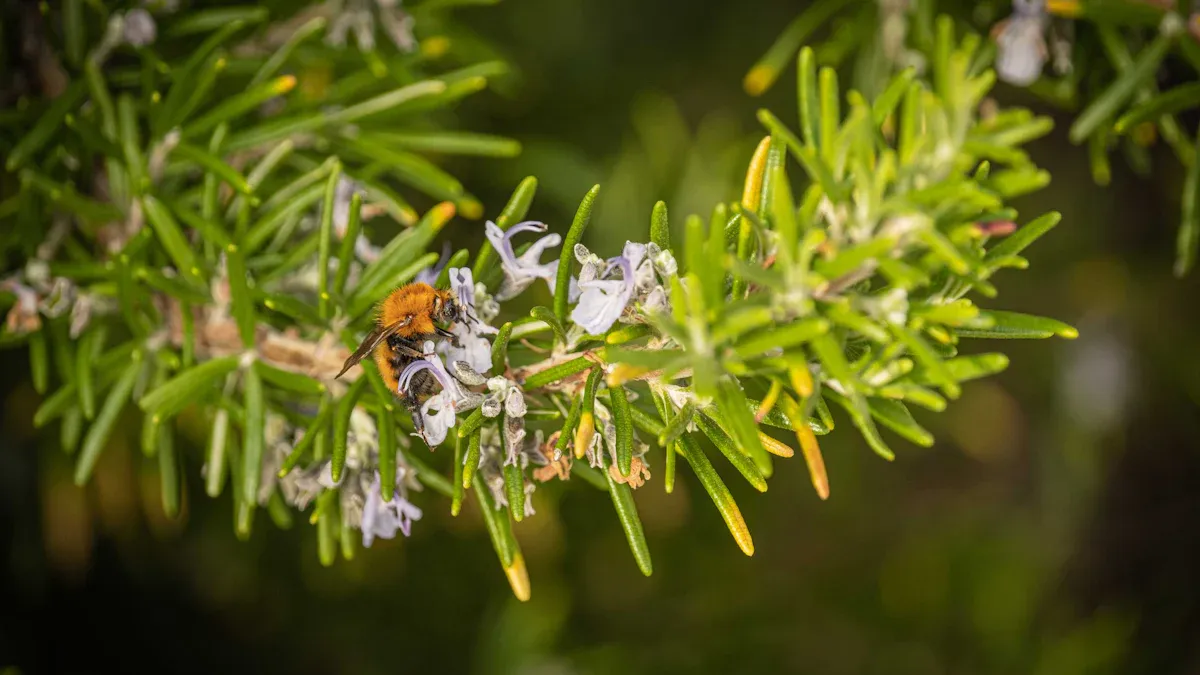
Have you noticed little bugs on your rosemary plant? These pests can cause serious problems if you don’t identify them early. Common pests like aphids and spittlebugs can weaken your plant and lead to significant losses. For instance, commercial growers can face annual losses of $2.2 million due to pest infestations. Keeping an eye on these little bugs is crucial for maintaining a healthy rosemary plant.
Key Takeaways
Regularly inspect your rosemary plant for pests like aphids and spittlebugs. Early detection helps prevent serious damage.
Use natural remedies such as essential oils or introduce beneficial insects like ladybugs to control pest populations effectively.
Maintain a healthy rosemary plant through proper care, as strong plants are less likely to attract pests.
Common Rosemary Pests
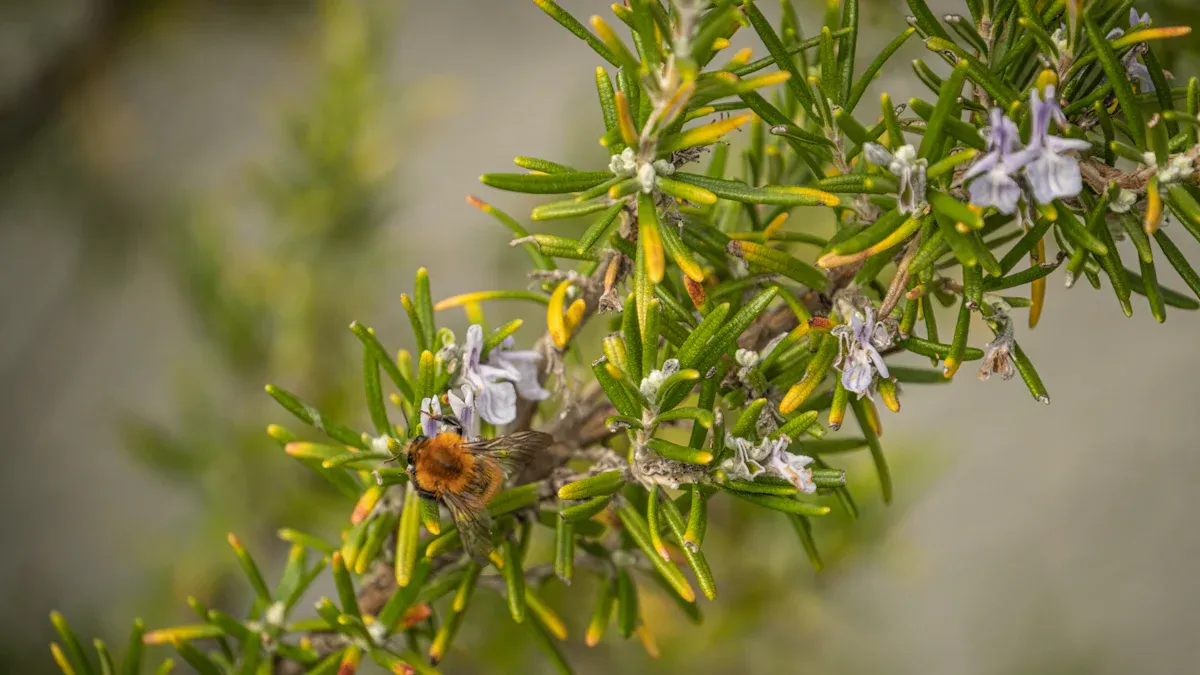
When it comes to your rosemary plant, you might encounter a few little bugs that can cause trouble. Two of the most common pests are the rosemary spittle bug and aphids. Let’s take a closer look at these pests and how they affect your plant.
Rosemary Spittle Bug
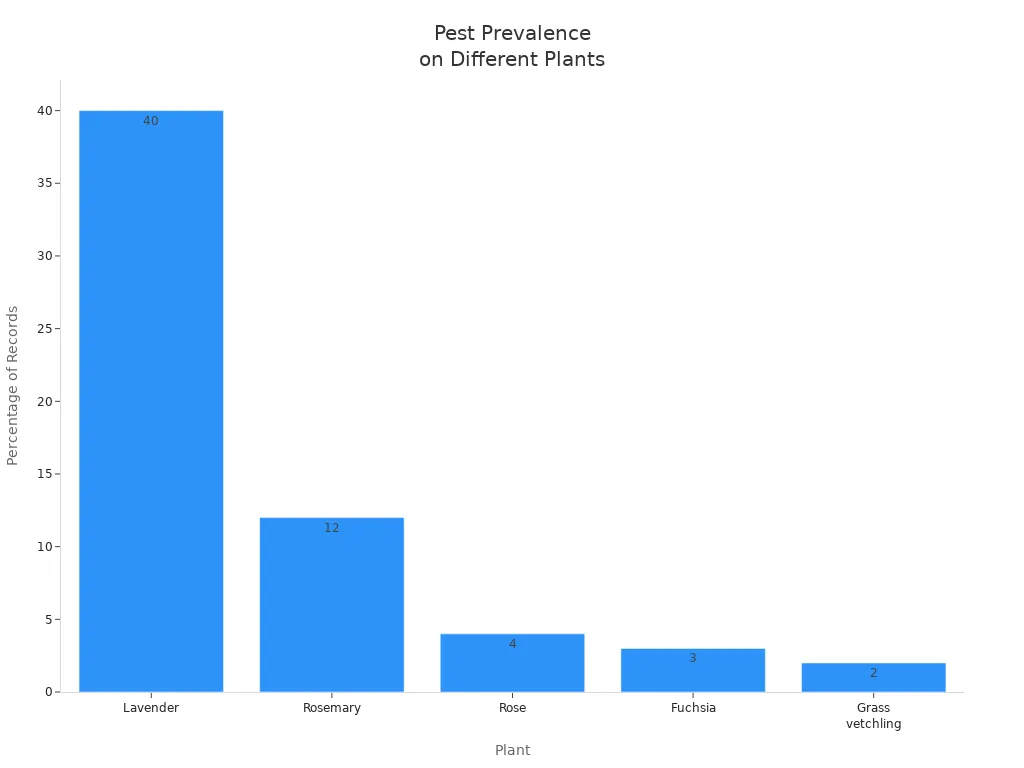
The rosemary spittle bug is a small insect that can be quite sneaky. You might notice white, frothy blobs on your rosemary stems. These blobs are actually the nymphs of the spittle bug, which produce this foam to protect themselves while they feed on the plant’s juices. As they mature, they develop wings and resemble leafhoppers. In fact, spittlebugs account for about 12% of pest records on rosemary plants, making them a significant concern for gardeners.
Tip: Keep an eye out for these frothy masses, especially during warm, humid weather, as this is when they thrive.
Aphids
Aphids are another common pest that you should watch for. These tiny, soft-bodied insects can be green, black, or even pink. They suck the sap from your rosemary, weakening the plant and potentially leading to stunted growth. Aphids can reproduce quickly, so if you spot them, act fast! They often cluster on new growth, making them easier to spot.
In addition to direct damage, aphids can also transmit diseases to your rosemary. So, it’s essential to keep your plant healthy and monitor for these pests regularly.
By understanding these common rosemary pests, you can take steps to protect your plant and ensure it thrives.
Identifying Insects on Rosemary
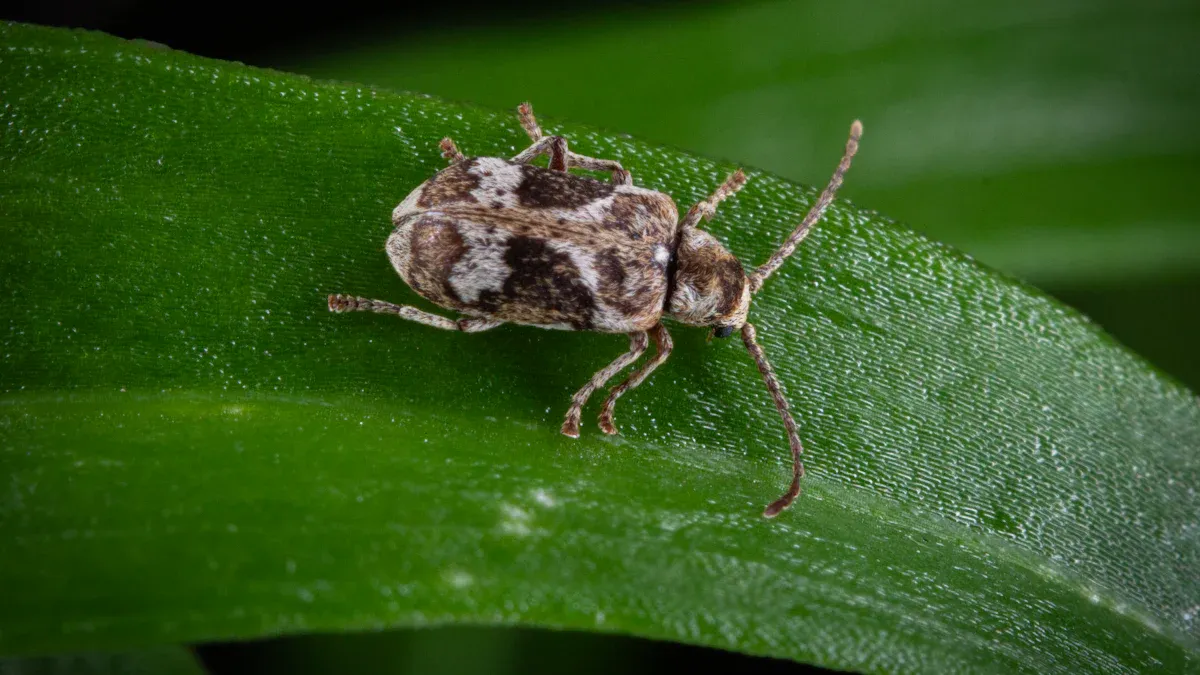
Recognizing the signs of pest infestation on your rosemary plant is crucial for its health. You want to catch any issues early to prevent serious damage. Here are some common symptoms to look out for:
Symptoms of Infestation
Visible Pests: Start with a visual inspection for pests on the undersides of the leaves. Look for tiny insects, especially aphids and spittlebugs.
Spittle-like Masses: If you see white, frothy blobs on your rosemary, that’s a key indicator of spittlebug infestation. These masses hide the nymphs, which feed on the plant juices while protected in their foam.
Leaf Curling and Wilting: If the leaves start curling or wilting, it could be a sign of aphid activity. These little bugs suck the sap from the plant, leading to poor health.
Stunted Growth: A heavy infestation can stunt your rosemary’s growth. If your plant isn’t thriving, check for pests.
To differentiate between pest damage and environmental stress, consider these steps:
Conduct a visual inspection for pests on the leaves.
Assess environmental conditions such as temperature and humidity to identify potential stress factors.
Damage to Rosemary
The damage caused by these insects can be significant. Here’s how they affect your plant:
Pest Type | Symptoms of Damage |
|---|---|
Rosemary Spittle Bug | Leaves may appear discolored and stunted due to sap loss. |
Aphids | Wilting, curling, and poor health due to sap extraction. |
Aphids can reproduce quickly, leading to increased damage. Their feeding behavior involves prolonged phloem sap ingestion, which can severely impact your plant’s growth and vitality. If your rosemary is highly susceptible, aphids can achieve a phloem phase quickly, feeding extensively and indicating a lack of plant defenses. This can result in reduced health and vitality.
In addition to direct damage, both spittlebugs and aphids can transmit diseases to your rosemary. Keeping an eye on these little bugs is essential for maintaining a healthy plant.
Control Methods for Little Bugs
When it comes to managing those pesky little bugs on your rosemary plant, you have several options. You can choose from natural remedies or chemical treatments, depending on your gardening philosophy and the severity of the infestation. Let’s explore both methods to help you decide what works best for you.
Natural Remedies
If you prefer organic solutions, there are effective control methods you can try. One of the most promising options is using essential oils. Research shows that the essential oil of Rosmarinus officinalis can repel various pests, including aphids and spider mites. This oil not only increases mortality rates among these pests but also reduces their ability to reproduce. Here’s a quick look at how different pests respond to rosemary essential oil:
Pest Type | Specific Pests | Effect |
|---|---|---|
Mites | Tetranychus urticae | Repellent |
Aphids | Myzus persicae, Neotoxoptera formosana | Repellent |
Whiteflies | Bemisia tabaci | Repellent |
Thrips | Thrips tabaci, Frankliniella occidentalis | Repellent |
Leafhoppers | Empoasca vitis | Repellent |
Geometrids | Ectropis obliqua | Repellent |
You can also introduce beneficial insects like ladybugs to your garden. These little predators are known to effectively reduce aphid populations through predation. While studies haven’t specifically focused on rosemary, the success of ladybugs in controlling aphids in other crops suggests they could be beneficial for your rosemary too.
Tip: Regularly inspect your plants for signs of pests. A quick daily walkthrough is ideal, but aim for a thorough check 2-3 times a week to catch any issues early.
Chemical Treatments
If natural remedies don’t seem to do the trick, you might consider chemical treatments. Here are a couple of options that are approved for use on rosemary plants:
Insecticidal soap: This is effective against aphids and can be made at home or purchased. It works by dissolving the protective layer of aphids without harming beneficial insects.
Neem oil: This acts as a repellent for aphids and other insects. Be sure to dilute it according to package instructions, as it can also control various types of fungus.
While chemical treatments can be effective, it’s essential to be aware of potential risks. Some pesticides can affect your health and the environment. Here’s a quick overview of the potential side effects:
Aspect | Findings |
|---|---|
Toxicity Effects | Affects organs such as liver and kidney, causing atrophic and degenerative changes. |
Reproductive Toxicity | Decreases spermatogenesis, testosterone levels, sperm density, and motility. |
Genotoxicity | Increases DNA fragmentation and anomalies in fetuses. |
Health Risks | Chronic and high doses may adversely affect kidneys, liver, and reproductive system. |
Before applying any chemical treatments, consider the long-term implications for your health and the environment. Integrated pest management strategies, which combine various methods, often yield better results than relying solely on one approach.
By understanding both natural and chemical control methods, you can effectively manage little bugs on your rosemary plant and keep it healthy and thriving.
In summary, keeping your rosemary healthy means staying vigilant against pests like spittlebugs and aphids. Regular monitoring and effective management strategies are key. Remember, you can use natural remedies or chemical treatments. Follow these steps to protect your plant and enjoy its benefits! 🌿
Key Findings | Description |
|---|---|
Efficacy of Rosemary Oil | Effective against spider mites and whiteflies, causing complete mortality at non-phytotoxic concentrations. |
Environmental Safety | Biodegradable and low toxicity to non-target organisms, making it a safer alternative to synthetic pesticides. |
FAQ
What should I do if I find bugs on my rosemary plant?
You can try natural remedies like essential oils or introduce beneficial insects like ladybugs to control the pests.
How can I prevent pests on my rosemary?
Keep your rosemary healthy with proper watering, sunlight, and regular inspections. Healthy plants are less likely to attract pests!
Are chemical treatments safe for my rosemary?
Some chemical treatments are safe when used correctly. Always follow instructions and consider environmental impacts before applying any pesticides.