The jade plant is strong and pretty. Many people who like houseplants love it. Did you know that 66% of homes in America have a houseplant? Many pick the jade plant. It is very easy to take care of. This popular plant does well with little work.
It is great for any home. This guide gives you 7 easy steps. They show how to care for a jade plant. This keeps it very healthy. You will also learn 14 simple pruning secrets. These help keep its nice shape. You will learn how to grow a healthy jade plant. It will be beautiful for many years.
7 Easy Steps: How to Care for a Jade Plant
These steps cover the basic parts of jade plant care. They make it easy for new plant owners. Proper care helps your plant live a long time. It also keeps your plant looking bright and healthy. You will learn how to care for a jade plant.
Right Pot and Soil
Choosing the right pot and soil is the first step for your jade plant. The pot size changes as your plant grows.
Growth Stage | Pot Size (Diameter) | Recommended Pot Materials |
|---|---|---|
Seedling | 4-6 inches | Clay (breathable, moisture regulation), Plastic (retains moisture), Ceramic (aesthetic, drainage holes essential), Biodegradable (eco-friendly, less stable) |
Juvenile | 6-8 inches | Clay (breathable, moisture regulation), Plastic (retains moisture), Ceramic (aesthetic, drainage holes essential), Biodegradable (eco-friendly, less stable) |
Mature | 8-10 inches | Clay (breathable, moisture regulation), Plastic (retains moisture), Ceramic (aesthetic, drainage holes essential), Biodegradable (eco-friendly, less stable) |
Jade plants like soil that is a little bit acidic or neutral. The best pH range is between 6.0 and 7.0. A pH of 6 to 6.5 is even better. You need to make sure the soil drains well. Add perlite, coarse sand, or pumice to your soil mix. These materials make the soil airy. Water flows through easily. This stops water from sitting around the roots.
A good soil mix helps prevent waterlogged roots. A simple recipe for your soil mix includes 3 parts potting soil, 2 parts coarse sand, and 1 part perlite or pumice. This well-draining soil is key for succulents like the jade plant.
Ideal Light Conditions
Your jade plant needs enough light. Give it at least six hours of bright, indirect sunlight every day. Place your plant near a window that faces south or west. Too much direct sun can harm your plant. Its leaves might turn red or shrivel. Find a spot where the sunlight is bright but not harsh. This helps your jade plant grow strong.
Watering Your Jade Plant
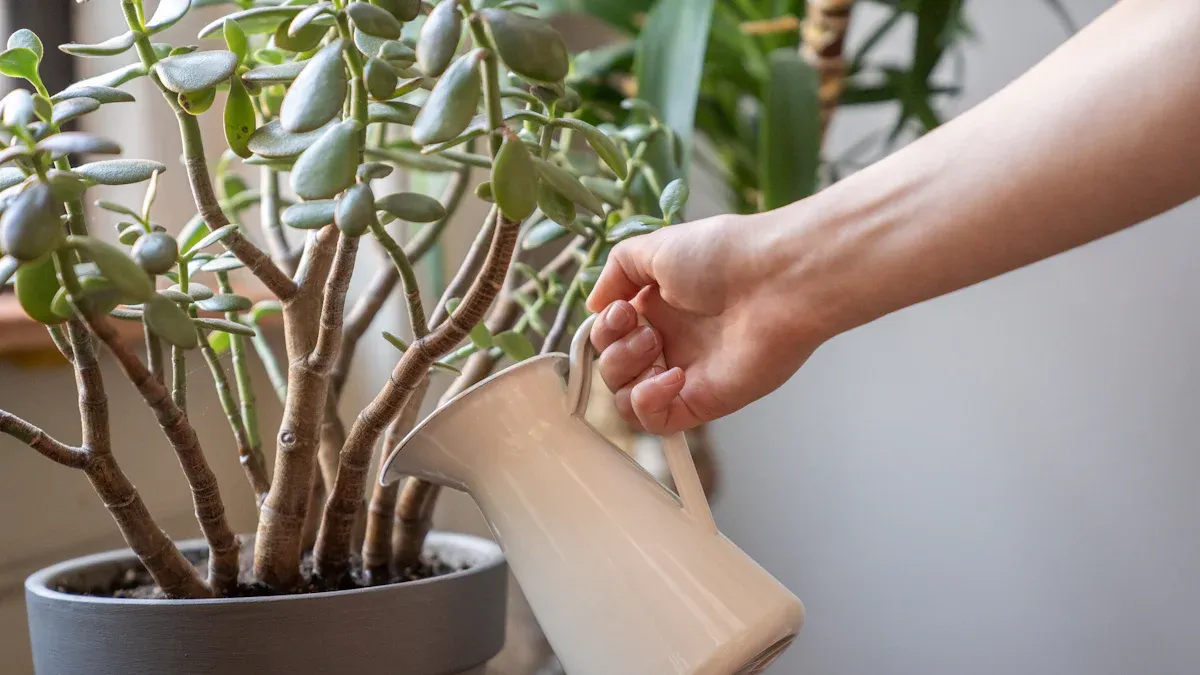
Watering your jade plant correctly is very important. Many people kill their jade plants by giving them too much water. You must avoid overwatering. Water your plant only when the soil is completely dry. Stick your finger into the soil up to your knuckle. If it feels dry, then it is time to water. Water thoroughly until you see water come out of the drainage holes.
Jade plants do not need water often. They can go for days or weeks without water. The amount of water your plant needs changes with the weather and where it sits.
In spring and summer, your jade plant requires more water.
Hot spaces need more water than shaded areas.
Let the soil dry out partly before you water again.
If the soil is dry an inch deep, it is time to water.
In sunny spots, watering might be every other week.
During winter, your plant needs water about once a month.
Here is a guide for watering frequency:
Climate/Season | Watering Frequency |
|---|---|
Hot, Dry Climates | Once every 1–2 weeks during growing season; check soil in very hot weather. |
Cool or Humid Climates | Every 2–3 weeks. |
Winter Dormancy | Once every 3–4 weeks. |
You need to know the signs of too much or too little water. Signs of overwatering include:
Yellow leaves, sometimes starting at the edges.
Drooping leaves that can turn brown.
Soft and mushy leaves.
Soft and mushy stems. This means root rot.
Roots become mushy and die. This stops the plant from taking in water.
Signs of underwatering include:
Wilting leaves.
Dry, brittle stems.
Shriveled, wrinkled leaves. These leaves should get full again after you water.
Always check the soil before you water. This simple care step keeps your jade plant healthy.
Temperature and Humidity
Jade plants like certain temperatures. They grow best when it is not too hot or too cold.
Daytime: 65°F to 75°F (18°C to 24°C)
Nighttime: 50°F to 55°F (10°C to 13°C)
Extreme temperatures can hurt your plant.
Temperature Extreme | Effects on Jade Plant |
|---|---|
Cold Stress | Darkened or bruised leaves, brown or black leaf tips, slow growth, no flowers. |
Heat Stress | Brown, crispy, or wrinkled leaves, sunburn, early flowering, long stems, small leaves. |
Both Extremes | Leaves change color, wilt, fall off, plant stops growing. |
Jade plants do not need a lot of humidity. They prefer a relative humidity of 30-60%. You can use a hygrometer to check the humidity. This tool helps you keep the humidity in the right range.
Aspect | Beneficial Humidity Level | Methods to Increase Humidity | Methods to Decrease Humidity |
|---|---|---|---|
Jade Plants | 30-60% Relative Humidity (RH) | – Use a humidifier | – Use a dehumidifier |
Good airflow is important for your jade plant. It helps prevent problems.
Fertilizing for Growth
Fertilizer helps your jade plant grow. Use a balanced, water-soluble fertilizer. Look for an N-P-K ratio like 10-10-10 or 20-20-20. Organic fertilizers also work well. These include worm castings or compost. They help your plant bloom and keep the soil healthy. Some fertilizers with more phosphorus can help with blooming. Do not use fertilizers with a lot of nitrogen. Too much nitrogen can stop flowers from growing.
Fertilize your plant once a month during spring and summer. This is its growing season. Do not fertilize in winter. That is when your plant rests. Always mix the fertilizer with water as the package says. Water your plant before you add fertilizer. This stops the roots from burning. Water again after you fertilize. This washes away extra fertilizer. It also stops salt from building up. Adjust how often you fertilize based on your plant’s needs. If new leaves grow outside of spring or summer, you can fertilize. If your plant looks sick, fertilize less.
Repotting Your Jade Plant
Repotting is a key part of jade plant care. You need to know when your jade plant needs repotting. Signs your jade plant needs repotting:
Roots grow out of the drainage holes.
Roots circle the bottom of the pot.
Your plant becomes too heavy and falls over easily.
The soil dries out too fast after you water.
The roots do not have enough space to grow.
Your plant grows slowly or looks unhealthy.
The soil stays wet for too long. This means poor drainage.
How often does a jade plant need repotting? You usually repot every 3-5 years. Some people repot every 4-6 years. Indoor jade plants grow slower. Their roots stay small. You do not need to repot every year.
The best time to repot is in the spring. This is when your plant starts to grow actively. When you repot, choose a pot that is only one size bigger. This helps prevent overwatering. A good repotting guide helps you through the process.
Here is a repotting step-by-step guide:
Gently take your jade plant out of its old pot.
Shake off old soil from the roots.
Check the jade plant roots. Trim any dead or mushy roots.
Put some fresh soil mix in the new pot.
Place your plant in the new pot. Make sure the top of the root ball is level with the soil.
Fill the rest of the pot with soil mix. Do not pack it down too hard.
Do not water right away. Wait a few days. This lets any broken roots heal.
After care for repotting means giving it bright, indirect light.
This repotting guide helps your plant stay healthy.
Pest and Disease Management
Even with good care, your jade plant can get pests or diseases. Knowing what to look for helps you fix problems fast.
Common pests for jade plants include:
Mealybugs: You see white, cotton-like spots. They leave sticky residue.
You can pick them off by hand.
Use a cotton swab with alcohol on individual bugs.
Spray them with a strong stream of cold water.
Use insecticidal soaps or neem oil.
Scale: These look like small, brown bumps on stems or leaves.
Rub them off gently.
Use neem oil or other horticultural oils.
Spider Mites: You might see tiny webs or small dots on leaves.
Keep your plant watered well.
Wipe leaves with a damp cloth often.
Spray with water to wash them off.
Here are some common jade plant problems and how to treat them:
Problem | Symptoms | Treatment |
|---|---|---|
Overwatering | Yellowing leaves, soft stems, mushy soil, root rot | Reduce water, improve soil drainage (add sand/perlite), trim rotten roots |
Underwatering | Shriveled leaves, stunted growth, dry leaves | Water thoroughly, water moderately, let soil dry between waterings |
Fungal Diseases (Mold/Mildew) | Mold or mildew on plant | Increase air movement, water less, use fungicide if needed; keep conditions drier |
Sunburn | Brown, crispy spots on leaves | Move plant to less direct sunlight, give shade during hot parts of the day |
Soil Issues | Compacted, waterlogged, or nutrient-poor soil | Repot with fresh, well-draining soil mix, add nutrients if needed |
White Spots | White spots on leaves (salt/mineral buildup) | Wipe with a cloth, use distilled water |
Leggy Growth | Long stems with big gaps between leaves | Move to a brighter spot with direct sunlight, prune to make it bushier |
Small Leaves | Leaves are small for the plant’s size | Make sure it gets enough sunlight, use a grow light if needed |
Yellowing Leaves | Yellow leaves (not enough nutrients or too much fertilizer) | Check roots, repot with fresh soil if needed |
If you see black leaves or shriveled stems, it could be from too much moisture or root rot. Act quickly to save your plant. Brown leaves can mean too much or too little water, or too much sun. Adjust your care as needed. Small brown spots on leaves can be from physical damage or pests. Identify the cause and treat it. Red leaves are often a natural response to more sunlight. This care guide helps you keep your jade plant healthy.
14 Simple Pruning Secrets for a Healthy & Shapely Jade Plant
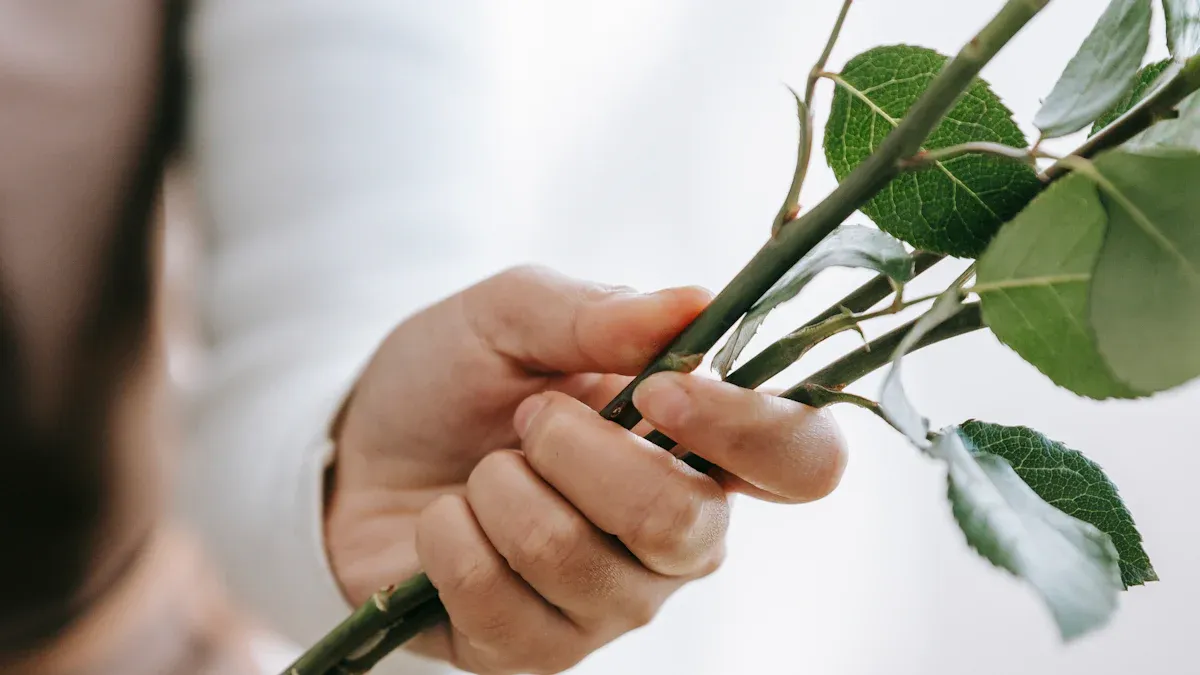
Pruning your jade plant is a key part of its care. It helps your plant grow strong and look its best. Think of pruning as a helpful task, not a scary one. You guide your plant to be healthy and beautiful. Pruning helps your jade plant in many ways. It makes your plant grow fuller and more compact. You control its size and shape. You also remove any dead or sick branches. This makes the stems stronger. You can even use the trimmed pieces to grow new plants.
Why Prune Your Jade Plant?
Pruning is essential for your jade plant’s health and looks. You help it become a strong, beautiful plant. Here are the main reasons you should prune:
Promotes compact, bushy growth: Pruning encourages your plant to grow more branches. This makes it look fuller.
Controls size and shape: You decide how big and what shape your jade plant will be. This is great for indoor spaces.
Removes dead or diseased branches: You cut away unhealthy parts. This stops problems from spreading.
Encourages stronger stems: Pruning helps the main stems become thicker and more stable.
Improves air circulation and light: Removing some leaves lets air move better and light reach all parts of the plant.
Stimulates new growth and branching: Cutting back old growth makes new shoots appear.
Allows propagation of cuttings: You can grow new jade plants from the pieces you cut off.
Best Time to Prune
Timing your pruning helps your jade plant recover quickly. The best time to prune is when your plant is actively growing. This is usually in late winter or early spring. Your plant has lots of energy to heal and grow new parts. You can also prune from spring up to early summer for great results.
Avoid pruning in late fall or winter. Your plant rests during these months. Healing is slow then. Pruning at this time can make your plant weak. It can also make it more likely to get sick.
Here is a guide for when to prune:
Pruning Type | Best Season |
|---|---|
Shaping/Thinning | Spring |
Pinching Tips | Spring–Summer |
Heavy Rejuvenation | Spring |
Propagation Prep | Spring–Early Summer |
Use Clean, Sharp Tools
Always use clean, sharp tools when you prune. This makes clean cuts. Clean cuts heal faster. They also stop diseases from spreading. You can use sharp pruning shears or even a clean, sharp knife.
Before you start, clean your tools. Remove any dirt, sap, or plant bits. Then, disinfect them. This is very important if you cut off sick parts of a plant. You should clean your tools between each cut if you are removing diseased material.
Here are ways to sanitize your tools:
Alcohol: Use rubbing alcohol (ethanol or isopropyl alcohol). Wipe or dip your tool in it. Alcohol is easy to use and does not cost much. It is also less likely to damage your tools.
Bleach: Mix 1 part bleach with 9 parts water. Soak the blades for at least 10 minutes. Then, rinse them with clean water. Be careful with bleach. It can harm your skin and clothes. It can also make your tools rust over time.
Household Disinfectants: Products like Lysol wipes can clean blades. However, we do not know how well they work against plant diseases. Alcohol is usually a better choice.
Identify Your Goal
Before you make any cuts, decide what you want to achieve. Do you want a bushier plant? Do you want to make it smaller? Are you removing sick branches? Knowing your goal helps you prune correctly. This step guides all your cuts.
Remove Dead or Damaged Branches
Look for any branches that are dry, shriveled, or discolored. These are dead or damaged. You should cut them off. This helps your jade plant put its energy into healthy growth. Cut these branches back to the main stem or to a healthy side branch.
Prune for Air Circulation
Sometimes, your jade plant can get very dense. Too many branches in the middle can block light and air. This can lead to problems. Remove some inner branches. This opens up the plant. Good airflow helps prevent fungal issues. It also lets light reach all the leaves.
Encourage Bushier Growth (Pinching)
You can make your jade plant grow fuller by “pinching” it. This is a simple way to encourage new branches. You pinch off the very tips of new stems with your fingers. This tells the plant to grow two new shoots from that spot. You can do this on younger plants that are not leggy yet. Pinch after a growth spurt when you want to shape your plant. This method helps create a dense, leafy plant without heavy pruning.
Cut Above a Node
When you prune, always cut just above a “node.” A node is a small bump on the stem. It is where leaves or new branches grow out. Cutting above a node is important. Two new branches will grow from that spot. This helps your plant become bushier. It also ensures new growth starts quickly.
Shaping for Aesthetics
You can prune your jade plant to create different looks. Many people enjoy shaping their jade plants.
Tree-like trunk: As your jade plant gets older, its main stem can look like a tree trunk. You can clip leaves from the bottom of a main stem. This helps create a clear, tree-like trunk.
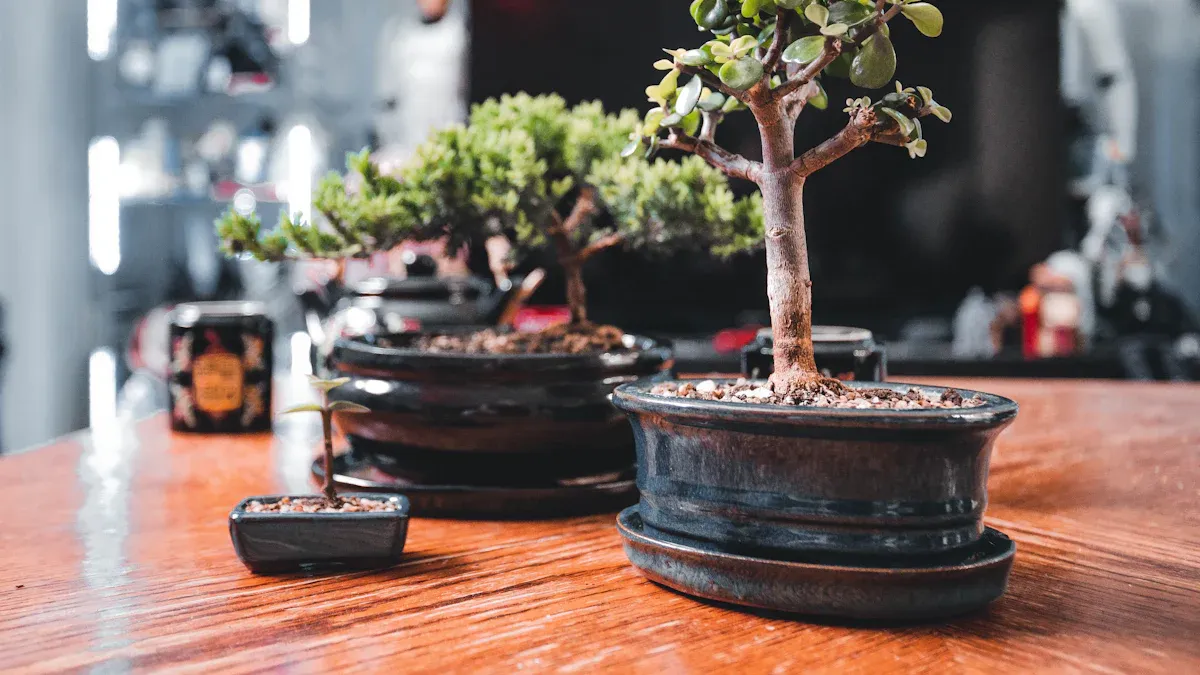
Miniature tree (Bonsai): You can train your jade plant to look like a tiny tree. This involves careful trimming of stems, leaves, and branches. You manage new tip growth to make a dense, leafy top.
Bushy and compact form: Regular pinching makes your plant grow outward, not just upward. This creates a dense, full plant.
Sturdy and shrubby: You can prune to make your plant spread out. It becomes sturdy and wide, not tall and thin. A balanced plant is often as tall as it is wide.
Don’t Over-Prune
It is important not to cut too much at once. Removing too many leaves or branches can stress your jade plant. It might take a long time to recover. A good rule is to remove no more than one-third of the plant’s total growth at one time. If you need to do heavy pruning, spread it out over a few months.
Propagate Your Cuttings
Jade plants are very easy to grow from cuttings. Do not throw away your pruned pieces! You can turn them into new plants.
For Stem Cuttings:
Choose a healthy stem: Pick a stem about 4 inches long. It should have several green leaves and no damage.
Cut the stem: Use clean shears. Cut just below where leaves grow. Remove any leaves from the bottom half of the cutting.
Let it dry: Place the cutting on newspaper. Let it sit for a few days. The cut end will form a dry scab, called a callus. This stops it from rotting.
Plant in soil: After about a week, plant the cutting in moist, well-draining soil. Bury the bottom half. Press the soil around the base to hold it.
For Leaf Cuttings:
Select a leaf: Choose a healthy, plump green leaf.
Remove the leaf: Gently pull the leaf off. Make sure you get a clean break, with a small part of the stem attached.
Let it dry: Place leaves on newspaper to callus. This happens faster than with stems.
Plant in soil: Gently press the base of the leaf into moist, well-draining soil. Angle it upwards.
After planting, put your new cuttings in a warm spot with bright, indirect light. Keep the soil moist but not soaking wet. Roots usually grow in a few weeks for stems. Leaf cuttings might take 2-3 months to grow a small plant.
Healing the Wounds
After you prune, your jade plant needs to heal. The cut areas are like small wounds. They need to dry and form a callus. This protects the plant from disease. For cuttings, you must let them callus before planting. Place the cutting away from direct sunlight for 3-5 days. This allows the cut end to dry and form a protective layer. This step prevents rot when you plant it.
Pruning for Bonsai Style
If you want to create a bonsai jade plant, you use specific techniques. This style makes your plant look like a miniature tree.
Trimming: You regularly trim stems and leaves to control the shape and size.
Wiring: You can gently wrap wire around branches. This helps bend them into desired shapes. Remove the wire before it cuts into the bark.
Repotting: You repot the plant often. This helps manage root growth and keeps the plant small.
Removing specific branches: Cut off branches that grow straight up or in awkward places. This helps create the tree shape.
Cleaning up surface roots: You can expose some roots at the soil line. This adds to the bonsai look.
Regular Maintenance Pruning
You do not need to do heavy pruning all the time. Regular, light maintenance pruning is also important. This means you remove any yellowing leaves or small, weak branches as you see them. This keeps your jade plant looking tidy and healthy. It also helps maintain the shape you want. This ongoing care keeps your plant thriving.
You now have the knowledge. These 7 easy steps for proper care and 14 simple pruning secrets will help you. Your jade plant will thrive. It will also look beautiful. Jade plants are resilient. They reward consistent, proper care. Apply these practical tips. You will enjoy your flourishing jade plant for many years to come.