
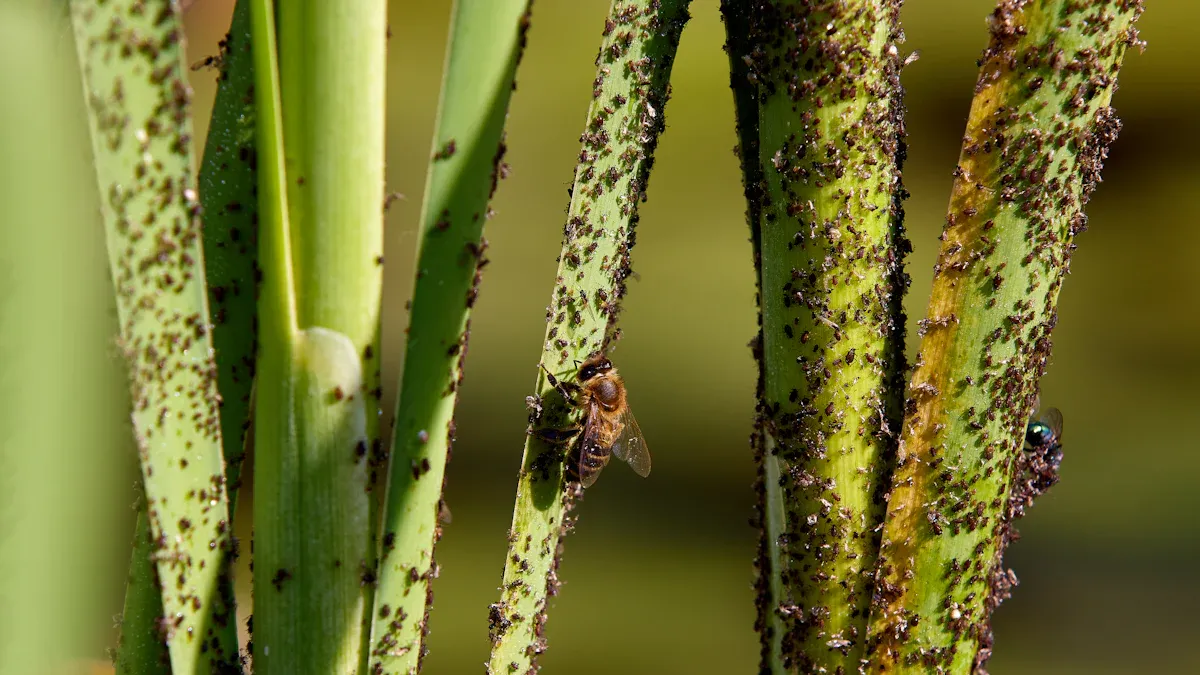
Recognizing plant diseases early is crucial for maintaining healthy Lamb’s Ear plants. When you identify Lamb’s Ear symptoms quickly, you can apply effective treatments and prevent further damage. Look for changes in leaf color, texture, or growth patterns. These signs often indicate underlying issues. By staying vigilant, you can ensure your Lamb’s Ear thrives.
Key Takeaways
Recognize early signs of disease in Lamb’s Ear plants, such as yellowing leaves and wilting. Early detection allows for timely treatment.
Avoid over-watering by allowing the top two inches of soil to dry out before watering again. This prevents root rot and promotes healthy growth.
Improve air circulation around your plants to reduce humidity and prevent fungal infections like powdery mildew. Space plants adequately for airflow.
Regularly inspect your plants for pests and diseases. Remove infected parts immediately to stop the spread and maintain plant health.
Implement cultural control methods, such as crop rotation and soil amendments, to manage nematode infestations and promote a healthy growing environment.
Identify Lamb’s Ear Over-Watering

Over-watering is a common issue that can severely affect your Lamb’s Ear plants. When you over-water, you drown the roots, leading to various problems. Recognizing the symptoms early can help you take action before the damage becomes severe.
Over-Watering Symptoms
You can identify over-watering in your Lamb’s Ear plants by looking for specific symptoms. Here are some common signs to watch for:
Rotting foliage in the center of clumps
Yellowing leaves that may appear droopy
Soggy roots leading to brown, mushy leaves
Issues with poor drainage in the soil
These symptoms indicate that your plants are receiving too much water, which can lead to root rot and other complications.
Treatment for Over-Watering
If you suspect that your Lamb’s Ear plants are suffering from over-watering, take immediate action. Here are some effective treatment options:
Adjust your watering schedule: Allow the soil to dry out completely before watering again. Aim for the top two inches of soil to be dry.
Improve drainage: Ensure that your pots or garden beds have adequate drainage holes. If necessary, amend the soil with sand or perlite to enhance drainage.
Repot if needed: If your plants are in heavy clay soil, consider repotting them into well-drained, sandy, or loamy soil. This change will help prevent moisture retention and reduce the risk of root rot.
Monitor environmental factors: Keep an eye on local climate conditions. High humidity can exacerbate over-watering issues. Adjust your watering practices accordingly.
Environmental Factor | Effect on Lamb’s Ear Plants |
|---|---|
Soil Moisture Levels | Should dry out to two inches before watering again. |
Local Climate Conditions | Influences overall moisture retention in soil. |
Watering Practices | Excessive moisture leads to drooping leaves. |
Lamb’s Ear plants thrive in well-drained soil. Heavy clay soil retains moisture, increasing the risk of root rot. Therefore, ensuring quick drainage is essential, especially since these plants are drought-tolerant and require minimal watering once established. By taking these steps, you can help your Lamb’s Ear plants recover from over-watering and promote their overall health.
Fungal Infections in Lamb’s Ear
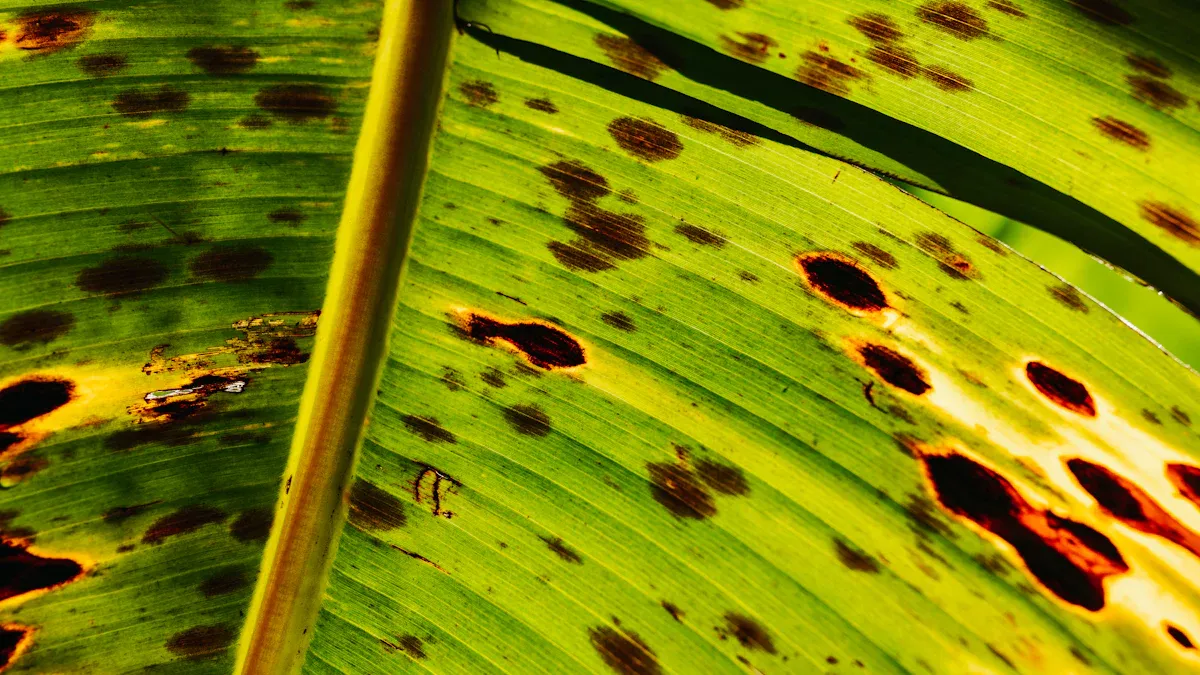
Fungal infections can pose a significant threat to your Lamb’s Ear plants. These infections often arise from environmental conditions that favor fungal growth. High humidity and moderate temperatures create an ideal setting for fungal diseases to thrive. Recognizing the symptoms early can help you take action and protect your plants.
Symptoms of Fungal Leaf Spots
Fungal leaf spots are a common issue in Lamb’s Ear plants. You can identify these spots by observing the following symptoms:
Symptom Description | Details |
|---|---|
Initial Appearance | Leaf spots become visible about 1 week after they first appear. |
Color | White to grayish-white on the edges with reddish-brown, brownish, or yellowish margins. |
Location | First observed on the adaxial leaf surfaces, then on the abaxial leaf surface. |
Progression | Spots may enlarge over time, coalesce into blotches, and ultimately perforate the lamina. |
Affected Leaves | Newer (younger) leaves are typically the first to show symptoms. |
These symptoms indicate that your plants may be suffering from fungal leaf spots. If left untreated, these spots can lead to more severe damage.
Powdery Mildew Treatment
Powdery mildew is another common fungal disease affecting Lamb’s Ear plants. It appears as a white to gray coating on leaves, caused by the fungus Neoerysiphe galeopsidis. Fortunately, you can manage powdery mildew effectively with the right approach. Here are some treatment options:
Space your plants: Ensure adequate air circulation around your Lamb’s Ear plants. This helps reduce humidity levels, making it harder for powdery mildew to thrive.
Use fungicides if necessary: While fungicides are rarely needed, they can be effective for high-value plants with a history of severe infection. Low-impact options like sulfur and potassium bicarbonate work well.
Avoid late-summer nitrogen applications: Excess nitrogen can promote lush growth, which is more susceptible to powdery mildew.
Prevent overhead watering: Watering from above increases humidity around the plants. Instead, water at the base to keep foliage dry.
Remove infected parts: Regularly inspect your plants and remove any infected leaves. Destroy these parts to prevent the spread of the disease.
By following these steps, you can effectively manage powdery mildew and keep your Lamb’s Ear plants healthy. Remember, prevention is key. Monitor your plants regularly and adjust your care routine based on environmental conditions.
How to Get Rid of Lamb’s Ear Rust Disease
Rust disease can be a serious problem for your Lamb’s Ear plants. This fungal infection thrives in warm, humid conditions. Identifying the symptoms early can help you take action before the disease spreads.
Symptoms of Rust Disease
You can recognize rust disease by looking for these symptoms:
Rust-colored spots: These appear on the upper side of leaves and can vary in color from orange to brown.
Yellowing leaves: As the disease progresses, the leaves may turn yellow and drop prematurely.
Deformed growth: Infected plants may show stunted or distorted growth.
If you notice these signs, act quickly to protect your plants.
Treatment for Rust Disease
To effectively manage rust disease, consider these treatment options:
Select rust-resistant varieties: When possible, choose Lamb’s Ear plants that are resistant to rust.
Water wisely: Avoid overwatering. Water your plants in the morning to allow them to dry out during the day.
Dust with sulfur: Early in the season, dust your plants with sulfur to prevent infection.
Remove infected parts: Regularly inspect your plants and remove any infected leaves. Destroy these parts to stop the spread of the disease.
Use organic treatments: Mix 1 liter of water with 5 mL of organic Neem Oil and 5 mL of bath shampoo. Spray this mixture weekly. Alternatively, mix 2-3 tablespoons of hydrogen peroxide per gallon of water and spray weekly.
In addition to these treatments, cultural control methods can help prevent rust disease. Here are some effective strategies:
Cultural Control Methods | Description |
|---|---|
Removing plant debris | Helps eliminate potential sources of infection. |
Controlling weeds | Reduces competition and potential hosts for rust pathogens. |
Inspecting plants on arrival | Ensures that new plants are disease-free before introduction. |
Monitoring mother plants | Keeps track of plant health and early signs of disease. |
Avoiding susceptible species | Prevents planting of varieties that are prone to rust. |
Managing humidity | Controls moisture levels that favor rust development. |
Proper irrigation practices | Ensures plants are watered correctly to avoid excess moisture. |
By following these steps, you can effectively manage rust disease and keep your Lamb’s Ear plants healthy. Remember, prevention is key. Regular monitoring and proper care will help you maintain vibrant plants.
Nematode Infestation in Lamb’s Ear
Nematodes are tiny roundworms that can cause significant problems for your Lamb’s Ear plants. These pests often thrive in poorly drained soil and can lead to stunted growth and other issues. Recognizing the symptoms early can help you take action before the infestation worsens.
Symptoms of Nematode Infestation
You can identify nematode infestations by looking for specific signs in your plants. Here are some common symptoms to watch for:
Wilted appearance: Your plants may look droopy and lifeless.
Weak or stunted growth: Nematodes can hinder the overall development of your plants.
Yellow or brown foliage: Leaves may change color and appear unhealthy.
These symptoms indicate that your Lamb’s Ear plants may be suffering from nematode damage. Environmental conditions that favor nematode proliferation include poor airflow due to overcrowding, excess moisture from shady conditions, and poorly draining soil.
Treatment for Nematode Infestation
If you suspect nematodes are affecting your Lamb’s Ear plants, consider these effective control methods:
Minimum-tillage practices: This method helps manage soil biology and promotes beneficial organisms that suppress nematodes.
Soil amendments: Adding organic matter like compost can help suppress nematodes.
Chitinous materials: Tilling in crushed shells can reduce nematode populations by promoting fungi that attack them.
Crop rotation: Rotating to non-host crops can prevent nematode populations from reaching damaging levels.
Allelochemicals: Certain plants, like sudangrass, produce compounds that act as nematicides.
Solarization: This method controls soilborne pathogens and nematodes, although it works best for high-value crops.
Soil steaming: This technique suppresses nematodes similarly to solarization and is more suited for greenhouses.
Flooding: Flooding can control nematodes by reducing oxygen levels, but it may not always be feasible.
By implementing these strategies, you can effectively manage nematode infestations and protect your Lamb’s Ear plants from further damage.
Regular plant care and monitoring are essential for the health of your Lamb’s Ear plants. By staying vigilant, you can catch signs of disease early and take action. Here are some long-term benefits of consistent care:
Benefit | Description |
|---|---|
Disease Resistance | Lamb’s Ear plants resist most pests and diseases, promoting longevity and health. |
Drought Tolerance | These plants thrive in dry conditions, ensuring survival in varying climates. |
Prevention of Leaf Rot | Keeping leaves dry prevents fungal issues, supporting long-term health and growth. |
Air Circulation | Pruning in humid areas increases airflow, reducing disease spread. |
Avoiding common mistakes can also help maintain your plants’ health:
Mistake | Consequence |
|---|---|
Overwatering | Soggy roots and brown, mushy leaves |
Poor drainage | Traps water around roots, promoting rot |
Excessive sunlight | Scorches leaves, creating dry, crispy edges |
Fungal diseases | Causes brown or discolored patches on leaves |
Pest infestations | Damages leaves, leading to discoloration |
For reliable information on managing Lamb’s Ear diseases, resources like Walter Reeves and Oklahoma State University’s extension program offer valuable insights. By taking proactive steps, you can ensure your Lamb’s Ear plants remain vibrant and healthy. 🌱
FAQ
What are the common signs of disease in Lamb’s Ear plants?
You should look for yellowing leaves, wilting, or powdery spots on leaves. These symptoms often indicate underlying issues that require immediate attention to prevent further damage.
How can I prevent fungal infections in my Lamb’s Ear?
To prevent fungal infections, ensure proper air circulation around your plants. Avoid overhead watering and keep leaves dry. Regularly inspect your plants for early signs of disease.
What should I do if I notice rust disease on my Lamb’s Ear?
If you see rust-colored spots on leaves, remove infected parts immediately. Improve air circulation and consider using sulfur dust to prevent further spread of the disease.
How can I control insect pests on my Lamb’s Ear plants?
To control insect pests, regularly inspect your plants. Use insecticidal soap or neem oil as a natural treatment. Ensure you maintain healthy plants to reduce pest attraction.
Can over-watering cause disease in Lamb’s Ear plants?
Yes, over-watering can lead to root rot and other diseases. Always check soil moisture before watering. Allow the top two inches of soil to dry out between waterings.