

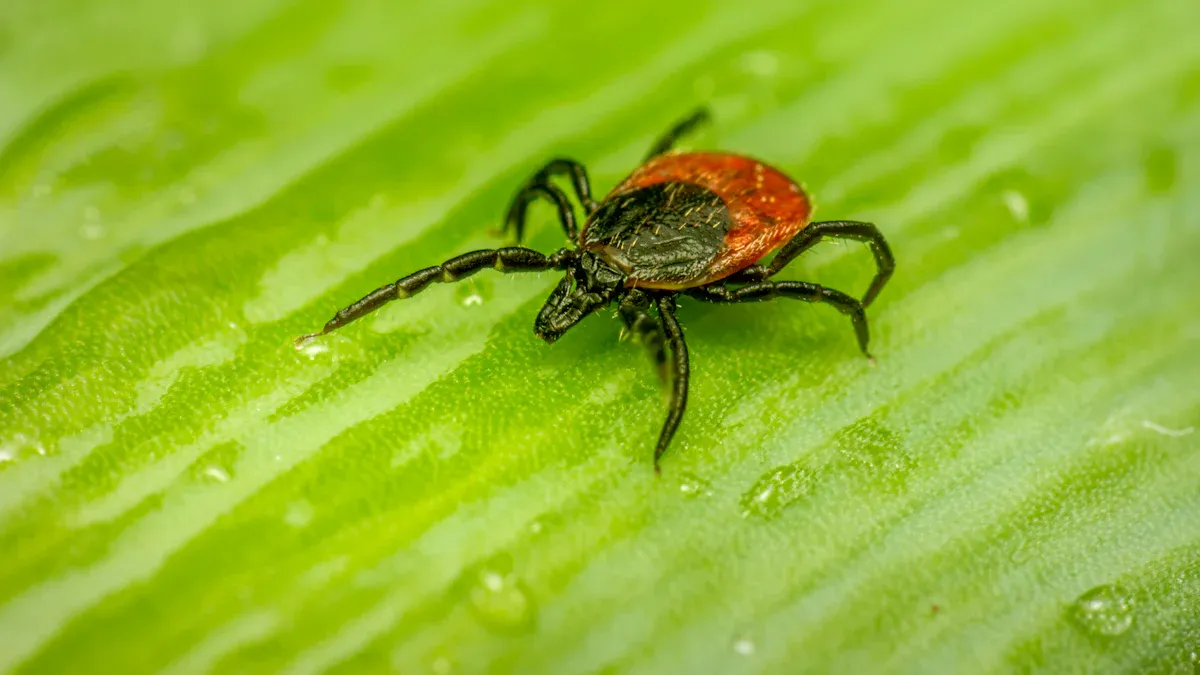
Diatomaceous earth is a natural substance that can help you tackle ticks effectively. Unlike chemical repellents, it’s biodegradable and doesn’t harm beneficial insects. Studies show that diatomaceous earth can kill ticks quickly, making it a safer choice for your home and garden. Why not give this eco-friendly option a try?
Key Takeaways
Diatomaceous earth is a natural, biodegradable substance that effectively kills ticks by dehydrating them upon contact.
Always use food-grade diatomaceous earth for safety, especially when applying it to pets or in areas where children play.
Reapply diatomaceous earth every 7-10 days, particularly after rain, to maintain its effectiveness in controlling tick populations.
What is Diatomaceous Earth?
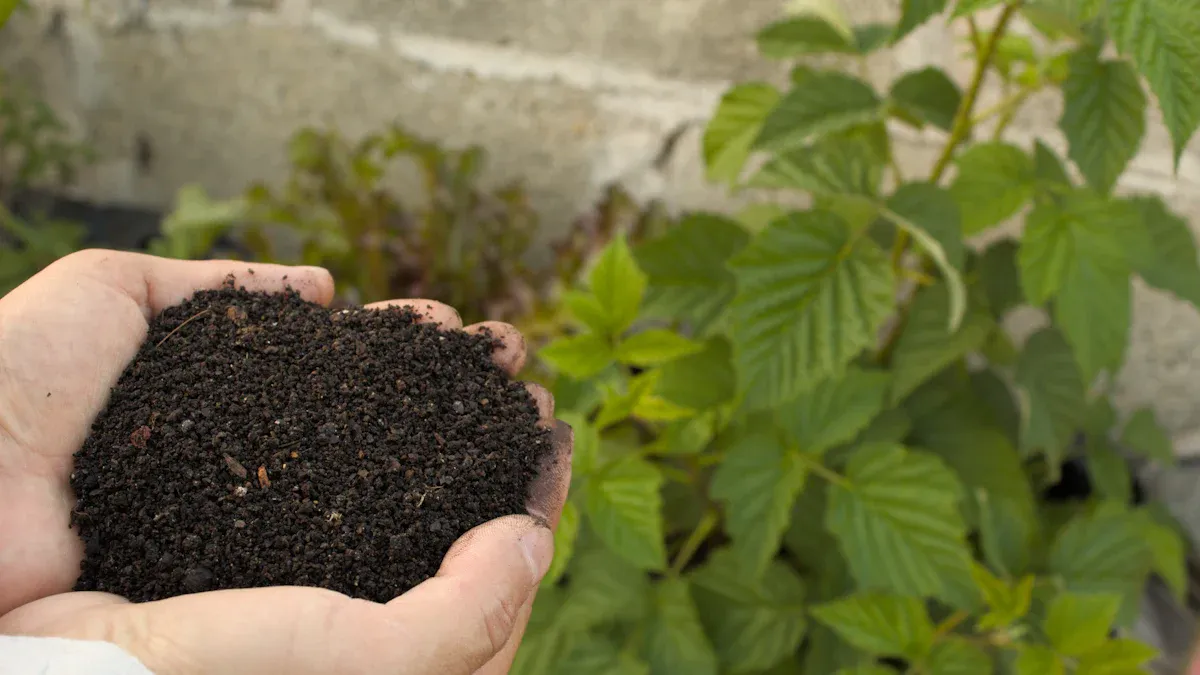
Diatomaceous earth is a natural powder made from the fossilized remains of tiny aquatic organisms called diatoms. These organisms lived millions of years ago, and their silica-rich skeletons accumulated in sedimentary layers. When mined, this silica is processed into a fine dust that has many uses, including pest control.
Composition
The main component of diatomaceous earth is silica, which makes up about 80% to 90% of its composition. Here’s a quick look at its components:
Component | Percentage Range |
|---|---|
Silica | 80% to 90% |
Alumina minerals | 2% to 4% |
Iron oxide | 0.5% to 2% |
This high silica content gives diatomaceous earth its insecticidal properties. It works by damaging the waxy outer layer of an insect’s exoskeleton. When ticks come into contact with it, the powder absorbs moisture from their bodies, leading to dehydration and death.
Types
There are two main types of diatomaceous earth: food-grade and pool-grade.
Food Grade: This type is safe for humans and pets. You can use it in your home and garden without worrying about harmful effects. It’s effective for insect control, making it a great natural remedy for ticks.
Pool Grade: This type contains hazardous crystalline silica and is not intended for pest control. Avoid using it around your home or pets.
Understanding these types helps you choose the right diatomaceous earth for your needs. Always opt for food-grade if you plan to use it in areas where pets or children play.
How Diatomaceous Earth Works
Dehydration Process
Diatomaceous earth (DE) acts as a physical insecticide, targeting ticks and other pests effectively. When you sprinkle this fine powder in areas where ticks are likely to roam, it works by physically damaging their exoskeletons. Here’s how it happens:
Abrasion: The sharp edges of the diatomaceous earth particles cut into the protective outer layer of ticks.
Moisture Absorption: Once the outer layer is compromised, DE absorbs moisture from the ticks’ bodies. This leads to dehydration, which is fatal for them.
This process is not instantaneous. It can take anywhere from a few hours to a few days for diatomaceous earth to kill ticks after they come into contact with it. Remember, for DE to be effective, it must remain dry. If it gets wet, it loses its ability to dehydrate pests.
Effectiveness
The effectiveness of diatomaceous earth against ticks is well-documented. Studies have shown that it can significantly reduce tick populations. For instance, one study evaluated the effects of DE on different life stages of Haemaphysalis longicornis ticks, confirming its acaricidal properties. Here’s a quick overview of its effectiveness:
Larval Mortality: DE can achieve over 97% mortality in tick larvae.
Adult Tick Control: It can control adult ticks by up to 97% within 21 days of application.
Treatment | Larval Mortality (%) | Adult Tick Control (%) | Days Post-Application |
|---|---|---|---|
Ma25De75 | >97% | 97% | 21 |
Ma50De50 | >97% | 88% | 21 |
Compared to other natural remedies, like cedar oil, diatomaceous earth offers a unique advantage. While cedar oil acts as a repellent, DE dehydrates and kills ticks upon contact. This makes it a powerful option for those looking to manage tick populations naturally.
How to Get Rid of Ticks with Diatomaceous Earth
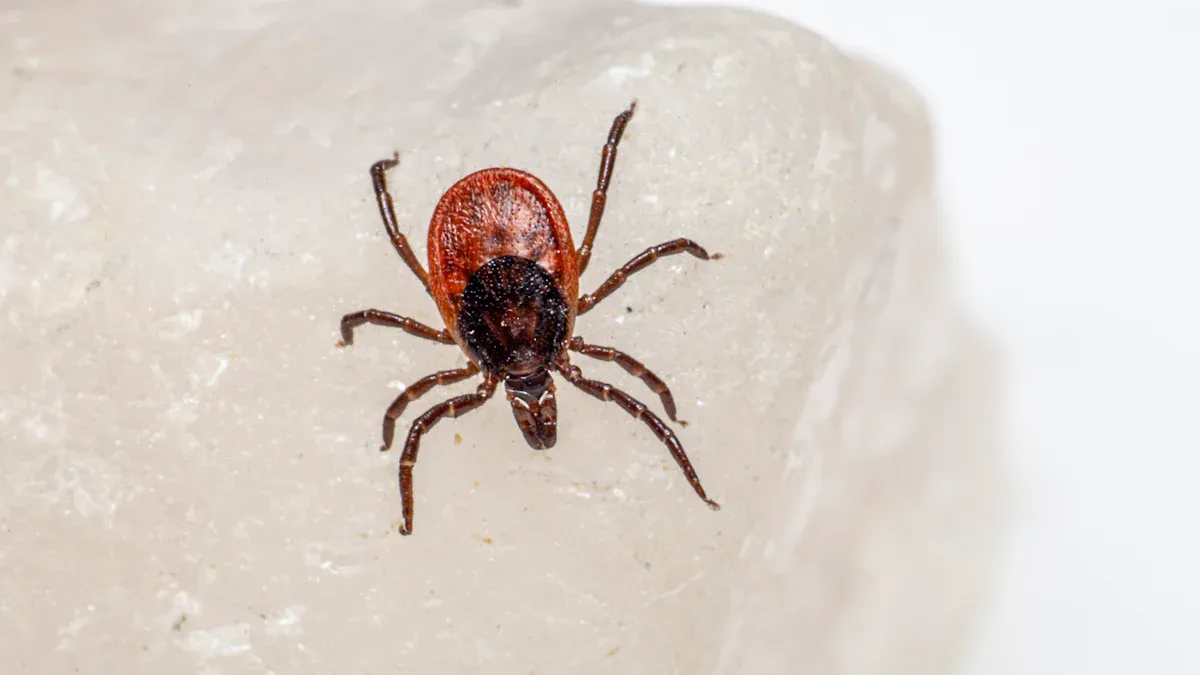
Using diatomaceous earth is a great way to get rid of ticks in various environments. Whether you want to protect your pets, your yard, or your home, there are effective methods to apply this natural remedy.
Applying on Pets
When it comes to keeping your furry friends safe from ticks, applying diatomaceous earth can be a game-changer. Here’s how to do it safely and effectively:
Use only food-grade diatomaceous earth. This ensures that your pets stay safe while benefiting from its tick-fighting properties.
Lightly dust your pet’s coat. Focus on areas like the neck, tail, and back, but avoid sensitive spots like the eyes and nose.
Make sure your pet’s fur is dry. This helps the powder adhere better and work more effectively.
Rub the powder into the fur. This allows it to reach the skin, where it can do its job best.
Tip: Apply diatomaceous earth before your pet goes outside, especially in areas where ticks are likely to be present.
While using diatomaceous earth is generally safe, keep an eye on your pets for any adverse reactions. Some pets may experience mild irritation, so it’s wise to monitor them closely after application.
Outdoor Application
To create a bite-free yard, you can use diatomaceous earth outdoors. Here’s how to apply it effectively:
Sprinkle it in areas where ticks are likely to hide. This includes tall grass, shrubs, and around the perimeter of your yard.
Reapply after rain or irrigation. Moisture can reduce the effectiveness of diatomaceous earth, so make sure to refresh the application after wet weather.
During active infestations, reapply every 7-10 days. This helps maintain tick control until you see a significant reduction in their numbers.
Condition | Effect on Diatomaceous Earth |
|---|---|
Dry Environment | Most effective |
Humid Environment | Less effective due to clumping |
After Rainfall | Loses ability to adhere and damage exoskeletons |
Diatomaceous earth works best in dry conditions. If you live in a humid area, consider applying it in sheltered spots to maximize its effectiveness.
Indoor Use
Using diatomaceous earth indoors can help you manage ticks that may have made their way into your home. Here’s how to do it:
Dust areas where ticks might hide. Focus on corners, under furniture, and near pet bedding.
Vacuum regularly. After vacuuming, reapply diatomaceous earth to maintain its effectiveness.
Monitor for any signs of irritation. While diatomaceous earth is generally safe, some people may experience mild irritation if they inhale the dust. Wearing a dust mask and gloves during application can help prevent this.
Note: Always use food-grade diatomaceous earth indoors to ensure safety for both humans and pets.
By following these methods, you can effectively get rid of ticks using diatomaceous earth in various settings. It’s a natural and eco-friendly way to protect your loved ones from these pesky pests.
Using diatomaceous earth for tick control offers a safe and effective alternative to chemical treatments. Many pet owners have shared positive experiences, noting how ticks fell off their pets after application. Remember to apply it correctly to avoid common mistakes, like using it near pets.
Tip: Always choose food-grade diatomaceous earth for safety.
Try it out and let us know how it works for you!
FAQ
How often should I apply diatomaceous earth?
You should reapply diatomaceous earth every 7-10 days, especially after rain or irrigation, to maintain its effectiveness against ticks.
Is diatomaceous earth safe for pets?
Yes, food-grade diatomaceous earth is safe for pets. Just avoid applying it near their eyes and nose to prevent irritation.
Can I use diatomaceous earth indoors?
Absolutely! You can dust areas indoors where ticks might hide, like corners and under furniture, using food-grade diatomaceous earth for safety.