

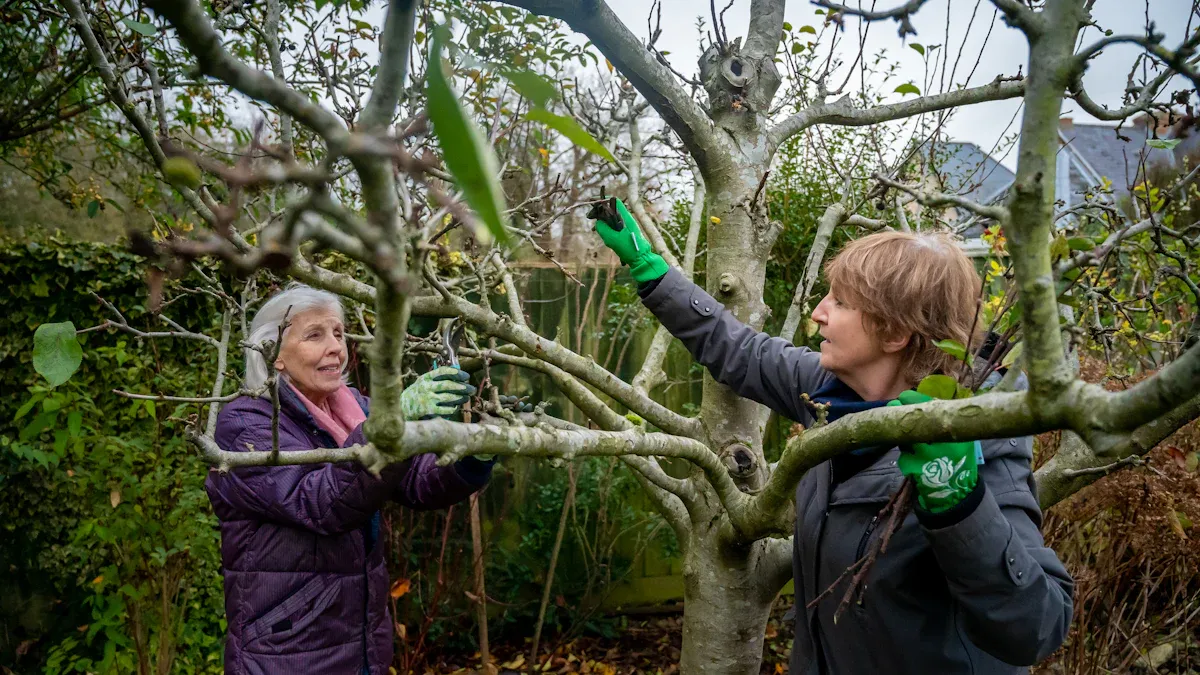
Pruning your Streptocarpus plant is vital for its shape and overall health. Regularly trimming your Streptocarpus plant helps maintain a vibrant appearance and encourages fresh growth. Many growers worry about when to prune or how much to cut. Here are some common concerns:
Trim Streptocarpus plant regularly to maintain its shape and health.
Regular removal of dead or damaged leaves is necessary to encourage new growth.
Timing of pruning is crucial; it should be done after flowering to promote fresh growth.
By following proper techniques, you can ensure your plant thrives and flourishes.
Key Takeaways
Prune your Streptocarpus plant after flowering to promote fresh growth and enhance blooming.
Use sharp pruning shears and disinfect your tools to prevent disease spread before and after pruning.
Regularly remove dead or damaged leaves to maintain plant health and improve appearance.
Monitor your plant’s health after pruning by checking for signs of stress and adjusting care as needed.
Avoid over-pruning; keep at least 50% of the foliage intact to ensure effective photosynthesis.
Tools to Trim Streptocarpus Plant
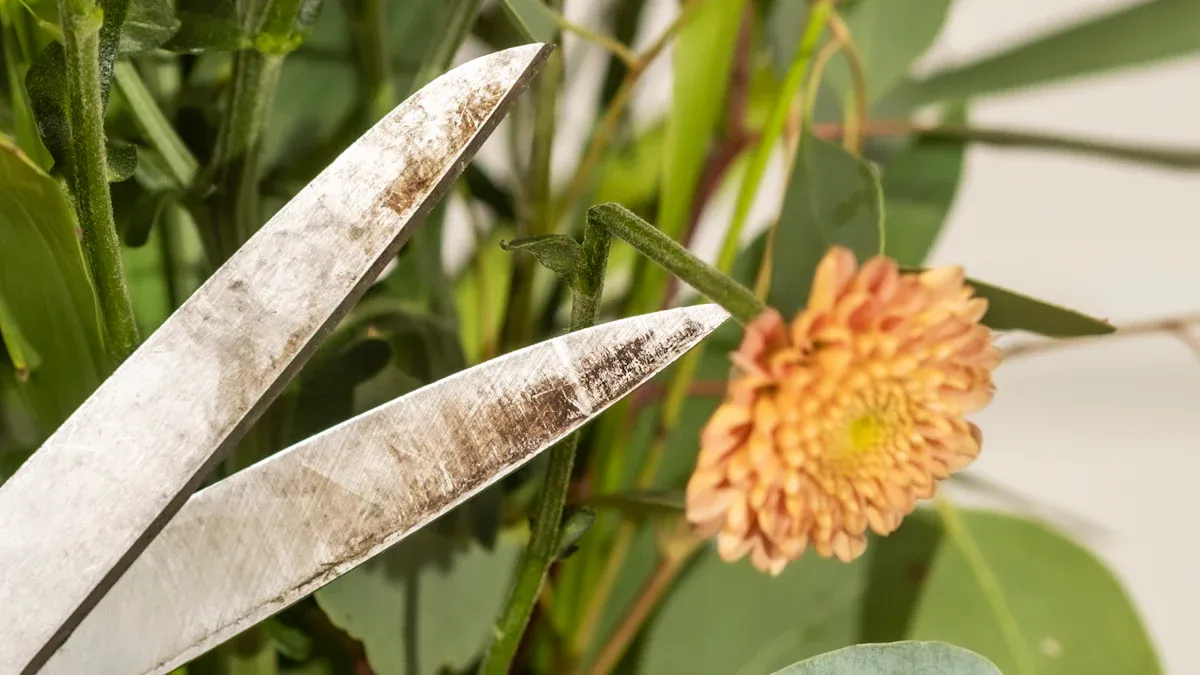
Recommended Pruning Tools
To effectively prune your Streptocarpus plant, you need the right tools. Here are some essential tools you should have:
Pruning Shears: These are your primary tool for cutting stems and leaves. Choose a pair that feels comfortable in your hand.
Scissors: A good pair of scissors can help with smaller cuts and delicate work.
Gloves: Protect your hands from sharp edges and any potential irritants.
Cleaning Solution: Use a solution of water and rubbing alcohol to disinfect your tools before and after use. This prevents the spread of diseases.
Preparing Your Tools
Before you start pruning, it’s important to prepare your tools properly. Here’s how to do it:
Clean Your Tools: Disinfect your pruning shears and scissors with a cleaning solution. This step is crucial to avoid introducing any pathogens to your plant.
Check for Sharpness: Ensure that your shears and scissors are sharp. Dull tools can damage the plant and make the pruning process harder.
Organize Your Workspace: Set up a clean area where you can easily access your tools. This will help you work efficiently and safely.
By using the right tools and preparing them properly, you can ensure a successful pruning session for your Streptocarpus plant. This preparation will help you achieve optimal growth and maintain the health of your plant.
Best Time to Prune Streptocarpus
After Flowering
The best time to prune your Streptocarpus plant is right after it finishes flowering. This timing is crucial for promoting new growth. When you trim the plant after it blooms, you help it redirect energy into producing fresh leaves and flowers.
Removing dead or yellowing leaves and spent flowers enhances the plant’s appearance. It also encourages further blooming. In fact, regular grooming and pruning are essential. You should focus on removing old leaves that have already produced several bloom stalks. This practice prevents overcrowding and competition among leaves, which can negatively impact blooming.
It is important to note that trimming leaves can be done with minimal impact on blooming. Many plants with significantly pruned leaves still exhibit heavy blooming. Therefore, you can confidently prune your Streptocarpus after flowering to ensure it remains healthy and vibrant.
Seasonal Signs
You should also pay attention to seasonal signs that indicate when your Streptocarpus needs pruning. Here are some key signs to look for:
Seasonal Sign | Action Required |
|---|---|
After flowering | Prune to encourage new growth |
Dead or yellowing leaves | Remove to maintain health and appearance |
Spent flowers | Remove to keep the plant tidy |
When you notice spent flowers or damaged leaves, it’s time to act. These signs indicate that your plant is ready for pruning. By addressing these issues promptly, you help your Streptocarpus redirect its energy into producing fresh growth.
Pruning should occur after flowering to promote new growth. This practice not only stimulates the plant’s health but also enhances the likelihood of flowering in future cycles. Remember, proper timing and frequency of pruning can significantly impact your plant’s overall vitality.
Pruning Techniques
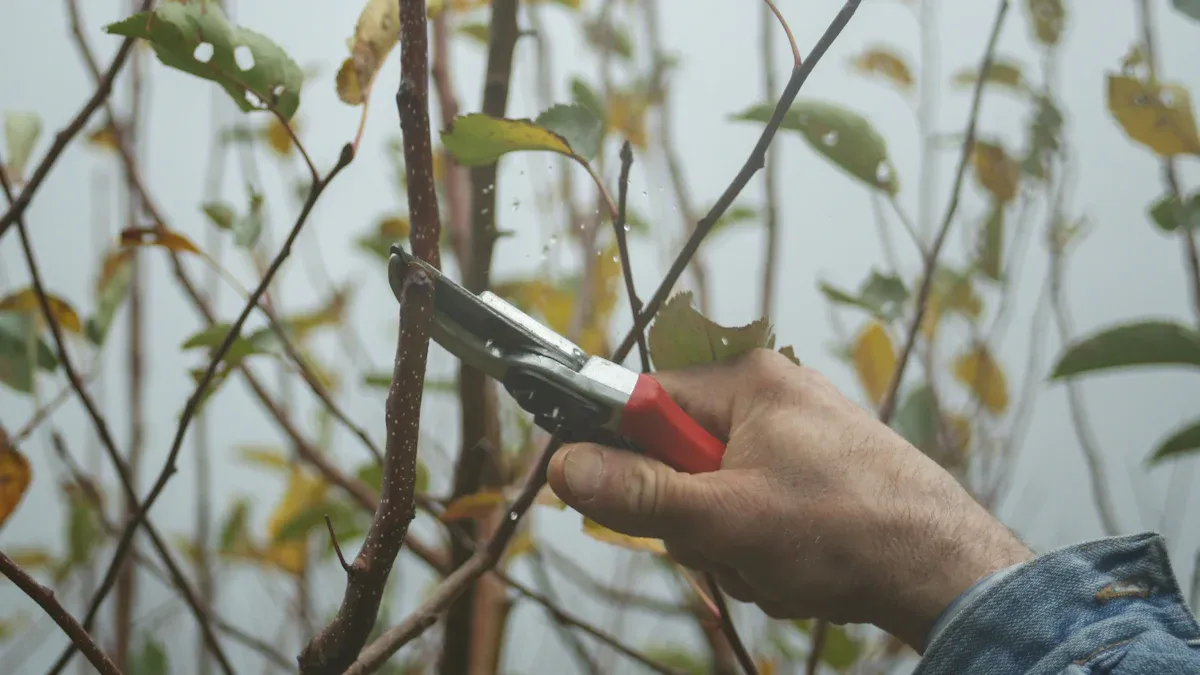
Deadheading and Thinning
Deadheading is an essential technique for maintaining the health and appearance of your Streptocarpus plant. This process involves removing spent flowers to encourage new blooms. Here’s how to effectively deadhead and thin your plant:
Remove Spent Flowers: Cut off flowers that have wilted or faded. This action prevents the plant from wasting energy on old blooms and redirects it toward producing new ones.
Thin Out Overcrowded Leaves: If your plant has many overlapping leaves, thin them out. This practice improves air circulation and light penetration, which are vital for healthy growth.
By regularly deadheading and thinning your Streptocarpus, you promote a tidy appearance and enhance blooming potential.
Cutting Damaged Leaves
Cutting damaged leaves is crucial for preventing disease spread in your Streptocarpus. Here’s how to do it effectively:
Identify Damaged Leaves: Look for leaves that are yellowing, wilting, or showing signs of disease. These leaves can drain energy from the healthy parts of the plant.
Make Clean Cuts: Use sharp pruning shears to cut damaged leaves at the base. This method minimizes stress on the plant and reduces the risk of disease spreading to healthy foliage.
Monitor Growing Conditions: After removing damaged leaves, check your plant’s growing conditions. Overwatering can lead to leaf damage, so ensure your watering practices are appropriate.
By cutting damaged leaves promptly, you help your Streptocarpus maintain its health and vitality.
Encouraging Bushier Growth
To encourage bushier growth in your Streptocarpus, you should focus on strategic pruning techniques. Here are some effective methods:
Prune After Flowering: This timing is ideal for promoting bushier growth. Remove spent flowers and any dead or yellowing leaves. This practice not only tidies up the plant but also stimulates new growth.
Pinch Back Growth: Gently pinch back the tips of stems. This action encourages the plant to branch out, resulting in a fuller appearance.
Maintain Air Circulation: Ensure that your plant has enough space between leaves. This practice enhances air circulation, which is essential for preventing mold and promoting healthy growth.
By implementing these techniques, you can shape your Streptocarpus into a lush and vibrant plant.
Summary of Pruning Techniques
In summary, effective pruning techniques for your Streptocarpus include deadheading and thinning, cutting damaged leaves, and encouraging bushier growth. Each method plays a vital role in maintaining the health and beauty of your plant. Regular attention to these techniques will ensure your Streptocarpus thrives and produces stunning blooms.
Aftercare for Your Streptocarpus
Watering and Fertilizing
After you trim your Streptocarpus plant, proper watering and fertilizing are essential for recovery and growth. Here are some key points to remember:
Watering Schedule:
Keep your Streptocarpus moist but not soggy.
Water when the top of the soil feels dry.
Regular watering will not harm the plant if the potting media is porous.
Fertilizing:
Use a balanced, water-soluble fertilizer.
Fertilize every 4-6 weeks during the growing season to promote healthy growth.
Reduce fertilization as the plant enters dormancy to prevent nutrient buildup.
For optimal results, consider using Dyna Grow’s Foliage Pro. This fertilizer supports lush foliage, which enhances flowering. Adding 1/4 tsp of Epsom Salt to the fertilizer water can also improve leaf color and blooming.
Monitoring Health
Monitoring your Streptocarpus after pruning is crucial for ensuring its health. Here are some indicators to watch for:
Watering: Ensure the compost is dry on the surface before watering. Avoid over-watering to prevent root damage.
Feeding: Start feeding with a high potash fertilizer when roots grow through the drainage holes. Continue this from spring to autumn.
General Care: Regularly trim dead flowers and old leaves. Adjust watering and feeding as the plant transitions through seasons.
Additionally, check for pests and signs of stress regularly. Early detection can prevent larger issues down the line. By following these aftercare tips, you will help your Streptocarpus thrive and flourish.
Common Mistakes to Avoid
Over-Pruning
Over-pruning can harm your Streptocarpus plant more than help it. When you remove too many leaves or stems, you risk stunting its growth. This mistake often occurs when you aim for a tidy appearance. However, remember that your plant needs enough foliage to photosynthesize effectively.
To avoid over-pruning, follow these tips:
Limit Your Cuts: Only remove dead or damaged leaves. Aim to keep at least 50% of the foliage intact.
Prune Gradually: If you feel the need to trim significantly, do it in stages. This approach allows your plant to adjust and recover between sessions.
Ignoring Signs of Stress
Ignoring signs of stress can lead to serious issues for your Streptocarpus. You should always be vigilant for visual symptoms that indicate your plant is struggling. Common signs include:
Black Spots: These can signal distress. Don’t mistake them for natural patterns.
Yellowing Leaves: This often accompanies black spots and hints at deeper problems.
Texture Changes: Some spots may be raised or sunken, indicating different issues.
By recognizing these signs early, you can take action to remedy the situation. For instance, if you notice yellowing leaves or black spots, check your watering habits. Adjusting your care routine can help your plant recover and thrive.
In summary, proper pruning techniques and aftercare are essential for the health of your Streptocarpus plants. You should trim your Streptocarpus plant after flowering to promote new growth and remove any yellowing leaves or old flower stems. Remember to provide the right conditions for your plant. Ensure it receives adequate light, maintain appropriate temperatures, and water it correctly. Following these tips will help your Streptocarpus thrive and produce beautiful blooms. Embrace these practices, and watch your plant flourish!
FAQ
How often should I prune my Streptocarpus plant?
You should prune your Streptocarpus plant after each flowering cycle. This practice helps maintain its shape and encourages new growth.
What is the best way to propagate Streptocarpus?
To propagate Streptocarpus, take leaf cuttings and place them in moist soil. Ensure you keep the soil consistently damp until roots develop.
Can I grow Streptocarpus indoors?
Yes, you can grow Streptocarpus indoors. Provide bright, indirect light and maintain humidity for optimal growth.
How do I know if my Streptocarpus needs water?
Check the top inch of the soil. If it feels dry, it’s time to water your Streptocarpus. Avoid overwatering to prevent root rot.
What type of soil is best for planting Streptocarpus?
Use a well-draining potting mix that retains moisture but allows excess water to escape. A mix designed for African violets works well.