
Trimming milkweed plants can significantly benefit local wildlife, especially monarch butterflies. When you trim milkweed plants, you create an inviting environment for these beautiful insects. Pruning attracts egg-laying monarchs, enhancing their reproductive opportunities. Additionally, studies show that monarch caterpillars thrive better on regrowing milkweed stems than on undisturbed ones. This simple act of trimming milkweed plants not only supports the health of your garden but also plays a crucial role in sustaining butterfly populations.
Key Takeaways
Trimming milkweed plants supports local wildlife, especially monarch butterflies, by creating a better environment for egg-laying and caterpillar growth.
Prune milkweed in the fall, around Christmas, to promote healthy regrowth and prevent disease. Cut plants back to about 6 inches tall.
Deadhead spent flowers to encourage more blooms. This practice helps provide continuous nectar sources for butterflies throughout the growing season.
Use the right tools, like sharp pruning shears and gloves, to ensure clean cuts and protect yourself while trimming milkweed.
Understanding the differences between annual and perennial milkweed helps you choose the best varieties for your garden, enhancing butterfly attraction.
Milkweed Types
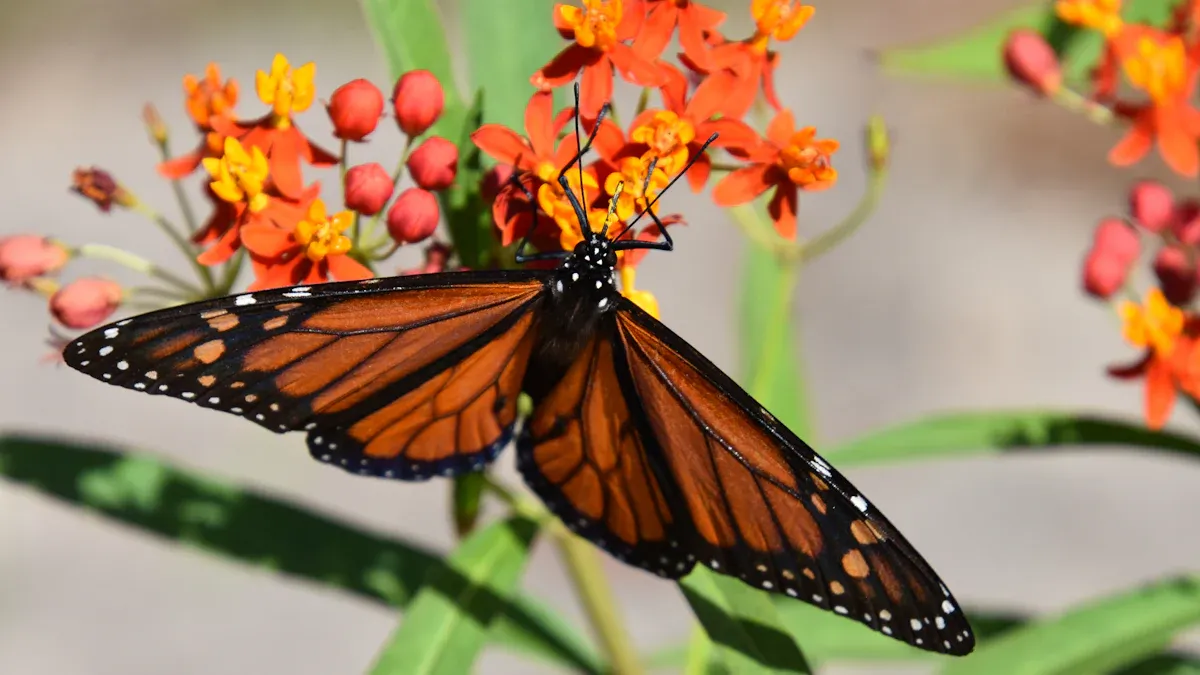
Annual vs. Perennial
When you explore milkweed types, you will notice two main categories: annual and perennial. Annual milkweed species, such as Common Milkweed and Tropical Milkweed, complete their life cycle in one growing season. They grow from seed, flower, and then die off. In contrast, perennial milkweed species live for multiple growing seasons. They return year after year, providing a consistent habitat for wildlife.
Common Varieties
You can find several common varieties of milkweed cultivated in North America. Here are some notable examples:
Asclepias syriaca (common milkweed)
Asclepias incarnata (swamp milkweed)
Asclepias tuberosa (butterflyweed)
Asclepias verticillata (whorled milkweed)
Asclepias exaltata (poke milkweed)
Among these, Asclepias tuberosa, also known as butterflyweed, and Asclepias incarnata, or swamp milkweed, are particularly popular for attracting butterflies.
Additionally, keep in mind that Tropical Milkweed, while not native to the United States, remains green throughout the winter. This continuous growth can disrupt the migration patterns of monarch butterflies. To help maintain a healthy ecosystem, consider pruning tropical milkweed back to the ground each fall. This mimics natural seasonal cycles and supports the well-being of local butterfly populations.
By understanding the differences between annual and perennial milkweed, as well as recognizing common varieties, you can make informed choices for your garden. This knowledge will help you create a thriving environment for monarchs and other beneficial insects.
Timing for Trimming
Seasonal Pruning
Timing plays a crucial role in the health of your milkweed plants. The best time to prune varies depending on the type of milkweed and your climate. In temperate climates, you should aim to trim your milkweed plants in the fall, around Christmas. Here are some key points to consider:
Cut milkweed down to a few inches above the ground to prevent pathogen infection.
Another effective method is to cut back all growth to about 6 inches tall at the end of the growing season.
For native milkweed found in USDA zones 3 through 9, the plants naturally die back in the fall, signaling that it’s time for pruning.
Tropical milkweed, however, behaves differently. It retains its growth in warmer climates, which can affect when you should prune. To manage its growth and support monarch butterflies, you may need to adjust your pruning schedule accordingly.
Signs for Pruning Back Milkweed
Recognizing the right signs for pruning can enhance your milkweed’s health and flowering potential. Here are some seasonal indicators that suggest your milkweed plants are ready for pruning:
Seasonal Indicator | Description |
|---|---|
Transition of flowers into seed pods | This indicates that the plant is ready for pruning to prevent self-seeding. |
Plant’s die-back in fall | Native milkweed will die back at the end of the growing season, signaling the time for pruning. |
Pruning at the wrong time can hinder flower formation. If you cut back too much or at inappropriate times, your plants may not have enough time to recover and develop blooms before the growing season ends. Additionally, improper timing can expose your milkweed to environmental stressors and pests, impacting overall health.
Trimming tropical milkweed during the fall and winter months is essential. This practice helps the plants die back, reducing the likelihood of monarch butterflies breeding on infected plants. By managing the timing of your pruning, you can control the spread of the OE parasite among monarchs, which is crucial for their health and survival.
To maximize flowering and seed production, consider these tips:
Deadhead spent flowers in early to mid-summer to promote further blooming.
After the first flush of flowers, cut off the flower cluster above the topmost leaves.
Allow the plant to produce seed pods in the fall by only deadheading the first flush.
By following these guidelines, you can ensure that your milkweed plants thrive and continue to support the local butterfly population.
Techniques to Trim Milkweed Plants
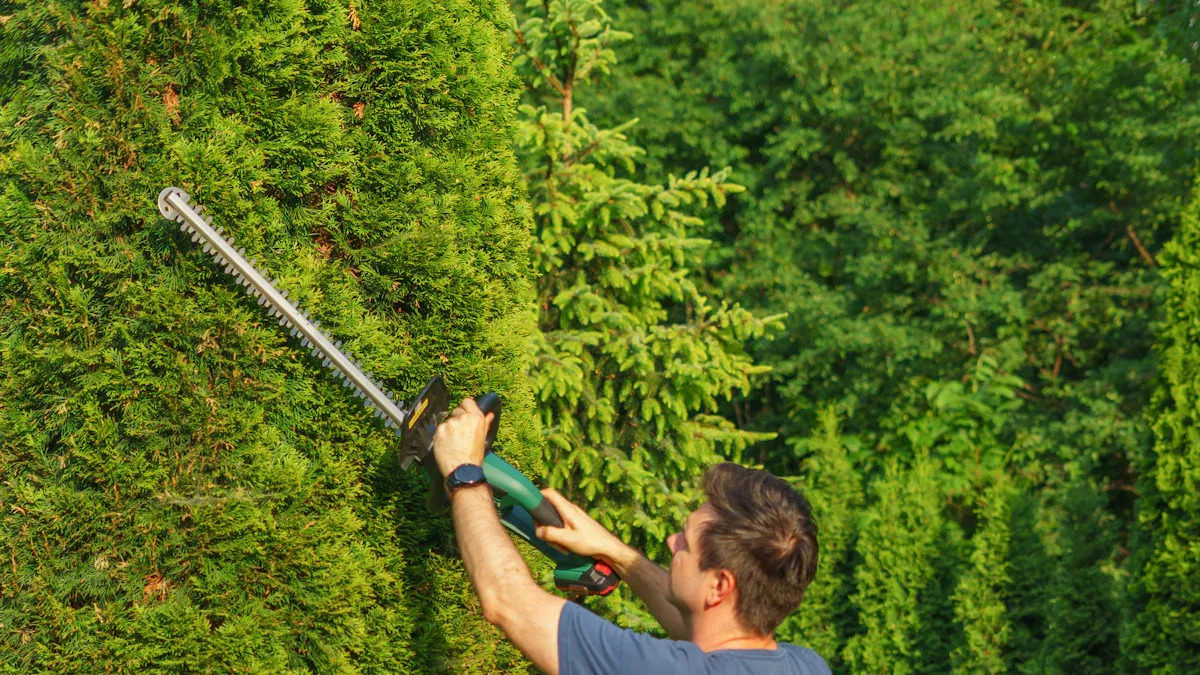
Pruning Methods
To effectively trim milkweed plants, follow these step-by-step instructions:
Inspect the Plant: Start by examining your milkweed for any dead or damaged growth. You can cut back this growth at any time to promote healthier plants.
Remove Spent Flowers: As flowers fade or turn into seed pods, remove them promptly. This action prevents the plant from self-seeding and encourages new blooms.
Cut Back in Fall: At the end of the growing season, prune the entire plant back to about 6 inches tall. This practice maintains a tidy appearance and discourages butterflies from overwintering on the plants.
These methods not only enhance the aesthetic of your garden but also encourage healthy regrowth. By trimming milkweed plants, you create a more inviting environment for monarch butterflies and other pollinators.
Tools for Pruning
Using the right tools is essential for effective pruning. Here’s a list of recommended tools to minimize damage while trimming milkweed:
Pruning Shears: Use sharp pruning shears for clean cuts. This tool helps you remove dead or damaged growth easily.
Loppers: For thicker stems, loppers provide the leverage needed to make clean cuts without damaging the plant.
Gloves: Protect your hands with gardening gloves. This precaution helps you avoid contact with the plant’s sap, which can be irritating.
Trowel: A trowel can assist in digging up any unwanted seedlings that may sprout from self-seeding.
By equipping yourself with these tools, you can ensure a smooth and effective pruning process. Remember, proper pruning techniques and the right tools will lead to healthier milkweed plants and a thriving garden ecosystem.
Maintenance After Pruning
Post-Pruning Care
After you finish pruning back milkweed, proper care is essential for healthy growth. Follow these steps to ensure your plants recover well:
Inspect the plant for any dead or damaged growth. You can cut it back at any time to promote healthier plants.
Remove spent flowers as soon as they start to fade. This action prevents self-seeding and encourages new blooms.
At the end of the growing season, trim all branches back to about 6 inches. This practice maintains a tidy appearance and discourages butterflies from overwintering.
Additionally, consider mulching around your milkweed plants. Mulch helps retain moisture and control weeds. However, not all milkweed varieties respond positively to mulch. For example, swamp milkweed thrives with added moisture, while common milkweed and butterfly weed prefer drier conditions. Adjust your mulching strategy based on the specific needs of your milkweed variety.
Deadheading Milkweed
Deadheading is a crucial maintenance task that benefits your milkweed plants. By removing faded flowers, you encourage the plant to produce more blooms. This practice prolongs the blooming season by redirecting energy from seed production to new flowers. This is especially beneficial for annual milkweed, which has a limited lifespan. Maximizing bloom time enhances the beauty of your butterfly garden and supports local pollinators.
In summary, trimming milkweed plants is essential for creating a thriving environment for monarch butterflies and other pollinators. Regular pruning promotes healthier growth and increases the availability of vital nectar sources. Here are some key benefits of maintaining healthy milkweed stands:
Milkweed serves as a crucial nectar source for pollinators, enhancing their habitat.
Pruning encourages robust growth, supporting the reproduction of eastern and western monarchs.
Healthy milkweed populations play a significant role in the migration and overall health of monarchs.
By following the tips outlined in this guide, you can contribute to the well-being of these beautiful insects and enjoy a vibrant garden. Happy gardening! 🌱🦋
FAQ
What is the best time to prune milkweed plants?
You should prune milkweed plants in the fall, around Christmas. This timing helps prevent pathogen infection and encourages healthy regrowth for butterflies in the spring.
How does pruning benefit butterflies?
Pruning milkweed creates a healthier environment for butterflies. It encourages new growth, which provides better food sources for caterpillars and adult butterflies.
Can I prune tropical milkweed in winter?
Yes, you can prune tropical milkweed in winter. This practice helps manage its growth and reduces the risk of disease, supporting the health of butterflies.
Should I deadhead milkweed flowers?
Yes, deadheading milkweed flowers is beneficial. It encourages the plant to produce more blooms, providing additional nectar sources for butterflies throughout the growing season.
How do I know if my milkweed needs pruning?
Look for signs like dead or damaged growth and the transition of flowers into seed pods. These indicators suggest it’s time to prune for the benefit of butterflies.