
Repotting your paddle plant is essential for its health and growth. It helps tackle issues like overwatering, which can cause squishy leaves, and nutrient deficiencies that arise as the plant grows. To keep your paddle plant thriving, consider repotting it when it doubles in size or at least once a year.
Key Takeaways
Repot your paddle plant every 2-3 years or when you see signs of root-bound conditions, like roots growing out of drainage holes.
Choose a pot that is 1-2 inches larger in diameter than the current one to allow for healthy root growth and prevent overwatering.
Use a well-draining soil mix, such as commercial succulent soil or a DIY blend, to keep your paddle plant healthy and thriving.
When to Repot Paddle Plant
Signs of Needing Repotting
You might wonder how to tell if your paddle plant needs repotting. Here are some clear signs to look for:
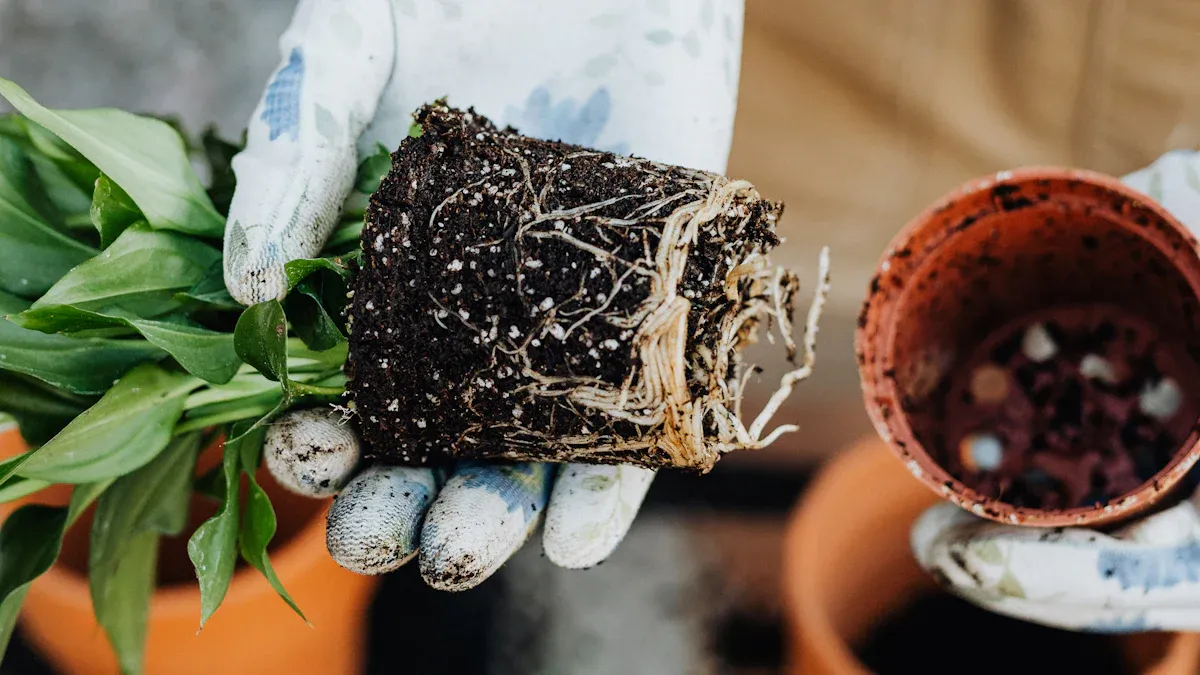
Root-bound condition: If you notice roots growing out of the drainage holes or circling around the pot, your plant is root-bound. This means it has outgrown its current pot and needs more space.
Nutrient deficiencies: A root-bound plant struggles to absorb essential nutrients. You may see signs like leaf discoloration or weak stems. These are clear indicators that your plant isn’t getting what it needs.
Frequent watering needs: If you find yourself watering your paddle plant more often than usual, it might be due to limited root space. A cramped root system can lead to rapid depletion of water and nutrients.
Poor growth: If your paddle plant seems to be stunted or isn’t producing new leaves, it could be a sign that it’s time to repot. A healthy root system is crucial for overall growth.
Timing Considerations
When should you repot your paddle plant? Experts recommend doing it every 2-3 years. This timeframe allows your plant to thrive in fresh soil and gives it room to grow. However, if you notice any of the signs mentioned above, don’t wait for the annual schedule.
Repotting once a year is ideal for younger plants that grow quickly. As your paddle plant matures, you can adjust the frequency based on its growth rate. Remember, repotting is not just about changing the pot; it’s about giving your plant the best chance to flourish.
By keeping an eye on these signs and understanding the right timing, you can ensure your paddle plant stays healthy and vibrant.
Pot Selection
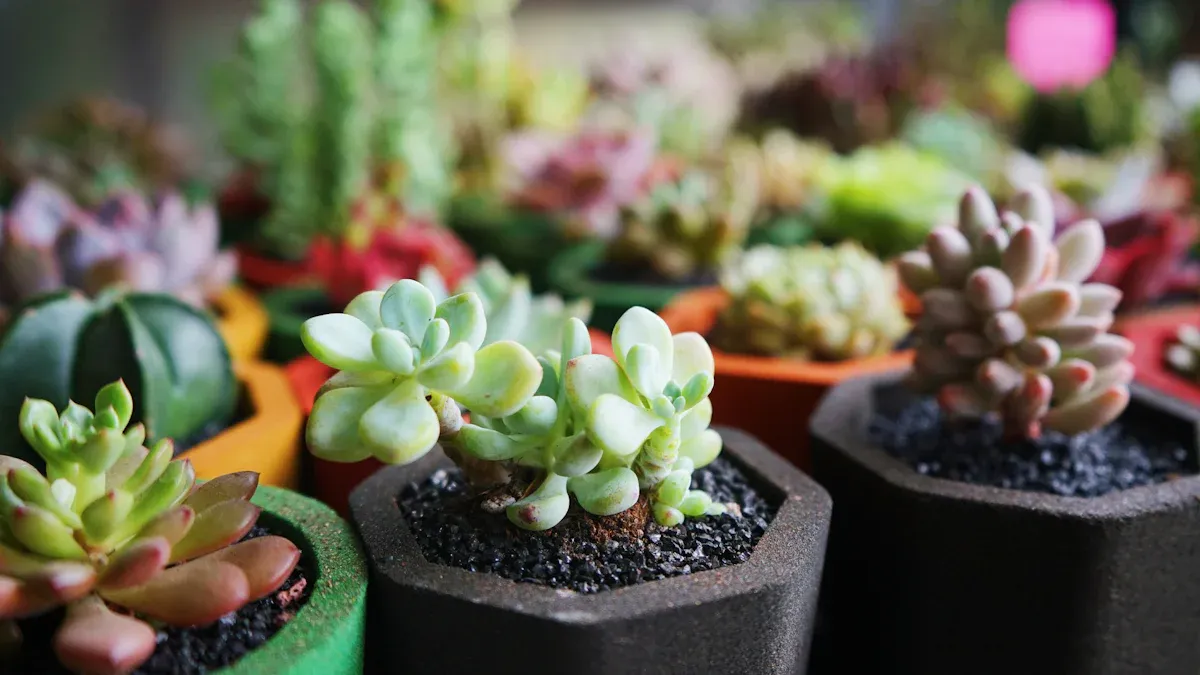
Choosing the right pot for your paddle plant is crucial for its growth. Let’s dive into the key factors you should consider.
Size and Depth
When selecting a pot, size matters! A pot that’s too small can restrict root growth, while one that’s too large can hold excess moisture. Aim for a pot that’s about 1-2 inches larger in diameter than the current one. This extra space allows your plant to grow without becoming root-bound.
Depth is equally important. Paddle plants thrive with roots that can spread out. Here’s a quick look at how root depth influences growth:
Root Depth (inches) | Root Spread (feet) |
|---|---|
6 to 12 | Up to 2 |
A deeper pot gives roots room to expand, promoting healthier growth.
Material Options
Now, let’s talk about pot materials. You have several options, each with its pros and cons:
Terracotta Pots:
Advantages: They’re porous, allowing air and moisture to reach the roots. They also provide good drainage, which is essential for paddle plants.
Disadvantages: They can dry out quickly and may crack in cold weather.
Ceramic Pots:
Advantages: These pots hold moisture longer and come in various designs, adding aesthetic appeal to your space.
Disadvantages: They offer less airflow compared to terracotta and can be heavier.
Plastic Pots:
Advantages: Lightweight and flexible, they retain moisture well, making them suitable for plants that need consistent watering.
Disadvantages: They don’t insulate as well, which can lead to temperature fluctuations that harm your plant.
Remember, good drainage is key! Ensure your pot has drainage holes to prevent water buildup. This helps maintain the right moisture levels, keeping your paddle plant healthy and happy.
Soil Selection
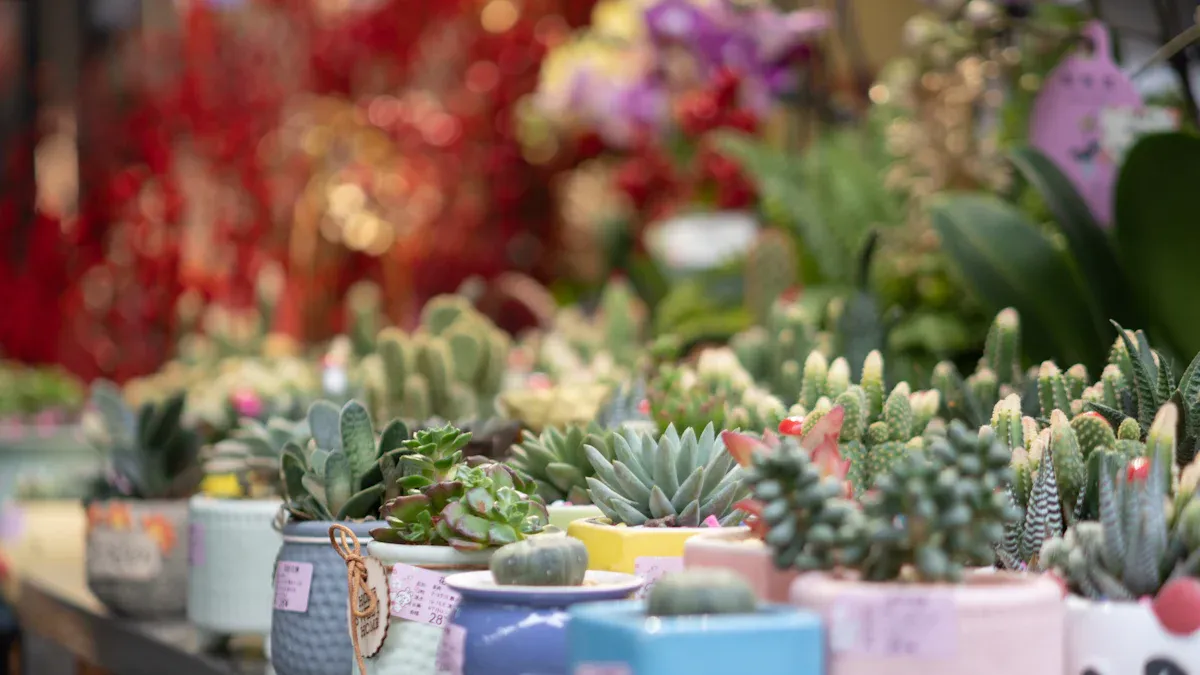
Choosing the right soil is vital for your paddle plant’s health. A well-draining mix helps prevent issues like root rot and nutrient deficiencies. Here’s what you need to know about soil selection.
Well-Draining Mix
For paddle plants, a well-draining succulent mix is ideal. You can use commercial cactus soil or create your own blend. Here are some options:
Commercial succulent mix: Convenient and ready to use.
Cactus soil: Designed for plants that need excellent drainage.
DIY mix: Combine potting soil with stones like zeolite or maifanitum for added drainage.
Using the right soil composition ensures your plant thrives. Paddle succulents prefer slightly acidic soil, so aim for a pH range of 6.0 to 7.0.
Soil Preparation Tips
Before you repot your paddle plant, prepare the soil to enhance drainage. Here are some amendments you can add:
Amendment | Benefits |
|---|---|
Sand | Keeps soil loose and improves drainage. |
Perlite | Provides quick aeration and water movement. |
Compost | Enhances drainage, fertility, and soil health. |
Shredded leaves | Improves soil structure and drainage. |
Manure | Adds nutrients and improves soil texture. |
Coarse sand + organic | Effective for heavy clay soils. |
By mixing these amendments into your soil, you’ll create an environment where your paddle plant can flourish. Remember, poor drainage can lead to serious problems like wilting leaves and root decay. So, take the time to prepare your soil properly before you repot your paddle plant!
Step-by-Step Repotting Process
Repotting your paddle plant can seem daunting, but with the right steps, you can do it smoothly. Let’s break down the process into manageable parts.
Preparation Before Repotting
Before you start, gather your tools and materials. Here’s what you’ll need:
A new pot with drainage holes (at least 10% larger than the old one)
Well-draining soil mix
Gloves to protect your hands from the plant’s toxic sap
Optional: A layer of gravel for improved drainage
Now, let’s prepare for the big move. Follow these steps to minimize transplant shock:
Prepare the New Site: Ensure the new pot has well-prepared soil. Avoid repotting during extreme weather conditions.
Handle Roots with Care: When you remove the plant, disturb the roots as little as possible. If it’s root-bound, gently tease apart the roots.
Water Wisely: Keep the soil consistently moist but not soggy before repotting.
Mulch: Consider applying mulch to retain moisture and regulate temperature after repotting.
Shade and Shelter: Provide temporary shade for your plant to reduce stress from sunlight.
Fertilize Cautiously: Avoid fertilizing immediately after transplanting to prevent root burn.
Prune if Necessary: If you notice any damaged leaves, prune them to help balance the root loss.
Removing the Plant
Now that you’re prepared, it’s time to remove your paddle plant from its old pot. Here’s how to do it safely:
Water the plant thoroughly a day before repotting. This makes the roots and soil more pliable.
If you see roots coming out of the drainage holes, trim them to facilitate removal.
Turn the pot upside down and gently tap it against a hard surface to free the root ball.
For larger plants, lay the plant on its side and hit the bottom of the pot to release the root ball.
If the plant still feels stuck, compress the pot with your hands in a few spots to loosen the root ball.
If needed, use a knife to run around the inside of the pot to free any roots that may be stuck.
Planting in the New Pot
Once you’ve removed the plant, it’s time to plant it in its new home:
Add a layer of gravel at the bottom of the new pot for extra drainage, if desired.
Fill the pot with your well-draining soil mix, leaving enough space for the root ball.
Place the paddle plant in the center of the new pot. Make sure the top of the root ball is level with the rim of the pot.
Gently fill in around the roots with more soil, pressing lightly to eliminate air pockets.
Water the plant thoroughly after planting to help settle the soil around the roots.
By following these steps, you’ll successfully repot your paddle plant and give it the space it needs to thrive. Remember, repotting is a great opportunity to refresh your plant’s environment and promote healthy growth.
Aftercare
After repotting your paddle plant, proper aftercare is crucial for its recovery and growth. Let’s explore some essential tips to keep your plant thriving.
Watering Guidelines
Watering right after repotting is vital. Here’s what you should do:
Water the plant immediately after repotting to help the roots heal and adapt.
Ensure the new soil and drainage holes absorb moisture without waterlogging.
Wait for the top inch of soil to dry out before watering again, typically not more than once a week.
Be cautious not to overwater. Yellowing and mushy leaves are signs of excessive watering. Adjust your schedule if you notice these symptoms.
Light and Temperature
Paddle plants love bright light! They thrive in full sun outdoors or direct sunlight indoors. Position your plant near south-, east-, or west-facing windows to ensure it gets enough bright, direct sunlight.
Keep an eye on the temperature as well. Paddle plants prefer warm conditions, ideally between 65°F and 80°F (18°C to 27°C). Avoid placing them in drafty areas or near cold windows, especially during winter.
By following these aftercare tips, you’ll help your paddle plant adjust to its new home and encourage healthy growth. Remember, a little attention goes a long way in keeping your plant happy!
Repotting your paddle plant is simple and rewarding. Remember to choose the right pot size, use well-draining soil, and follow proper watering guidelines. Here’s a quick comparison of expert recommendations versus common practices:
Aspect | Expert Recommendations | Common Gardening Practices |
|---|---|---|
Soil | Use well-draining soil | Prioritize drainage |
Container Size | At least 2 inches larger than the previous one | Appropriate pot size |
Watering After Repotting | Avoid watering for a week after transplanting | Some suggest immediate watering after repotting |
By following these steps, you’ll help your paddle plant thrive! 🌱
FAQ
How often should I repot my paddle plant?
You should repot your paddle plant every 2-3 years or when you notice signs of being root-bound.
Can I use regular potting soil for my paddle plant?
No, regular potting soil retains too much moisture. Use a well-draining succulent mix instead.
What should I do if my paddle plant has yellow leaves?
Yellow leaves often indicate overwatering. Check the soil moisture and adjust your watering schedule accordingly.