

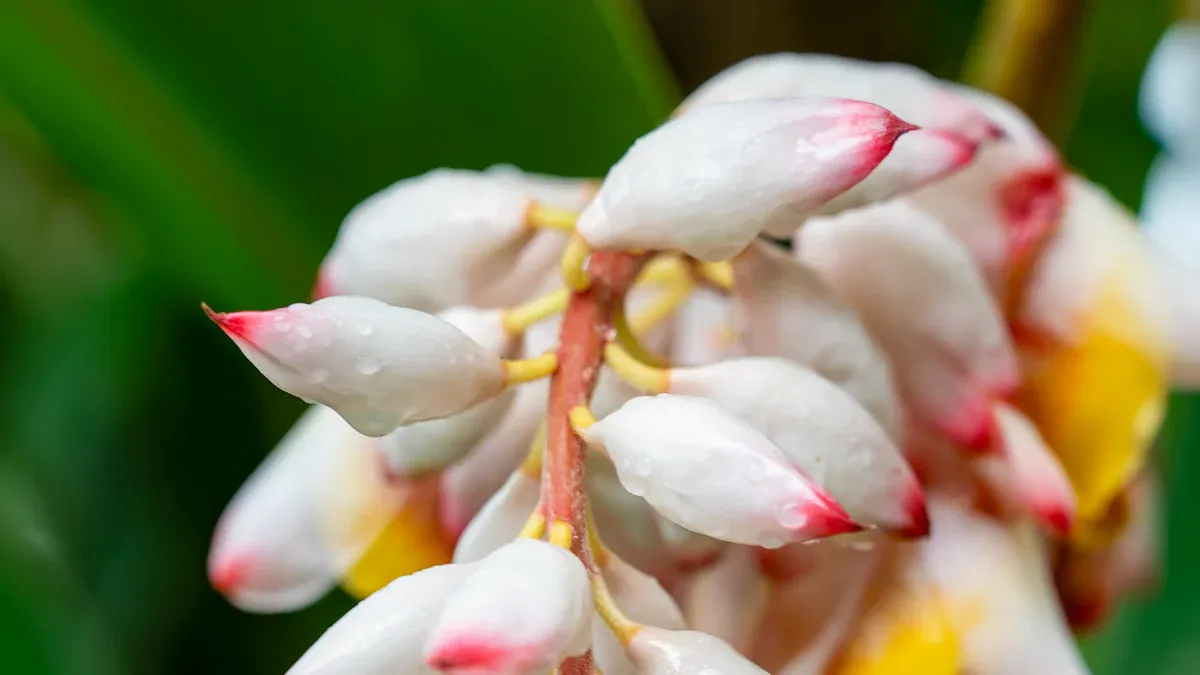
Propagating variegated ginger correctly is crucial for ensuring healthy growth. When you successfully propagate variegated ginger, you not only expand your garden but also experience the joy of nurturing new life. Watching your plants thrive brings immense satisfaction. The process may seem daunting, but with the right techniques, you can enjoy the beauty and vibrancy of these stunning plants in your home.
Key Takeaways
Choose between two main propagation methods: division of rhizomes or stem cuttings. Each method has its benefits, so select the one that suits your gardening style.
Timing is key! Propagate variegated ginger in spring or early summer when the plants are actively growing. This increases your chances of successful rooting.
Use well-drained soil to prevent root rot. A mix that retains moisture but allows excess water to escape is ideal for healthy growth.
Avoid common mistakes like overwatering and inadequate light. Check soil moisture regularly and provide bright, indirect sunlight for optimal plant health.
Propagation Methods
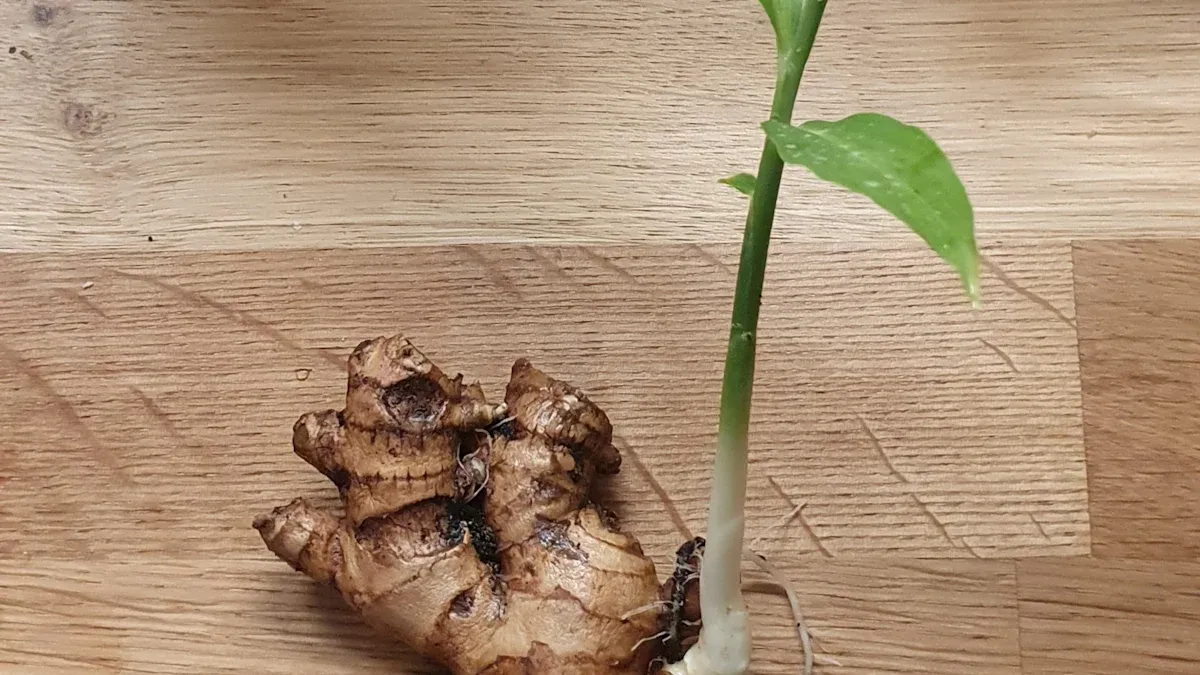
When you decide to propagate variegated ginger, you have two effective methods: division of rhizomes and stem cuttings. Each method has its advantages, and understanding them can help you choose the best approach for your gardening needs.
Division of Rhizomes
Dividing rhizomes is one of the easiest ways to propagate variegated ginger. This method involves separating the underground stems, or rhizomes, into smaller sections. Each section should be about 3 to 6 centimeters long and must contain at least one living bud.
Here’s how to do it:
Prepare Your Tools: Use a sharp, clean knife or garden spade to avoid damaging the plant.
Select a Healthy Plant: Choose a mature variegated ginger plant with multiple stems.
Dig Up the Rhizomes: Carefully lift the plant from the soil, exposing the rhizomes.
Divide the Rhizomes: Cut the rhizomes into sections, ensuring each piece has a bud.
Allow Cut Ends to Seal: After cutting, let the ends dry for a few hours. This step is crucial as it helps seal the cuts, reducing the risk of rot when you plant them.
Tip: Propagation of variegated ginger plants is easy by division. This method allows you to quickly expand your collection while ensuring healthy growth.
Stem Cuttings
Another effective method is using stem cuttings. This technique involves taking a healthy stem from the plant and encouraging it to root in a suitable medium. Here’s how to propagate variegated ginger using stem cuttings:
Choose the Right Stem: Look for a healthy stem with several leaves. The stem should be firm and free from disease.
Cut the Stem: Use a clean knife to cut a section of the stem about 15 to 20 centimeters long. Make the cut just below a node, where leaves emerge.
Prepare the Cutting: Remove the lower leaves, leaving only a few at the top. This helps reduce moisture loss.
Allow Cut Ends to Seal: Just like with rhizomes, let the cut end dry for a few hours. This helps prevent rot.
Plant the Cutting: Place the cutting in a well-draining potting mix. Water it lightly and keep it in a warm, humid environment.
Both methods are effective for propagating variegated ginger. However, remember that successful propagation requires patience and care.
In addition to these methods, micropropagation techniques exist, which involve aseptic culture establishment and shoot regeneration. This advanced method requires specific media and conditions but can yield many plants from a single specimen.
By understanding these propagation methods, you can confidently expand your garden and enjoy the beauty of variegated ginger plants.
Timing for Propagation
Timing plays a crucial role in the successful propagation of variegated ginger plants. Understanding the best seasons and environmental conditions can significantly improve your chances of success.
Best Seasons
The ideal seasons for propagating variegated ginger are spring and early summer. During these times, the temperatures are warmer, and the plants are actively growing. This active growth phase allows the cuttings or divided rhizomes to establish roots more quickly.
Here’s a quick overview of how seasonal temperature affects propagation:
Season | Temperature Care Strategy |
|---|---|
Summer | Provide shade to prevent overheating. |
Winter | Guard against cold; adjust thermostat or relocate plant. |
Environmental Conditions
Creating the right environment is essential for your variegated ginger plants. They thrive in high humidity levels, which mimic their natural tropical habitat. Here are some tips to ensure optimal conditions:
Aim for high humidity levels.
Avoid excessive moisture to prevent issues.
Additionally, keeping your plants away from drafts and heating or cooling vents is crucial. Sudden temperature changes can negatively impact their health and propagation success.
By paying attention to the timing and environmental conditions, you can set your variegated ginger plants up for successful propagation. With the right care, you will enjoy the beauty of these vibrant plants in your garden.
Soil and Care
Well-Drained Soil
To successfully propagate variegated ginger, you need to use well-drained soil. This type of soil retains moisture without becoming soggy. A well-draining potting mix enriched with compost or pine bark works best. Variegated ginger thrives in slightly acidic soil, ideally with a pH range of 6.0 to 6.5. This pH level supports healthy growth and ensures that the plant can absorb essential nutrients effectively.
Here are some characteristics of well-drained soil:
Moisture Retention: It should hold enough moisture to keep the roots hydrated.
Aeration: The soil must allow air to circulate, preventing root suffocation.
Nutrient-Rich: Incorporating organic matter enhances soil fertility.
Tip: Avoid using heavy clay soils, as they can trap water and lead to root rot.
Soil Composition | Description |
|---|---|
Organic Matter | Enhances moisture retention and provides nutrients. |
Sand | Improves drainage and aeration. |
Perlite or Vermiculite | Increases soil aeration and prevents compaction. |
Watering and Light Needs
Watering is crucial for the health of your variegated ginger plants. They require plenty of water, especially during the growing season. However, you must avoid overwatering, as this can lead to root rot. Here are some guidelines for watering:
Frequency: Water when the top inch of soil feels dry.
Method: Water deeply to encourage strong root development.
Drainage: Ensure pots have drainage holes to prevent standing water.
Light is another essential factor. Variegated ginger prefers bright, indirect sunlight. Direct sunlight can scorch the leaves, while too little light can hinder growth. Here’s how to manage light exposure:
Location: Place your plants near a window with filtered light.
Rotation: Rotate the pots every few weeks to ensure even growth.
By providing well-drained soil and meeting the watering and light needs, you can create an ideal environment for your variegated ginger plants. This care will help them thrive and flourish in your garden.
Common Mistakes
Overwatering
Overwatering is a common mistake when propagating variegated ginger plants. Many gardeners think that more water means healthier plants. However, too much water can suffocate the roots and lead to root rot. To avoid this mistake, follow these tips:
Check Soil Moisture: Always check the top inch of soil. If it feels dry, it’s time to water.
Use Well-Draining Soil: Ensure you use a potting mix that allows excess water to escape. This helps prevent soggy conditions.
Watering Schedule: Establish a consistent watering schedule. Water deeply but infrequently to encourage strong root growth.
Tip: Remember, it’s better to underwater than overwater. Your variegated ginger will thrive with a little less water than it needs.
Inadequate Light
Inadequate light is another frequent error. Variegated ginger plants require higher light levels but are sensitive to direct sunlight. Without enough light, your plants may become leggy and lose their vibrant colors. Here’s how to ensure your plants receive the right amount of light:
Provide Bright, Indirect Light: Place your plants near a window where they can receive bright, indirect sunlight. This prevents leaf scorching.
Consider Grow Lights: If natural light is insufficient, consider using grow lights. Aim for at least 8 hours of bright, indirect light daily to support healthy growth.
Rotate Your Plants: Regularly rotate your pots to ensure all sides receive equal light exposure.
By avoiding these common mistakes, you can enhance your chances of successfully propagating variegated ginger plants. With the right care, you will enjoy the beauty of these stunning plants in your garden.
In summary, propagating variegated ginger can be a rewarding experience. You can choose between division of rhizomes and stem cuttings to expand your garden. Remember to consider the best seasons and environmental conditions for successful growth.
By successfully propagating variegated ginger, you contribute to garden biodiversity. For instance, the flowers of variegated shell ginger attract bees and butterflies, enhancing local ecosystems.
With the right methods and care, you can enjoy the vibrant beauty of these plants in your garden. Start your propagation journey today!
Evidence Type | Description |
|---|---|
Pollinator Attraction | The flowers of Noble Ginger attract bees and butterflies, enhancing biodiversity and supporting local ecosystems. |
Biodiversity Support | By attracting pollinators and beneficial insects, Fan Ginger contributes to a thriving ecosystem, essential for a balanced environment. |
FAQ
What is the best way to propagate variegated ginger?
You can propagate variegated ginger through division of rhizomes or stem cuttings. Both methods are effective, but division is often easier for beginners.
How long does it take for variegated ginger cuttings to root?
Typically, variegated ginger cuttings take about 4 to 6 weeks to root. Ensure you provide warm, humid conditions for the best results.
Can I propagate variegated ginger in water?
While you can try propagating in water, it’s best to use well-draining soil. Soil provides better nutrients and support for healthy root development.
How often should I water my newly propagated ginger?
Water your newly propagated ginger when the top inch of soil feels dry. Avoid overwatering to prevent root rot.
What should I do if my variegated ginger leaves turn yellow?
Yellow leaves may indicate overwatering or inadequate light. Check your watering schedule and ensure your plant receives bright, indirect sunlight. Adjust conditions as needed.