
If you’re looking to add a splash of color to your outdoor garden, you might just want to learn how to grow peacock plants! These stunning plants can brighten up your space with their vibrant leaves. However, growing peacock plants comes with its own set of challenges. You’ll want to keep in mind that they thrive in well-draining soil and prefer shaded or filtered light. Plus, maintaining consistent moisture is key; too much or too little water can lead to curling leaves or even root rot. Embrace the beauty of these plants while being mindful of their needs, and you’ll enjoy a thriving garden!
Key Takeaways
Water your peacock plants when the top inch of soil feels dry. This helps maintain consistent moisture without overwatering.
Provide bright, indirect light for 4-6 hours daily. Avoid direct sunlight to protect the vibrant leaves from damage.
Use well-draining soil with a pH level between 5.0 and 6.0. This supports healthy root growth and prevents root rot.
Maintain humidity levels between 50% and 70%. Use a pebble tray or mist the leaves to keep the air moist around the plants.
Regularly check for pests like spider mites and mealybugs. Treat infestations promptly to keep your plants healthy.
Light Needs
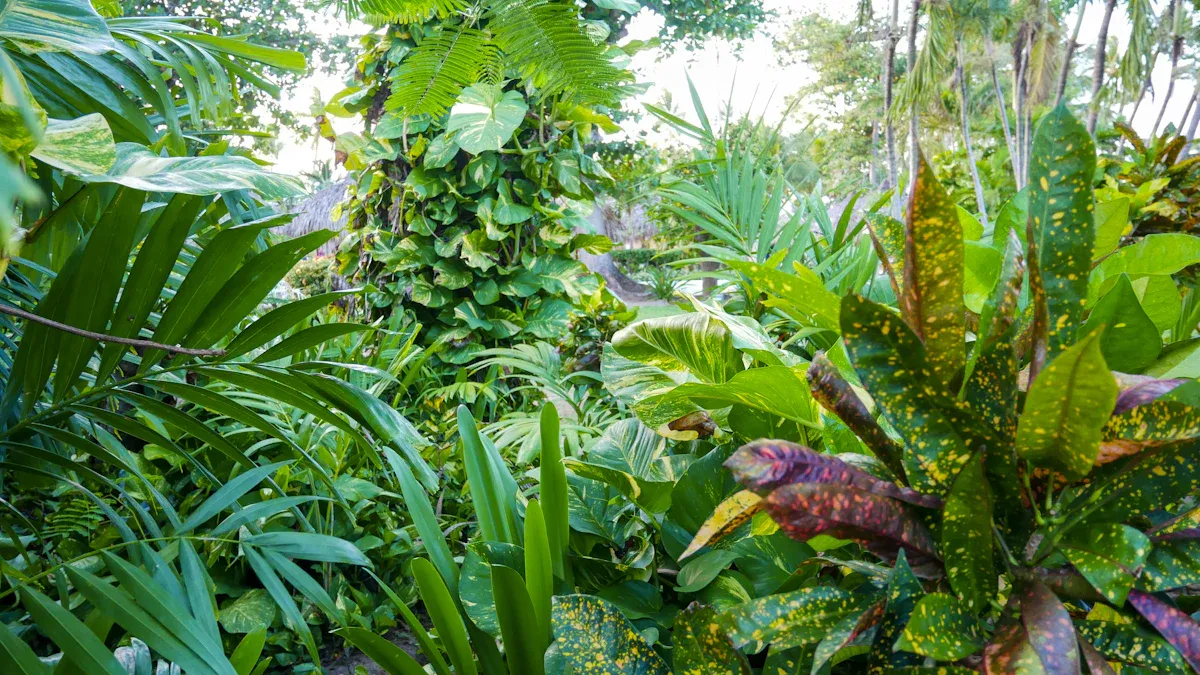
Peacock plants thrive in specific light conditions, making it essential to understand their light needs. These beautiful plants prefer bright indirect light. You should aim to provide them with about 4-6 hours of gentle morning sunlight. This type of light helps maintain their vibrant foliage and overall health.
Ideal Conditions
To create the best environment for your peacock plants, consider the following:
Bright Indirect Light: Place your plants in a spot where they receive filtered sunlight. This could be near a north- or east-facing window.
Avoid Direct Sunlight: Shield your plants from harsh afternoon rays. Direct sunlight can lead to fading colors and health issues.
By ensuring these conditions, you’ll help your peacock plants flourish and showcase their stunning leaves.
Signs of Insufficient Light
If your peacock plants aren’t getting enough light, they’ll let you know. Watch for these visual symptoms:
Leggy Growth: You might notice skinny and sparse stems.
Large Internodes: This indicates wide spaces between leaves, a sign that the plant is stretching for light.
Smaller New Leaves: If the new leaves are smaller than the older ones, your plant may be struggling.
Leaning Shape: The plant may twist or lean toward a light source, showing its need for more light.
By keeping an eye on these signs, you can adjust your plant’s location to ensure it gets the light it needs. Remember, maintaining the right light requirements is crucial for the health and beauty of your peacock plants!
Watering Care
When it comes to watering your peacock plants, getting it right is crucial for their health. These plants thrive on consistent moisture, but you need to be careful not to overdo it. Let’s break down the best practices for watering your calathea makoyana.
Frequency and Amount
You should aim to water your peacock plants based on the season. Here’s a quick guide:
Warmer Months: Water every 2-3 days. The soil dries out faster during this time, so keep an eye on it.
Cooler Months: You can reduce watering to every 9 days. The plant needs less moisture when temperatures drop.
For mature outdoor peacock plants, you’ll want to provide about 0.5 cups of water every 9 days, especially if they’re not exposed to direct sunlight. This amount helps maintain the right moisture level without drowning the roots.
Best Practices
To ensure your peacock plant care is on point, here are some best practices to follow:
Tip: Always check the soil moisture before watering. Stick your finger about an inch into the soil. If it feels dry, it’s time to water. If it’s still moist, wait a bit longer.
Overwatering can lead to serious issues. Here are some consequences of improper watering:
Waterlogged Soil: This displaces oxygen and can suffocate the roots, leading to decay.
Yellowing Leaves: If you notice your leaves turning yellow, it might be a sign of overwatering.
Drooping Leaves: Underwatering can also cause drooping, making it look like your plant is thirsty.
By keeping these tips in mind, you can avoid common pitfalls and ensure your peacock plants thrive. Remember, regular watering is key to maintaining a healthy peacock plant!
Soil for Calathea
When it comes to growing peacock plants, the right soil is crucial. You want to create a well-draining environment that keeps the roots healthy and happy. Let’s dive into the best soil types and potting techniques for your calathea.
Recommended Soil Types
For your peacock plants, you should look for soil that meets specific criteria. Here are some characteristics of ideal soil:
Well-Draining: This is essential to prevent root rot. You want soil that allows excess water to escape while retaining some moisture.
pH Level: Aim for a soil pH between 5.0 and 6.0. This range supports optimal nutrient absorption for your plants.
To improve drainage and aeration, consider adding these amendments to your soil:
Compost: Enhances soil structure and drainage, especially in clay-heavy soils.
Shredded Leaves: Improves aeration and adds organic matter.
Manure: Provides nutrients and improves soil texture.
Coarse Sand: Helps with drainage when mixed with organic matter.
You can also use materials like rice hulls, pumice, perlite, and vermiculite to boost drainage and moisture retention. These additions create air pockets in the soil, which is vital for healthy root growth.
Potting Techniques
Proper potting techniques can help maintain consistent moisture for your peacock plants. Here are some steps to follow:
Soil Selection: Use a peat-based potting mix that retains moisture while allowing drainage. If you’re looking for a sustainable option, consider using coco coir.
Pot Selection: Choose pots with multiple drainage holes. This prevents water from pooling at the bottom. Ceramic or clay pots are great choices because they allow for better air circulation.
Watering Needs: Keep the soil moist but not soggy. Water your plants when the top inch of soil feels slightly dry. Using lukewarm water can also help your plants absorb moisture better.
By following these soil and potting guidelines, you’ll create a thriving environment for your peacock plants. Remember, healthy soil leads to healthy roots, which is key to a vibrant garden!
Humidity and Temperature
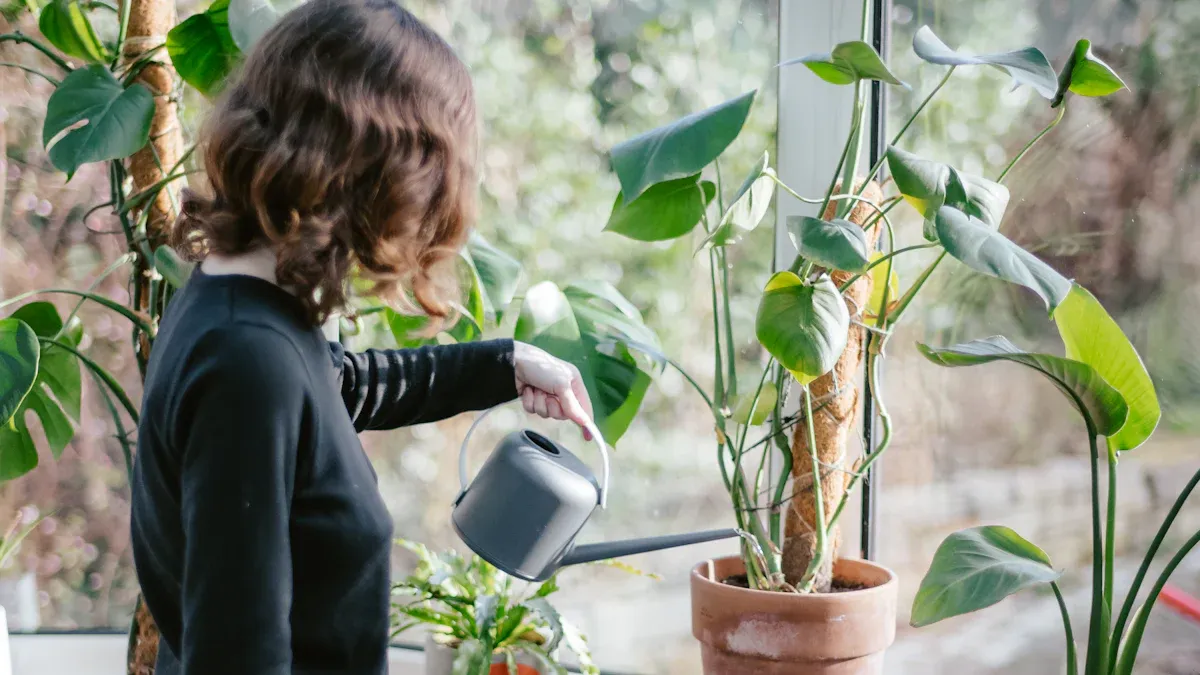
Peacock plants thrive in environments with the right humidity and temperature. These factors play a significant role in their overall health and growth. Let’s explore what you need to know to keep your calathea happy!
Optimal Humidity
For your peacock plants, maintaining high humidity levels is crucial. These plants prefer a humidity range of 50% to 70%. Here are some tips to achieve the ideal humidity levels:
Use a Pebble Tray: Fill a shallow tray with pebbles and water. Place your plant pot on top, ensuring the bottom doesn’t sit in water. As the water evaporates, it increases humidity around the plant.
Regular Misting: Lightly mist your plants every few days. This helps keep the leaves hydrated and can prevent crispy edges.
Humidifier: If you live in a dry climate, consider using a humidifier. This can maintain consistent moisture in the air, benefiting your peacock plants.
When humidity levels drop, you might notice signs of struggle. Look out for crispy leaf edges or withering new growth. These symptoms indicate that your plant needs more moisture in the air.
Temperature Tolerance
Temperature fluctuations can affect your peacock plants significantly. They thrive in warm conditions, ideally between 65°F and 80°F (18°C to 27°C). Here’s what you should keep in mind:
Avoid Cold Drafts: Keep your plants away from windows or doors that open frequently. Cold drafts can shock the plant and lead to stress.
Watch for Heat Stress: While they enjoy warmth, extreme heat can be detrimental. If temperatures exceed 85°F (29°C), your plants may start to droop or show signs of distress.
Seasonal Changes: Be mindful of seasonal changes. During colder months, ensure your plants are protected from frost and extreme cold.
By monitoring both humidity and temperature, you can create a thriving environment for your peacock plants. Remember, these factors are essential for their growth and overall well-being!
Fertilizing Tips
When it comes to keeping your peacock plants healthy, fertilizing plays a vital role. You want to provide them with the right nutrients to promote lush foliage and vibrant growth. Let’s explore the types of fertilizers you can use and how often to apply them.
Types of Fertilizers
You have a couple of great options when it comes to fertilizers for your calathea. Here’s what you can choose from:
Organic Fertilizers: These are derived from natural sources and can improve soil health over time. They release nutrients slowly, which is beneficial for your plants.
Chemical Fertilizers: These provide a quick nutrient boost. They’re effective but should be used carefully to avoid over-fertilizing.
Regular fertilization is essential during the growth stages of peacock plants. Apply fertilizer every two to three weeks when growth is vigorous. Just remember to avoid fertilizing during winter. This helps prevent shocking your plants while they’re in dormancy.
Fertilizing Schedule
Creating a fertilizing schedule can help you keep your peacock plants thriving. Here’s a simple table to guide you:
Aspect | Details |
|---|---|
Nutrient Supply | Regular fertilization provides essential nutrients for healthy growth. |
Growth Prevention | Prevents issues like yellowing leaves and stunted growth. |
Recommended Frequency | Fertilize every two weeks during the growing season. |
Seasonal Consideration | Cease fertilizing in winter to avoid excess nutrients during dormancy. |
By following this schedule, you’ll ensure your peacock plants get the nutrients they need without overwhelming them. Remember, a little care goes a long way in keeping your plants vibrant and healthy!
Common Issues
When growing peacock plants, you might encounter a few common issues. Understanding these problems can help you keep your plants healthy and vibrant. Let’s dive into the pests and diseases that can affect your calathea and how to troubleshoot any care issues.
Pests and Diseases
Peacock plants can attract several pests. Here are some of the most common ones you should watch for:
Spider Mites
Scale Insects
Fungus Gnats
Mealybugs
Aphids
Whiteflies
Weevils
These pests can cause damage to your plants, so keep an eye out for any signs of infestation.
In addition to pests, diseases can also affect your peacock plants. Common fungal infections include:
Brown Spot: This appears as brown lesions on the leaves.
Fungal Markings: Various markings on the foliage indicate the presence of a pathogen.
Excess Moisture: Water splashing onto the leaves can lead to fungal infections.
To treat these issues, consider using sprays of copper soap or Bacillus amyloliquefaciens. You can also remove infected plant tissue with sterilized scissors and quarantine affected plants to prevent the spread of the fungus.
Troubleshooting Care
If you notice yellowing leaves on your peacock plants, don’t panic! Here are some troubleshooting steps you can take:
Address Nutrient Deficiencies: Use iron, balanced fertilizer, or potassium supplements to boost nutrients.
Check Light Exposure: Ensure your plants receive the right amount of light.
Inspect for Pests and Diseases: Regularly check your plants to maintain their health.
By staying vigilant and addressing these common issues, you can ensure your peacock plants thrive in your outdoor garden!
Growing peacock plants outdoors can be a rewarding experience if you follow the right care tips. Here are some key takeaways to keep your plants thriving:
Water your peacock plants once a week or when the top inch of soil feels dry. Use rainwater or distilled water to avoid chemicals.
Maintain temperatures between 65°F and 75°F, keeping them away from drafts and direct sunlight.
Use a well-draining soil mix with a pH level between 6.0 and 6.5 to support healthy growth.
Regularly check for pests like mealybugs and spider mites, treating them promptly with insecticidal soap or neem oil.
By following these guidelines, you’ll create a vibrant outdoor space filled with beautiful peacock plants! 🌿
FAQ
What is the best way to water peacock plants?
Water your peacock plants when the top inch of soil feels dry. Use rainwater or distilled water to avoid chemicals. Aim for consistent moisture without overwatering.
How much sunlight do peacock plants need?
Peacock plants thrive in bright, indirect light. They prefer about 4-6 hours of gentle morning sunlight. Avoid direct sunlight to prevent leaf damage.
Can I grow peacock plants in pots?
Yes! Growing peacock plants in pots is ideal. Use well-draining soil and ensure your pot has drainage holes. This helps maintain moisture without waterlogging the roots.
What pests should I watch for?
Common pests include spider mites, mealybugs, and aphids. Regularly inspect your plants for signs of infestation. Treat any issues promptly with insecticidal soap or neem oil.
How can I increase humidity for my peacock plants?
To boost humidity, use a pebble tray filled with water, mist your plants regularly, or use a humidifier. Aim for humidity levels between 50% and 70% for optimal growth.