

Growing myrtle plants indoors can transform your space into a lush, green oasis. Not only do these beautiful plants add a pop of color, but they also help improve indoor air quality by filtering out harmful pollutants. However, to truly thrive and grow myrtle plants successfully, they need specific care. Many beginners make common mistakes, like over-pruning or failing to provide enough sunlight. With the right knowledge, you can enjoy the beauty of myrtle while ensuring it grows healthy and strong!
Key Takeaways
Provide myrtle plants with at least 6 hours of bright, direct sunlight daily. Position them near a south-facing window, but keep them 1-2 feet away to avoid heat stress.
Water myrtle plants based on the season: every 10-14 days in winter, weekly in spring, and more frequently in summer. Adjust watering according to soil moisture.
Use a well-draining soil mix for myrtle plants. Combine potting soil with coarse sand and perlite to promote healthy root growth.
Fertilize myrtle plants every two weeks during the growing season. Start in early spring to support new growth and blooming.
Regularly check for pests and adjust care routines based on seasonal changes. This proactive approach helps maintain healthy myrtle plants.
Light Needs
Optimal Light Conditions
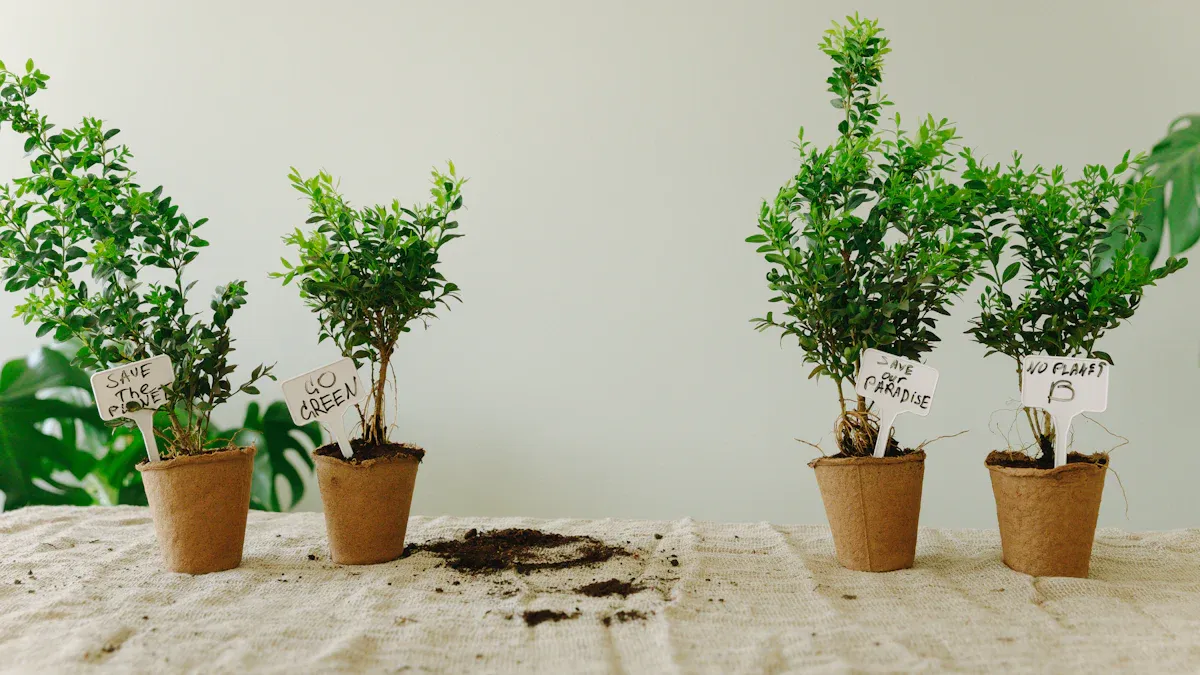
To grow myrtle plants successfully indoors, you need to provide them with the right amount of light. These plants thrive in bright, direct light. Ideally, they should receive at least 6 hours of sunlight each day. Placing your myrtle near a south-facing window is a great way to ensure they get enough light. Here are some key points to consider:
Light Intensity: Aim for a light intensity between 2000-4000 lux. This range helps your myrtle grow strong and healthy.
Distance from Windows: While myrtle loves sunlight, being too close to a south-facing window can lead to excessive heat. Keep your plant about 1-2 feet away to prevent stress during peak sunlight hours.
Remember, morning sunlight is beneficial, but harsh afternoon sun can scorch the leaves. So, managing light exposure is crucial for your plant’s health.
Signs of Insufficient Light
If your myrtle isn’t getting enough light, it will show some telltale signs. Here’s what to look for:
Leggy Growth: If your myrtle starts to grow tall and spindly, it’s a sign it’s stretching for light. This means it’s not getting enough brightness.
Yellowing Leaves: Leaves that turn yellow and drop off can indicate insufficient light. Your plant needs more exposure to thrive.
Slow Growth: If you notice that your myrtle isn’t growing as quickly as it should, it might be time to reassess its light conditions.
By keeping an eye on these signs, you can adjust your myrtle’s environment to ensure it gets the light it needs to flourish.
Watering Myrtles
Watering Frequency
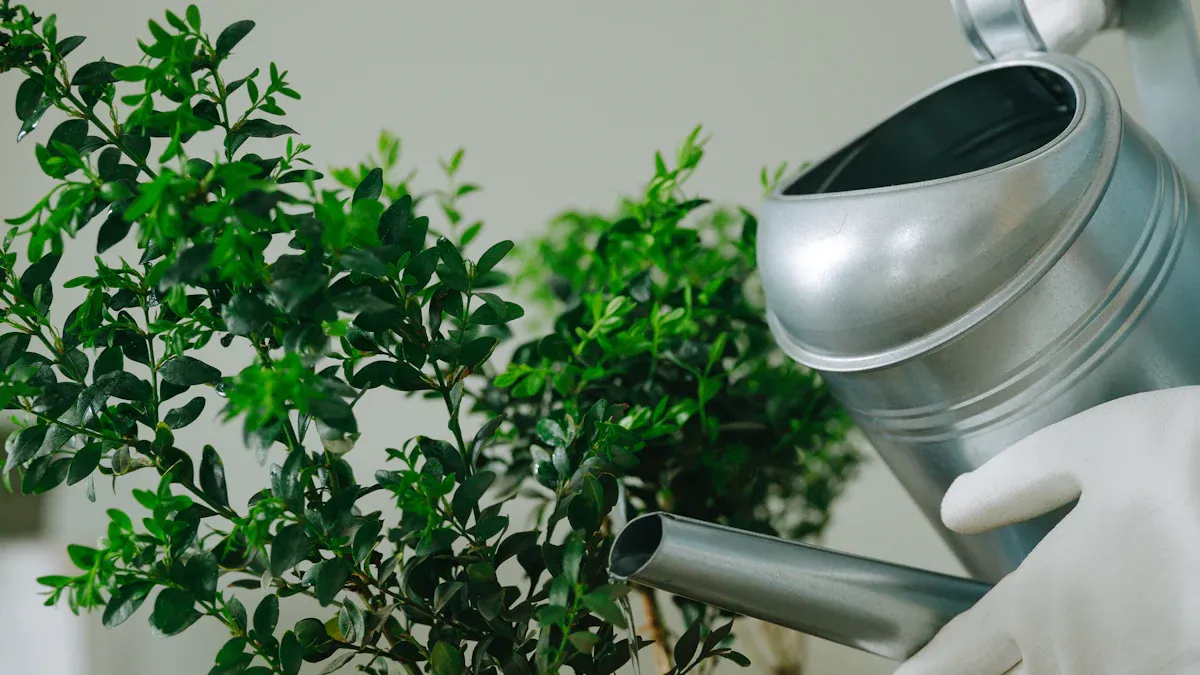
Watering myrtle plants consistently is crucial, especially when they receive extra light. These plants thrive on moisture, but the amount you need to water can change with the seasons. Here’s a simple guide to help you:
Winter: Water less frequently, about every 10–14 days. During this time, myrtle plants enter dormancy and require less moisture.
Spring: As growth resumes, increase watering to about once a week for moisture-loving varieties. For low-maintenance types, every two weeks should suffice.
Summer: Water more often due to increased evaporation and growth. Keep an eye on the soil moisture to ensure your myrtle stays hydrated.
Fall: Maintain a similar watering frequency to spring, as your plants prepare for dormancy.
By adjusting your watering schedule according to the seasons, you can help your myrtle thrive indoors.
Techniques for Watering
Knowing how to check soil moisture is just as important as understanding when to water. Here are some effective techniques to ensure your myrtle gets the right amount of water:
Use a moisture meter to accurately gauge soil moisture levels. This tool can help you avoid overwatering or underwatering.
Insert the sensor into the soil, ideally two-thirds of the way down for shallow pots. This depth gives you a better reading of the moisture level.
For deeper pots, push the sensor down as far as possible to get an accurate reading. This way, you can ensure that the roots are getting the moisture they need.
By following these watering tips and techniques, you’ll be well on your way to successfully growing myrtle plants indoors. Remember, consistent care leads to vibrant and healthy plants!
Soil and Potting for Myrtle Care
When it comes to growing myrtle plants indoors, the right soil and potting techniques can make all the difference. Let’s dive into what you need to know!
Best Soil Mix
Myrtle plants thrive in well-draining soil that retains some moisture. A mix that combines potting soil with components that enhance drainage works best. Here’s a simple recipe you can follow:
2 parts potting soil
1 part coarse sand
1 part perlite
This combination allows for good aeration and drainage, which is essential for healthy root growth.
Tip: Always check the pH level of your soil. Myrtle plants prefer a pH range between 6.0 – 8.0 for optimal growth.
Plant | Optimal pH Range |
|---|---|
Myrtle | 6.0 – 8.0 |
Potting Guidelines
Potting your myrtle correctly is just as important as the soil mix. Here are some guidelines to follow:
Choose the Right Pot: Select a pot with drainage holes. This helps prevent water from pooling at the bottom, which can lead to root rot.
Repotting: If your myrtle outgrows its pot, repot it in the spring. Choose a pot that’s one size larger to give the roots room to grow.
Layering: When potting, add a layer of gravel or small stones at the bottom. This enhances drainage and keeps the soil from clogging the holes.
For the best results, consider using soil components that improve drainage and aeration. Here are some beneficial options:
Component | Benefit |
|---|---|
Coarse Sand | Enhances drainage |
Gravel | Improves drainage |
Perlite | Promotes drainage and retains water |
Sand | Creates larger pore spaces for drainage |
By following these soil and potting tips, you’ll set your myrtle up for success. Happy planting!
Fertilization Tips
When to Fertilize
Fertilizing your myrtle plants is essential for their growth and blooming. During the growing season, which typically runs from spring to summer, you should focus on providing nutrients. For established myrtle plants, fertilize every two weeks. If you have young plants, they only need fertilizing once a month. This schedule ensures your plants receive the nutrients they need to thrive.
Tip: Start fertilizing in early spring when you see the first signs of new growth. This timing helps your myrtle plants get a strong start for the season.
Types of Fertilizers
Choosing the right fertilizer can make a significant difference in your myrtle’s health. Here are some effective options:
“For Crape Myrtle Fertilization, especially bloom-boosting, we recommend a high-phosphorus fertilizer (look for a middle number like 10-50-10) to encourage heavy blooming. Organic options such as compost, bone meal, and fish emulsion are also excellent choices for boosting growth naturally.”
You can also use a balanced slow-release fertilizer with a mix of nitrogen, phosphorus, and potassium. This type of fertilizer provides a steady supply of nutrients over time.
Here’s a quick overview of a recommended fertilization schedule:
Season | Action | Frequency |
|---|---|---|
Spring | Begin fertilizing when the first leaves appear. | Lightly every two weeks |
Summer | Continue fertilizing to promote new growth. | Lightly every two weeks |
Young Plants | Fertilize once a month during the first year’s growing season. | Once a month |
Fall | Discontinue fertilizing and reduce watering to prepare for dormancy. | N/A |
Always remember to water your myrtle plants after applying fertilizer. This practice helps prevent root burn and ensures the nutrients reach the roots effectively. By following these fertilization tips, you’ll support your myrtle’s growth and enjoy its beauty indoors!
Pest Management for Indoor Myrtles
Common Pests
When growing myrtle plants indoors, you might encounter a few pesky pests. Here are some common ones to watch out for:
Crepe Myrtle Aphids: These small yellow-green insects suck sap from your plant, causing leaves to yellow and distort.
Crape Myrtle Bark Scale: Look for white, rounded bumps on branches. This pest produces honeydew, which can weaken your myrtle.
Japanese Beetles: These metallic green beetles munch on a variety of plants, including myrtle, leading to skeletonized foliage.
Keeping an eye on your plants can help you catch these pests early.
Prevention Methods
Preventing pests is easier than dealing with an infestation. Here are some effective methods to keep your myrtle healthy:
Saline Solution: Mix 2 tablespoons of Himalayan salt in 4 liters of water. This solution can help treat spider mites. Adding milk can also combat fungal infections.
Essential Oils: Use 2-3 drops of oils like lemon, orange, or tea tree per 100 ml of water. Spray this mixture on your plants to deter pests.
Soap Solution: A mix of mild liquid dish soap or pure castile soap can dissolve the protective coverings of pests like aphids and mites.
If you do find pests, consider using organic methods. For example, ladybugs can help control aphid populations, while neem oil is effective against various pests.
Pest Type | Chemical Method | Organic Method |
|---|---|---|
Fungus Gnats | Insecticidal traps | Allowing soil to dry, beneficial nematodes |
Mealybugs | Systemic insecticides | Rubbing alcohol, insecticidal soap |
Aphids | Broad-spectrum insecticides | Ladybugs, neem oil, insecticidal soap |
Whiteflies | Insecticidal sprays | Yellow sticky traps, insecticidal soap |
Weevils | Targeted insecticides | Handpicking, beneficial nematodes |
By staying proactive and using these methods, you can enjoy a thriving myrtle plant indoors without the worry of pests.
Common Issues with Myrtle Plants
Myrtle plants can sometimes face challenges that affect their health and appearance. Two common issues are leaf drop and growth stagnation. Understanding these problems can help you take action and keep your myrtle thriving.
Leaf Drop Solutions
Leaf drop can be frustrating, but knowing the causes can help you prevent it. Here are some frequent reasons why your myrtle might be losing leaves:
Overwatering and underwatering: Both can lead to leaf drop; maintaining a balance is essential.
Nutrient deficiencies: Lack of essential nutrients can hinder growth and cause leaf loss.
Pest infestations: Pests like aphids and spider mites can damage the plant and lead to leaf drop.
Environmental stress: Extreme temperatures and low humidity can negatively affect leaf health.
To address leaf drop, consider these effective solutions:
Soil Health: Ensure your soil is well-drained and slightly acidic (pH 5.5-6.5).
Proper Watering Techniques: Maintain consistent moisture to avoid waterlogging and drought stress.
Pest Monitoring: Regularly inspect for pests and use sticky traps for early detection.
Seasonal Care: Adjust care routines based on seasonal changes, such as mulching in winter.
Organic Pest Control: Use neem oil or insecticidal soap for pest management.
Fungal Treatments: Apply organic fungicides containing copper or sulfur for fungal issues.
Nutrient Supplementation: Use balanced NPK fertilizers or organic compost to enrich soil.
Addressing Growth Stagnation
If your myrtle isn’t growing as expected, it might be experiencing growth stagnation. Here are some interventions to consider:
Intervention Type | Description |
|---|---|
Light Assessment | Ensure the plant receives adequate sunlight for optimal growth. |
Water Management | Adjust watering frequency and amount to prevent stagnation. |
Nutrient Levels | Check and amend soil nutrients to support healthy growth. |
Pollination | Ensure proper pollination to encourage flowering and growth. |
Pest Management | Monitor and manage pests that may hinder growth. |
Disease Control | Identify and treat any diseases affecting the plant’s health. |
By keeping an eye on these common issues and implementing the suggested solutions, you can help your myrtle plants flourish indoors. Remember, a little attention goes a long way in maintaining their health!
Growing myrtle plants indoors can be a rewarding experience. Remember these key points to help you succeed:
Soil: Use well-draining soil for healthy roots.
Sunlight: Provide full sun to partial shade for optimal growth.
Watering: Keep the soil evenly moist, especially during the growing season.
Maintenance: Prune as needed to maintain shape and health.
With these tips, you can confidently start your indoor myrtle gardening journey. Enjoy the beauty and benefits that myrtle brings to your home!
Tip: Regularly check for pests and adjust your care routine based on seasonal changes. This proactive approach will keep your myrtle thriving.
FAQ
What type of light do myrtle plants need indoors?
Myrtle plants thrive in bright, direct light. Aim for at least 6 hours of sunlight daily. A south-facing window is ideal, but keep the plant 1-2 feet away to avoid heat stress.
How often should I water myrtle plants?
Water your myrtle every 10-14 days in winter and once a week in spring and summer. Adjust based on soil moisture and seasonal changes to keep your plant healthy.
Can I grow myrtle plants from cuttings?
Yes! You can propagate myrtle plants from cuttings. Take a 4-6 inch cutting from a healthy plant, remove lower leaves, and place it in water or moist soil until roots develop.
What should I do if my myrtle leaves turn yellow?
Yellowing leaves may indicate overwatering or insufficient light. Check the soil moisture and adjust watering. Ensure your plant receives enough sunlight to promote healthy growth.
How can I prevent pests on myrtle plants?
To prevent pests, regularly inspect your plants. Use a saline solution or essential oils as a deterrent. Keeping your myrtle healthy through proper care also helps minimize pest issues.