
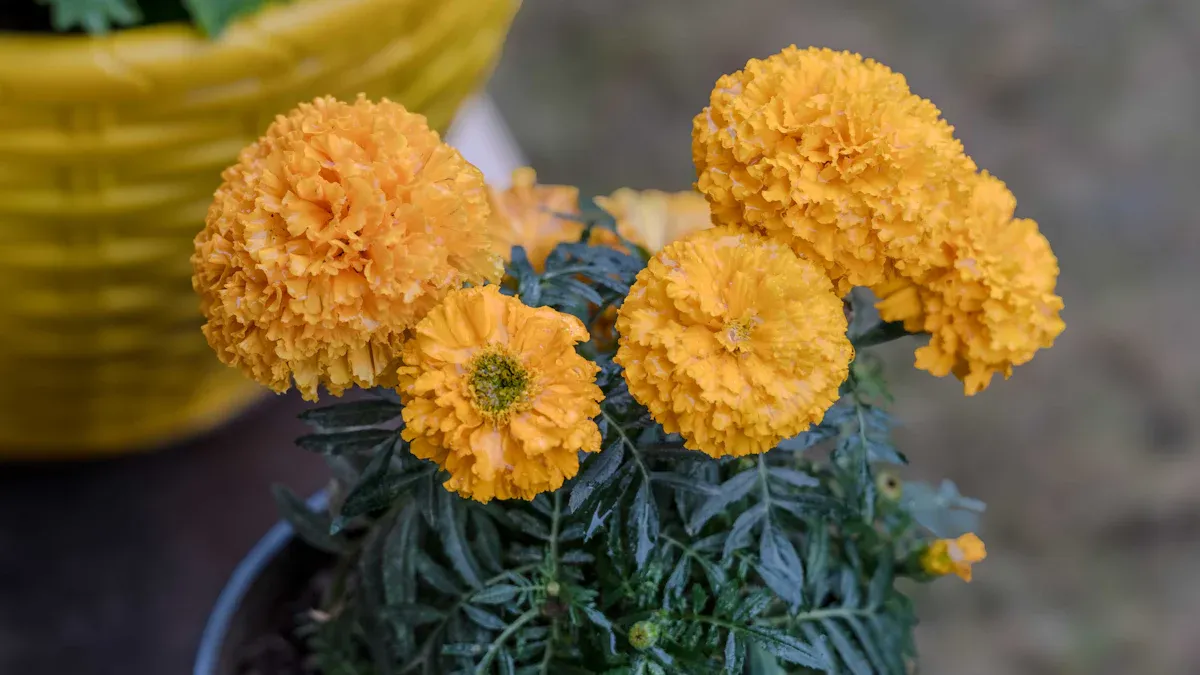
Yes, you can successfully grow marigold indoors! These cheerful marigolds bring vibrant colors and act as a natural pest repellent for your other indoor plants. Growing a marigold in your home adds beauty and a fresh feel. This guide provides all the steps you need for successful indoor cultivation. You will learn proper plant selection, essential potting tips, and ongoing care to ensure your marigold thrives under the right light conditions.
Key Takeaways
Choose small marigold types for indoor pots. French marigolds like ‘Naughty Marietta’ are good choices.
Marigolds need lots of light. Place them in a sunny window or use a grow light for at least 5 hours daily.
Water your marigolds when the top soil feels dry. Make sure your pot has holes for water to drain out.
Cut off old flowers to help your marigold grow more new blooms. This keeps the plant looking nice and healthy.
Growing Marigolds Indoors: Is It Possible?
Why Grow Marigold Indoors
You can absolutely grow marigold indoors. Many people enjoy having these bright flowers inside their homes. A marigold brings a cheerful splash of color to any room. This plant also offers a natural way to keep pests away from other indoor plants. This makes them a great companion. You will find great satisfaction in watching your own flowers bloom. Beyond their beauty, marigolds can improve your mood. Their vibrant hues create a positive atmosphere. They are also relatively easy to care for, even for new gardeners. Having a living plant inside connects you with nature. This connection can reduce stress. Marigolds are known for their long blooming period. This means you get to enjoy their beauty for many weeks. They are a rewarding addition to any indoor garden.
Indoor vs. Outdoor Needs
Growing marigolds in pots indoors requires slightly different care than outdoor plants. Outdoor marigolds get direct sunlight for many hours each day. Indoor marigolds need a sunny window or strong grow lights to get enough light.
You must provide the best setup for marigold plants inside your home. This ensures they thrive. Outdoor plants often handle more varied temperatures and humidity levels. Your indoor marigold needs a stable room temperature, usually between 65-75°F (18-24°C). This controlled environment helps them grow consistently. Watering is also different. Outdoor marigolds might get rain, which helps keep their soil moist. You control all the watering for your indoor plant. You must ensure good drainage for your indoor marigolds. This prevents root problems from too much water. Indoor air can be drier. You might need to mist your plant occasionally to increase humidity. Understanding these differences helps you succeed in growing healthy marigolds.
Choosing Marigold Varieties For Indoors
You need to select the right marigold varieties for successful indoor growing. Not all marigolds are suitable for pots inside your home. You should look for compact or dwarf types. These smaller plants thrive in containers and do not take up too much space.
Dwarf Marigold Options
Dwarf marigolds are excellent choices for indoor cultivation. They stay small and produce beautiful blooms. You can choose from several types, including French, Signet, Triploid Hybrid, and Dwarf African marigolds. Many French marigold varieties are particularly good dwarf options. Here are some popular dwarf French marigold varieties you can consider:
Variety Name | Type of Marigold | Height (inches) |
|---|---|---|
Daisy Wheel Lemon | French | 10 |
Fiesta | French | 12 |
Harmony | French | 8 |
Bambino | French | 10 |
Bolero | French | 12 |
Brocade | French | 12 |
Colossus Red Gold | French | 12 |
Naughty Marietta | French | 8-12 |
Orange Flame | French | 12 |
These varieties offer vibrant colors and manageable sizes for your indoor garden.
French Marigolds For Pots
French marigolds (Tagetes patula) are among the best marigold plant varieties for container growing indoors. They typically grow between 6 and 18 inches tall. This makes them ideal for pots. You will see smaller, vivid flowers in various bi-colors. Two specific French marigold cultivars stand out for indoor pots:
Naughty Marietta: This petite cultivar stays under 14 inches tall. It has a mounding growth habit. This makes it perfect for container edges or as a standalone focal point. It also tolerates wet conditions better.
Red Knight: This French marigold adapts to its environment. It remains compact, about a foot tall, when you grow it in a pot. It features dark red flowers with yellow centers.
Compact Varieties
Beyond French marigolds, other compact varieties also thrive indoors. You want a plant that fits your space.
Signet Marigolds (Tagetes tenuifolia): Also known as gem marigolds, these reach up to 12 inches in height. Their compact size and abundant blooming make them excellent choices. You can use them in mixed container gardens and window boxes.
Triploid Marigolds: These are a hybrid of French and African marigolds. They combine the large blooms of African marigolds with the compact growth of French marigolds. They put energy into producing many blossoms. This results in a longer blooming period for your indoor marigolds.
How To Plant Marigold Seeds Indoors
You can successfully grow marigold indoors by starting your seeds correctly. This process ensures strong, healthy plants. You will guide your marigolds from tiny seeds to vibrant blooms.
Seed Starting Essentials
You need the right materials to begin. First, gather your seed starting mix. This specialized mix provides a light, sterile environment for young seedlings. It helps prevent diseases. Fill your chosen pots or seed trays with this mix. You can use small individual pots or a multi-cell tray. Ensure the mix is moist but not soaking wet. Next, consider the soil temperature. Marigold seeds germinate best in warm soil. Maintain a soil temperature between 65-90°F (18-32°C). An ideal temperature for marigold germination is 70-80°F (21-27°C). You can use a heating mat under your seed trays to achieve this warmth. This consistent temperature encourages quick and even germination.
Sowing Marigold Seeds
Now, you will learn how to plant marigold seeds. Take your marigold seeds and prepare them for sowing. You should sow 3-4 seeds per pot or cell. This increases your chances of successful germination. Plant each seed about 1/4 inch deep into the moist seed starting mix. Gently press the seeds into the soil. This ensures good contact between the seed and the soil. Good contact helps the seed absorb water. After sowing, lightly cover the seeds with a thin layer of the seed starting mix. Water the newly planted seeds thoroughly. Use a gentle spray bottle to avoid disturbing the seeds. Keep the soil consistently moist until the seeds sprout.
Initial Seedling Care
Your marigold seeds will soon germinate. Once you see the first tiny green shoots, remove any plastic covers or domes you used. This prevents too much humidity and potential fungal issues. Continue to keep the soil moist. Do not let it dry out completely. However, avoid over-saturation. Too much water can lead to damping-off fungus, which harms young seedlings. Move your containers to a location that receives four to five hours of light daily. A sunny window works well. If natural light is insufficient, use a grow light. This ensures your young marigolds get the energy they need to grow strong. Thin your seedlings once they develop their first true leaves. Choose the strongest seedling in each pot and gently snip away the others at the soil line. This gives the remaining plant ample space and resources to thrive.
Potting Marigolds Indoors

Selecting The Right Container
You need to choose the right container for your marigolds. The best containers for marigold plants have drainage holes. These holes are very important. They let excess water escape. This prevents root rot. Terracotta and ceramic pots are good choices. They are porous. This helps regulate moisture. You can also use plastic pots. Just make sure they have drainage holes. The size of the pot matters. Choose a pot that fits your marigold variety. Dwarf marigolds do not need very large pots.
Best Potting Mix For Marigolds
You must use the best soil for marigold plants. A standard potting mix works well. Marigolds thrive in a rich and moist root zone. A good potting mix provides this. You can use a product like Potting Mix by Rosy Soil. This type of mix supports healthy indoor marigold growth. You should also know the ideal pH range for your soil.
Plant | Ideal pH Range |
|---|---|
Marigold | 5.5-7.5 |
For marigolds, an ideal soil pH range is 6.0 to 7.0. You can amend your soil with compost. This adds fertility.
Ensuring Proper Drainage
Proper drainage is key for growing marigolds in pots. You already know to use pots with drainage holes. Now, focus on the soil. Blend your potting mix with peat moss. This helps with moisture retention. Add perlite or vermiculite. These materials increase aeration and drainage. Do not use heavy garden soil alone. It holds too much water. Water your marigold deeply. Then, let the soil dry slightly between waterings. Check the top inch of soil for dryness. This prevents overwatering.
Transplanting Young Marigolds
You will need to transplant your young marigolds. This happens when they outgrow their starter pots. This process is simple. First, gently loosen the root ball of your marigold seedlings. This encourages root expansion in their new container. Next, place the seedling in the new pot. Ensure the top of the root ball is level with the soil surface. Planting too deeply can cause stem rot. Planting too shallowly exposes roots. Surround the seedling with your chosen potting mix. Press lightly to remove any air pockets. Immediately after potting, thoroughly water the marigold. This helps settle the soil. It also eliminates air gaps. This initial watering is crucial for establishing moisture. It supports early plant growth. This is how to transplant marigold seedlings successfully.
Light For Indoor Marigolds
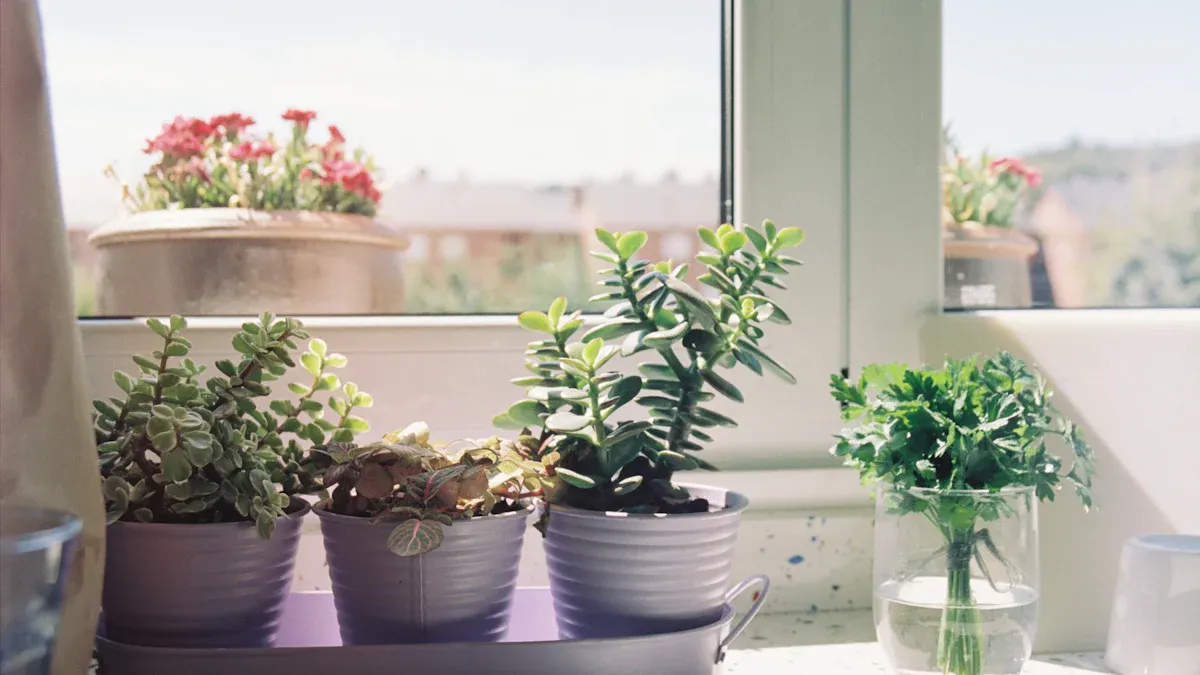
You must provide enough light for your indoor marigolds. Light is the most crucial factor for their growth and vibrant blooms. Without proper light, your marigold plant will not thrive. Ensuring adequate sunlight and temperature helps your marigolds produce many flowers.
Natural Sunlight Requirements
Marigolds love bright light. They need a lot of direct sunlight every day. For optimal blooming, indoor marigolds require the equivalent of at least 5 hours of direct sunlight daily. You can also measure this as a Daily Light Integral (DLI) of 15+ mol/m²/day. This means placing your marigold in a south-facing window is often the best choice. A west-facing window can also work. East-facing windows provide morning light, which is good, but might not be enough for the full 5 hours. Rotate your pots regularly. This ensures all sides of the plant receive even light exposure. This helps your marigold grow symmetrically.
Using Grow Lights
Natural light might not always be enough, especially during winter months or in homes with limited sunny windows. Grow lights offer a perfect solution. They supplement natural light or provide all the necessary light. When you use a grow light, set a timer for 10 hours of light per day. This encourages flowering. Marigold plants are “short-day” plants. This means they develop faster with over 12 hours of darkness. The 10-hour light cycle mimics their preferred conditions.
Here are some effective grow light options for your indoor marigolds:
Option | Type | Benefit |
|---|---|---|
High-end choice | Aspect Light by Soltech | Provides powerful, full-spectrum light. |
Affordable DIY | Sansi 24W Screw-in Bulb | Cost-effective, good light output. |
Accessory for DIY | Clamp Light and Timer | Essential for controlling light duration. |
Using the best light for marigold growth ensures healthy foliage and abundant flowers.
Recognizing Light Deficiency
You can tell if your marigold is not getting enough light. Look for specific signs. One common sign is leggy growth. The stems become long and stretched. The leaves are far apart. This happens because the plant reaches for more light. Another sign is pale or yellowing leaves. The plant cannot produce enough chlorophyll without sufficient light. This makes the leaves lose their vibrant green color. Your marigold might also stop blooming. Or, it produces very few flowers. The flowers it does produce may be small and weak. If you see these signs, move your marigold to a brighter spot. Or, add a grow light to supplement its light intake. Providing the right amount of light is key to a happy, blooming marigold.
Watering Indoor Marigolds
You must water your indoor marigolds correctly. Proper watering ensures healthy growth and abundant blooms. You need to understand how much water your plant needs and when to give it.
Watering Frequency
When you first plant your marigold, water it thoroughly. Keep the soil moist but not waterlogged during its initial growth. Once your marigold is established, it becomes more drought-tolerant. However, marigold plants thrive in moist soil conditions. You should allow the top of the soil to dry out between waterings if you use a regular pot. Do not let the soil become completely dry, as the roots will die back. Also, avoid standing water in the saucer, as this can cause root rot.
Proper Watering Technique
Always water your marigolds at soil level. This helps maintain appropriate and consistent moisture. Avoid watering from overhead. Excessively wetting the leaves, stems, and petals can create conditions favorable for powdery mildew. For effective watering techniques for potted marigolds, consider using a ceramic self-watering planter. This helps ensure even moisture distribution. If you use a regular pot, water slowly until water drains from the bottom. This ensures the entire root ball gets moisture.
Avoiding Water Issues
You must avoid common watering mistakes to keep your marigold healthy. Not allowing the soil to dry out completely between waterings can lead to problems, especially if the soil stays wet. Soaking your plant from overhead can cause delicate stems to split. Underwatering can result in browning foliage and leggy stems. On the other hand, overwatering can lead to root rot. Marigolds thrive in consistently moist soil. To prevent root rot, avoid standing water. If you use a regular pot, ensure it is at least 4 inches (1 pint) and has drainage holes. Allow the top layer of soil to dry out between waterings.
Temperature And Humidity
You need to manage both temperature and humidity for your indoor marigolds. These factors greatly influence plant health. Providing the right environment helps your marigolds thrive.
Ideal Temperature Range
Marigolds prefer moderate temperatures. You should keep your indoor space within a specific range. The ideal temperature for marigolds is between 65°F and 75°F (18°C to 24°C). This range supports healthy growth and abundant flowering. Avoid extreme temperature fluctuations. Sudden drops or rises in temperature can stress your plants. Do not place marigolds near drafty windows or heating vents. These spots can cause rapid temperature changes. Consistent temperatures help your marigolds produce vibrant blooms.
Managing Indoor Humidity
Marigolds do not have strict humidity requirements. They generally do well in average household humidity levels. However, very dry indoor air can sometimes cause issues. You might notice leaf edges turning brown if the air is too dry.
Here are ways to manage indoor humidity for your marigolds:
Increase Humidity:
Pebble Tray: Place your potted marigold on a tray filled with pebbles and water. The evaporating water increases humidity around the plant. Make sure the pot does not sit directly in the water.
Misting: Lightly mist the leaves with water a few times a week. Do this in the morning. This provides temporary humidity.
Group Plants: Grouping several plants together can create a microclimate. Plants release moisture through transpiration. This naturally increases humidity in their immediate area.
Decrease Humidity:
Air Circulation: Ensure good air circulation around your plants. Use a small fan if needed. This prevents stagnant, humid air.
Spacing: Give your plants enough space. Do not crowd them together. Good spacing allows air to move freely.
Maintaining proper temperature and humidity helps your marigolds stay healthy. You will see better growth and more flowers.
Fertilizing Indoor Marigolds
You need to fertilize your indoor marigolds to support their growth. Proper feeding helps them produce many vibrant flowers. Marigolds do not need heavy feeding, but a little boost helps.
When To Fertilize
You should fertilize your marigold plant sparingly. Begin fertilizing once your marigold starts to produce flower buds. This usually happens a few weeks after planting. Fertilize every two to four weeks during the active growing and blooming season. Stop fertilizing in the fall and winter months. The plant’s growth slows down then. Over-fertilizing can harm your marigolds. It can lead to lush foliage but fewer flowers.
Choosing The Right Fertilizer
You need a balanced, water-soluble fertilizer for your marigolds. Look for a fertilizer with an NPK ratio like 5-10-5 or 10-10-10. The numbers represent nitrogen, phosphorus, and potassium. Phosphorus (the middle number) encourages flowering. You can also use organic options. Liquid seaweed or fish emulsion are good choices. Always choose a fertilizer designed for flowering plants. This ensures your marigolds get the right nutrients.
Application Tips
Always dilute your fertilizer to half strength. Follow the package directions for dilution. Over-fertilizing can burn the roots of your marigold. Water your plant thoroughly before applying fertilizer. This prevents root burn. Apply the diluted fertilizer directly to the soil. Avoid getting it on the leaves or flowers. If you see yellowing leaves, it might be a sign of nutrient deficiency. Adjust your fertilizing schedule if needed.
Pruning And Deadheading
Benefits Of Pruning
You prune your marigold plant for several good reasons. Pruning encourages bushier growth. This prevents your plant from becoming leggy. Leggy plants have long, stretched stems with few leaves. Pruning also promotes more blooming. You will see many more flowers on your marigold. This practice extends the flowering season significantly. It encourages your plant to produce more blooms rather than forming seeds. This process improves the plant’s overall appearance. Your marigold looks fuller and healthier. Regular pruning is a vital part of good plant maintenance. It helps your plant stay vibrant and productive throughout its life cycle.
How To Deadhead Marigolds
Deadheading is another important maintenance task for your marigolds. You remove spent or faded flowers from your plants. This keeps your plants looking tidy and neat. It also encourages the plant to produce more flowers. When you deadhead, you simply pinch or snip off the flower head. Cut just below the bloom. Make sure you cut above the next set of leaves or a new bud. This simple action extends the blooming season. You get beautiful, vibrant blooms for many months. Deadheading redirects the plant’s energy. It focuses on new flower production instead of seed development. You can use clean scissors or your fingernails for this task.
Encouraging New Blooms
Both pruning and deadheading work together to encourage new blooms. They signal your marigolds to put their energy into making fresh flowers. When you remove old blooms, the plant does not waste energy on seed production. Instead, it creates more flower buds. This ensures a continuous display of color. You will enjoy a steady supply of fresh, cheerful flowers in your home. This consistent care helps your marigold thrive and bloom profusely. It makes your indoor garden more rewarding.
Troubleshooting Common Issues
You might encounter some common problems when growing marigolds indoors. Do not worry. You can usually fix these issues easily. Understanding the cause helps you find the right solution.
Leggy Growth Solutions
Your marigold plant might look stretched and thin. This is called leggy growth. The stems are long, and leaves are far apart. This happens when your plant does not get enough light.
Move your plant: Place your marigold in a brighter spot. A south-facing window often provides the best light.
Use grow lights: Supplement natural light with a grow light. This gives your plant the energy it needs.
Prune: Pinch back the leggy stems. This encourages bushier growth.
Why Marigolds Aren’t Blooming
You want your marigolds to produce many flowers. Sometimes, they do not bloom. Several factors can cause this.
Insufficient light: Marigolds need at least 5 hours of direct sunlight daily. Move your plant to a sunnier location.
Too much nitrogen: Fertilizers high in nitrogen promote leaf growth. They reduce flower production. Use a balanced fertilizer or one higher in phosphorus.
Lack of deadheading: You must remove spent flowers. This signals the plant to produce new blooms.
Addressing Leaf Problems
You might see changes in your marigold’s leaves. These changes often indicate a problem.
Yellow leaves: Overwatering is a common cause. Let the soil dry out between waterings. Underwatering can also cause yellowing. Check soil moisture regularly.
Brown leaf tips: Dry air or inconsistent watering can cause this. Mist your plant or use a pebble tray for humidity.
Spots on leaves: This might indicate a fungal issue. Ensure good air circulation. Avoid watering leaves from above.
Pest And Disease Control
You must protect your indoor marigolds from pests and diseases. Even indoors, your plant can face challenges. Early detection and quick action help keep your marigolds healthy.
Common Indoor Pests
Indoor marigolds can attract a few common pests. You might see tiny insects on your plant.
Spider Mites: These tiny pests create fine webs on leaves. They cause yellow stippling.
Aphids: Small, soft-bodied insects cluster on new growth. They suck plant sap.
Whiteflies: These small, white, winged insects fly up when you disturb the plant. They feed on the undersides of leaves.
You should regularly inspect your marigolds. Check the tops and undersides of leaves. Look for any signs of these pests.
Organic Pest Solutions
You can use organic methods to control pests on your marigolds. These solutions are safe for your home.
Insecticidal Soap: Mix insecticidal soap with water. Spray it directly on the pests. This suffocates them. Repeat every few days until the pests are gone.
Neem Oil: Neem oil is a natural pesticide. Mix it according to package directions. Spray your plant thoroughly. Neem oil disrupts pest feeding and reproduction.
Manual Removal: For small infestations, you can wipe pests off with a damp cloth. You can also gently rinse your plant under a faucet. This washes away many pests.
Preventing Diseases
You can take steps to prevent diseases in your marigolds. Good cultural practices are key to disease prevention.
Aster Yellows: Keep the planting area weed-free. Weeds can harbor this disease. You should also monitor for insects throughout the season. Insects often spread aster yellows.
Root Rot: Plant your marigolds in fresh, healthy soil. This provides a good start. Water your plant appropriately. Avoid overwatering to prevent root rot.
Powdery Mildew: Ensure good airflow around your marigolds. This helps prevent fungal growth. Allow plant leaves to dry out, especially in high humidity conditions. This simple maintenance helps keep your marigolds free from disease.
You can successfully achieve growing marigolds in pots indoors. This is a rewarding experience. Remember key aspects of care: provide adequate light, ensure proper watering, and maintain good drainage. You will enjoy the vibrant beauty and cheer these marigolds bring to your indoor spaces. Nurturing your plant offers great satisfaction. Growing marigolds in pots allows you to enjoy their beauty. You will love to grow marigold indoors. Proper potting and consistent care make your plant thrive.
FAQ
What kind of light do indoor marigolds need?
You must give your indoor marigolds plenty of bright light. They need at least 5 hours of direct sunlight daily. A south-facing window works best. If you lack natural light, use a grow light for 10 hours each day. This helps them bloom well.
How often should I water my potted marigold?
You should water your marigold thoroughly when the top inch of soil feels dry. Do not let the soil become completely dry. Also, avoid overwatering. Ensure your pot has good drainage holes. This prevents root rot. 💧
Why are my indoor marigold flowers not blooming?
Your marigold might not bloom due to several reasons.
It may not get enough light.
You might use a fertilizer too high in nitrogen.
You may not deadhead spent flowers. Address these issues to encourage more blooms.
What pests commonly affect indoor marigolds?
You might find spider mites, aphids, or whiteflies on your indoor marigolds. Check your plants regularly. You can use insecticidal soap or neem oil to control these pests. You can also wipe them off with a damp cloth.