
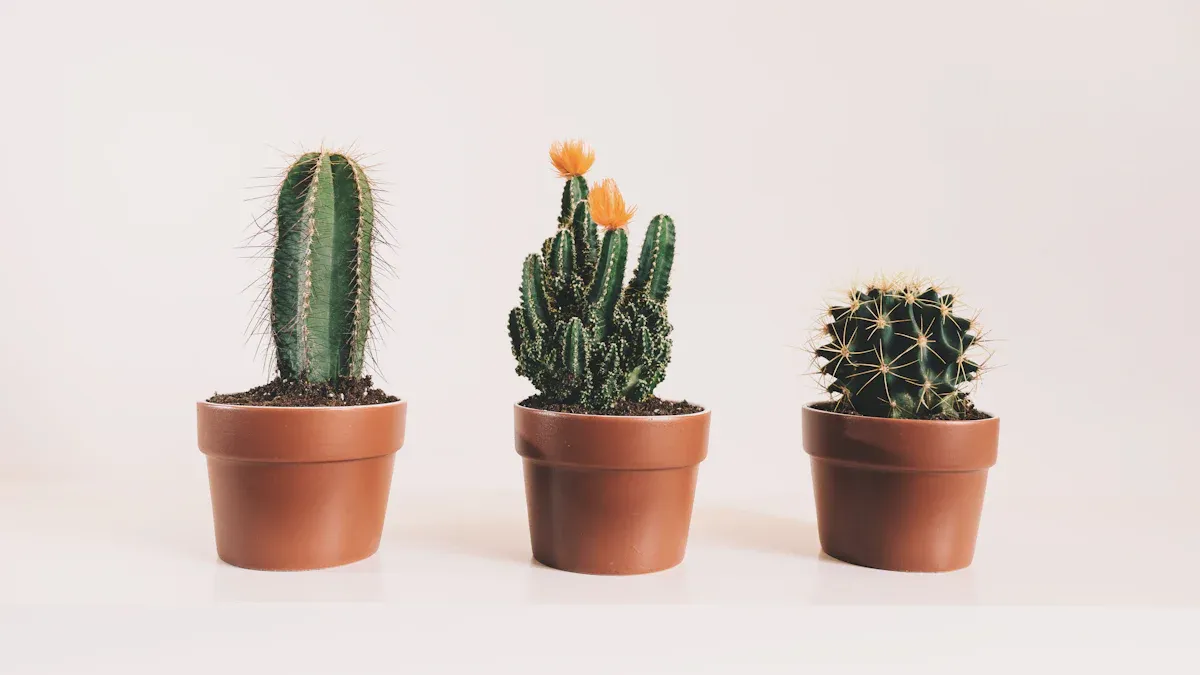
Ants can be a real nuisance for your cactus plants. They often show up because of the sweet substances some cacti produce. But did you know that certain ant species, like Crematogaster opuntiae, can harm your cactus’s health? They can influence how cacti grow and survive. It’s crucial to address this issue carefully, so you don’t damage your plants while trying to get rid of ants.
Key Takeaways
Ants are attracted to cacti due to their sweet nectar. Understanding this can help you manage their presence effectively.
Use natural repellents like peppermint, cinnamon, and lemon juice to deter ants without harming your cactus.
Regular maintenance, such as inspecting for aphids and creating barriers, is essential to prevent ants from returning.
Why Ants Are Attracted to Cactus
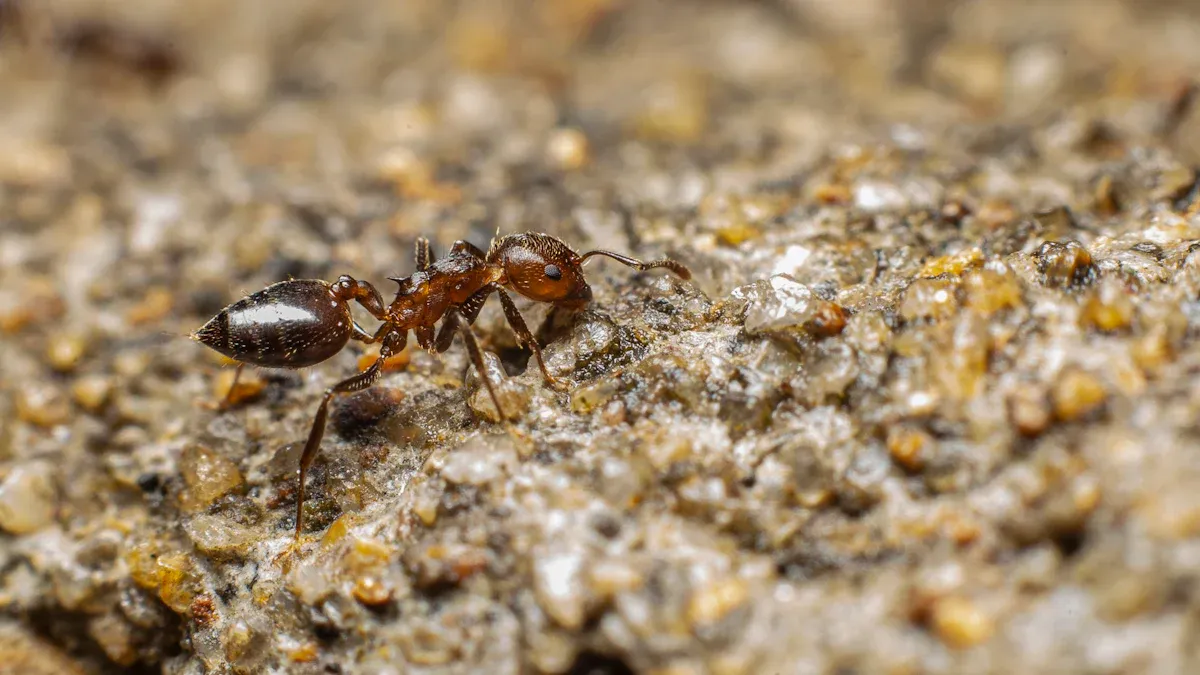
Ants find cacti irresistible for several reasons. Understanding these attractions can help you manage their presence effectively.
Common Reasons for Attraction
Cacti produce natural sugars that draw ants in. Many cactus species, like Cactus glanduliger, have extrafloral nectaries (EFNs) that secrete high-sugar nectar. This sugary treat is a significant reason ants visit your cactus. Here are some common reasons why ants are attracted to cacti:
Cacti secrete nectar from extrafloral nectaries, which attracts ants.
Ants defend the cacti from small insect herbivores, providing a protective benefit.
Ants may also help clean the cacti by removing harmful microbes.
In arid environments, cacti serve as water reservoirs, which is crucial for ant colonies.
Evidence Description | Source |
|---|---|
Cactus species like Cactus glanduliger have extrafloral nectaries that produce high-sugar nectar, attracting ants. | Link |
Ants are attracted to EFNs for sugar resources, providing protection to the plants in return. | Link |
EFNs can distract ants from pollinators while enhancing plant nutrition. | Link |
Nectar production is influenced by environmental factors, which can affect ant attraction. | Link |
More concentrated nectar is more attractive to ants under certain environmental conditions. | Link |
Potential Threats to Cactus Plants
While ants can provide some benefits, they can also pose threats to your cactus plants. Here are a few potential dangers:
Ants can damage succulent tissue, which can lead to increased vulnerability to infections.
They create tiny wounds on the plant, facilitating the entry of pathogens.
The sticky residue left by ants can promote disease development.
Additionally, ants often form a mutualistic relationship with aphids. They protect aphids from predators, ensuring their survival. In return, aphids provide ants with honeydew, a vital food source rich in sugars. This relationship can lead to an increase in aphid populations, which can further harm your cactus.
Ants protect aphids from predators, ensuring their survival.
Aphids provide ants with honeydew, a vital food source rich in sugars.
Understanding these dynamics can help you take better care of your cactus plants and manage ant populations effectively.
How to Get Rid of Ants on Cactus
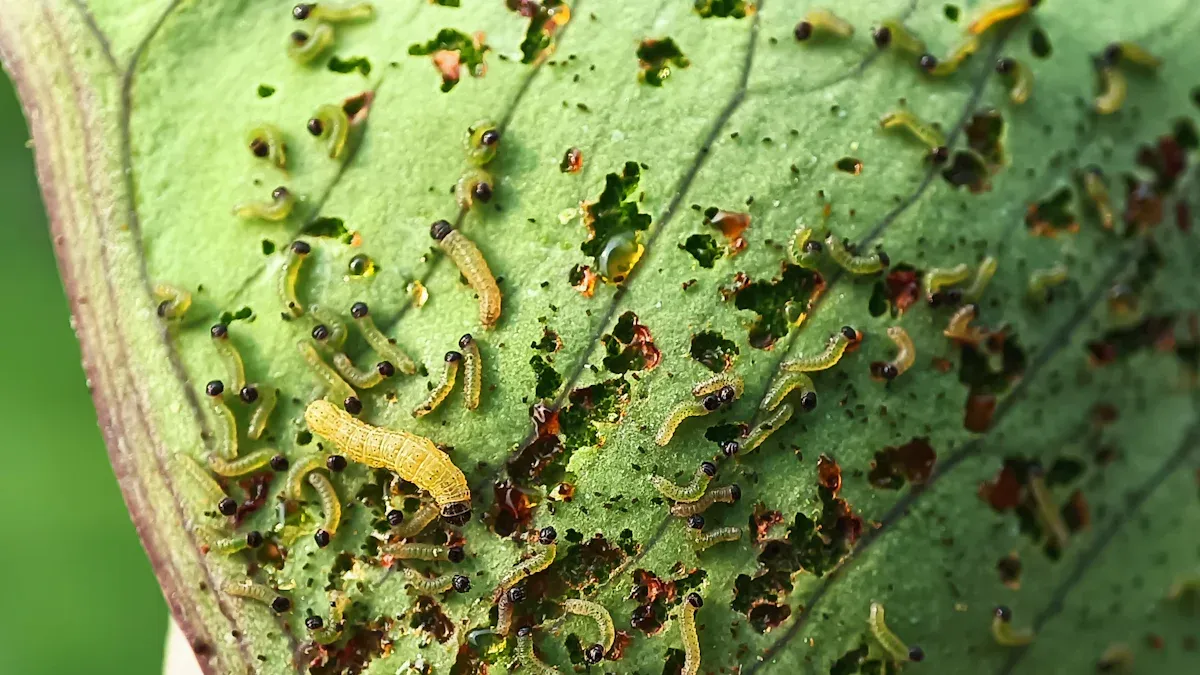
Getting rid of ants on your cactus can be a bit tricky, but don’t worry! You have several effective methods at your disposal. Let’s explore some techniques that will help you tackle this issue without harming your beloved plants.
Soaking and Drowning Techniques
One of the simplest ways to remove ants is by soaking your cactus. Here’s how you can do it:
Isolate the Plant: First, move your cactus away from other plants. This helps protect them from any potential ant invasion.
Soak the Pot: Place the pot in a basin of water, ensuring that the water level covers the drainage holes. Let it soak for about 30 minutes. This method can drown ants hiding in the soil.
Rinse the Plant: After soaking, gently rinse the cactus with clean water to wash away any remaining ants and their eggs.
This method is effective, but make sure your cactus can handle the extra moisture. If your cactus is particularly sensitive to water, consider other options.
Natural and Chemical Solutions
If you prefer a more targeted approach, you can use natural or chemical solutions to get rid of ants on succulents. Here are some effective options:
Peppermint: Ants dislike the strong scent of peppermint. You can create a peppermint spray by mixing a few drops of peppermint oil with water and spraying it around the cactus.
Cinnamon: This spice acts as a natural repellent. Sprinkle cinnamon around the base of your cactus to deter ants.
Lemon Juice: The acidity of lemon juice can mask ant trails, making it harder for them to find their way back. Squeeze some lemon juice into a spray bottle and apply it to the pot.
White Vinegar: Mix equal parts of vinegar and water. This solution can repel ants effectively when sprayed around the plant.
While these natural solutions are generally safe, be cautious with chemical options. Some pesticides can burn cactus plants and harm wildlife. Always read labels carefully and consider the environmental impact before using any chemical treatments.
Using Barriers to Keep Ants Out of Succulents
Preventing ants from accessing your cactus is just as important as removing them. Here are some effective barrier methods:
Diatomaceous Earth: This natural powder can create a barrier around your pots. It’s safe for plants and effectively deters ants.
Fine-Mesh Screens: Place fine-mesh screens over drainage holes in pots. This prevents ants from entering while allowing water to drain.
Smooth Planter Sides: Use pots with smooth and steep sides. Ants find it difficult to climb these surfaces. Just remember to clean them regularly to maintain their effectiveness.
Ant Powder: You can create a barrier around your pots using ant powder. This will help keep ants out of succulents.
By implementing these methods, you can effectively keep ants out of your cactus plants and ensure they remain healthy and thriving.
Preventing Ants from Returning
To keep ants from returning to your cactus plants, you need to make some environmental adjustments and establish a regular maintenance routine. Here are some effective strategies to help you out.
Environmental Adjustments
Start by managing the area around your cactus. Here are a few tips:
Prune nearby shrubs and trees to eliminate bridges that ants can use to reach your plants.
Seal any crevices and gaps in your home to prevent ants from entering.
Consider using sticky materials around the base of your cactus to create a physical barrier against ants.
Also, pay attention to humidity and temperature. High humidity can increase ant activity, while low humidity might cause them to alter their behavior. Keeping your cactus in a stable environment can help reduce the likelihood of infestations.
Regular Maintenance Tips
Regular maintenance is key to keeping ants away. Here are some practices you should adopt:
Create a Sticky Barrier: Use tape or a product like Tanglefoot around the pot’s base to trap ants.
Create a Moat: Place the pot in a shallow tray of water to block ants. Just make sure the pot doesn’t sit in water for too long.
Inspect New Plants: Always check new plants for ants and sap-feeding insects before adding them to your collection.
Additionally, monitor your cactus for aphids at least twice a week during the growing season. Aphids attract ants, so catching them early can prevent a bigger problem down the line. Spraying lemon juice around the cactus can also deter ants effectively.
By following these tips, you can create a less inviting environment for ants and ensure your cactus remains healthy and thriving.
In summary, you can effectively manage ants on your cactus by using various methods. Consider soaking your plant, applying natural repellents like cinnamon, or creating barriers to keep ants away. Remember, prevention is key! Regular care, such as providing adequate light and proper watering, helps maintain healthy cactus plants.
Tip: Always inspect your cactus for pests like aphids, as they attract ants.
By following this guide, you can enjoy thriving cacti without the hassle of ants!
FAQ
How can I tell if ants are harming my cactus?
Look for signs like damaged tissue, sticky residue, or aphids. If you notice these, ants may be causing harm.
What natural methods can I use to repel ants?
You can use peppermint oil, cinnamon, or lemon juice. These natural repellents effectively deter ants without harming your cactus.
How often should I check my cactus for ants?
Inspect your cactus at least once a week. Regular checks help you catch any ant problems early and keep your plant healthy.