Brown spots on your zinnia plants can be a real eyesore. They often indicate fungal infections like Alternaria Blight or Cercospora Leaf Spot. These issues not only detract from your plants’ beauty but can also reduce their overall health and flowering potential. Don’t let these spots ruin your garden—it’s time to take action and fix brown spots for a vibrant display!
Key Takeaways
Identify brown spots early to prevent further damage to your zinnias. Look for signs of fungal infections like Alternaria and Cercospora.
Prune affected leaves using clean shears to improve air circulation and stop the spread of disease. Dispose of the cut leaves properly.
Maintain proper watering practices by watering at the base of the plants and ensuring they receive enough sunlight. This helps keep your zinnias healthy and vibrant.
Causes of Brown Spots
Brown spots on your zinnia plants can stem from various issues. Understanding these causes is crucial for effective treatment and prevention. Let’s dive into the two main culprits: fungal infections and environmental factors.
Fungal Infections
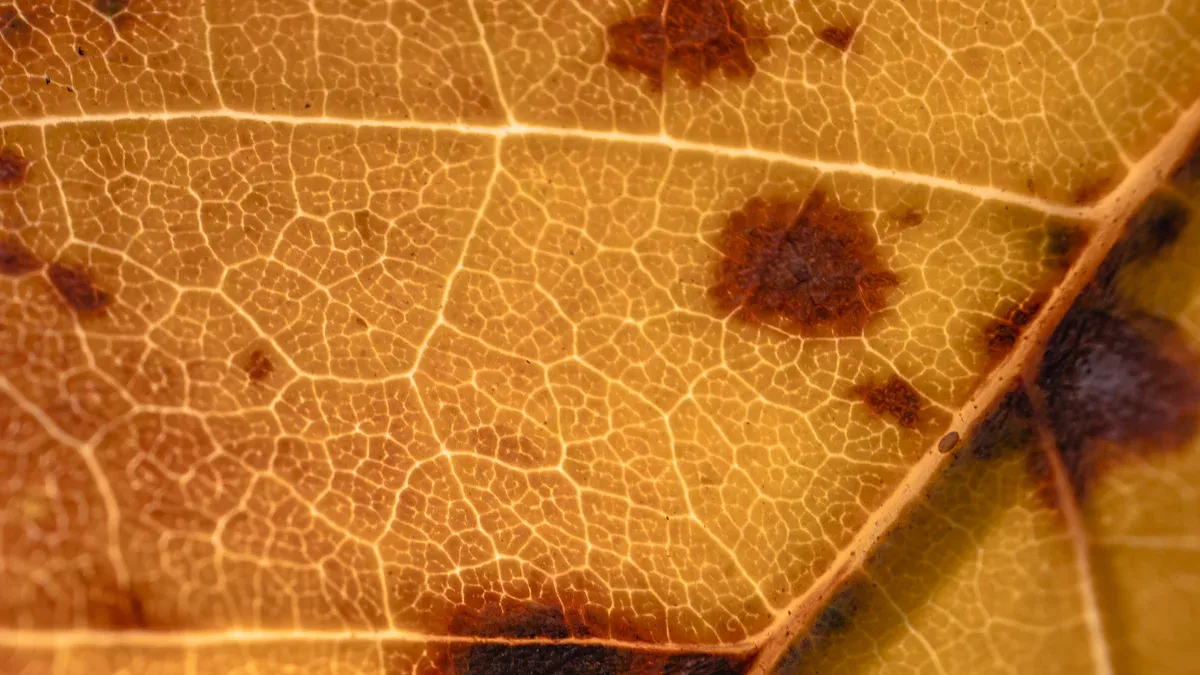
Fungal diseases are among the most common causes of brown spots on zinnias. Two notorious offenders are Alternaria zinniae and Cercospora zinniae. These fungi thrive in warm, humid conditions, making your garden a perfect breeding ground.
Here’s a quick look at these fungal infections:
Fungal Infection | Symptoms | Management Strategies |
|---|---|---|
Alternaria zinniae | Small, circular, reddish-brown spots with grayish-white centers; leaves become brown and desiccated. | Use pathogen-free seeds; plant resistant cultivars; manage irrigation to avoid wet leaves; use copper-based fungicides. |
Cercospora zinniae | Round, reddish or purplish brown spots with white or light gray centers on leaves. | Start with disease-free seeds; ensure good air circulation; use drip irrigation; apply fungicides like chlorothalonil and mancozeb. |
These fungal infections can quickly spread if not addressed. You might notice that the leaves start to wilt or even fall off, which can severely impact the overall health of your plants.
Environmental Factors
Environmental factors also play a significant role in the development of brown spots. High humidity creates an ideal environment for pathogens like Botrytis cinerea. This fungus can lead to water-soaked brown spots and fuzzy growth on your zinnias.
Temperature fluctuations can also stress your plants. If it’s too hot or too cold, your zinnias may become more susceptible to diseases. Additionally, poor air circulation can trap moisture around the plants, further encouraging fungal growth.
To keep your zinnias healthy, monitor the humidity and temperature in your garden. Make sure to space your plants adequately to allow for good airflow. This simple step can help prevent many common causes of spots.
By understanding these causes, you can take proactive steps to protect your zinnias from brown spots.
How to Fix Brown Spots
When you notice brown spots on your zinnia leaves, it’s time to take action. Here are some effective methods to fix brown spots and restore your plants to their vibrant selves.
Remove Affected Parts
One of the first steps you should take is to remove infected debris. Start by inspecting your zinnias closely. If you see any leaves with brown spots, grab a pair of clean shears and prune them away. This not only helps improve air circulation but also prevents the spread of diseases like alternaria leaf spot and cercospora leaf spot.
Here’s a quick checklist for effective pruning:
Use clean shears: This minimizes the risk of spreading pathogens.
Cut at the base: Remove the entire leaf to ensure you eliminate the infection.
Dispose of the debris: Don’t leave the cut leaves in your garden; throw them away to prevent reinfection.
Use of Copper Oxychloride
Copper oxychloride is a powerful tool in your fight against brown spots. This fungicide can effectively manage fungal infections when used correctly. However, be cautious! Overdosing or applying it during high temperatures can lead to leaf scorching or tip burn, especially on sensitive plants like zinnias.
To use copper oxychloride safely:
Follow the instructions: Always adhere to the recommended dosage on the label.
Avoid peak heat hours: Spray in the early morning or late afternoon to minimize stress on your plants.
Conduct a test spray: Before applying it to all your plants, test it on a small area to check for any adverse reactions.
If you’re looking for alternatives, consider these options:
Baking Soda Solution: Mix one tablespoon of baking soda with a gallon of water and spray it weekly on affected areas.
Organic Fungicides: Neem oil and sulfur-based fungicides can also help treat brown spots effectively.
Homemade Remedies: A mixture of baking soda, liquid soap, and water can be sprayed on affected leaves to combat fungal issues.
By taking these steps, you can significantly reduce the chances of your zinnias turning brown and keep them healthy and blooming beautifully.
Preventing Brown Spots on Zinnias
Preventing brown spots on your zinnias is all about good practices. Here are some key strategies to keep your plants healthy and vibrant.
Proper Watering Practices
Watering plays a crucial role in preventing brown spots. Here are some tips to follow:
Water at the base: Always aim to water at the base of your zinnias. This keeps the foliage dry and reduces the risk of fungal infections.
Consistency is key: Provide about 1 inch of water per week. This helps maintain consistent moisture without overwatering, which can create damp conditions that pathogens love.
Mulch it up: Apply a 2-3 inch layer of organic mulch around your plants. This not only retains moisture but also suppresses weeds and prevents soil from splashing onto the leaves.
Ensure Adequate Sunlight
Zinnias thrive in bright conditions. Here’s how to ensure they get the sunlight they need:
Full sun is best: Aim for at least six hours of direct sunlight daily. For optimal growth, eight hours or more is even better.
Space them out: Proper spacing between plants is essential. This allows for good air circulation, which helps prevent moisture retention on leaves and reduces the risk of diseases.
Choose the right spot: Plant your zinnias in a well-draining site. Good drainage is vital for preventing waterlogging, which can lead to brown spots.
By following these practices, you can significantly reduce the chances of brown spots appearing on your zinnias. Keeping your plants well-watered and sunlit will help them flourish and stay healthy!
In summary, you can keep your zinnias healthy by identifying the causes of brown spots early. Apply effective treatments like pruning and fungicides. Don’t forget preventive measures, such as proper watering and spacing. By following these steps, you’ll enjoy vibrant, blooming zinnias all season long! 🌼
FAQ
What causes brown spots on zinnias?
Brown spots on zinnias often result from fungal infections or environmental factors like humidity and poor air circulation.
How can I treat brown spots on my zinnias?
You can treat brown spots by pruning affected leaves and applying fungicides like copper oxychloride or organic alternatives.
Can I prevent brown spots on zinnias?
Yes! Ensure proper watering, provide adequate sunlight, and maintain good air circulation to help prevent brown spots.