Maintaining proper drainage in your bucket garden is crucial to drain and maintain the health of your plants. It helps prevent overwatering and root rot, which can ruin your plants. Healthy plants not only look great but also offer numerous benefits. For instance, gardening can boost your mental well-being and reduce stress. 🌱 Plus, using food-grade buckets promotes sustainability by keeping plastic out of landfills. Here are a few more reasons why you should care for your bucket garden:
You can save money on fresh produce.
It allows for self-sufficiency in food production.
Taking care of your garden means enjoying these benefits while nurturing your plants!
Key Takeaways
Ensure proper drainage in your bucket garden to prevent root rot and keep plants healthy.
Regularly check soil moisture to avoid overwatering; adjust your watering schedule based on climate conditions.
Use food-grade buckets with drainage holes for safe and effective container gardening.
Incorporate perlite or coarse sand at the bottom of buckets for better drainage and root health.
Prune and harvest regularly to promote growth and increase your garden’s yield.
Drain and Maintain: Understanding Needs
Importance of Drainage
When you garden in buckets, proper drainage is essential for your plants’ health. Without it, excess water can accumulate, leading to root rot and other issues. Research by Hsieh and Gardner shows that water movement through different soil layers affects drainage. Water won’t move into a drainage layer until the potting medium is nearly saturated. This means that if your soil is too wet, your plants can suffer.
To ensure effective drainage, consider these tips:
Use buckets with drainage holes.
Add a layer of coarse material, like gravel, at the bottom. This helps prevent water from sitting in the soil.
Incorporate sand into your potting mix. Ruter’s findings suggest that a sand drainage layer can eliminate perched water tables, keeping your plants happy.
Signs of Overwatering
Overwatering can sneak up on you, but there are clear signs to watch for. Regularly check your soil for moisture. You can do this by pushing your finger about an inch or two into the soil. If it feels soggy, it’s time to cut back on watering. Here are some common signs of overwatering:
Wilting leaves, even when the soil is wet.
Yellowing leaves, which can indicate stress.
Root rot, which often shows up as a foul smell coming from the soil.
By keeping an eye out for these signs, you can adjust your watering habits and keep your bucket garden thriving. Remember, it’s all about finding that balance between moisture and drainage!
Proper Drainage Techniques
Choosing the Right Buckets
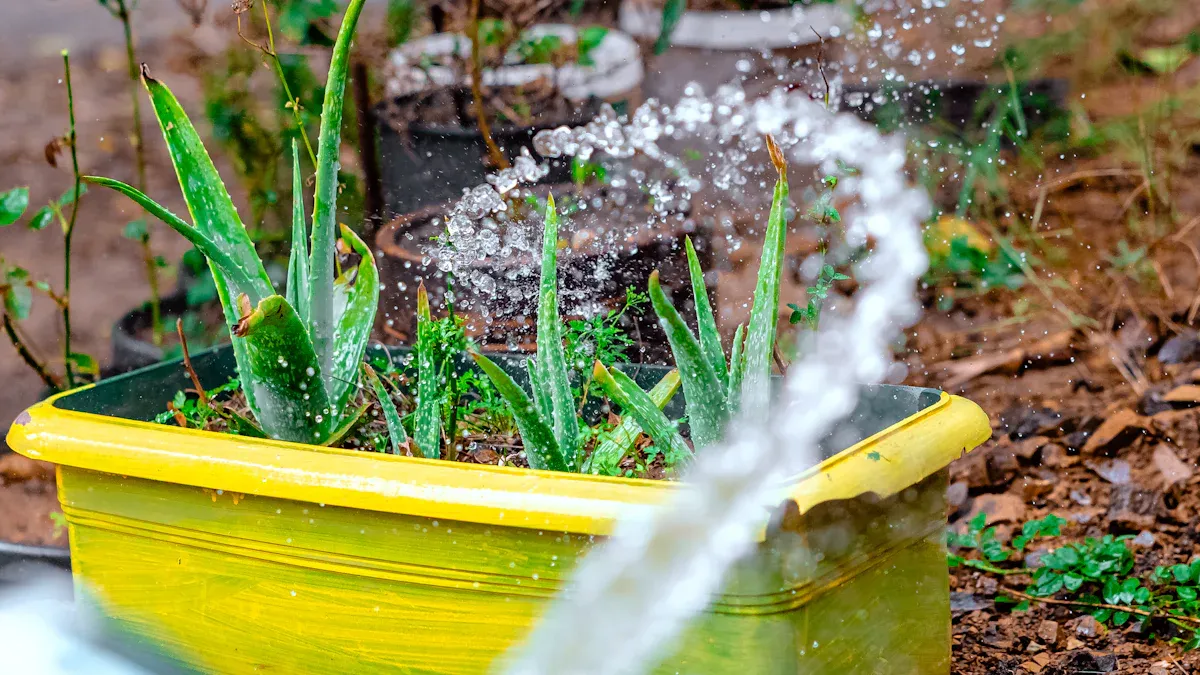
Selecting the right buckets is the first step in ensuring effective drainage for your container garden. Here’s a quick guide to help you choose:
Bucket Type | Characteristics |
|---|---|
5-gallon bucket | Ideal for container gardening, inexpensive, food-grade, deep enough for root growth |
Diameter | At least 12 inches to ensure adequate space for plants |
Condition | Should be without signs of damage to ensure durability |
Drainage | Must have holes for excess water to prevent root rot |
When you pick your buckets, make sure they are food-grade. This ensures that no harmful chemicals leach into your soil. Also, check for any cracks or damage that could compromise the integrity of the bucket.
Creating Drainage Holes
If your bucket doesn’t have drainage holes, you’ll need to create some. Proper drainage holes are crucial for allowing excess water to escape, which helps prevent root rot. For standard bucket gardens, aim for holes that are ½ inch in size and spaced about 2 inches apart at or near the bottom of the container.
Here’s how to create drainage holes effectively:
Use a sharp twist bit made from black oxide for smooth drilling.
Place a piece of scrap wood underneath the planter to prevent cracking.
Start with a small pilot hole and gradually increase the size if needed.
Work slowly to avoid melting the plastic, which can cause the hole to close up.
Clean up any plastic shavings after drilling.
By following these steps, you can ensure that your buckets have the necessary drainage holes for healthy plant growth.
Using Drainage Materials
The materials you use at the bottom of your buckets can significantly impact drainage efficiency. While many gardeners might think gravel is the best option, it can actually create problems. Dr. Linda Chalker-Scott explains that water won’t move from finer soil to coarser gravel until the finer soil is saturated. This can lead to overwatering, as the water doesn’t drain as expected, potentially causing root rot.
Instead, consider using perlite or coarse sand. These materials allow for better drainage and air circulation around the roots. Here are some tips for using drainage materials:
Avoid gravel: It can create a perched water table that raises the water level in the container, potentially smothering the roots.
Use perlite or coarse sand: These materials promote better drainage and help maintain a healthy root environment.
By choosing the right drainage materials, you can enhance the health of your plants and ensure they thrive in your bucket garden.
Container Gardening Tips for Maintenance
Watering Techniques
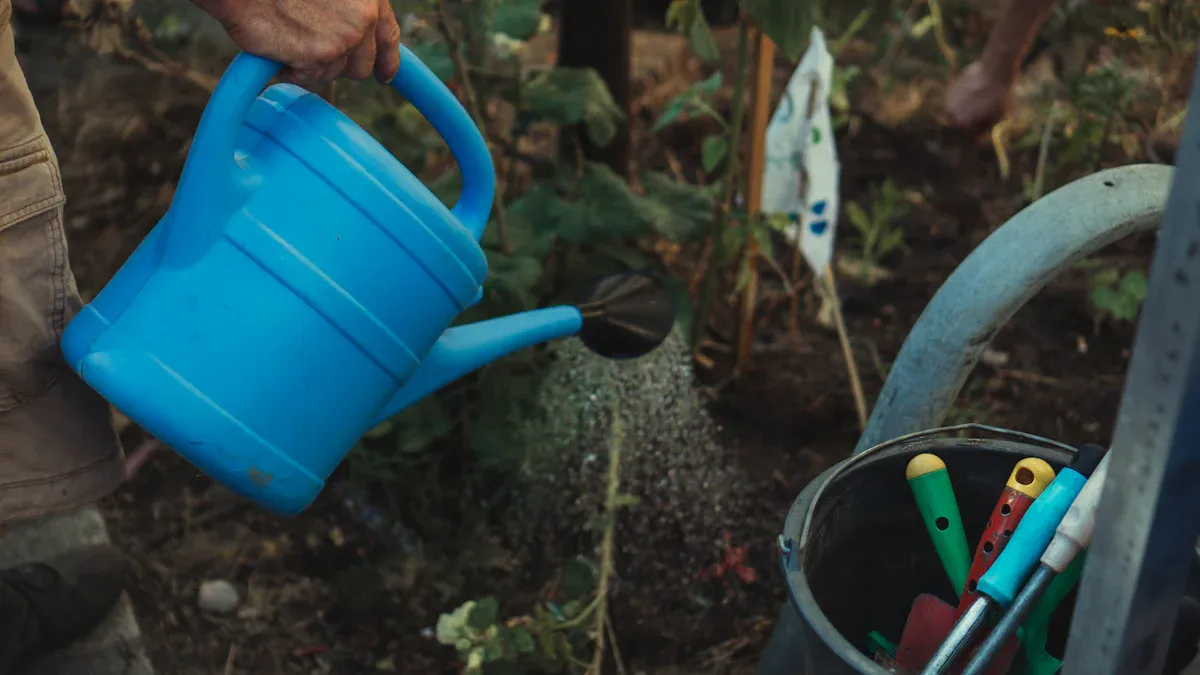
Watering your bucket garden properly is key to keeping your plants healthy. You want to ensure that your plants receive enough moisture without drowning them. Here are some effective watering techniques:
Water Deeply: When you water, make sure to soak the soil thoroughly. This encourages roots to grow deeper, which helps your plants access more nutrients and moisture.
Check Soil Moisture: Stick your finger into the soil about an inch deep. If it feels dry, it’s time to water. If it’s still moist, hold off for a bit.
Adjust for Climate: Your watering schedule should change based on the climate. For example, in hot and dry conditions, you may need to water more frequently.
Here’s a handy table to guide you on watering times based on container size and climate:
Container Size | Cool Climate (minutes) | Warm/Humid Climate (minutes) | Hot/Dry Climate (minutes) |
|---|---|---|---|
Small Containers | 15 | 20 | 30 |
Window Boxes | 20 | 25 | 35 |
Larger Containers | 25 | 30 | 40 |

Fertilization Practices
Your plants need nutrients to thrive, especially in a container garden where soil can deplete quickly. Here are some fertilization practices to keep in mind:
Regular Feeding: Start fertilizing your plants two to six weeks after planting. This timing helps replenish nutrients that may wash away with watering. Monthly feeding during the growing season is ideal.
Choose the Right Fertilizer: Use a granular slow-release organic fertilizer or chicken manure pellets for an extra nutrient boost. For fruiting plants, opt for fertilizers high in potassium to support flowering and fruit production.
Diluted Seaweed Solution: Consider using a diluted seaweed solution monthly. It promotes overall plant health and can enhance growth.
Remember, always follow the manufacturer’s instructions to avoid over-fertilization, which can harm your plants.
Pruning and Harvesting
Pruning and harvesting are essential for maintaining a productive bucket garden. Here are some tips to help you groom your container gardens effectively:
Start from the Bottom: When pruning, begin at the bottom of the plant and work your way up. This method helps maintain the plant’s shape and encourages new growth.
Remove Diseased Leaves: Always take off any diseased or pest-infested leaves, no matter where they are on the plant. This practice helps protect your garden from spreading issues.
Harvest at the Right Time: Regular harvesting boosts overall yield. Pick your crops at their peak for the best flavor. Morning is the best time to harvest, as it helps maintain moisture and quality.
By following these container gardening tips, you can ensure your plants stay healthy and productive throughout the growing season.
Common Issues and Solutions
Identifying Root Rot
Root rot can be a sneaky problem in bucket gardens. It often stems from poor drainage and excessive moisture. You might notice yellowing leaves, stunted growth, or wilting plants. Healthy roots should be firm and white, while unhealthy ones appear soft, brown, or even black. If you suspect root rot, gently remove the plant from its container and check the roots. An unpleasant smell and soggy soil are also telltale signs. Common culprits include Phytophthora spp. and Pythium spp., which thrive in wet conditions. To prevent root rot, ensure your buckets have proper drainage and avoid overwatering.
Pests and Diseases
Pests can wreak havoc on your bucket garden. Here are some common pests and how to deal with them:
Aphids: Use a strong stream of water to dislodge them or apply neem oil.
Colorado Potato Beetles: Hand-pick adults and larvae, and squish their eggs.
Caterpillars: Use BT (Bacillus thuringiensis) for treatment and hand-pick larger ones.
Diseases like fungal infections can also affect your plants. Fungal diseases often cause issues like black spot and powdery mildew. To combat these, maintain cleanliness and avoid overhead watering. Using resistant plant varieties can also help.
Seasonal Care Adjustments
Adjusting your care routine with the seasons is vital for a thriving bucket garden. Here’s a quick guide:
Spring: Clean your containers, prepare fresh potting mix, and start cool-season crops.
Summer: Monitor water needs closely, provide shade during the hottest parts of the day, and harvest regularly.
Fall: Clean up spent plants, plant cool-season crops, and evaluate your garden’s performance.
Winter: Store containers properly, clean your tools, and plan for next year’s garden.
By staying vigilant and adjusting your care routine, you can tackle these common issues and keep your bucket garden flourishing! 🌼
In summary, maintaining your bucket garden is all about proper drainage and regular care. Remember to create drainage holes, use the right materials, and keep an eye on watering and fertilization. These practices ensure your plants thrive and stay healthy. 🌿
Key Takeaways:
Proper drainage prevents root rot.
Regular soil maintenance supports plant vitality.
Pruning promotes air circulation and healthy growth.
Now, it’s your turn! Share your gardening experiences or ask any questions you might have. Happy gardening! 🌼
FAQ
What type of container is best for a bucket garden?
You should choose food-grade plastic containers, like 5-gallon buckets. They provide enough depth for root growth and are affordable. Ensure they have drainage holes to keep your plants healthy.
How often should I water my container garden?
Water your container garden when the top inch of soil feels dry. In hot weather, you may need to water daily. Always check the moisture level to avoid overwatering.
Can I use regular garden soil in my containers?
It’s best to avoid regular garden soil in containers. Instead, use a lightweight potting mix designed for container gardening. This mix promotes better drainage and root health.
How do I know if my plants need fertilizer?
If your plants show slow growth or yellowing leaves, they may need fertilizer. Regular feeding every month during the growing season helps replenish nutrients in your container.
What should I do if I notice pests in my container garden?
Inspect your plants regularly for pests. If you find any, remove them by hand or use organic pest control methods like neem oil. Keeping your container garden clean helps prevent infestations.