

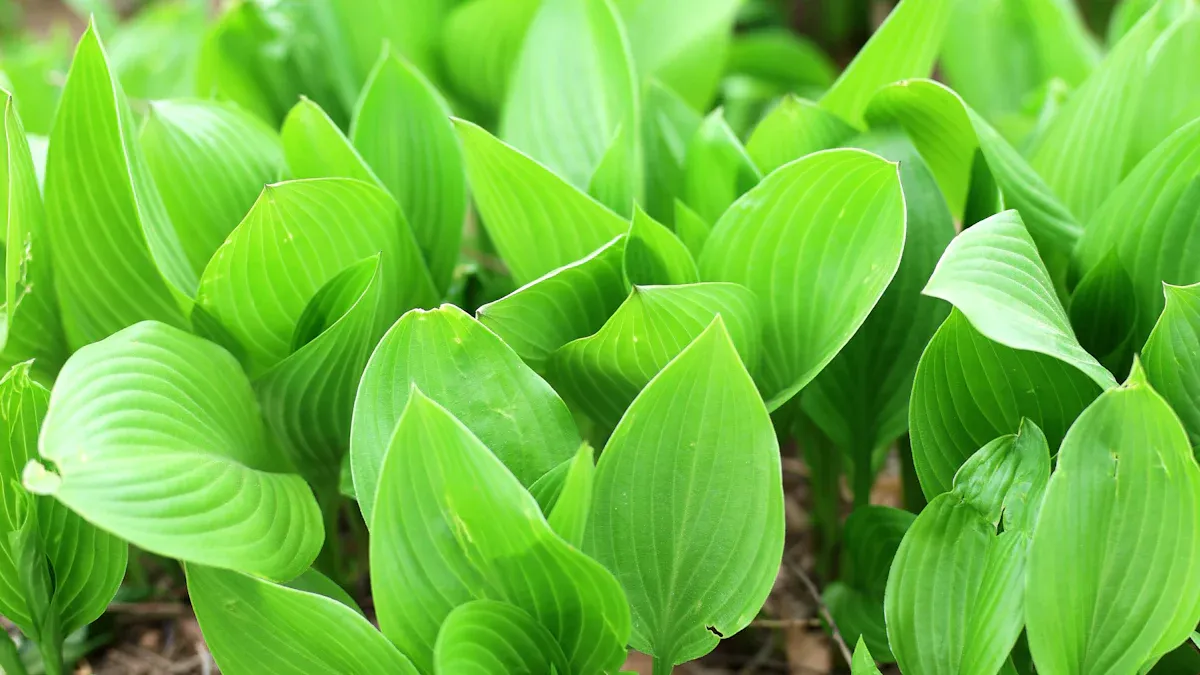
Dividing hostas is key to keeping your plants healthy and thriving. Not only does it prevent overcrowding, but it also promotes vibrant foliage. Here are some benefits of dividing your hostas:
It reduces the risk of transplant shock.
You can clean up your plants by removing dead parts.
It injects vigor back into the mother plant.
You get the chance to create new plants!
With the right timing and methods, you can successfully divide hostas and enjoy a flourishing garden.
Key Takeaways
Divide hostas in early spring or early fall for the best results. This timing helps minimize stress and promotes healthy growth.
Look for signs like overcrowding or bald spots to know when to divide your hostas. Regular division every 3 to 5 years keeps them vibrant.
Use the right tools, such as a garden spade and pruning shears, to make the division process easier and more effective.
After dividing, water your hostas thoroughly and apply mulch to retain moisture. This care helps them recover and thrive.
Dividing hostas not only improves their appearance but also allows you to create new plants, enhancing your garden without extra costs.
Timing to Divide Hostas
When it comes to dividing hostas, timing is everything. You want to make sure you choose the right season to ensure your plants thrive after the division.
Best Seasons
The best times to divide hostas are early spring and early fall. Here’s why:
Season | Reason |
|---|---|
Early Spring | This is ideal because the plant’s roots are waking up, making them easier to handle with minimal disruption. |
Early Fall | This season offers cool evenings and warm soil, which helps roots establish before the first frost. |
Dividing hostas in early spring is particularly beneficial. The plants are just waking up from dormancy, so you minimize disruption to their foliage. On the other hand, early fall is also a solid option. The cooler temperatures help reduce stress on the plants, allowing them to settle in before winter.
However, avoid dividing hostas in mid-summer. The heat can stress the plants, limiting their ability to recover.
Signs for Division
Now that you know when to divide hostas, how do you know when it’s time? Here are some signs that indicate your hostas need dividing:
Signs Indicating Division | Description |
|---|---|
Overcrowded clumps | If you notice hostas competing for space, it’s time to divide them. |
Bald spots or dead centers | An empty center surrounded by leaves suggests the plant is running out of resources. |
Shrinking size | Fewer or smaller leaves may signal root congestion or declining vigor. |
If you see any of these signs, it’s a good idea to consider dividing your hostas. Remember, hostas should ideally be divided every few years to keep them healthy and vibrant.
By paying attention to the seasons and the signs your plants give you, you can ensure that your hostas continue to thrive in your garden.
Tools to Divide Hostas
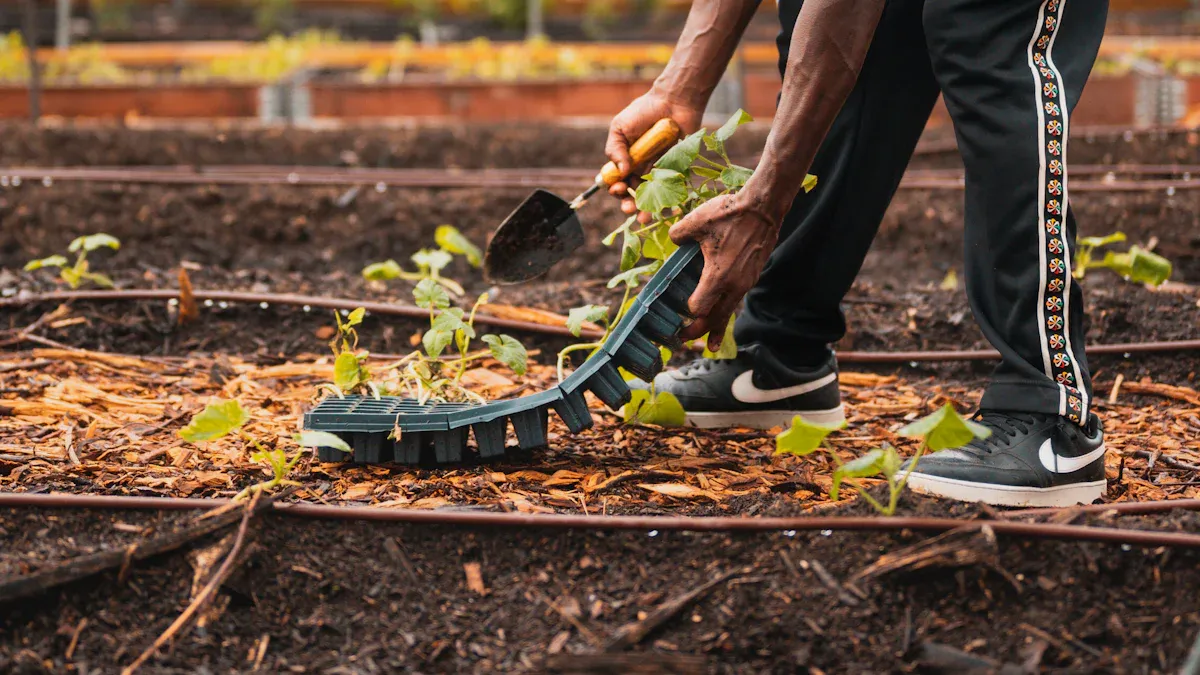
When you decide to divide hostas, having the right tools makes the process smoother and more efficient. Here’s a list of essential tools you’ll need:
Essential Tools
Garden Spade: A sturdy spade helps you dig around the hosta clump without damaging the roots.
Hand Trowel: This smaller tool is perfect for loosening soil and digging out smaller divisions.
Pruning Shears: Use these to trim any dead or damaged leaves before you start dividing.
Garden Fork: A fork can help you gently lift the clump from the ground.
Watering Can: After dividing, you’ll want to give your hostas a good drink.
Tip: Always sterilize your tools before starting. This practice helps prevent the spread of diseases. You can do this by cleaning your tools with a bleach solution or rubbing alcohol.
Safety Gear
Safety should always come first when gardening. Here are some items to consider:
Gloves: Protect your hands from sharp tools and potential irritants in the soil.
Knee Pads: If you’re working close to the ground, knee pads can save your knees from discomfort.
Safety Glasses: If you’re using tools that might fling dirt or debris, wearing safety glasses is a smart choice.
Using sterilized tools is crucial for successful hosta division. According to best practices, you should thoroughly clean your tools between plants. This step helps avoid transferring any diseases. Here’s a quick overview of effective management practices:
Management Practices for Hosta Division |
|---|
Immediate removal and destruction of infected plants |
Thorough tool sterilization between plants during division or cutting |
Purchasing certified virus-free stock from reputable suppliers |
Regular bleach-solution cleaning of garden tools during maintenance |
By gathering the right tools and prioritizing safety, you’ll set yourself up for a successful hosta division experience.
How to Divide Hostas
Dividing hostas can seem daunting, but with a clear plan, you can do it successfully. Here’s a step-by-step guide to help you through the process:
Step-by-Step Process
Water the Hostas: A day or two before you start, give your hostas a good drink. This hydration helps them recover from the shock of division.
Prepare the Site: Get your new planting spots ready. Make sure the soil is loose and well-draining to minimize root exposure.
Dig Up the Hosta: Use a clean garden fork to pry your hosta from the ground. Be careful to leave space around the outer leaves to protect them.
Tease Apart the Roots: Gently pull the roots apart with your hands. Hostas usually separate easily, so don’t worry if it feels a bit tricky at first.
Create Smaller Divisions: If you want new plants, make sure each section has roots and 1-3 good buds. This ensures they have what they need to thrive.
Replant Immediately: Place the divisions in their new spots, firming the soil around them. Mulch with organic matter to help retain moisture.
Following these steps will help you divide hostas effectively. Remember, the best time to do this is in early spring when they are just starting to bud. This timing minimizes the impact on their appearance and allows them to grow back beautifully.
Replanting Techniques
After you divide hostas, proper replanting techniques are crucial for their survival. Here are some tips to ensure your divided hostas thrive:
Choose the Right Time: Dividing hostas in early spring gives them the best chance to establish themselves.
Ensure Healthy Divisions: Each division should have at least three leafing shoots. This promotes healthy growth and a fuller appearance.
Water Extensively: After transplanting, water your hostas thoroughly. This helps them recover from any shock they might experience.
Here’s a quick checklist for replanting:
Water the hosta before dividing.
Prepare the new planting sites.
Dig up the hosta carefully.
Split the root clumps, ensuring each has enough roots and shoots.
Replant immediately and water thoroughly.
Taking care of the roots is essential. Make sure they are intact and healthy for better nutrient absorption. Proper site selection and preparation, including soil quality and drainage, significantly impact plant health after replanting. Keeping the soil moist during this process minimizes stress on the plants.
By following these steps and techniques, you can successfully divide hostas and enjoy a vibrant garden filled with healthy plants.
Care After Dividing Hostas
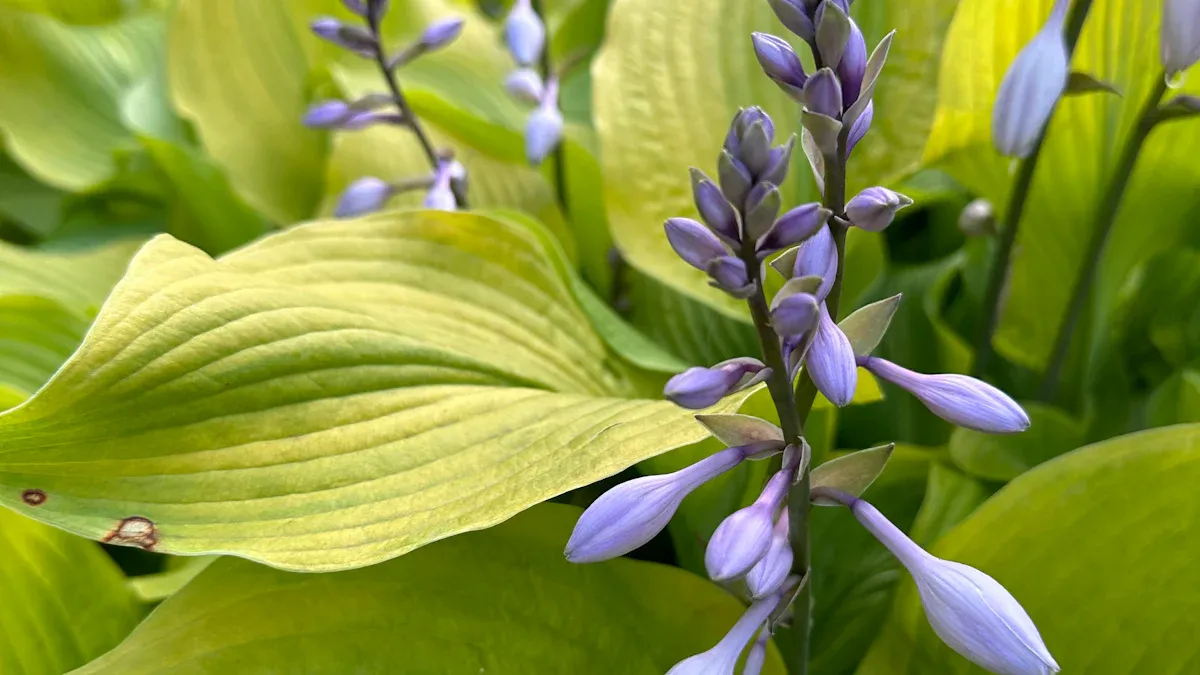
After you divide hostas, proper care is essential for their recovery and growth. Let’s dive into how you can ensure your newly divided hostas thrive.
Watering and Fertilizing
Watering is crucial right after you divide hostas. Here’s what you should do:
For hostas divided in spring: Water every other day for the first few weeks. After that, water a few times a week during the first growing season. Keep an eye on the soil moisture.
For hostas divided in fall: Water regularly for the first two weeks after planting. Then, water weekly or more during dry spells in the first growing season.
Fertilizing also plays a big role in helping your hostas bounce back. Here are some tips:
Use a complete, balanced slow-release fertilizer each spring, following the label directions.
Granular fertilizers work best for newly planted hostas. They minimize errors compared to liquid fertilizers.
Fertilize after the last frost to avoid encouraging new growth during freezing temperatures. A 10-10-10 fertilizer is a great option for hostas.
Sunlight and Soil Needs
Hostas thrive in the right sunlight and soil conditions. Most hostas prefer partial to full shade. Here’s a quick look at their sunlight requirements:
Hosta Type | Sunlight Requirement |
|---|---|
General Hostas | Tolerate 4 hours of sun or less |
Variegated Varieties | Benefit from more sunlight for color |
Dark-blue Foliage | Best in moderate to deep shade |
When it comes to soil, hostas recover quickly when planted in well-prepared soil. They thrive in well-worked soil that retains moisture. Adding compost can enhance water retention and improve fertility.
After planting, apply a 2 to 3-inch layer of mulch around your hostas. This helps prevent moisture evaporation and keeps weeds at bay. Good mulch options include shredded leaves, pine straw, or bagged mulch. Remember, hostas need consistent moisture to flourish, especially during the growing season.
By following these care tips, you’ll set your divided hostas up for success. With the right attention, they’ll reward you with lush foliage and vibrant colors.
Dividing hostas is a rewarding task that can greatly enhance your garden. Remember to choose the right time, like early spring or fall, to ensure your plants thrive. Use the right tools and techniques to make the process smoother. After dividing, give your hostas the care they need, including proper watering and mulching.
Here are some benefits of proper hosta division:
Improved appearance: Dividing hostas alleviates overcrowding, enhancing their visual appeal.
Enhanced growth potential: More space allows roots to absorb nutrients and water, promoting healthier growth.
Cost-effectiveness: You can propagate new plants without additional costs, enriching your garden.
So, why wait? Get out there and divide hostas! With a little effort, you’ll enjoy vibrant plants for years to come.
FAQ
What is the best time to divide hostas?
You should divide hostas in early spring or early fall. These seasons provide optimal conditions for root establishment and minimize stress on the plants.
How often should I divide my hostas?
Aim to divide your hostas every 3 to 5 years. This practice keeps them healthy, vibrant, and prevents overcrowding in your garden.
Can I divide hostas in summer?
It’s best to avoid dividing hostas in summer. The heat can stress the plants, making it harder for them to recover and thrive afterward.
What should I do if my hostas look unhealthy after dividing?
If your hostas appear unhealthy, check their watering and sunlight conditions. Ensure they receive adequate moisture and the right amount of shade to promote recovery.
How do I know if my hostas are ready to be divided?
Look for signs like overcrowded clumps, bald spots in the center, or shrinking size. These indicate that your hostas need division for better health and growth.