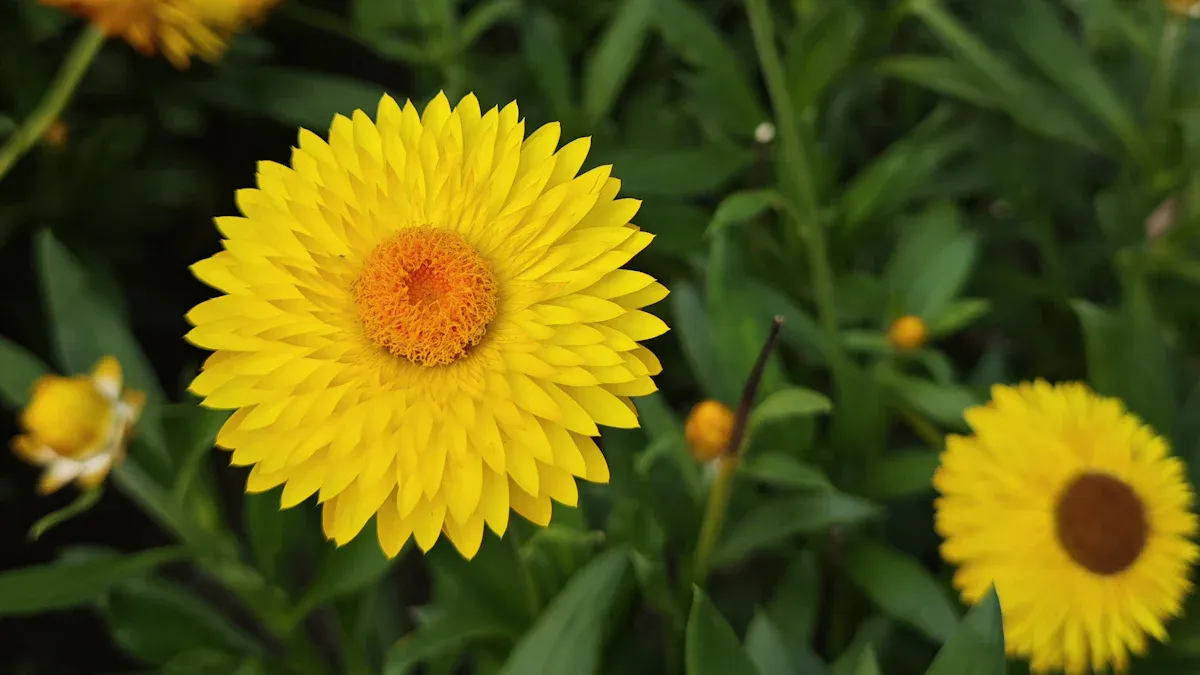
Helichrysum plants generally grow between 1 and 3 feet tall, making it essential to understand how to Helichrysum plant grow for your gardening and landscaping plans. For instance, Helichrysum italicum can reach about two feet in height and spread to three feet wide. This growth pattern helps you determine spacing and overall design in your landscape.
Here’s a quick look at the average heights of some common Helichrysum species:
Species | Average Height |
|---|---|
Helichrysum arenarium | up to 0.30 metres |
Helichrysum italicum | about 47.5 cm |
Key Takeaways
Helichrysum plants typically grow between 1 to 4 feet tall, depending on the species. Choose the right species based on your garden’s space.
Provide Helichrysum plants with 6-8 hours of direct sunlight daily. This exposure is crucial for healthy growth and vibrant flowers.
Use well-draining soil with a pH of 6.0-7.0. This soil quality helps prevent root rot and supports plant health.
Water Helichrysum plants when the top inch of soil feels dry. This practice prevents overwatering and promotes strong root development.
Regularly prune your Helichrysum plants to encourage bushier growth. Light pruning after flowering helps maintain their shape.
Height of Helichrysum
Common Species Heights
Helichrysum plants come in various species, each with its unique height. Understanding these heights helps you choose the right plant for your garden or landscape. Here are some common species and their average heights:
Helichrysum italicum: This species typically grows between 50 to 70 cm (about 20 to 28 inches). It features linear and long leaves, with two subspecies showing differences in height and leaf size.
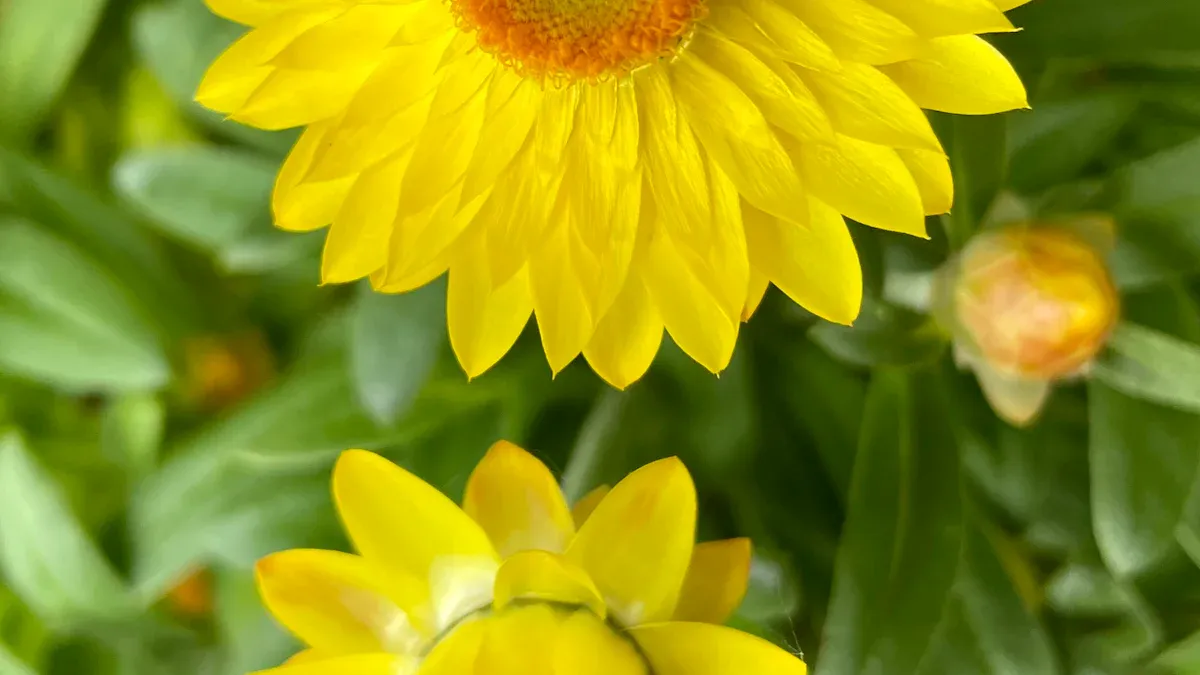
Helichrysum bracteatum: Known for its vibrant flowers, this species can reach heights of up to 90 cm (approximately 35 inches).
Helichrysum petiolare: This variety usually grows to about 30 to 60 cm (12 to 24 inches) and has a trailing habit, making it ideal for hanging baskets.
Variability in Height
The height of Helichrysum plants can vary significantly based on several factors. These factors include species differences, environmental conditions, and care practices.
Note: When selecting a Helichrysum for your garden, consider the specific height and growth habits of the species. This knowledge will help you plan your space effectively.
Here’s a table summarizing the height ranges and some morphological traits of different Helichrysum species:
Species | Height Range | Morphological Traits |
|---|---|---|
Helichrysum italicum | 50–70 cm | Linear and long leaves, two subspecies with phenotypic differences in height and leaf size |
Helichrysum bracteatum | Up to 90 cm | Bright, colorful flowers with a sturdy stem |
Helichrysum petiolare | 30–60 cm | Trailing growth habit, soft, fuzzy leaves |
By understanding these variations, you can better plan how to incorporate these beautiful plants into your gardening projects.
Factors Influencing Growth
Understanding the factors that influence how tall your Helichrysum plants grow is crucial for successful gardening. Several key elements play a role in their development.
Environmental Conditions
Environmental conditions significantly affect the height of Helichrysum plants. Here are some important factors to consider:
Environmental Condition | Description |
|---|---|
Temperature | Helichrysum plants are slightly frost hardy. They thrive in summer heat and can survive the first frost in fall. |
Sunlight | These plants require abundant, bright, and direct light. Aim for 6-8 hours of sunlight daily for optimal growth. |
Water | Helichrysum prefers soil that dries out between waterings. Overwatering can lead to root rot, so be cautious. |
Humidity | Maintain moderate humidity levels for best results. Extreme humidity can hinder growth. |
Soil Quality
Soil quality is another critical factor in the growth of Helichrysum plants. The right soil conditions can maximize their height and overall health. Here are some soil qualities to keep in mind:
Soil Quality | Description |
|---|---|
Well-draining soil | Use sandy or loamy soil to prevent excess water retention, reducing the risk of root rot. |
pH level | Aim for a pH between 6.0 and 7.0. This range provides slightly acidic to neutral conditions, enhancing nutrient availability. |
Research shows that plants thrive in slightly acidic to neutral pH levels. This balance supports microbial activity, which is essential for plant growth.
Care Practices
Proper care practices can also promote taller growth in Helichrysum plants. Here are some tips to follow:
Light: Ensure your plants receive full to partial sun. Indirect filtered light works well too.
Water: Water when the top 25% of the soil is dry. Regular watering is beneficial, but avoid soggy soil.
Food: Fertilize once a month with diluted liquid fertilizer or use slow-release fertilizer as per instructions.
Additional Care: Pinch back growth to encourage bushier and thicker plants.
By paying attention to these factors, you can help your Helichrysum plants grow taller and healthier.
How to Grow Helichrysum
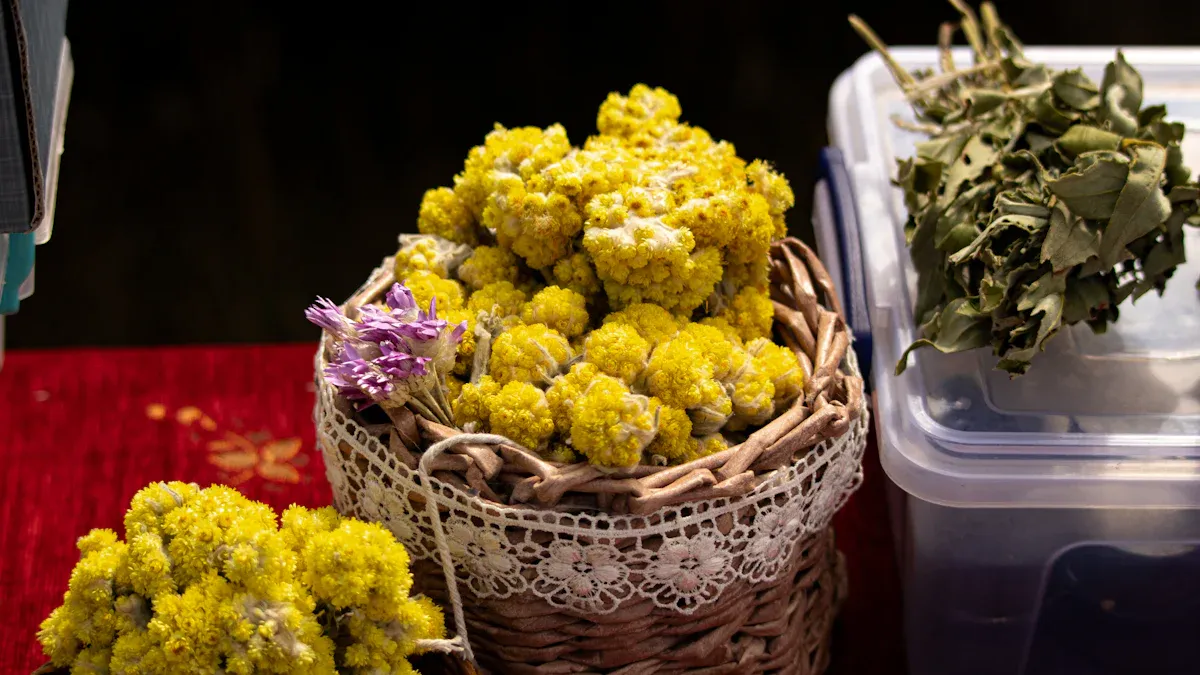
Growing Helichrysum plants successfully involves understanding their ideal conditions, watering needs, fertilization, and pruning techniques. By following these guidelines, you can help your Helichrysum thrive and reach its full height potential.
Ideal Conditions
To ensure your Helichrysum plants grow well, provide them with the following ideal conditions:
Sunlight: Place your plants in a location that receives full sun. Aim for at least 6 to 8 hours of direct sunlight each day. This exposure encourages healthy growth and vibrant flowers.
Temperature: Helichrysum prefers warm temperatures. They thrive in summer heat but can tolerate light frost. Protect them from extreme cold to maintain their health.
Soil: Use well-draining soil, such as sandy or loamy mixes. This type of soil prevents water retention, which can lead to root rot.
Tip: Monitor your plants regularly to ensure they receive the right amount of sunlight and warmth.
Watering and Fertilization
Proper watering and fertilization are crucial for the growth of Helichrysum plants. Here’s how to manage these aspects effectively:
Watering Schedule: Allow the soil to dry out between waterings. Helichrysum plants need regular watering, but overwatering can harm them. A good rule of thumb is to provide about 0.5 cups of water every 9 days. This schedule helps maintain moisture without saturating the roots.
Fertilization: Fertilizing your Helichrysum can significantly impact their height and overall health. Here’s a table showing different fertilization treatments and their effects:
Fertilization Treatment | Plant Height (cm) | Growth Index (cm³) | Vase Life (days) |
|---|---|---|---|
Purple + 200 mg L-1 + 300 mg L-1 | 38.70 | 1970.4 | 7.67 |
Yellow + 400 mg L-1 + 150 mg L-1 | 32.27 | 945.1 | 6.33 |
White + 200 mg L-1 + 0 mg L-1 | 18.78 | 274.2 | 4.32 |
Note: Use a balanced fertilizer once a month. This practice supports healthy growth and enhances flowering.
Pruning Techniques
Pruning is essential for encouraging vertical growth in Helichrysum plants. Here are some effective techniques:
Cutting Back: To promote vertical growth, cut back just below the flower stems. This method encourages new shoots to emerge, which are vital for optimal growth.
Regular Maintenance: Lightly prune your plants regularly to maintain their shape and health. Avoid heavy pruning, as it can ruin the plant’s appearance and hinder recovery.
Older Plants: For older Helichrysum plants, consider making more drastic cuts to stimulate fresh growth. This approach can rejuvenate the plant and encourage new height.
Warning: Over-pruning can lead to structural issues, making the plant fall apart. Always aim for a balanced approach to pruning.
By following these guidelines on how to grow Helichrysum, you can create a thriving environment for your plants. With the right care, your Helichrysum will flourish and add beauty to your garden.
Varieties of Helichrysum
Helichrysum plants come in various species, each with unique characteristics and height ranges. Understanding these varieties helps you choose the right one for your garden. Here are three notable species:
Helichrysum Petiolare
Helichrysum petiolare typically reaches an average height of 12 to 18 inches. This perennial variety features trailing stems and woolly leaves. The flowers are often insignificant, but the plant is known for its attractive foliage. Here are some key characteristics:
Characteristic | Helichrysum petiolare |
|---|---|
Propagation | Vegetative and by seed |
Flowering Period | Mid-summer |
Seed Production | Abundant by early autumn |
Branch Growth | Lax and sprawling; roots when touching ground |
Active Growth Period | Spring and early summer |
Dormancy | Semi-dormant after seed set |
Helichrysum Bracteatum
Helichrysum bracteatum, also known as strawflower, can grow between 24 to 36 inches tall. This annual variety showcases papery flowers that come in various colors. It is popular for its long-lasting blooms, making it a favorite in floral arrangements. Here are some details:
Height ranges from 1′ to 5′ (30cm to 150cm).
The plant creates vertical interest in garden designs.
It adapts well to different garden environments.
Helichrysum Heldreichii
Helichrysum heldreichii is another interesting variety. This species typically grows to about 12 to 24 inches tall. It features silvery leaves and bright yellow flowers. This plant thrives in well-draining soil and full sun. Its compact size makes it suitable for borders or rock gardens.
By understanding these varieties, you can select the best Helichrysum for your gardening needs. Each species offers unique beauty and growth habits, enhancing your landscape.
In summary, Helichrysum plants typically grow between 1 to 4 feet tall, depending on the species. Here’s a quick reference for their heights:
Species | Height (feet) | Height (cm) |
|---|---|---|
Helichrysum (general) | 1 to 4 | 30 to 120 |
Helichrysum petiolare | 1.33 to 2 | 45 to 60 |
Helichrysum italicum | 1 to 2 | 30 to 60 |
Helichrysum arenarium | 1 | 30 |
To help your Helichrysum reach its full potential, consider these tips:
Ensure 6-8 hours of sunlight daily.
Use well-draining soil with a pH of 6.0-7.0.
Allow the soil to dry between waterings.
Space plants 12 to 18 inches apart for air circulation.
Feed lightly with balanced fertilizer in early spring.
Prune after flowering to encourage bushier growth.
By paying attention to these factors, you can enjoy healthy and vibrant Helichrysum plants in your garden! 🌼
FAQ
What is the best time to plant Helichrysum?
You should plant Helichrysum in spring after the last frost. This timing allows the plants to establish roots and thrive during the warm summer months.
How often should I water Helichrysum plants?
Water your Helichrysum plants when the top inch of soil feels dry. Typically, this means watering every 7 to 10 days, depending on weather conditions.
Do Helichrysum plants attract pollinators?
Yes, Helichrysum plants attract pollinators like bees and butterflies. Their vibrant flowers provide a food source, making them a great addition to your garden.
Can Helichrysum survive winter?
Helichrysum plants are not frost-tolerant. If you live in a colder climate, consider bringing them indoors or providing protection during winter months.
How do I propagate Helichrysum?
You can propagate Helichrysum through seeds or cuttings. For cuttings, take healthy stems, remove lower leaves, and place them in water or soil until roots develop. 🌱