

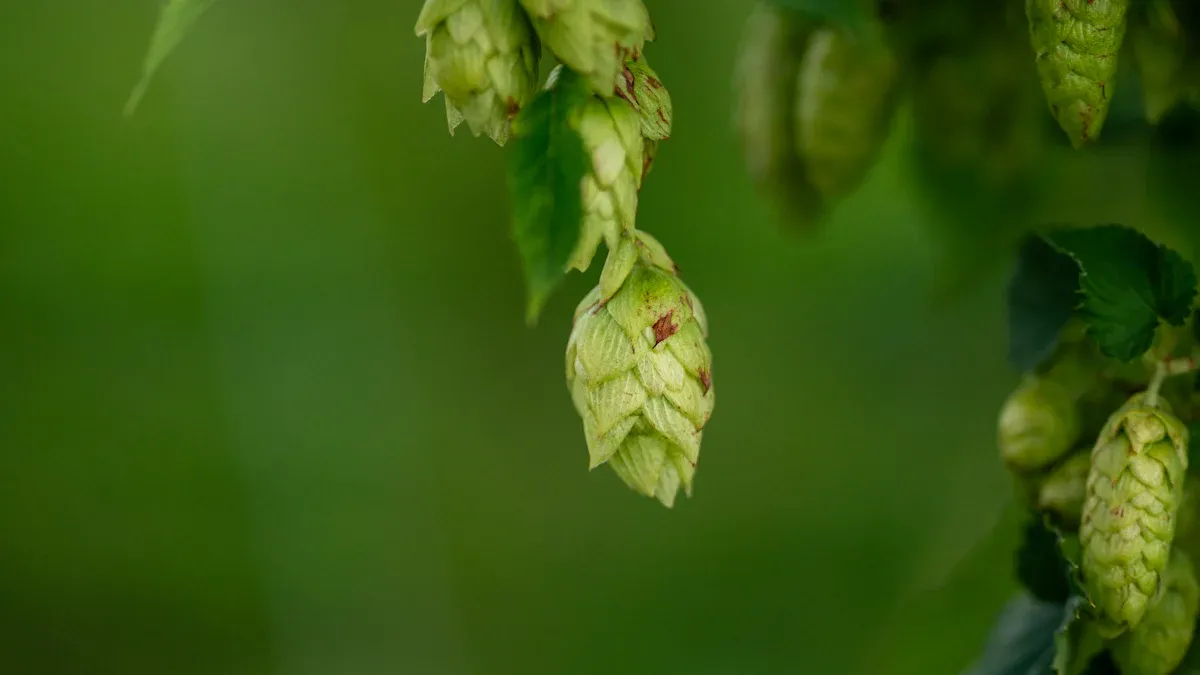
Healthy hop plant grow can lead to impressive growth rates, with these plants capable of reaching up to 1 foot a day under ideal conditions. Understanding the growth timeline of hop plants is essential for you as a grower. This knowledge helps you determine the best practices for planting, care, and harvesting. For instance, planting hops from rhizomes rather than seeds ensures better uniformity and predictability in flavor. You should also consider that hops thrive in sunny locations with well-drained soil and a pH between 6.0 and 7.5.
Key Takeaways
Hop plants can grow up to 1 foot a day under ideal conditions. Ensure you provide plenty of sunlight and well-drained soil for optimal growth.
Germination of hop seeds takes 7 to 14 days. Use cold stratification and gibberellic acid to improve germination rates significantly.
During the vegetative phase, hop plants can grow 2 feet per week. Regularly monitor soil moisture and provide balanced nutrients to support this rapid growth.
Flowering requires at least 120 frost-free days. Ensure your plants receive direct sunlight and long day lengths to enhance cone production.
Healthy soil is crucial for hop growth. Add compost each spring and make necessary soil amendments to improve drainage and nutrient content.
Germination
Germination Timeframe
Hop plants begin their life cycle in early spring when the soil warms up. During this time, you can expect hop shoots to emerge from the ground. The germination period for hop seeds typically lasts between 7 to 14 days. However, the germination percentage for hop seeds is quite low, ranging from 3% to 5%. To improve this rate, you can use techniques like cold stratification for 15 days, which can increase germination from 15% to 23%. For even better results, applying gibberellic acid can boost the germination rate to as high as 56%.
Ideal Conditions
To ensure successful germination, you must provide the right conditions for your hop seeds. Here are some key factors to consider:
Moisture: Seeds need adequate moisture to rehydrate and activate growth enzymes. Too little water can lead to poor germination, while too much can cause rot.
Temperature: Each seed type has specific temperature needs. Maintaining the right temperature helps biochemical reactions and speeds up germination.
Oxygen: Seeds require oxygen for cellular respiration. Compacted soil can restrict oxygen flow, hindering germination.
Light: Some seeds need light to germinate, while others prefer darkness. Understanding the light requirements of hop seeds can enhance your success.
By focusing on these conditions, you can create an environment that promotes healthy growth from the very start. Using hop rhizomes instead of seeds can also simplify the process, as rhizomes have a higher success rate and grow more uniformly.
Vegetative Growth
Growth Rate
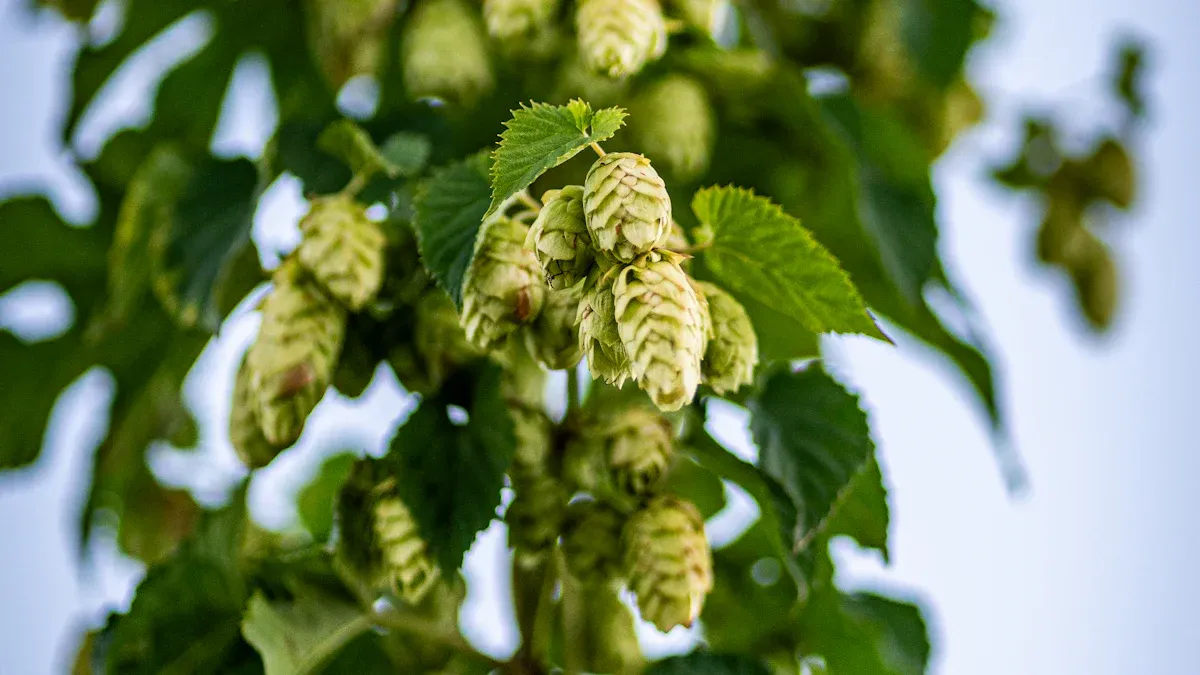
During the vegetative growth phase, hop plants can grow impressively fast, reaching up to 2 feet per week under optimal conditions. This rapid growth is crucial for establishing a strong plant structure before the flowering phase. The growth rate can vary based on several factors, including the hop variety you choose. For example, some varieties may grow faster than others, impacting your overall yield potential.
Care Requirements
To maximize the growth of your hop plants, you must provide proper care. Here are some essential practices to follow:
Nutrient Management: Hops require a balanced mix of nutrients. Focus on nitrogen, phosphorus, potassium, and trace minerals like boron, iron, and manganese. Organic manure, such as rabbit manure, serves as an excellent nutrient source. Regularly monitor your plants’ health to adjust nutrient supply as needed.
Soil Moisture: Maintain soil moisture without over-watering. Avoid sludgy conditions that can harm root health. Established plants need less frequent watering, while new plants may require more attention during dry spells. Check daily during warm weather and adjust your watering frequency based on conditions.
Support Structures: Use a spread-out formation with poles and heavy twine to support vine growth. Train multiple shoots per string to maximize light and air exposure. This method helps reduce mildew by allowing plants to dry better between rains.
Environmental conditions also play a significant role in the vegetative growth of hop plants. Key factors include:
Temperature: Ideal temperatures promote faster growth. Extreme heat or cold can slow down development.
Precipitation: Adequate rainfall supports healthy growth, but too much can lead to waterlogged soil.
Irrigation Practices: Drip irrigation systems are the most effective for promoting rapid hop plant growth. They maintain precise soil moisture control, which is vital for healthy growth. Avoid overhead irrigation, as it can increase disease risk due to prolonged leaf wetness.
By focusing on these care requirements and environmental factors, you can ensure your hop plants grow robustly, setting the stage for a successful harvest.
Flowering and Cone Production
Flowering Timeline
The flowering phase of hop plants is crucial for cone production. You need to ensure that your plants receive at least 120 frost-free days for optimal growth. This timeframe allows the plants to develop fully before they start flowering. Typically, flowering begins around the summer solstice when the bines reach a certain height. Here’s a brief overview of the flowering timeline:
Month | Growth Stage Description |
|---|---|
March/April | Growers prune the first flush of growth as it typically yields less than the second flush. |
Summer Solstice | The flowering phase begins when the bines reach a certain height. |
December | Small white burrs (female flowers) start to appear, which will grow into hop cones. |
January | Flowers continue to form on later varieties, and small cones are forming on others. |
During this period, ensure your plants receive direct sunlight and long day lengths of 15 hours or more. These conditions stimulate flowering and enhance cone production.
Harvesting Cones
Harvesting hop cones is an exciting time for growers. You should aim to harvest during a 5-day window after the cones reach maturity. This timing is essential to prevent loss of quality. Here are some best practices for harvesting:
Look for deep green color in the cones, avoiding any brown tips.
Check for the development of lupulin, which should be a deep yellow color when the cones are mature.
Test a few cones by pulling them apart to observe the lupulin’s color and consistency.
You can choose between manual and mechanical harvesting methods based on your plot size. Manual harvesting allows for selective picking, making it suitable for smaller operations. Mechanical harvesting is efficient for larger areas but may risk cone quality. After harvesting, store the cones in breathable containers like burlap to prevent quality loss due to sweating and oxidation.
By following these guidelines, you can ensure a successful harvest of high-quality hop cones, setting the stage for brewing delicious beer.
Growth Influencers
Climate Factors
Climate plays a significant role in how well your hop plants grow. Different regions have unique climate conditions that can either support or hinder hop cultivation. For optimal growth, you should consider the following factors:
Temperature: Hop plants thrive in moderate temperatures. Extreme heat can stress young plants, while cold snaps can stunt their growth. Aim for a climate that maintains consistent temperatures during the growing season.
Precipitation: Rainfall is crucial for hop growth. However, too much rain can lead to waterlogged soil, which may cause root rot. In some areas, excessive rainfall has resulted in crop losses of 50-100%. You should monitor rainfall patterns and adjust your irrigation practices accordingly.
Sunlight: Hop plants require plenty of sunlight to flourish. Ideally, they need at least 15 hours of light each day during the growing season. Insufficient sunlight can delay flowering and reduce cone production.
Regional Differences: Different regions have varying climates that affect hop growth. For example, the Willamette Valley receives about 40 inches of rainfall annually, while Yakima and Southern Idaho get less than 10 inches. These differences can impact your growing strategy.
Tip: If you live in a new growing area, like Brazil or Florida, research the specific agronomic practices suited for your climate. Tailoring your approach can lead to better results.
Soil and Care
Soil quality is another critical factor in growing hops successfully. Healthy soil supports robust plant growth and enhances yield. Here are some essential aspects to consider:
Soil Composition: Hops prefer well-drained soil rich in organic matter. You can improve your soil by adding compost each spring. This amendment enhances moisture retention and provides essential nutrients.
Soil Amendments: Depending on your soil type, you may need to make specific amendments. Here’s a quick guide:
Soil Type | Recommended Amendments | Proportions |
|---|---|---|
Sandy | Compost, Peat Moss | 45% Compost, 45% Organic Matter, 10% Peat Moss |
Clay | Compost, Peat Moss, Sand | Increase Peat Moss, 20-25% Sand, Organic Matter |
Regular Care: Consistent care is vital for hop plant growth. Here are some practices to follow:
Regular fertilization enhances hop yield and quality by providing necessary nutrients ahead of the plants’ demands.
Adequate irrigation is crucial for maintaining moisture levels, which directly impacts the growth and health of hop plants.
Regular maintenance of irrigation systems, including cleaning, is essential for improving crop production and ensuring the longevity of the irrigation setup.
By focusing on these climate and soil factors, you can create an environment that promotes healthy hop plant growth. Understanding these influences will help you achieve better yields when growing hops at home.
In summary, understanding the growth timeline of the hop plant is crucial for successful cultivation. Hop plants can grow rapidly, reaching impressive heights under ideal conditions. Key factors influencing their growth include climate, soil quality, and care practices.
You should also be aware that growing your own hops can present challenges. Pest management can be difficult, especially for novice growers. Specific pests like the two-spotted spider mite and hop aphid can threaten your plants.
Remember, the hop variety development timeline can take between 10 to 15 years. This long process can affect your yield and quality. By considering these aspects, you can better plan for growing your own hops and ensure a fruitful harvest.
FAQ
What is the best time to plant hop rhizomes?
You should plant hop rhizomes in early spring when the soil temperature reaches at least 50°F. This timing allows the plants to establish roots before the growing season.
How much sunlight do hop plants need?
Hop plants thrive in full sunlight. Aim for at least 15 hours of direct sunlight each day during the growing season to promote healthy growth and cone production. ☀️
How often should I water my hop plants?
Water your hop plants regularly, especially during dry spells. Established plants need less frequent watering, while young plants require more attention. Check the soil moisture daily.
What pests should I watch for when growing hops?
Common pests include the two-spotted spider mite and hop aphid. Regularly inspect your plants for signs of these pests to prevent damage and maintain plant health.
How long does it take for hop plants to produce cones?
Hop plants typically start producing cones after 120 frost-free days. This timeline can vary based on the hop variety and growing conditions.