

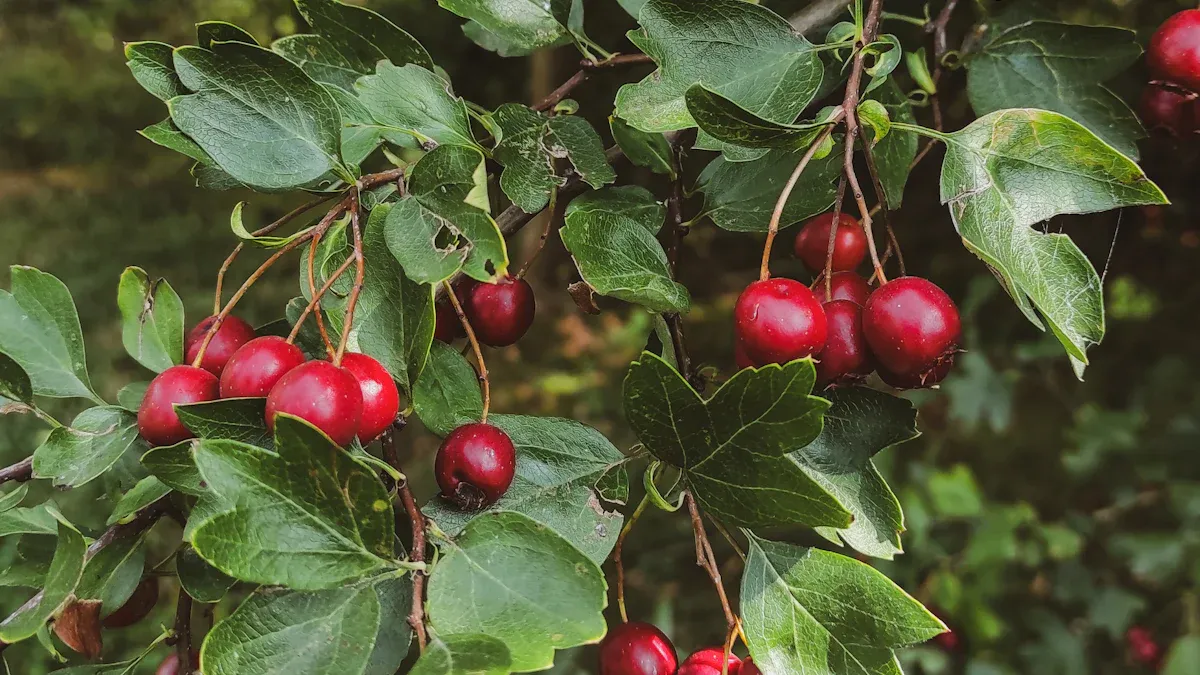
Hawthorn plants typically grow at an average annual rate of 15-25 cm. This growth speed can vary based on several factors. For instance, environmental conditions like soil quality and exposure to herbicides significantly influence how quickly your hawthorn plant grows. Research shows that herbicides, such as metsulfuron-methyl, can adversely affect growth metrics, including leaves and flowers. Understanding these factors can help you create the best conditions for your hawthorn.
Key Takeaways
Hawthorn plants grow at an average rate of 15-25 cm per year, depending on conditions.
Soil quality is crucial; use well-drained, loamy soil rich in organic matter for best results.
Water your hawthorn 2-3 times a week during the first growing season to establish strong roots.
Hawthorn plants need at least 6-8 hours of direct sunlight daily to thrive and grow faster.
Regularly monitor for pests and diseases to keep your hawthorn healthy and growing well.
Hawthorn Growth Rate
Average Growth Speed
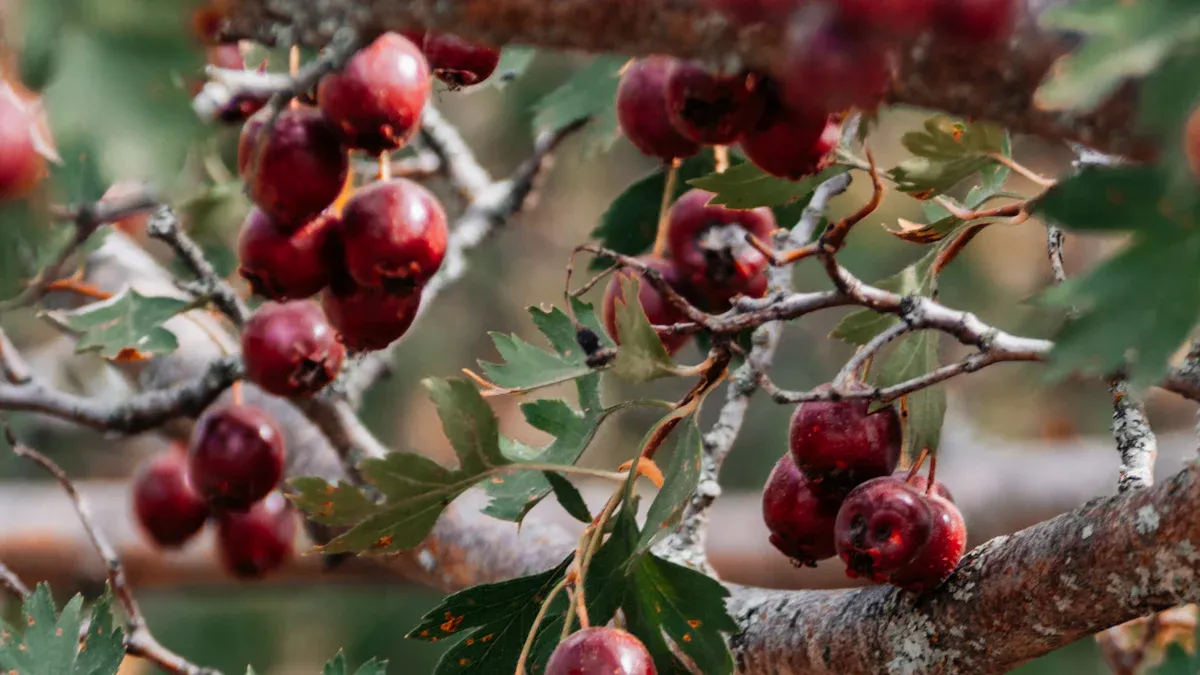
Hawthorn plants exhibit a growth rate that can vary significantly based on conditions. Under optimal circumstances, hawthorn trees, including the Midland Hawthorn, typically grow 1 to 2 feet per year. This translates to an average annual increase of about 30 to 60 cm. You can expect your hawthorn plant to reach heights of 25 to 30 feet at maturity, depending on the specific variety and care it receives.
Factors Influencing Growth
Several factors can influence how quickly your hawthorn plant grows. Here are some key elements to consider:
Soil Quality: The type of soil plays a crucial role in growth. Hawthorn thrives in:
Loamy Soil: This balanced texture provides ideal conditions for root development.
Organic Matter: Enriching the soil with nutrients helps your plant grow stronger.
Proper Drainage: Good drainage prevents waterlogging, which can harm the roots.
Water Availability: Water is essential for growth. However, the amount and consistency of water can vary based on climate. For instance, hawthorn grows better in clayey soils compared to sandy soils. Inundation can help establish hawthorn in higher areas but may negatively affect young plants in lower locations.
Sunlight Exposure: Hawthorn plants prefer full sun. They grow faster in bright light compared to shaded areas.
Climate Zones: Different climate zones affect growth rates. For example, cold snaps can delay blooming, while excessive heat may lead to early flowering or flower drop. Understanding these temperature impacts is vital for successful growth.
Pest and Disease Pressures: Pests and diseases can hinder growth. Common issues include fire blight and cedar-hawthorn rust. Managing these threats through proper care and treatment can help maintain healthy growth.
Comparing Hawthorn with Other Plants
Hawthorn vs. Common Shrubs
When you compare hawthorn plants to common shrubs, you notice some interesting differences in growth rates. For example, the Majestic Beauty Indian hawthorn grows at a moderate pace. This growth rate is robust, but it can vary based on environmental conditions. Other evergreen shrubs may have different growth rates. Some might grow faster, while others may take their time.
Hawthorn plants often thrive in similar conditions as many shrubs. However, they may not always outpace them. You should consider the specific species of shrub when making comparisons. Each type has its unique growth characteristics.
Hawthorn vs. Trees
Hawthorn trees, such as the Midland Hawthorn, generally grow at a slower rate than larger trees like oak and maple. For instance, hawthorn trees typically grow 1 to 2 feet per year, while oak and maple trees can grow significantly faster.
Survival Rates:
Washington hawthorn shows lower survival rates after cold storage compared to oak and maple.
Without storage, the survival rate of Washington hawthorn is only 60%. This indicates its lower resilience compared to these larger trees.
Shade Tolerance:
Hawthorn is a shade-tolerant sub-canopy species. In contrast, oak and maple are shade-tolerant canopy species.
Sub-canopy species like hawthorn generally have lower mean survival rates compared to canopy species such as oak.
Tips to Help Hawthorn Plant Grow Faster
Soil and Water Needs
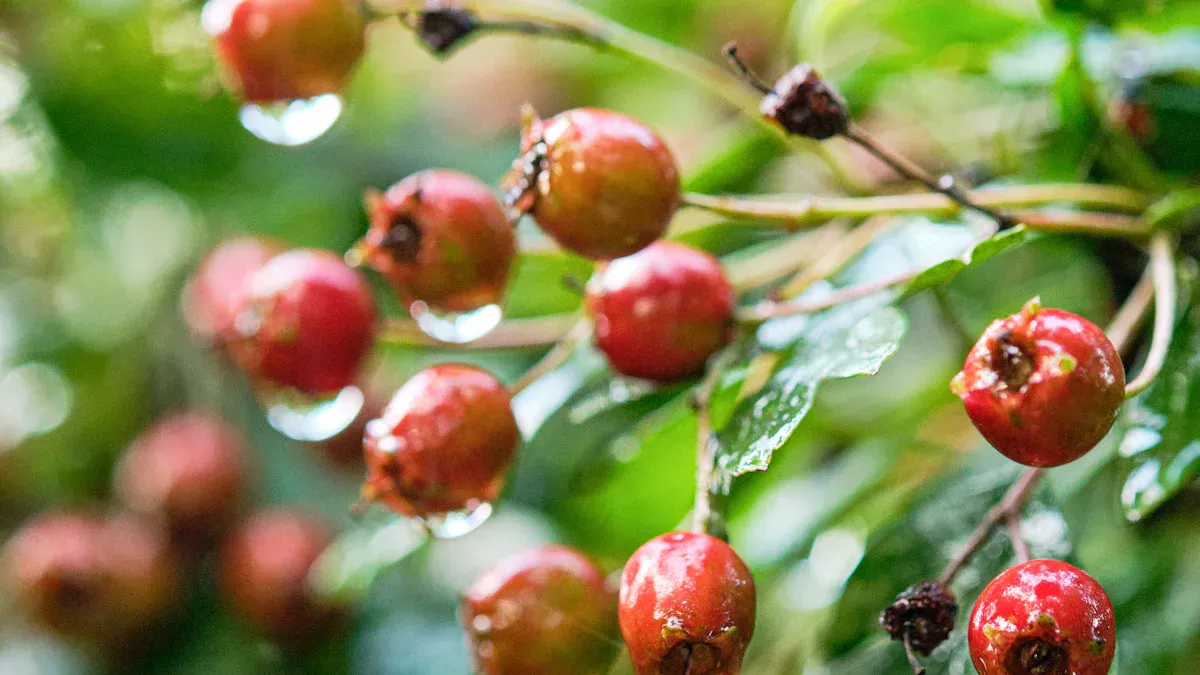
To help your hawthorn plant grow faster, pay close attention to its soil and water requirements. Here are some essential tips:
Soil Quality: Aim for a soil pH between 6.0 and 7.5. This range promotes healthy growth and nutrient uptake. You can test your soil using a simple pH test kit available at garden centers.
Fertilization Techniques: Use the following methods to enhance growth:
Technique
Details
Slow- or controlled-release fertilizers
Apply a granular formula once in the spring as new growth appears.
Organic compost as mulch
Add a layer each year to suppress weeds and improve soil quality.
Liquid fertilizers
Mix with water and apply three to four times per year from late April to mid-July.
Higher nitrogen mix
Opt for a fertilizer mix like 20-20-20 for better results.
Organic fertilizers
Consider using manure for effective growth.
Watering Schedule: Follow this recommended watering schedule to maximize growth:
Water newly planted hawthorn 2-3 times a week.
Provide approximately 1 inch of water per week, combining natural rain and supplemental watering.
After the first one or two growing seasons, reduce supplemental watering to once a week with ½ – 1 inch of water if no rain is forecasted.
For container-grown hawthorn, allow the top 2-3 inches of soil to dry between waterings and ensure the potting mix is fully saturated.
Water early in the day to allow foliage to dry before nightfall.
Sunlight and Location
Sunlight and location significantly impact how quickly your hawthorn plant grows. Here are some tips to ensure optimal growth:
Sunlight Exposure: Hawthorn plants thrive in full sun. Aim for at least 6-8 hours of direct sunlight each day. Position your plant in a southern or western garden spot to maximize sunlight intake.
Location Considerations: Choose a location with well-drained soil. Poor drainage can stunt growth. Ensure your hawthorn has enough space to grow without overcrowding from other plants.
Mulching Benefits: Mulching with organic materials can enhance growth speed. It minimizes soil temperature fluctuations, stimulates root growth, and improves soil biological activity. Consider using finely shredded arborist chips or organic compost as mulch.
By following these tips on soil, water, sunlight, and location, you can create the ideal environment for your hawthorn plant to grow faster and healthier.
In summary, hawthorn plants grow at an average rate of 15-25 cm per year, depending on various factors. To enhance their growth, you should focus on:
Soil Quality: Ensure well-drained, loamy soil rich in organic matter.
Watering: Maintain a consistent watering schedule, especially during dry spells.
Sunlight: Provide at least 6-8 hours of direct sunlight daily.
By addressing these factors, you can help your hawthorn thrive and reach its full potential! 🌱
FAQ
What is the best time to plant hawthorn?
You should plant hawthorn in early spring or fall. These seasons provide optimal conditions for root establishment before the heat of summer or the cold of winter.
How often should I water my hawthorn plant?
Water your hawthorn plant 2-3 times a week during its first growing season. After that, you can reduce watering to once a week, depending on rainfall.
Can hawthorn grow in shaded areas?
Hawthorn plants prefer full sun. They thrive with at least 6-8 hours of direct sunlight daily. Shaded areas can slow their growth.
How tall do hawthorn plants grow?
Hawthorn plants can reach heights of 25 to 30 feet at maturity. Growth rates vary based on species and care, averaging 1 to 2 feet per year.
Are hawthorn plants resistant to pests?
Hawthorn plants can face pest issues, such as fire blight and cedar-hawthorn rust. Regular monitoring and proper care can help manage these threats effectively.