
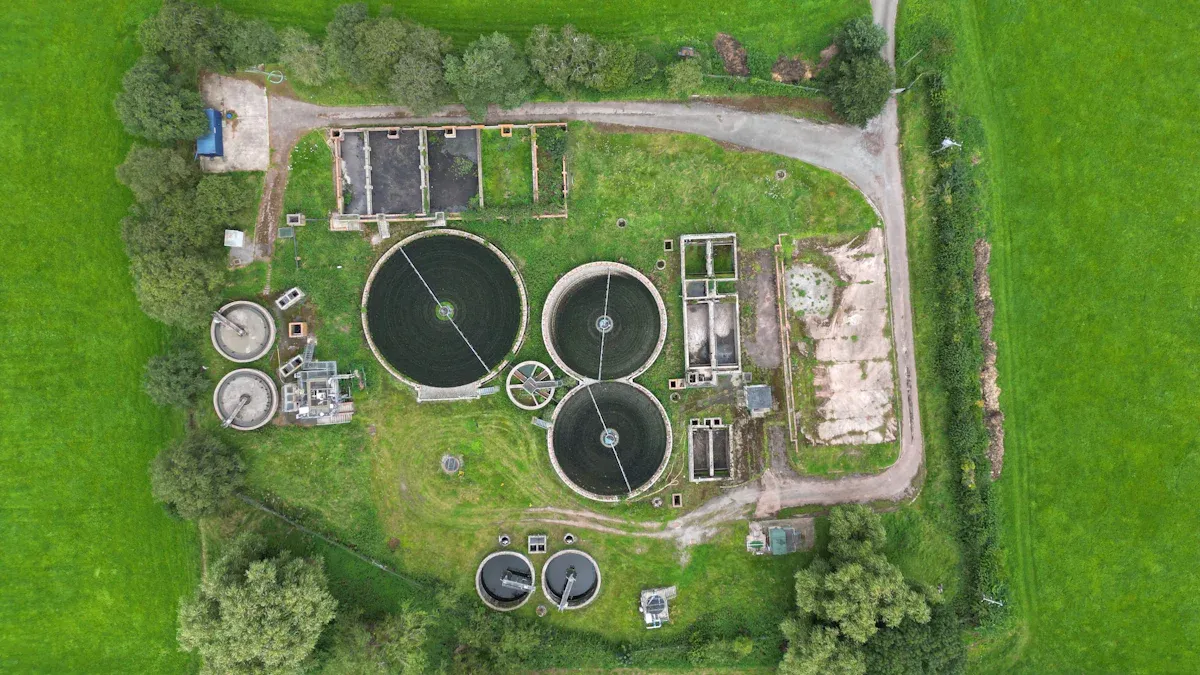
Dechlorination is the process of removing chlorine from water, which is essential for making it safe and pleasant to drink. Did you know that about 70% of municipal water systems in the U.S. use chlorine as a disinfectant? 🌊 This means that when you turn on your tap, the water likely contains chlorine, averaging around 1.3 ppm right out of the treatment plant. The time it takes to dechlorinate water naturally can range from just a few hours to several days. This variability depends on factors like temperature, water volume, and exposure to air.
Key Takeaways
Dechlorination time varies from a few hours to several days based on temperature, water volume, and air exposure.
Warmer water speeds up chlorine evaporation. Aim for around 25 °C (77 °F) for the best results.
Aeration techniques, like using air stones or letting water sit in an open container, can significantly reduce chlorine levels.
Sunlight is a powerful tool; leaving water in direct sunlight can remove up to 90% of chlorine in just two hours.
For quick dechlorination, boiling water for 3 to 5 minutes is effective and fast.
Factors Influencing Dechlorination Time
When you think about how long it takes to dechlorinate water naturally, several factors come into play. Let’s break them down.
Temperature Effects
Temperature plays a big role in how quickly chlorine evaporates from water. As the temperature rises, the rate of evaporation increases. Here are some key points to consider:
Higher temperatures provide more energy to chlorine molecules, allowing them to escape from the water faster.
The optimal temperature for natural dechlorination is around 25 °C (77 °F). At this temperature, dechlorination happens most rapidly.
So, if you want to speed up the process, try to keep your water warm!
Water Volume Considerations
The volume of water you’re dealing with also affects how long it takes to dechlorinate tap water. Here’s a quick look at how volume impacts dechlorination:
Key Findings | Description |
|---|---|
Water Age Impact | Larger volumes of water take longer to dechlorinate, especially if they sit for a while. |
Natural Decay | Chlorine concentration decreases over time due to natural processes like aeration and sunlight exposure. |
For example, dechlorination typically takes about 24 hours for smaller containers, while larger tanks might need up to 5 days to fully dechlorinate.
Air Exposure Impact
Finally, exposure to air can significantly speed up the dechlorination process. When you allow your water to interact with air, chlorine evaporates more quickly. Here are some tips:
Using air stones can help. They release tiny bubbles into the water, increasing the surface area exposed to air and speeding up chlorine removal.
Simply leaving your water in an open container can also help it dechlorinate faster.
By understanding these factors, you can better manage how long it takes to dechlorinate water naturally.
Methods to Dechlorinate Water Naturally
When it comes to dechlorinating water naturally, you have several effective methods at your disposal. Let’s explore some of the best techniques you can use to dechlorinate tap water and make it safe for drinking or for your aquarium.
Aeration Techniques
Aeration is one of the simplest and most effective ways to dechlorinate water naturally. By increasing the water’s exposure to air, you can speed up the evaporation of chlorine. Here are some aeration techniques you might find useful:
Letting Water Sit: Allow your water to sit exposed to air for 24 to 48 hours. This method is straightforward and requires no special equipment.
Using Air Stones: These devices release tiny bubbles into the water, enhancing oxygenation and increasing surface area exposure. This technique can significantly speed up chlorine removal.
Pouring Between Containers: Pouring water back and forth between two containers can also help. This action increases the surface area exposed to air, facilitating chlorine dissipation.
Adding aeration for about 24 hours will “bubble off” the chlorine, since it is volatile, and make it safe for fish. So my tap water goes into a holding tank, aerates for 24 hours, then goes into the fish tank.
Sunlight Exposure Benefits
Sunlight is another powerful ally in the fight against chlorine. The sun’s ultraviolet rays can break down chlorine effectively. Here’s how it works:
The sun can reduce chlorine concentration by 90% in as little as two hours.
When chlorine interacts with ultraviolet radiation, it breaks down at the molecular level, transforming into a gas that escapes into the atmosphere.
If you leave your water in sunlight, chlorine evaporates completely in about 4 hours when left at room temperature. This method is not only effective but also eco-friendly!
Other Natural Methods
In addition to aeration and sunlight, there are other natural methods you can use to dechlorinate water. Here’s a quick overview:
Method | Description |
|---|---|
Chlorine Evaporation | Chlorine gas evaporates from water when exposed to air, especially with sunlight and aeration. |
Carbon Filtration | Uses carbon filters to remove chlorine and chloramine from water. |
Rain Water Collection | Collecting rainwater provides a natural source of chlorine-free water for various uses. |
You can also consider these additional methods:
Boiling water for 20 minutes to remove chlorine.
Letting water sit uncovered in sunlight for 24 hours to allow chlorine to evaporate.
By using these methods, you can effectively dechlorinate water naturally, ensuring it’s safe for your needs.
Timeframes to Remove Chlorine from Water
When you want to dechlorinate tap water, understanding the timeframes for different methods can help you choose the best approach. Some methods are quick, while others take a bit longer. Let’s break it down.
Quick Methods
If you’re in a hurry, several quick methods can help you remove chlorine from water effectively. Here are some of the fastest ways to dechlorinate water:
Boiling: This method is one of the quickest. Just boil your water for 3 to 5 minutes. The heat causes chlorine to evaporate rapidly.
Aeration: You can aerate your water for at least 30 minutes. This method is simple and requires minimal equipment. Just let the water sit in an open container or use an air stone to speed things up.
Chemical Neutralization: Adding chemicals like sodium thiosulfate or ascorbic acid can neutralize chlorine almost instantly. This method is effective but requires careful handling of chemicals.
Here’s a quick comparison of these methods:
Method | Time Required |
|---|---|
Boiling | 3 to 5 minutes |
Aeration | At least 30 minutes |
Chemical Neutralization | Instant |
Longer Processes
If you have more time, you can opt for natural methods that take longer but are still effective. Here’s what you can expect:
Letting Water Sit: Allowing your water to sit exposed to air typically takes about 24 hours. This method is straightforward and doesn’t require any special equipment.
Sunlight Exposure: If you leave your water in sunlight, it can take about 4 hours to dechlorinate completely. The sun’s UV rays help break down chlorine effectively.
Large Volumes: For larger containers, the dechlorination process can take up to 5 days. Environmental factors like temperature and pH can influence this duration, so keep that in mind.
In summary, dechlorinating water naturally can take anywhere from a few hours to several days. The time it takes depends on various factors, including temperature, water volume, and air exposure. Here’s a quick look at how these factors impact dechlorination:
Factor | Impact on Dechlorination Time and Toxicity |
|---|---|
Dechlorination Ratio | Higher ratios reduce developmental toxicity of DBP mixtures by decreasing levels of brominated and iodinated DBPs. |
Mixing Conditions | Insufficient mixing requires prolonged dechlorination time to achieve complete dechlorination and lower toxicity. |
Type of Dechlorination Agent | Different agents (NaHSO3, Na2SO3, Na2S2O3) have varying effectiveness, with Na2S2O3 needing more vigorous mixing. |
You can choose from several effective methods, like aeration and sunlight exposure. Remember, aeration is not only effective but also a sustainable alternative to chemical methods. By understanding these factors and methods, you can make informed choices about how to dechlorinate your water safely and efficiently. 🌿
FAQ
How can I dechlorinate tap water quickly?
You can dechlorinate tap water quickly by boiling it for 3 to 5 minutes. This method effectively removes chlorine through evaporation. Alternatively, aerating the water for at least 30 minutes also works well.
Is sunlight effective for dechlorinating water?
Yes! Sunlight is very effective. Leaving your water in direct sunlight can reduce chlorine levels by up to 90% in just two hours. For complete dechlorination, aim for about four hours of exposure.
Can I dechlorinate pond water the same way?
Yes, you can dechlorinate pond water using similar methods. Aeration and sunlight exposure are effective. Just remember that larger volumes may take longer to dechlorinate compared to smaller containers.
How long does it take to dechlorinate water naturally?
Natural dechlorination can take anywhere from a few hours to several days. Factors like temperature, water volume, and air exposure significantly influence the time required for effective dechlorination.
What are the benefits of dechlorinating water?
Dechlorinating water improves its taste and odor. It also makes it safer for fish and plants in aquariums and ponds. Removing chlorine helps maintain a healthier environment for aquatic life.