

Identifying and treating honeysuckle plant diseases is crucial for maintaining vibrant blooms. Gardeners often face common concerns, such as:
A lack of phosphorus leading to non-blooming issues.
Yellowing leaves that may signal powdery mildew from a fungal infection.
Damage from pests like earwigs, which can harm your plants.
Understanding these issues helps you take the right steps to keep your honeysuckle healthy and thriving.
Key Takeaways
Identify common honeysuckle diseases like powdery mildew and leaf spot early to protect your plants.
Use proper watering techniques to prevent root rot. Monitor soil moisture and avoid overwatering.
Regularly prune your honeysuckle to remove damaged branches and improve airflow, reducing disease risk.
Consider both chemical and organic treatments for diseases. Options like neem oil and baking soda can be effective.
Maintain good plant health through proper care and prevention strategies to enjoy vibrant blooms.
Common Honeysuckle Plant Diseases
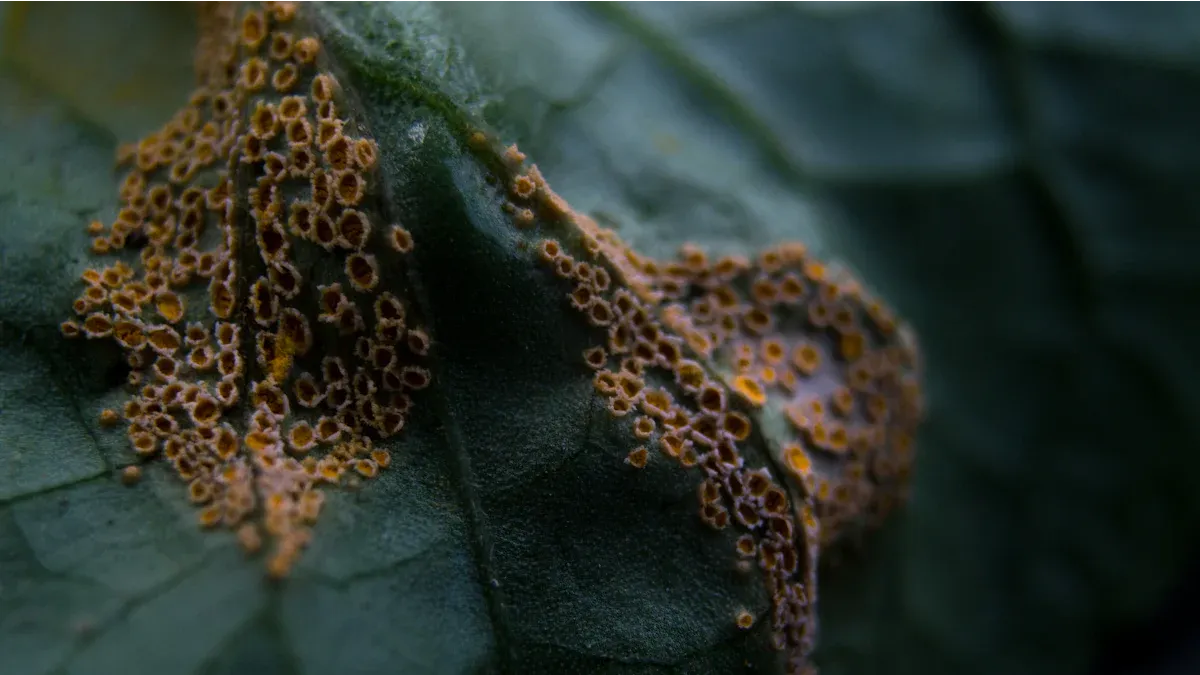
Honeysuckle plants face several diseases that can hinder their growth and vibrancy. Understanding these common honeysuckle challenges helps you take proactive measures to protect your plants.
Powdery Mildew
Powdery mildew is a prevalent fungal disease affecting honeysuckle. You can identify it by the white, powdery spots on leaves and stems. This disease thrives in warm, dry conditions but requires high humidity to develop.
Recent studies show that the incidence rate of powdery mildew in cultivated honeysuckle is about 71.05%, while wild honeysuckle has a lower rate of 33.33%. Cultivated plants often experience more severe infections than their wild counterparts.
The primary cause of powdery mildew is the fungus Erysiphe caprifoliacearum var. flexuosa. This pathogen flourishes in humid environments but needs dry leaves to spread effectively. Here’s a quick overview of its causes:
Cause | Description |
|---|---|
Erysiphe caprifoliacearum var. flexuosa | This fungus thrives in high humidity but requires dry leaves, forming a close association with honeysuckle plants. It is a specialized pathogen that benefits from conditions favorable to the host plant. |
Leaf Spot
Leaf spot is another common disease affecting honeysuckle. You can recognize it by the dark, circular spots that appear on leaves. These spots can lead to premature leaf drop, which affects the overall health of your plant.
The primary pathogen responsible for leaf spot in honeysuckle is Alternaria alternata. This identification comes from morphological characteristics and pathogenicity assays. Notably, this is the first documentation of A. alternata causing leaf spot in honeysuckle in China.
Root Rot
Root rot is a serious condition that can devastate honeysuckle plants. It occurs when roots sit in overly moist soil, leading to decay. You may notice wilting leaves and stunted growth as symptoms of this disease.
Several factors contribute to root rot:
Cause | Effect on Honeysuckle Plants |
|---|---|
Overwatering | Leads to root rot due to excess moisture. |
Poor drainage | Traps water, creating conditions for root rot. |
Fungal pathogens | Thrive in moist environments, causing root rot. |
The primary fungal species responsible for root rot include Phytophthora, Fusarium, Armillaria mellea, and Armillaria gallica. These fungi thrive in wet conditions and can severely damage the roots. In the UK, A. mellea is particularly destructive, while A. gallica is less harmful but still poses a risk.
By recognizing these common honeysuckle plant diseases, you can take steps to treat and prevent them, ensuring your plants remain healthy and vibrant.
Symptoms of Honeysuckle Diseases
Identifying symptoms of honeysuckle diseases is essential for effective treatment. You can spot these issues through visual signs and abnormal growth patterns.
Visual Signs
Look for specific visual signs that indicate disease in your honeysuckle plants. Here are some common symptoms to watch for:
Crown gall: You may notice distinct swellings on the stem. These galls have a rough surface and appear at or above ground level.
Honeysuckle leaf blight: This condition causes yellowing of leaf tissue. You might see tan-brown necrotic areas and silvery-white coloration on the lower surface of infected leaves.
Brown and curled leaves: Various blights can lead to curling and browning of leaves, making them look unhealthy.
Disease | Visual Signs |
|---|---|
Crown gall | Distinct swellings on the stem, round galls with a rough surface, found at or above ground level. |
Honeysuckle leaf blight | Yellowing of leaf tissue, tan brown necrotic areas, silvery-white coloration on the lower surface. |
Brown and curled leaves | Leaves may be affected by various blights, often resulting in curling and browning. |
Growth Patterns
Abnormal growth patterns can also signal disease in your honeysuckle. Pay attention to these changes:
Leaf curling and yellowing: Aphids feeding on plant sap can cause leaves to curl, pucker, and turn yellow.
Premature leaf fall: This often results from honeysuckle leaf blight. You may see new leaves curl, turn brown or black, and fall off prematurely.
Cankers on stems: Look for swollen, discolored areas on stems. These cankers may split open and bleed, indicating a fungal or bacterial infection.
Light-colored circular spots on leaves: These spots can develop from leaf blight fungus, leading to leaf death during rainy seasons.
White powdery coating on leaves and stems: This is a clear sign of powdery mildew, which causes discoloration and distortion of leaves.
By recognizing these visual signs and growth patterns, you can take action to protect your honeysuckle plants from diseases. Early detection is key to maintaining their health and ensuring vibrant blooms.
Treatment for Honeysuckle Plant Diseases
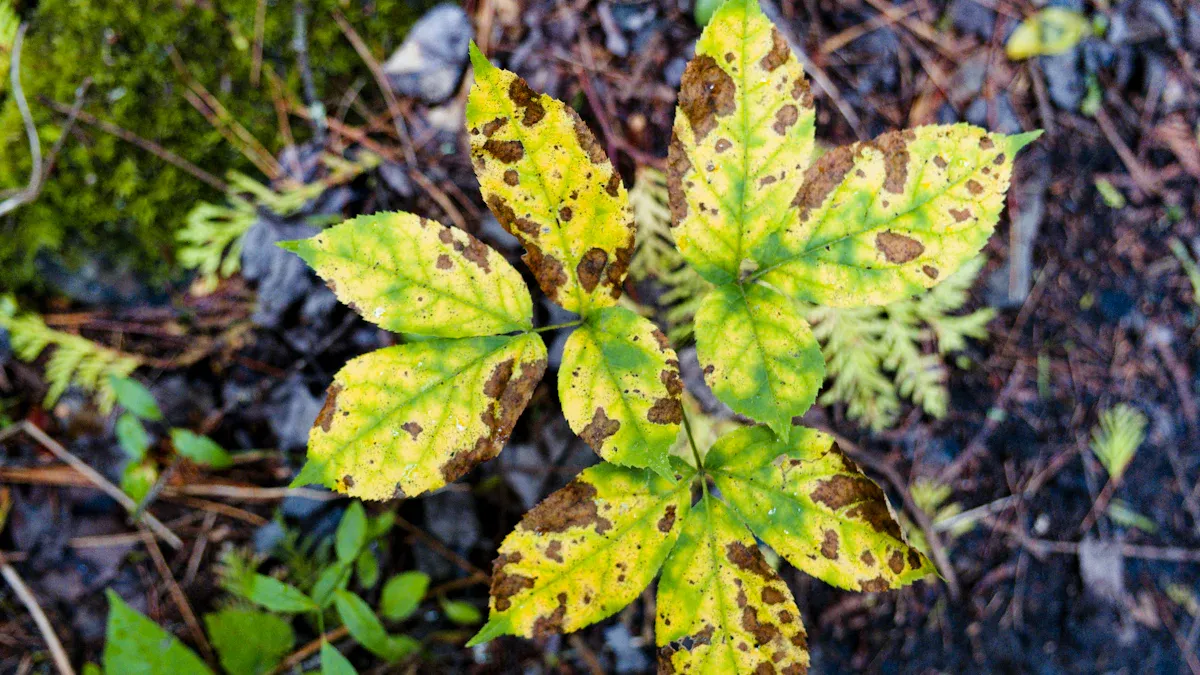
When your honeysuckle plants show signs of disease, prompt treatment is essential. You can choose between chemical treatments and organic solutions, depending on your gardening philosophy and the severity of the issue.
Chemical Treatments
Chemical treatments can effectively combat various honeysuckle diseases, especially fungal infections like powdery mildew and leaf spot. Here are some recommended options:
Copper fungicides: These are effective against a range of fungal diseases. They work by disrupting the growth of fungi.
Sulfur fungicides: Sulfur is a natural element that can help control powdery mildew and other fungal issues.
Neem oil: This natural pesticide can treat both fungal and insect problems. It disrupts the life cycle of pests and fungi.
Milk: A surprising yet effective solution, milk can help control powdery mildew when sprayed on affected areas.
Baking soda: This common household item can also treat powdery mildew. Mix it with water and spray it on your plants.
Tip: Always apply fungicides using the appropriate personal protective equipment (PPE) and follow the label instructions. This ensures you protect your plants, health, and the environment.
When using chemical treatments, consider these application guidelines:
Apply fungicides before disease develops.
Use shorter spray intervals during wet weather, typically every 7 to 14 days.
If rain is expected, apply fungicides beforehand.
Always check the label for specific rates and formulations. Following these steps will help you achieve the best results in treating your honeysuckle plants.
Organic Solutions
If you prefer organic methods, several solutions can effectively treat honeysuckle diseases. Here are some options that have shown efficacy:
Organic Solution | Efficacy | Mechanism |
|---|---|---|
VOCs from Bacillus velezensis HC-10 | 74.84% control efficacy after 21 days | Compromises cell wall integrity and disrupts mitochondrial function. |
Isovaleric acid | EC50 of 2.22 μL | Exhibits antifungal activity against Alternaria alternata. |
These organic solutions can help maintain the health of your honeysuckle plants without the use of synthetic chemicals. They work by targeting the pathogens directly or enhancing the plant’s natural defenses.
Note: While organic solutions are generally safer for the environment, they may require more frequent applications compared to chemical treatments.
By understanding these treatment options, you can effectively manage honeysuckle plant diseases. Whether you choose chemical or organic methods, timely intervention is key to ensuring your plants thrive and produce vibrant blooms.
Honeysuckle Care and Prevention
To keep your honeysuckle plants healthy and vibrant, you must focus on proper care and prevention strategies. This includes mastering watering techniques and implementing regular pruning practices.
Proper Watering Techniques
Watering your honeysuckle correctly is vital to prevent root rot and other diseases. Here are some effective techniques:
Monitor soil moisture levels: Adjust your watering schedule based on the moisture in the soil.
Deep watering: Encourage roots to grow deeper by watering thoroughly. Shallow watering can lead to weak root systems.
Seasonal adjustments: In hotter months, honeysuckle may need more water. During cooler seasons, reduce the amount.
Using well-draining loamy soil is crucial. This prevents water from pooling around the roots. You can enhance drainage by adding organic matter like compost. To test soil drainage, dig a hole, fill it with water, and observe how quickly it drains.
Ensure enough space between plants to allow airflow. This reduces humidity around the roots and helps prevent future outbreaks of diseases. Avoid planting in low-lying areas where water tends to pool after heavy rains. Planting during the growing season allows your honeysuckle to establish itself without added stress.
Regular Pruning
Regular pruning is essential for maintaining the health of your honeysuckle. It helps reduce the risk of disease and promotes healthy growth. Here are some best practices:
Remove damaged branches: Prune branches affected by pests or diseases below the damaged area.
Sterilize tools: Always sterilize your pruning tools between cuts to prevent disease spread.
Inspect regularly: Check for signs of fungal infections like powdery mildew and treat them promptly.
You should also remove dead or damaged branches to prevent disease spread. Maintaining the shape of the plant promotes healthy growth and ensures proper airflow. Regularly check for signs of disease to catch issues early. Use organic remedies, such as baking soda sprays, to manage fungal infections effectively.
By following these care techniques, you can significantly improve the health of your honeysuckle plants and enjoy their vibrant blooms.
In summary, identifying and treating honeysuckle diseases is vital for your plants’ health and flower production. Timely treatment preserves overall plant vitality and maximizes blooming potential. By recognizing symptoms early, you can prevent the spread of harmful pathogens.
Here are some key takeaways from recent research on honeysuckle disease management:
Key Takeaways | Description |
|---|---|
Active Compounds | Luteolin, kaempferol, and quercetin are identified as the main bioactive ingredients of honeysuckle for sepsis treatment. |
Mechanisms | Honeysuckle exhibits protective effects against sepsis by reducing proinflammatory cytokine production and inhibiting TLR4/MYD88 signaling pathways. |
Research Gaps | Further studies are needed to clarify the specific mechanisms and enhance understanding of honeysuckle’s therapeutic potential. |
Apply this knowledge to ensure your honeysuckle thrives and produces vibrant blooms! 🌼
FAQ
What causes yellowing leaves on my honeysuckle?
Yellowing leaves often indicate nutrient deficiencies, particularly nitrogen or iron. Overwatering or poor drainage can also lead to yellowing. Check your soil moisture and consider fertilizing if necessary.
How can I prevent powdery mildew on my honeysuckle?
To prevent powdery mildew, ensure good air circulation around your plants. Water early in the day to allow leaves to dry. You can also apply organic fungicides like neem oil as a preventive measure.
When should I prune my honeysuckle?
Prune your honeysuckle in late winter or early spring before new growth begins. This timing encourages healthy blooms and helps remove any dead or diseased branches.
How do I treat root rot in honeysuckle?
To treat root rot, improve drainage by amending the soil with organic matter. Remove affected roots and repot the plant in fresh, well-draining soil. Avoid overwatering in the future.
Can I use homemade remedies for honeysuckle diseases?
Yes, homemade remedies like baking soda solutions or milk sprays can effectively treat certain diseases. These options are often safer for the environment and can help manage fungal infections.