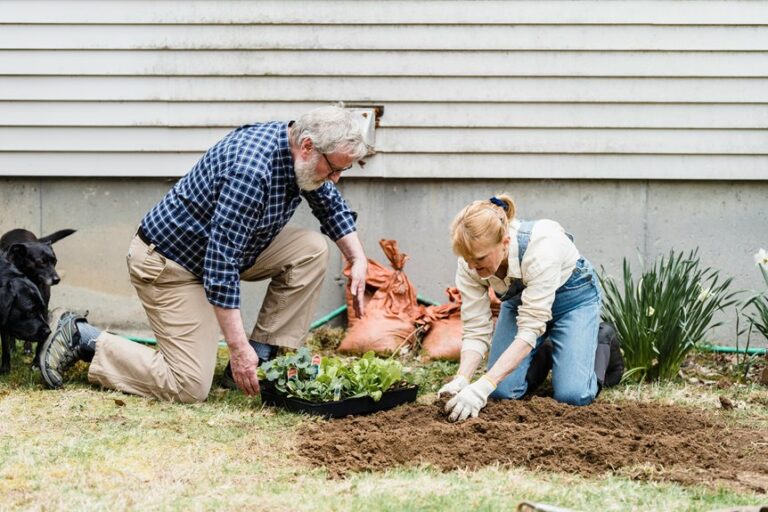
Homesteading in Tennessee asks for clear reasons and steady steps. A person should decide whether they want food security, lower bills, or a quieter life, and then match those goals to their land, time, and money. They should pick property with reliable water, good sun, and easy access, and start small with a garden patch, a few hens, and one or two fruit trees. Soil testing, compost, and cover crops build fertility while phased investments like fencing, shelters, and basic solar stretch the budget. Learning food preservation and joining local Extension or neighbor networks brings practical skills and steady support, and tracking expenses with a 10 to 25 percent contingency keeps plans realistic.
Know Your Why and Set Realistic Goals
At the moment someone begins homesteading, they should start via naming their main reason and setting clear, measurable goals that fit their life.
Initially, define a core motivation such as food security or lower bills. Then list measurable timelines and outcomes like producing half your vegetables, keeping six laying hens, or cutting electric costs by thirty percent.
Next, match goals to land and time. On a small Tennessee lot aim for a quarter to half acre garden and one or two managed paddocks in year one. Budget for added time and cost, pick one or two enterprises to perfect, and track harvest pounds, egg counts, hours, and income to adjust plans yearly.
Choose the Right Tennessee Property for Your Plans
Why choose a particular Tennessee property whether plans can change quickly? The confident homesteader evaluates acreage accessibility, microclimate mapping, soil, slope, and local rules to match long term goals. They check zoning, deed restrictions, and livestock limits. They weigh distance to markets, feed, and vets. They inspect sun exposure, fences, and woody acreage for firewood or income. They observe well costs and county rainfall patterns whenever planning water systems.
| Factor | What to check |
|---|---|
| Soil and slope | Suitability for orchards gardens pasture |
| Access | Road quality drive time to services |
| Regulations | Zoning deed restrictions livestock rules |
| Resources | Springs creeks wells woody acreage |
This approach keeps choices practical while leaving room to adapt as needs evolve.
Assess Water Sources and Plan Reliable Water Systems
Upon choosing a Tennessee homestead, water should be treated as the foundation that quietly supports every plan, from a kitchen sink to a flock of chickens.
A savvy homesteader inspects existing wells, checks well maintenance records, pump age, depth, and recent test results before purchase. They map daily needs for house, livestock, and irrigation and size storage accordingly. They test private well water annually for bacteria, nitrates, and metals and add targeted treatment such as point of entry filters or UV sterilizers for drinking water.
They design redundancy with covered 1,000 to 5,000 gallon tanks, gravity fed cisterns, and backup power for pumps. They verify water rights and county rules and site sources uphill from septic and livestock areas. Rainwater harvesting complements but never replaces tested potable sources.
Test and Improve Your Soil for Local Crops
For a successful Tennessee garden, start through learning what the soil already offers and what it needs next. A practical mastery approach begins with soil testing. Send samples to the county Extension lab and test pH at home. Tennessee vegetables prefer pH 6.0 to 6.8 and blueberries 4.5 to 5.5. Adjust with lime or sulfur based on results. Combine lab guidance with hands on checks for compaction and texture.
- Use a soil probe to test compaction to 8 to 12 inches and core aerate or broadfork if needed.
- Improve heavy clay with compost incorporation of 2 to 4 inches, gypsum, and raised beds.
- Incorporate cover crops like crimson clover or winter rye to build organic matter.
- Follow Extension N P K recommendations and retest periodically.
Design Pasture Rotation and Fencing for Healthy Livestock
After testing soil and improving pasture ground, attention moves to how animals use that land and how fencing and paddock layout protect both livestock and grass. The planner divides pastures into 3 to 5 paddocks to rotate grazing every 7 to 21 days, keeping 2 to 4 inches of residual height for fescue and bermudagrass. Stocking density is set with AUM math, adjusting the 2.5 to 3 acres per cow calf pair for local rainfall and fertility.
High tensile electrified perimeter fencing provides durable boundaries while temporary polywire creates flexible internal paddocks. Central waterpoints and shade sit on lanes so animals move evenly, reducing trampling and manure concentration. Monthly pasture checks guide rest periods, reseeding, and fence repairs after wet seasons.
Build Practical Shelter and Weather-Ready Structures
On a sunny, well-drained spot facing south, a shelter can become a dependable refuge that keeps animals drier, warmer, and calmer through Tennessee weather. The builder prioritizes south facing orientation to gain winter sun and cut dampness.
Floors are raised 12 to 18 inches with 6 to 12 inch gravel footings to stop rot and ease cleaning. Roofs use a 6:12 pitch or steeper and galvanized roofing to shed heavy rain and lower upkeep.
Reinforcement ties into anchoring: hurricane straps on rafters and concrete footings for posts secure structures in storms. Size and safety follow livestock needs for comfort and predator resistance.
- Proper siting and elevation
- Steep roof and metal covering
- Reinforced connections and anchors
- Correct interior space and secure fencing
Start Small: Prioritize Manageable Projects First
Having a sturdy, well-sited shelter makes moving into hands-on projects feel less risky, so the next step is to pick a few small, doable tasks that build confidence and steady returns.
Begin with a 100 to 200 sq ft vegetable plot of tomatoes, squash, beans and peppers to match Tennessee warmth.
Build one 4×8 raised bed with local pine or cedar and 6 to 8 in of topsoil and compost to get quick rows.
Add micro herbbeds near the kitchen for daily use and pest control.
Start with 2 to 3 laying hens sized to coop and run space to learn chicken integration without overwhelm.
Plant one or two dwarf apple or pear trees and perfect one preservation method to keep surplus manageable.
Create a Budget With Scalable Infrastructure Investments
The homesteader begins initially listing essential systems like water access, basic shelter, and reliable power, and then assigns 20 to 30 percent of the initial budget to those long-lasting needs so future retrofit shocks are less likely.
Next they phase capital projects over one to five years, choosing practical buys ahead and planning modular upgrades that expand without tearing out work already done.
Alongside this plan they track recurring expenses such as feed, fuel, and utilities and keep a three to six month emergency fund while testing small income ideas to help pay for bigger infrastructure.
Prioritize Essential Systems
A practical systems-plan helps a new homesteader avoid costly surprises and grow with confidence. It centers on water access, power for essentials, cold storage, fencing scalability, and an emergency reserve. Each system is sized to start modest and expand, with critical redundancy and prioritized maintenance built in. That approach reduces stress and keeps operations steady.
- Budget for a drilled well ahead of schedule; Tennessee wells commonly exceed $10,000 so secure water before livestock.
- Start a 2 to 3 kW solar plus grid hookup that covers pumps, refrigeration, and lights and is easier to expand.
- Allocate 10 to 20 percent of purchase funds to portable fencing and rotational paddocks to match herd growth.
- Invest in modular cold storage, a quality chest freezer, canning gear, and a six month emergency fund.
Phase Capital Projects
On a new homestead in Tennessee, careful phasing of capital projects keeps stress low and progress steady for the person starting out. Prioritize water initially by budgeting for a well or pond, then layer fencing, shelters, and utilities. Phased landscaping aligns with pasture rotations and reduces upfront cost.
Contractor negotiation matters while scheduling crews to match phases and avoid costly rework. Run conduit and an oversized panel sooner so solar and hookups add later without tearing things up. Build a simple shelter to begin and plan barn add ons as income grows. Set contingency of 10 to 25 percent for soil, permits, and weather. Below is a phased cost snapshot.
| Phase | Typical focus |
|---|---|
| 1 | Water, conduit |
| 2 | Primary fencing |
| 3 | Basic shelter |
| 4 | Utilities upgrade |
| 5 | Finish work |
Track Recurring Expenses
Frequently, a steady budget becomes the homesteader’s best friend while tracking recurring expenses and planning scalable infrastructure investments. It begins with monthly metering of utilities and water costs to see patterns. Tennessee summers raise electricity for cooling and winters can push propane use for backup heat. Build an emergency fund line for well or pump replacement and amortize maintenance annually. Pair recurring costs with phased capital purchases so spending grows with the household.
- Track electricity, propane, and well pump maintenance separately to plan seasonal spikes.
- Budget new well or pump replacement as a dedicated emergency fund item with realistic costs.
- Start modular investments like a Travel Berkey and a water-bath canner before whole-house filters.
- Maintain a rolling 12-month plan for feed, fencing, tools, and conservative revenue modeling.
Learn Local Skills and Network With Neighboring Homesteaders
Stepping into local programs and neighborhood networks helps a Tennessee homesteader learn the right skills faster and feel less alone.
A practical path is joining extension office classes and Community Gardener training where soil tests, planting dates, and pest diagnostics are available.
Then connect with farmers markets, 4-H events, and nearby meetups to join a Neighborhood skillshare and a Barter network for seeds, tools, and advice.
Shadowing a nearby farmer for a season teaches pasture care for Bermuda and fescue mixes and shows rotational grazing timing in real conditions.
Online regional forums and Facebook groups supply breed advice, predator maps, and vet recommendations.
Cooperative arrangements with 3 to 5 families ease equipment costs and spread seasonal labor tasks.
Preserve Food, Store Seed, and Plan for Seasonal Work
The homesteader learns practical ways to turn summer abundance into safe, shelf-stable food through using water-bath canning for high-acid goods and pressure canning for low-acid vegetables and meats, and via trying simple ferments like kraut to stretch produce into the cooler months.
They also collects seeds from open-pollinated, regionally adapted varieties, drying and storing them airtight with silica gel so future crops stay strong.
Linking preservation and seed work into a seasonal plan helps the homesteader schedule batch canning, dehydrating, and seed-saving days with neighbors and adjust expectations about how long tasks will take.
Canning and Fermenting
Start with setting a calm, steady pace for preserving and fermenting so the work feels doable and even a little rewarding. The homesteader plans peak canning after late summer harvests and batches tasks to save time. They sterilize jars, adjust processing times for altitude, and keep jars hot until filling in Tennessee humidity. Ferments need a 2 to 3% salt brine, an anaerobic vessel, and 60 to 75°F for 1 to 4 weeks with tasting.
Jar rotation and labeling prevent spoilage and confusion. A travel Berkey supplies clean process water and extra lids avoid shortages. The skilled homesteader balances pressure canning for low acid items and water bath for high acid fruits like tomatoes with added acid.
- Sterilize and fill
- Adjust for altitude
- Monitor ferment taste
- Rotate and store jars
Seed Saving Basics
Saving seeds brings a quiet confidence to a homestead, offering both practical savings and a deeper connection to the garden.
One learns to save seeds from open-pollinated and heirloom varieties, using heirloom labeling to track lineage and harvest dates.
Plants are cut once pods or seedheads are fully dry, such as papery brown pea pods or fermented tomato seeds cleaned and dried after fermentation lessons help remove gel.
Next, dry seeds to under 8–10% moisture and store them in airtight, dark containers with a desiccant at cool temperatures, labeling variety, year, and viability expectancy.
Practice isolation distances or staggered planting to avoid cross-pollination and keep records.
Germination test samples with a paper towel and replace stocks when viability dips below 70 percent.