Hollyhock plant roots thrive due to their strength and sturdy stems. These components play vital roles in the plant’s health. The roots of the hollyhock plant absorb essential nutrients and water from the soil, helping them adapt to various environments. Stems transport these nutrients throughout the plant, providing necessary structural support. A healthy hollyhock plant root system ensures that hollyhocks grow vigorously and can even store carbohydrates for later use. Understanding these functions will help you cultivate beautiful hollyhocks in your garden.
Key Takeaways
Strong roots are essential for hollyhocks. They absorb water and nutrients, helping the plant grow healthy and vibrant.
Monitor soil conditions closely. Use well-draining, nutrient-rich soil with a pH between 6.0 and 8.0 for optimal growth.
Water hollyhocks when the top inch of soil is dry. Avoid overwatering to prevent root rot and ensure healthy plants.
Fertilize regularly during the growing season. Use a balanced fertilizer every 4-6 weeks to support robust growth.
Keep an eye out for pests and diseases. Inspect your plants often and take action quickly to maintain their health.
Hollyhock Plant Roots
Root Structure and Function
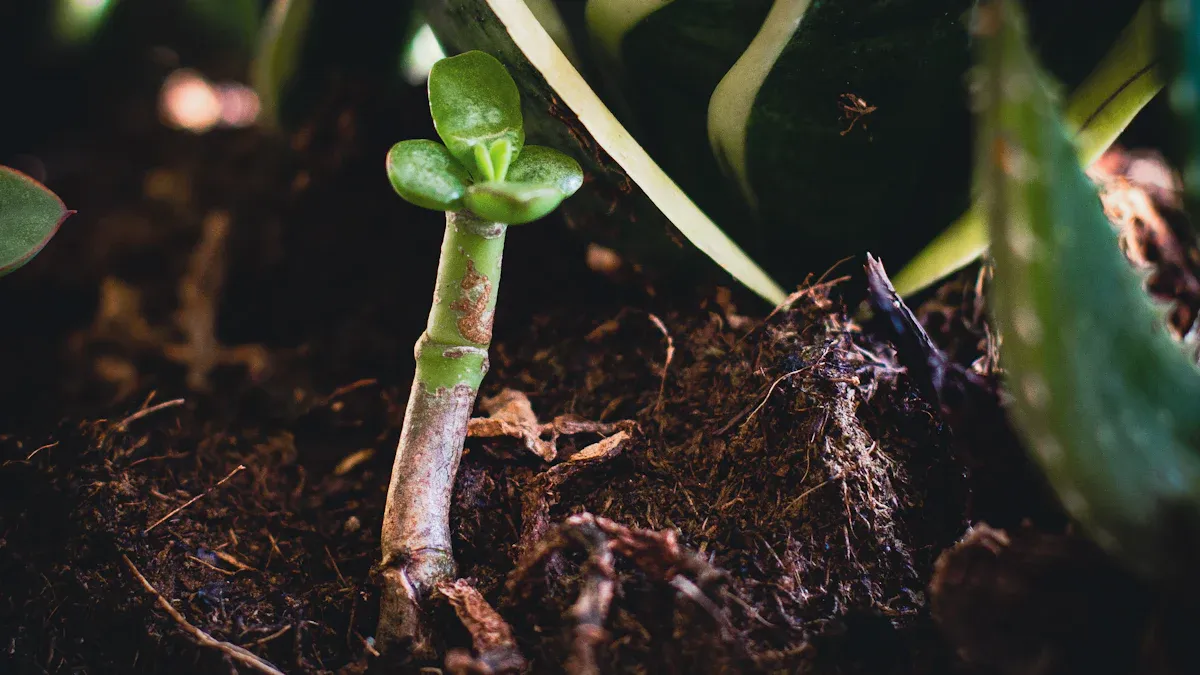
Hollyhock plant roots consist of a robust taproot and lateral roots. The taproot extends deep into the soil, reaching moisture reserves that are crucial during dry spells. This deep-rooted structure allows the plant to stay hydrated when surface water is scarce. Typically, the root system of the hollyhock ‘Black Knight’ can reach depths of 24 to 36 inches, with lateral roots spreading up to 18 inches from the base. These lateral roots help stabilize the plant and enhance nutrient acquisition.
Roots play a vital role in nutrient uptake. For the plant to absorb essential nutrients like nitrogen and phosphorus, sufficient moisture is necessary. Nutrients do not enter the roots directly; instead, they travel into the plant alongside water through a process called the transpiration stream. This process ensures that your hollyhocks receive the nutrients they need for healthy growth.
Importance of Healthy Roots
Healthy hollyhock plant roots are crucial for the overall well-being of the plant. Strong roots support the plant’s structure and stability. They also store carbohydrates, which the plant can use during periods of stress. When roots are compromised, the entire plant suffers.
Common diseases can threaten root health. For instance, anthracnose, caused by Colletotrichum malvarum, can attack various parts of the plant, including the roots. Symptoms include black blotches on stems and leaves. Rust, caused by Puccinia lobata, presents as small brown spots on lower leaves, leading to leaf drop and stunted growth. Overwatering can also stress the roots, making them more susceptible to these diseases.
Environmental factors significantly impact root health. High temperatures can accelerate growth but may lead to premature flowering and a shorter lifespan for the plant. Conversely, low temperatures can delay blooming and increase vulnerability to diseases. To maintain healthy roots, you should monitor these environmental conditions closely.
Hollyhock Stems
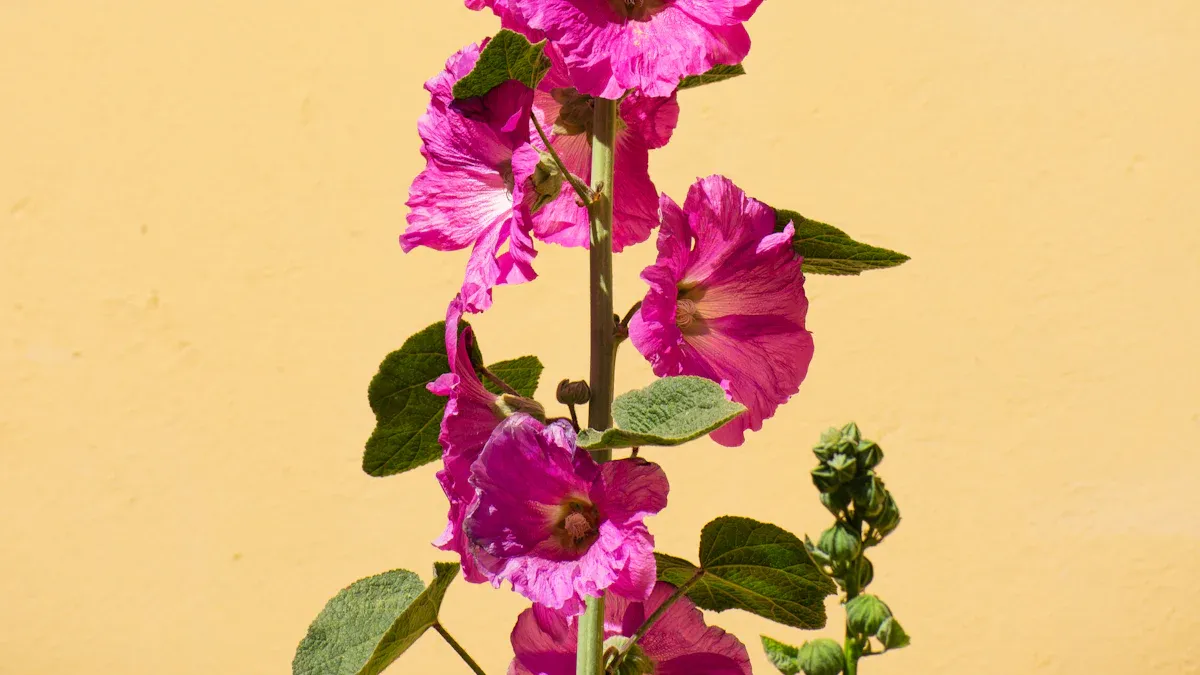
Stem Structure and Growth
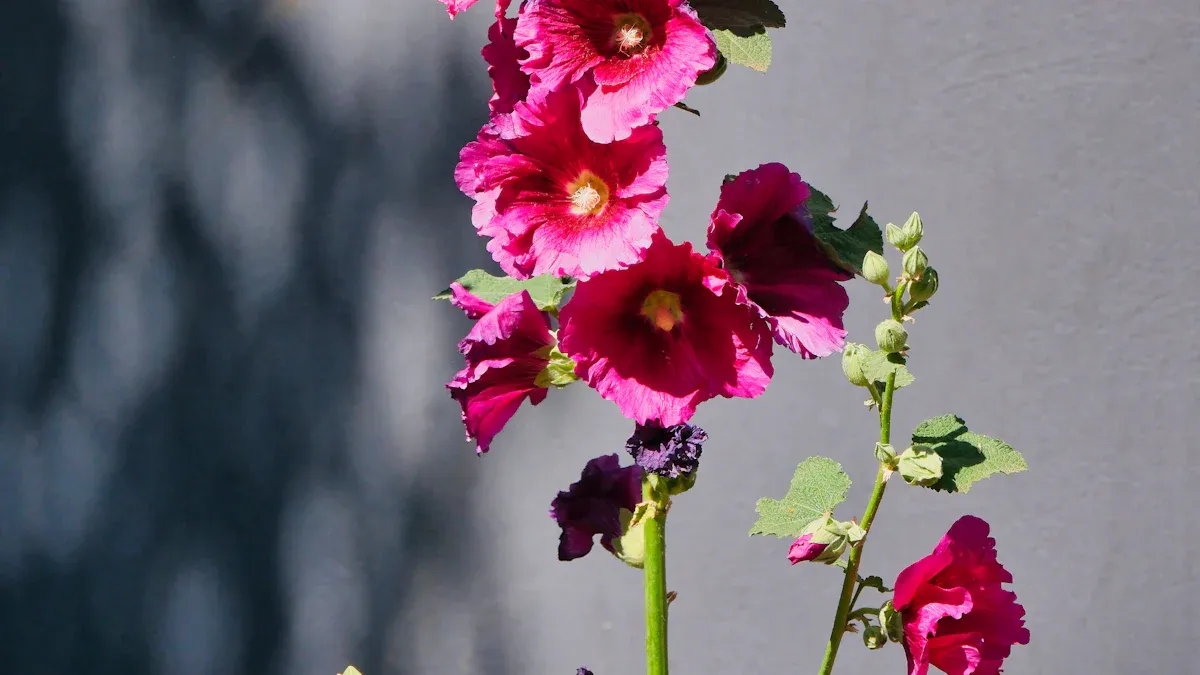
Hollyhock stems are known for their impressive height and straight growth. They can reach between 1.5 to 2.7 meters (5 to 9 feet). This vertical growth allows the plant to display its beautiful blooms prominently. The flowers typically arrange themselves along the upper portion of the stem, enhancing the plant’s ornamental appeal.
The stems are sturdy and provide essential support for the plant. As they grow, they develop a thick, fibrous structure that helps them withstand wind and rain. This strength is crucial, especially when the plant is laden with blooms. A healthy stem structure ensures that your hollyhocks can thrive in various weather conditions.
Role of Stems in Plant Health
Stems play a vital role in the overall health of hollyhocks. They serve as the main conduit for transporting water and nutrients from the roots to the leaves and flowers. This process is essential for maintaining the plant’s vitality. When stems are healthy, they can efficiently deliver the necessary resources for growth and blooming.
However, hollyhock stems can face threats from pests and diseases. Here are some common issues you might encounter:
Hollyhock Weevil: This pest damages buds and leaves, creating a lacy appearance. It burrows into seed pods, affecting future blooms.
Spider Mite: These tiny creatures suck sap from leaves, leading to bronze discoloration and potential leaf drop.
Mealybug: This pest drains nutrients from the plant, leaving a sticky residue that can harm overall health.
In addition to pests, diseases can also impact stem health. For example:
Hollyhock Rust: This disease appears as round pustules with red spores. Heavily infected leaves turn gray or tan and eventually die.
Management Strategies: To combat these issues, use disease-free plants, improve air circulation, and remove any infested material.
By keeping an eye on your hollyhock stems and addressing any problems promptly, you can ensure that your plants remain healthy and continue to produce stunning blooms.
How to Grow Bare Root Hollyhocks
Soil Requirements
To grow bare root hollyhocks successfully, you need to start with the right soil. Hollyhocks thrive in nutrient-rich soil that is well-draining. Here are some key points to consider:
Soil Type: Use loamy or sandy soil for optimal growth.
pH Range: Aim for a soil pH between 6.0 and 8.0. This range supports healthy root development.
Soil Type | pH Range |
|---|---|
Loamy and Sandy | 6.0 – 7.0 |
Hollyhock | 6.0 – 8.0 |
Good drainage is essential for bare root hollyhock plants. It impacts their water and nutrient absorption. Here are some benefits of proper drainage:
Prevents root rot, allowing roots to access moisture without becoming waterlogged.
Ensures that the soil remains porous and retains some moisture.
Watering Techniques
Watering plays a crucial role in establishing your bare root hollyhocks. Follow these guidelines for effective watering:
Water your newly planted hollyhocks when the top inch of the soil begins to dry out.
Regular watering helps new plants establish and develop strong stalks.
Keep in mind that hollyhocks prefer the soil to dry out between waterings. Overwatering can lead to root rot or fungal growth. Signs of overwatering include yellowing leaves starting at the tips.
Both overwatering and underwatering can cause yellowing leaves and root rot.
Container-grown hollyhocks require more frequent watering since the soil dries out faster.
Fertilization Tips
Fertilizing your hollyhocks is vital for their growth. Here are some effective fertilization practices:
Use a general garden fertilizer once a month during growth periods.
Fertilize every 4-6 weeks during the growing season to maintain nutrient levels.
Spring is the best time to fertilize hollyhocks. Apply water-soluble fertilizers in spring and again in summer.
Mulching around your plants can also help regulate soil temperature and moisture. A layer of 7.5-10 cm (3-4 inches) of mulch will suppress weeds and enhance soil fertility.
By following these practices, you can ensure healthy growth for your bare root hollyhocks, leading to beautiful blooms in your garden.
In summary, healthy roots and stems are vital for your hollyhocks. Strong roots access moisture and nutrients, anchoring the plant and preventing soil erosion. Healthy stems provide stability, allowing your plants to withstand wind and other environmental stresses. To promote robust growth, remember to:
Water regularly to keep the soil moist.
Fertilize with a balanced fertilizer during the growing season.
Stake your plants for support against wind.
By following these practices, you can enjoy vibrant blooms and a thriving garden for years to come! 🌼
FAQ
What is the best time to plant hollyhocks?
You should plant hollyhocks in early spring or fall. This timing allows the roots to establish before extreme temperatures arrive.
How often should I water my hollyhocks?
Water your hollyhocks when the top inch of soil feels dry. Ensure the soil dries out between waterings to prevent root rot.
Can I grow hollyhocks in containers?
Yes, you can grow hollyhocks in containers. Choose a large pot with good drainage and use nutrient-rich soil for best results.
How do I prevent pests on my hollyhocks?
To prevent pests, regularly inspect your plants. Use insecticidal soap or neem oil if you notice any signs of infestation.
When do hollyhocks typically bloom?
Hollyhocks usually bloom in mid to late summer. With proper care, you can enjoy their vibrant flowers for several weeks.