

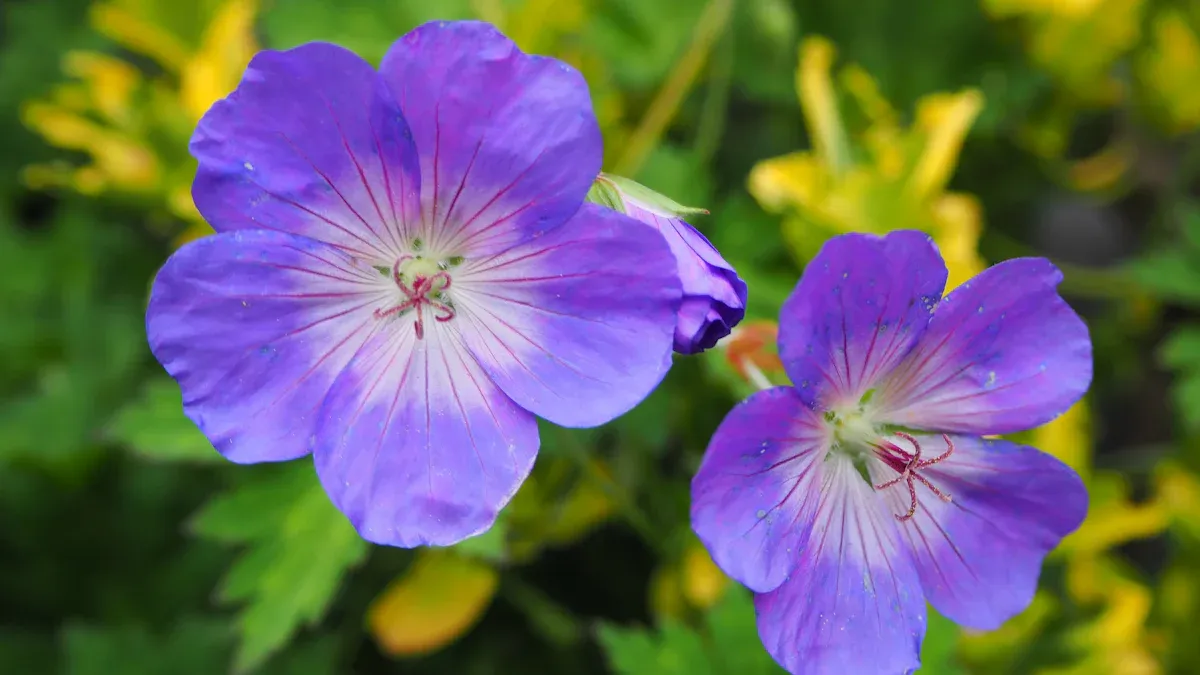
Growing wild geraniums in pots offers you a beautiful and adaptable way to enjoy these vibrant plants. They thrive in various conditions, making them perfect for any garden enthusiast. To ensure your success, pay attention to pot selection, soil quality, watering routines, sunlight exposure, and pest management.
Key Takeaways
Choose the right pot size (3 to 4 inches in diameter) to support healthy root growth and prevent issues like root rot.
Use a well-draining soil mix that retains moisture without becoming waterlogged. Consider adding perlite or sand to improve drainage.
Provide at least six hours of direct sunlight daily to encourage strong growth and vibrant blooms in your wild geraniums.
Choosing Pots for Growing Wild Geranium

When you decide to grow wild geraniums in pots, choosing the right container is crucial. The size and material of the pot can significantly impact your plants’ health and growth.
Ideal Size
For wild geraniums, the ideal pot size typically ranges from 3 to 4 inches in diameter. This size allows enough room for the roots to develop without overwhelming the plant. Here’s a quick reference for pot sizes recommended by experts:
Pot Type | Dimensions (H x W) | Volume (gallons) | Plant Age | Plant Size |
|---|---|---|---|---|
#3 Pot | ~ 9.5″ x 9.5″ | 1.19-1.76 | ~ 2-4 years | ~ 12″-30″ |
#5 Pot | ~ 11″ x 10.5″ | 3.5-4 | ~ 3-4 years | ~ 20″-60″ |
Using the right pot size helps your wild geraniums thrive. If the pot is too small, the roots can become cramped, leading to stunted growth. On the other hand, a pot that’s too large can hold excess moisture, which may cause root rot.
Material Choices
The material of your pot also plays a vital role in the health of your wild geraniums. Here are some popular options:
Terracotta: These pots are porous, allowing for good air circulation and drainage. They help prevent overwatering, which is essential for wild geraniums.
Plastic: Lightweight and often less expensive, plastic pots retain moisture well. However, they may not provide the same level of drainage as terracotta.
Ceramic: These pots can be beautiful and decorative. Just ensure they have drainage holes to avoid waterlogging.
Tip: Always choose pots with drainage holes. Good drainage is essential for healthy growth. It prevents water from accumulating at the bottom, which can lead to root rot and other issues.
By selecting the right size and material for your pots, you set the stage for successful growth. Remember, healthy roots lead to vibrant wild geraniums!
Soil Mix for Growing Wild Geranium

When it comes to growing wild geraniums, the right soil mix is essential for their health and vibrancy. You want a blend that retains moisture without becoming waterlogged. Let’s dive into what makes the ideal soil for these beautiful plants.
Moisture Needs
Wild geraniums thrive in soil that maintains a medium moisture level. They prefer slightly root-bound conditions, which means they like to have their roots snug but not cramped. The ideal soil composition should be fertile and well-draining. You can achieve this by mixing quality potting soil with some native soil. This combination helps retain moisture while allowing excess water to escape.
Here’s a quick overview of how soil moisture affects your geraniums:
Healthy Growth: When the soil stays moderately moist, your geraniums will flourish.
Drought Tolerance: Once established, they can tolerate some drought, but you should water them when the soil dries out completely.
Avoid Overwatering: Be cautious not to overwater, as this can lead to root rot, especially in poorly drained soils.
Drainage Importance
Good drainage is crucial for the health of your wild geraniums. Without it, excess water can accumulate, leading to root rot and other issues. To improve drainage in your potting mix, consider adding amendments. Here’s a handy table of effective soil amendments for enhancing drainage:
Amendment | Effectiveness for Drainage | Notes |
|---|---|---|
Perlite | Excellent short-term | Creates permanent air pockets, ideal for containers. Mix 10–20% into soil. |
Sand | Good when combined with organic matter | Prevents compaction, but can compact alone. |
Compost | Improves drainage and fertility | Especially beneficial in clay soils, requires reapplication. |
Leaf Mold | Enhances soil structure | Particularly useful for shrubs and woody plants, requires reapplication. |
By incorporating these amendments, you can create a loose, well-draining soil that supports healthy root development. Remember, wild geraniums naturally occur in rich deciduous woods, often near moist areas like pond borders and streamsides. This means they thrive best in conditions that mimic their natural habitat.
Watering Techniques
Watering your wild geraniums properly is key to their health. Let’s break down how often you should water them and what signs to look for if something goes wrong.
Frequency
When you first plant your wild geraniums, give them a thorough watering. This helps fill any air gaps around the roots. For new plants, water deeply every few days for the first few weeks. Once they’re established, you can ease up a bit. Here’s a quick guide:
Newly planted geraniums: Water 2 to 3 times a week until they acclimate.
Established geraniums: Water once a week, but increase frequency during extreme heat or wind.
Hot weather: Check the top inch of soil. If it’s dry, water every 1 to 2 days.
Cooler months: Water every 2 to 4 days, depending on the conditions.
Signs of Watering Issues
Knowing when your geraniums need water is just as important as knowing how much to give them. Here are some signs to watch for:
Underwatering Indicators:
Wilting or dry leaves
Stunted growth
Branches dying or snapping off
Lack of flowering
Overwatering Indicators:
Weakening of the plant
Increased susceptibility to pests and infections
Root rot due to lack of oxygen
By keeping an eye on these signs, you can adjust your watering routine. Remember, a little attention goes a long way in keeping your wild geraniums thriving!
Sunlight Requirements
Optimal Conditions
Wild geraniums love the sun! To thrive and produce beautiful blooms, they need at least six hours of direct sunlight each day. Here’s why sunlight is so important:
Maximizes Growth: Adequate sunlight helps your geraniums grow strong and healthy.
Encourages Blooming: Without enough light, your plants may struggle to flower, especially if they get less than six hours daily.
Avoids Stress: Too much sunlight can stress your plants, leading to damage and poor health.
Seasonal Adjustments
As the seasons change, so should your approach to sunlight exposure. Here’s a handy table to help you adjust:
Time of Day | Recommendation |
|---|---|
Morning | Gentle morning sunlight encourages vibrant blooms. |
Afternoon | Protection from harsh afternoon sun prevents scorch. |
Seasonal Changes | Adjust exposure as seasons shift to match needs. |
In spring and summer, your geraniums will soak up the sun, but in the fall and winter, they might need some protection from the harsher rays. Keep an eye on your plants and adjust their location if necessary. By providing the right amount of sunlight throughout the year, you’ll ensure your wild geraniums stay healthy and vibrant! 🌞
Pest Management
Keeping your wild geraniums healthy means staying on top of pest management. Pests can quickly become a problem if you don’t catch them early. Here are some common pests you might encounter:
Common Pests
Whiteflies: These tiny pests love greenhouses and can reproduce quickly. They suck the sap from your plants, weakening them.
Aphids: Often found on weakened plants, aphids feed on sap and can cause significant damage.
Geranium Budworms: These small caterpillars munch on flowers and buds, ruining your blooms.
Root Knot Nematodes: These microscopic pests attack the roots, restricting nutrient and water flow.
By knowing what to look for, you can take action before these pests cause too much harm.
Control Methods
You can use several organic methods to keep pests at bay. Here are some effective strategies:
Natural Repellent: Geraniums themselves act as a natural pest repellent. Their strong scent contains oils like geraniol and citronellol, which deter ticks and other biting insects.
Strategic Planting: Place your geraniums in sunny, high-traffic areas. This creates a living barrier against pests.
Companion Planting: Pair your geraniums with aromatic plants like lavender and rosemary. These companions enhance the pest-repelling effects of your geraniums.
By implementing these methods, you can protect your wild geraniums while keeping your gardening practices eco-friendly. Remember, a little prevention goes a long way in maintaining a healthy garden! 🌱
Seasonal Care for Growing Wild Geranium
Winterizing
As winter approaches, you want to protect your potted wild geraniums to ensure they survive the cold months. Here are some effective winterizing techniques:
Keep the soil moist, but avoid both dryness and excessive dampness.
Maintain room humidity around 50% to prevent mold growth.
Pinch back shoots to encourage healthy growth.
Fertilize lightly in spring to support new growth.
Begin hardening off the plants a few weeks before the last frost.
If space is limited, consider taking cuttings instead of bringing the entire plant indoors. This method allows for propagation and saves space. You can also use cool storage by placing the plant in a cold area like a garage or unheated basement, ensuring it doesn’t freeze. Before storage, clean the plant and cut back stems and foliage.
Transplanting geraniums into a greenhouse or cold frame before the first hard freeze is another great option. Ensure proper air circulation to prevent mold. Water heavily after transplanting and monitor soil moisture throughout winter. Remember, winter protection is crucial, especially in regions where temperatures drop below freezing for extended periods.
Spring Care
When spring arrives, your wild geraniums will need some extra attention to rejuvenate them. Here are some spring care tips:
Trim back tall stems to shape the plants and encourage new growth. Make sure the geranium is well-watered before trimming.
Prepare a well-draining growing medium with potting soil, compost, and perlite.
When repotting, trim branches and stems to about four inches above a node. Water the geranium thoroughly after placing it in the new pot.
Begin by preparing a nutrient-dense growing medium. Gently remove the geranium from its old pot and unwind any circling roots. Set the geranium in the new pot at the same height and fill with fresh medium.
By following these seasonal care tips, you’ll help your wild geraniums thrive and bloom beautifully throughout the warmer months!
Growing wild geraniums in pots is rewarding! Remember to choose the right pot size, use quality soil, and provide adequate sunlight. Regular watering and pest management are crucial for success. 🌱 Start your own potted geraniums today, and don’t forget to share your gardening journey with others!
FAQ
What type of fertilizer should I use for wild geraniums?
Use a balanced, water-soluble fertilizer every 4-6 weeks during the growing season to promote healthy growth and blooms. 🌼
How often should I repot my wild geraniums?
Repot your wild geraniums every 1-2 years or when roots outgrow the pot. This keeps them healthy and thriving! 🌱
Can I grow wild geraniums indoors?
Yes, you can grow wild geraniums indoors! Just ensure they receive enough sunlight and proper care for optimal growth. ☀️