You could question whether garlic can really form big bulbs in Hawaii’s warm, wet climate and what tricks gardeners use to make it happen. Should you want success, pick heat‑tolerant varieties like Creole or Artichoke and chill your seed cloves for several weeks before planting so they assume winter happened. Prepare loose, well drained soil and plant the largest healthy cloves point up, deeper in hot beds to keep roots cool.
Mulch with straw, use drip irrigation for deep infrequent water, and place plants where morning sun follows gentle shade to avoid scorch. Watch for pests and white rot through buying clean seed and rotating beds, and plan harvest once most leaves yellow but a few remain green so bulbs finish and cure properly.
Choosing Heat-Tolerant Garlic Varieties for Hawaii
Start choosing garlic types that actually like heat, because Hawaiian weather will test anything you plant. You’ll favor Creole cooking varieties and heat-tolerant Turban breeding lines because they handle sun and humidity while still giving flavor. Seek Creole and Artichoke types, plus Asiatic and Asian Tempest options, from trusted suppliers or local growers. Pick bulbs with fewer, larger cloves so each planted clove has strong energy reserves for warm soil.
In the event local seed is scarce you can cautiously use supermarket garlic but prioritize disease-free, certified stock to avoid white rot. To improve yields you’ll vernalize selected heat-tolerant cloves for four to twelve weeks before planting. These choices set you up for steady garlic success in Hawaii.
Selecting and Preparing Seed Garlic
Choosing and preparing your seed garlic matters more than you could envision, because it sets the whole season’s success.
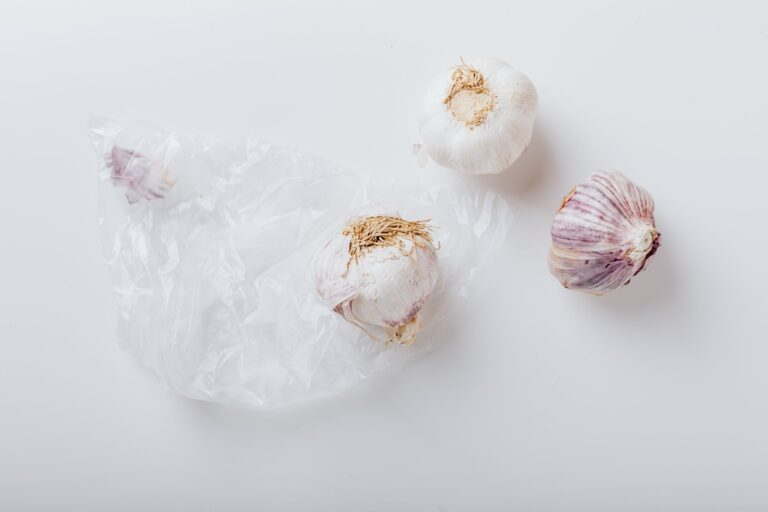
You’ll start with disease free sourcing from reputable seed suppliers or trusted local growers. Avoid grocery garlic; it could be treated or carry long‑lived pathogens like white rot.
Use a clove selection strategy that favors the largest bulbs with the fewest, fattest cloves. Whenever you separate, plant the biggest cloves with inner skin intact and reserve small ones for the kitchen.
- Choose and buy: prioritize certified disease free sourcing and label origins.
- Prepare and vernalize: chill for 4–6 weeks at 32–40°F or vernalize 10–12 weeks to prompt bulbing.
- Track and cull: mark chilled cloves, watch for root or green tip growth, and replant only the best over seasons.
Soil Testing and Amending Tropical Soils
Whenever you’re planning garlic in Hawaii, a simple soil test is the smartest initial move because it tells you exactly what your soil needs and saves time and money later. Get pH and nutrient results from your extension so you know provided soil testing shows pH near 6.5 to 7.0 and the exact N-P-K and micronutrient levels.
At home, do a jar settle test to learn sand silt clay ratios and decide amendments. Sandy plots need generous compost amendments, kelp meal, and mulch to hold water. Heavy clay needs grit, coarse organic matter, raised beds, and repeated compost amendments to create light tilth. Use lab recommendations to calculate slow release organic fertilizer and re test every two to three years.
Planting Depth, Spacing, and Orientation
You’ll plant each clove with the pointy end up and adjust depth according to clove size, usually about 2 inches deep but deeper whenever you’re using vernalized bulbs in tropical soils so roots can spread.
Space cloves about 3 inches apart in the row and leave 12 to 24 inches between rows, and orient rows north to south whenever possible to get even sun and reduce shading.
In case your soil holds water, don’t worry—use raised beds or add coarse sand or compost so each clove has at least 6 to 7 inches of loose, well drained soil beneath it.
Depth by Clove Size
Dig in a little deeper as planting garlic and you’ll give each clove the best start for a big, healthy bulb.
You’ll balance clove depth with soil compaction so roots can spread without drowning.
Set each clove basal plate down, tip up, inner skin intact.
For mastery, observe how size and soil interact.
- Small to medium cloves: plant about 2 inches deep in loose soil, keep at least 6 inches of loose, well drained soil beneath to avoid soil compaction problems.
- Very large cloves: increase depth to 4 to 6 inches so roots develop deeper and bulbs size up.
- Vernalized or long season varieties: consider 6 to 8 inches in tropical soils to extend root growth and improve bulb formation.
Row Spacing and Orientation
Once you plant garlic rows with care, you’ll set your crop up to grow evenly and stay healthy.
Plant each clove pointy-end up about 2 inches deep so bulbs sit with 6 to 7 inches of soil beneath whenever you can.
Space cloves about 3 inches apart in the row and leave 12 to 24 inches between rows for air flow and easy weeding.
For row orientation aim north–south so sunlight hits evenly and reduces heat stress.
In very hot beds position long sides east–west and add a west-side shade screen or light-reflective mulch to cut afternoon heat.
Should you use raised beds or containers keep depth and spacing and give extra soil below bulbs for deeper roots and better drainage.
Consider windbreak placement to shield tender shoots.
Mulching, Watering, and Irrigation Strategies
Mulching deeply with light-colored straw or dry grass will help keep your garlic bulbs cool and moist in Hawaii’s sandy soils, and it’s one of the easiest steps you can take to protect your crop from hot afternoons and erratic rain.
Use reflective groundcovers on pathways and light reflective mulch near rows to lower surface temperature and slow evaporation, then pair that with drip line emitters to deliver measured deep soakings.
These tactics reduce fungal risk and encourage root depth.
- Layer 3 to 4 inches of straw, keep beds raised for drainage.
- Water deeply but less often during growth, taper before harvest.
- In rainy spells, control irrigation timing and remove excess water quickly.
You’ll gain control and confidence using these integrated steps.
Managing Shade, Sunlight, and Microclimates
Because garlic needs lots of bright spring and initial summer sun to grow big bulbs, you’ll want to shape your planting site so it gets morning light and stays cooler in the afternoons. In Hawaii you’ll use microclimates to your advantage. Plant on north or east slopes, near shade tolerant shrubs, or in raised beds to lower soil temperature and avoid midday heat.
Should you must accept partial shade, pick Creole Artichoke or Turban varieties and give extra fertility plus deeper planting to strengthen roots. Use light colored mulch or a west side shade screen to cut afternoon stress while keeping morning rays. These moves protect photosynthesis, improve bulb set, and let you control temperature swings with simple, confident adjustments.
Pest, Disease Prevention, and Seed Source Safety
Upon planting garlic in Hawaii, start choosing seed stock you can really trust, because small choices now keep heartache out of your beds later.
You’ll prefer certified disease‑free seed from reputable suppliers or trusted local growers.
Grocery garlic might be treated or carry white rot, which lives in soil for decades.
Inspect bulbs for intact inner skins, no soft spots, mold, or black roots.
Quarantine new stock in labeled bags at 4°C for 4 to 12 weeks and watch roots and tips.
Discard any that soften or discolor.
- Follow a biosecurity checklist: clean tools, boots, and refrain from sharing bulbs between beds.
- Rotate beds and test soil to reduce soilborne pathogens.
- Use pathogen diagnostics should infections appear and remove infected plants promptly.
Harvesting, Curing, and Storage in Humid Climates
Being aware of the right time and how to pull your garlic matters a lot for good bulbs, and in Hawaii the timing, gentle handling, and careful drying will save you from disappointment later.
Watch timing signals like 30 to 50% lower leaf browning and stop irrigation 7 to 10 days before harvest.
Loosen soil with a fork and lift bulbs or pull by the neck to avoid bruising.
In humid conditions you’ll need airflow while curing.
Use fans or a dehumidifier in a warm shaded spot at 70 to 85°F and spread bulbs on racks or braid them so neck trimming can follow once necks are tight.
Avoid sealed containers.
Store cured bulbs at cool temperatures or in mesh bags and check them often for softness or sprouts.
Seasonal Timing and Vernalization Techniques
You’ll want to chill your selected cloves before planting so they get the cold they need to form full bulbs later.
Plan for about 10 to 12 weeks of vernalization and use a refrigerator set near 32 to 40°F in labeled bags so you can track dates and watch for firm roots or green tips.
After chilling, let cloves start to root and then plant them deep in warm soil so the roots can keep growing despite surface heat.
When to Chill Bulbs
At what point should you chill garlic cloves for Hawaii gardens so they form full bulbs instead of just scapes and skinny heads? You want reliable vernalization, not guesswork. Use local folklore as a guide but follow tested steps, and recall post plant care begins before planting.
- Pre-chill selected cloves in the refrigerator for 4 to 6 weeks at about 32 to 40°F. Label each pack with the start date and check for white root tips or tiny green shoots while chilled.
- Avoid freezing. Once root tips appear, bring cloves to warmer soil and plant deep, often 6 to 8 inches, to promote long roots and bigger bulbs.
- Provided you have small cloves, expect gradual improvement over 2 to 4 seasons with consistent chilling and selection.
Vernalization Duration Needed
You’ve already started chilling cloves and watching for tiny root tips, and now you’ll want to plan how long to keep them cold so they actually form full bulbs instead of just scapes and skinny heads.
In Hawaii you’ll need a total chill duration of at least 10 to 12 weeks to trigger bulb physiology that favors full clove development. Start with 4 to 6 weeks of steady refrigeration below 40°F 4°C, then continue chilling to reach the 10 to 12 week window whenever possible.
Label bags with start dates and watch for healthy root initiation as an indicator of successful vernalization. Plant deep after chilling to encourage strong roots.
Should cloves are small, expect slower gains and repeat plantings over seasons to improve bulb size.
Cold-Storage Techniques
Whenever you desire big, healthy garlic in Hawaii, plan your cold storage like a gentle, steady coach guiding the cloves into bulb mode.
You’ll refrigerate cleaned, unbroken bulbs or large cloves for 10 to 12 weeks below 40°F to trigger vernalization.
Use a paper or perforated plastic bag, label dates, and monitor storage humidity so cloves don’t rot or dry.
Rotate containers weekly to equalize chilling and catch problems promptly.
Prechill 4 to 6 weeks provided you need quicker green tip development, then plant deeper to promote roots.
After chilling, let small roots and green tips appear before planting to confirm viability.
Avoid freezing temperatures; check regularly and remove any soft or moldy cloves to protect the batch.