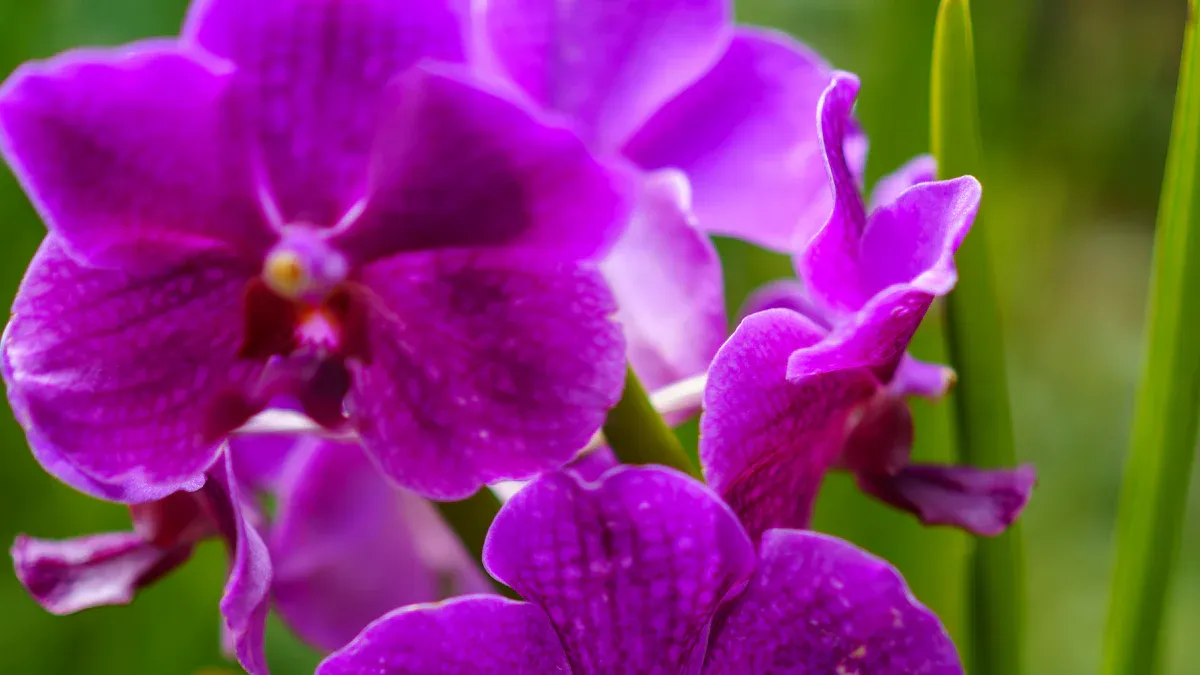
Growing a Streptocarpus plant indoors can be a rewarding experience. These beautiful houseplants brighten up your space with vibrant flowers. To successfully grow a Streptocarpus plant, you need to focus on essential aspects of streptocarpus care. With the right attention, you can enjoy their beauty for years to come.
Key Takeaways
Provide bright, indirect light for your Streptocarpus. Aim for around 10,000 lux for 12 hours a day to encourage healthy growth and vibrant flowers.
Water your plant when the top inch of soil feels dry. This helps prevent overwatering, which can lead to root rot and other issues.
Maintain humidity levels between 50-70% to support optimal growth. Use a humidifier or group plants together to increase moisture in the air.
Light for Streptocarpus
Bright Indirect Light
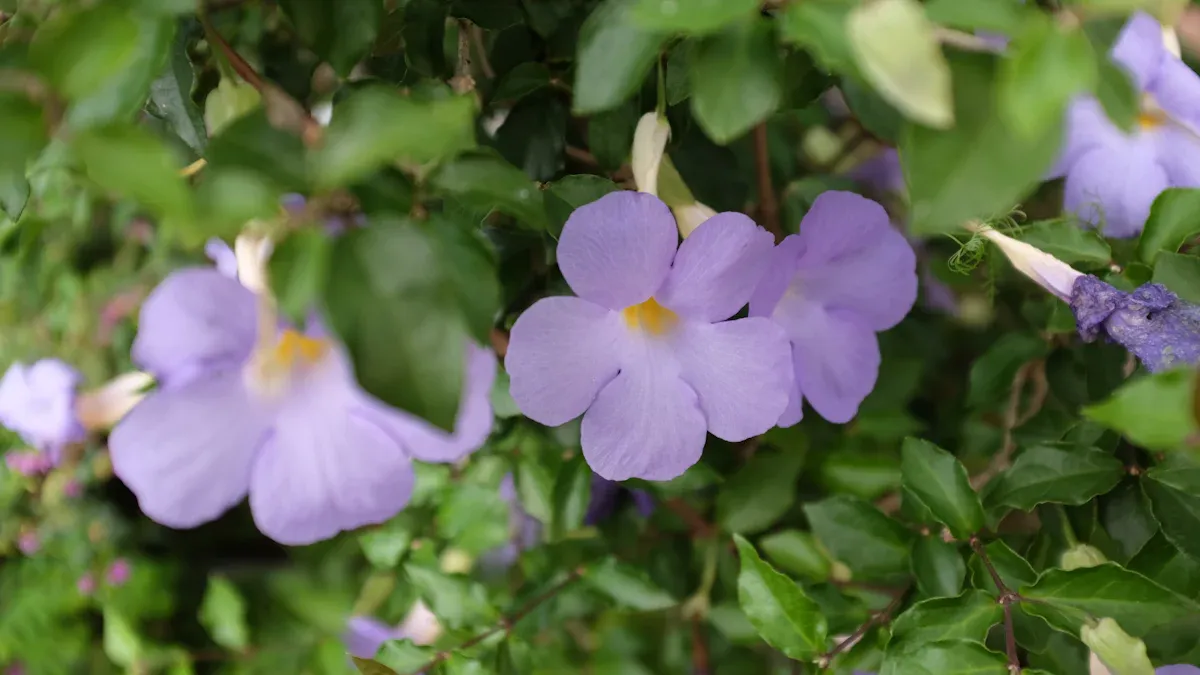
To grow your Streptocarpus plant successfully, you need to provide it with bright, indirect light. These beautiful plants, also known as cape primrose, thrive in conditions that mimic their natural habitat. In the wild, they grow under the canopy of trees, receiving filtered sunlight rather than harsh rays. Aim for around 10,000 lux of light for about 12 hours a day. This level of brightness encourages healthy growth and vibrant flowers.
Here’s a quick guide to light intensity and its effects on your Streptocarpus:
Light Intensity (lux) | Duration (hours) | Effect |
|---|---|---|
10,000 | 12 | Ideal for flowering and growth |
2,500 | – | Flowers with thin, large leaves |
16,000 | – | Better flowering with smaller, textured leaves |
While your plant can tolerate some direct sunlight in the morning, avoid strong afternoon sun. Too much direct sunlight can burn the leaves and fade the flowers, leading to a less vibrant plant. Remember, your Streptocarpus prefers moderate light, so keep it away from windows that get intense sun during the day.
Signs of Insufficient Light
If your Streptocarpus isn’t getting enough light, it will let you know through several visual signs. Keep an eye out for these symptoms:
Yellow leaves: This indicates that your plant isn’t photosynthesizing effectively due to low light.
Long, thin stems: If you notice your plant stretching towards the light source, it’s a sign of etiolation, meaning it’s not getting enough light.
Reduced growth: Fewer or smaller flowers and leaves suggest that your plant lacks the light needed for new growth.
By ensuring your Streptocarpus receives the right amount of light, you can help it flourish indoors. Remember, these plants thrive in bright, indirect light, so adjust their placement as needed to keep them happy and healthy.
Watering Streptocarpus
Watering Frequency
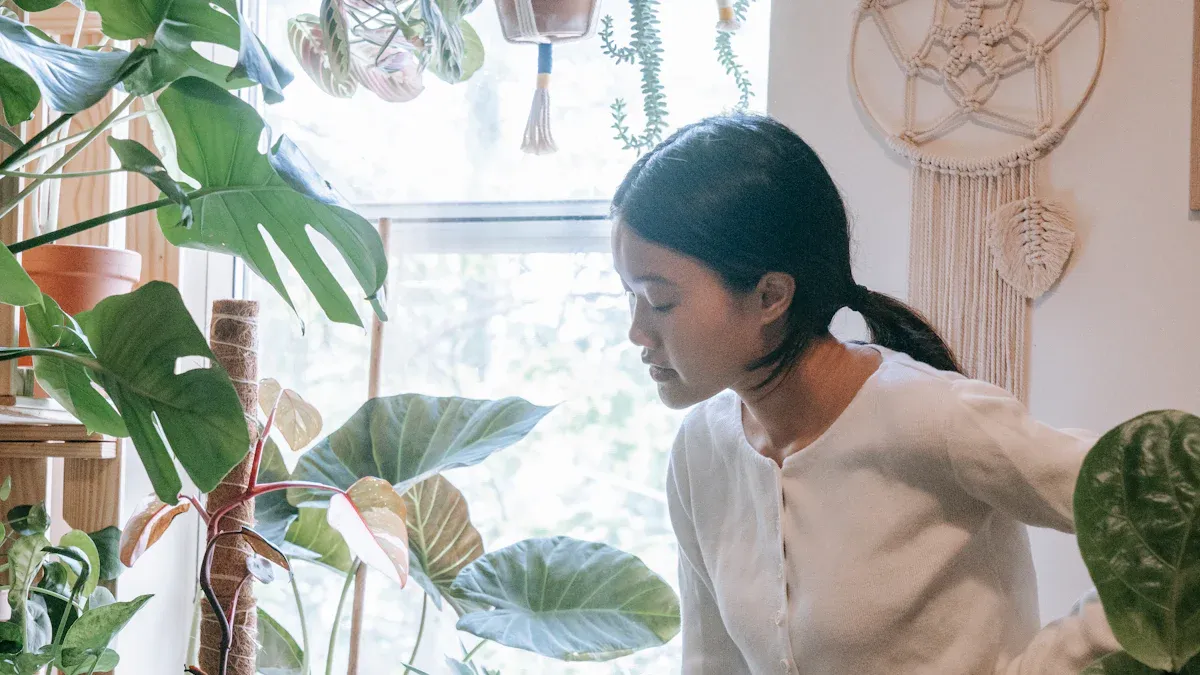
When it comes to watering your Streptocarpus, timing is everything. You want to keep the soil consistently moist but not soggy. The best approach is to check the top couple of centimeters of the compost. If it feels dry, it’s time to water. Here’s a handy table to guide you on how often to water based on the season:
Season | Watering Frequency |
|---|---|
Spring to Autumn | Water when the top couple of centimeters of compost is dry. |
Winter | Water only when the compost is dry. |
During the warmer months, your cape primrose will need more water as it actively grows. In winter, when growth slows down, you can cut back on watering. This helps prevent overwatering, which can lead to root rot.
Avoiding Leaf Rot
Overwatering is one of the biggest threats to your Streptocarpus. If you give your plant too much water, it can lead to serious issues. Here are some consequences of overwatering:
Root rot diseases can develop.
You might notice wilting, yellowing leaves, and stunted growth.
Wet soil creates a breeding ground for aggressive pathogens.
Prolonged leaf wetness can trigger foliar diseases.
To keep your plant healthy, aim for the ideal soil moisture level. Here are some tips to help you avoid leaf rot:
Keep the soil consistently moist but never waterlogged.
Allow the media to dry well between irrigations. A peat-based media will appear blonde when dry.
Use well-draining soil to prevent root rot by ensuring proper drainage.
Additionally, maintaining humidity levels between 50-70% can help your Streptocarpus thrive. Water your plant when the top inch of soil is dry to the touch. This simple practice prevents root rot and promotes healthy growth.
By following these watering tips, you can successfully grow your Streptocarpus plant indoors and enjoy its stunning blooms for years to come.
Humidity and Temperature
Humidity Preferences
To grow your Streptocarpus plant successfully, you need to maintain high humidity levels. These plants thrive in environments with humidity around 50-70%. This moisture is essential for their optimal growth indoors. If the humidity drops below this range, you might notice some telltale signs. For instance, brown crispy leaf tips often indicate dehydration. This lack of humidity can stress your plant, leading to poor flowering and leaf development. You may even find that your flowers wilt prematurely, reducing their lifespan.
Here are some tips to boost humidity for your cape primrose:
Use a humidifier: This can help maintain consistent moisture in the air.
Group plants together: This creates a microenvironment with higher humidity.
Place a tray of water near the plant: As the water evaporates, it increases humidity around your Streptocarpus.
Temperature Range
Temperature plays a crucial role in the health of your Streptocarpus. The recommended temperature range for growth is between 21-24°C (70-75°F). During the day, aim for temperatures between 65 to 80°F, while at night, keep it between 65 and 68°F. Sudden temperature fluctuations can stunt growth and weaken your plant’s defenses, making it more vulnerable to pests and diseases.
To keep your Streptocarpus happy, avoid placing it near drafts or in areas with extreme temperature changes. Maintaining stable temperatures is key to preventing stress and ensuring healthy growth.
By paying attention to both humidity and temperature, you can create an ideal environment for your Streptocarpus to flourish indoors.
Soil and Fertilization
Best Soil Types
To grow your Streptocarpus plant successfully, you need to choose the right soil. These plants prefer a light and porous mix to avoid root rot. Here’s a simple recipe for creating the perfect soil:
2 parts leafy soil
1 part coarse sand or perlite
1 part peat
1 part humus
Make sure your soil has at least 50% perlite. This helps with drainage and keeps the roots healthy. Always ensure that your pot has drainage holes to prevent water from sitting at the bottom. Waterlogged soil can lead to serious issues for your cape primrose.
Fertilization Schedule
Fertilizing your Streptocarpus is essential for vibrant blooms and overall health. During the growing season, which is spring and summer, you should fertilize every 4-6 weeks. Here are some tips for a successful fertilization routine:
Use a balanced, water-soluble fertilizer, like a 20-20-20 mix.
Consider using a weak solution of AeroGarden Liquid Fertilizer about once a month. This is similar to kelp and fish fertilizer.
From March through October, fertilize every other watering with a balanced formula (10-10-10 or 20-20-20) mixed at ¼ to ½ the usual strength.
By following these soil and fertilization tips, you can help your Streptocarpus thrive indoors. With the right care, your plant will reward you with beautiful flowers and lush foliage.
Pest Management
Common Pests
When growing your cape primrose indoors, you might encounter a few pesky pests. Here are the most common culprits:
Aphids: These small, soft-bodied insects suck sap from your plant. They can be green or orange and often hide on the youngest leaves and buds. Look for tiny discarded white skins as a sign of their presence.
Mealybugs: These pests appear as white, cottony masses on your plant. They also feed on sap and can weaken your cape primrose over time.
Flower Thrips: These tiny insects can cause damage by feeding on flowers and leaves, leading to discoloration and distortion.
Prevention Techniques
Keeping your Streptocarpus healthy means staying ahead of pests. Here are some effective prevention techniques:
Use SB Plant Invigorator: This eco-friendly spray acts as both a preventive measure and a foliar feed. Apply it every 3 to 4 days if you spot aphids.
Biological Control: Consider releasing ladybirds and tiny parasitic wasps. They naturally control aphid populations, providing an organic solution to pest management.
Regular Inspections: Check your plants frequently for any signs of pests. Early detection can save your plant from severe infestations.
If you do find pests, you can use organic options like neem oil or insecticidal soap. These methods are effective without harming your plant. For severe infestations, targeted chemical treatments like Provanto may be necessary, but always follow the label instructions.
By staying vigilant and using these techniques, you can keep your cape primrose thriving and beautiful.
Propagation of Streptocarpus
Leaf Cuttings
You can easily propagate your Streptocarpus, or cape primrose, using leaf cuttings. This method is straightforward and can yield great results. Here’s how to do it step by step:
Select a healthy, straight, green leaf from the mother plant.
Cut the leaf close to the base using a sharp knife.
Slice out the midrib of the leaf, resulting in two long pieces.
Apply hormone powder to the freshly cut edges.
Bury the cut edges about a quarter inch deep in a mixture of potting soil and sand.
Cover the pot with plastic wrap or mist daily to maintain moisture.
Place the pot in a warm location with bright, indirect light.
Keep an eye on your cuttings. After 5-6 weeks, check for new leaves forming along the buried edges. Once the new leaves are about half an inch long, lift the mother leaf and cut off the plantlets. Plant each new plantlet in slightly sandy potting soil and water it in. Feed them with half-strength balanced fertilizer monthly until the leaves reach about four inches long. Then, switch to full-strength fertilizer.
Tip: To keep humidity high, consider placing the pot in a plastic bag. Open the bag weekly to release excess humidity. You might not need to water while the pot is bagged.
Division Techniques
Another effective way to propagate your Streptocarpus is through division. This method works best for established plants. Here’s how to do it:
Carefully remove the plant from its pot.
Gently separate the root ball into smaller sections, ensuring each section has roots and leaves.
Replant each section in its own pot with fresh, well-draining soil.
Both leaf cuttings and division are moderately challenging but rewarding methods for propagating Streptocarpus. You’ll find that each technique has its benefits, so choose the one that suits you best!
To keep your cape primrose thriving as a houseplant, remember these key tips: provide bright, indirect light, maintain humidity between 50-70%, and water when the top inch of soil is dry. With proper care, you’ll enjoy beautiful blooms and lush foliage for years to come!
FAQ
How often should I water my Streptocarpus houseplant?
Water your Streptocarpus when the top inch of soil feels dry. This usually means watering every few days during the growing season.
Can I grow Streptocarpus houseplants in low light?
Streptocarpus prefers bright, indirect light. Low light can lead to weak growth and fewer flowers.
What pests should I watch for on my houseplant?
Common pests include aphids, mealybugs, and thrips. Regularly check your plant for signs of these pests to keep it healthy.