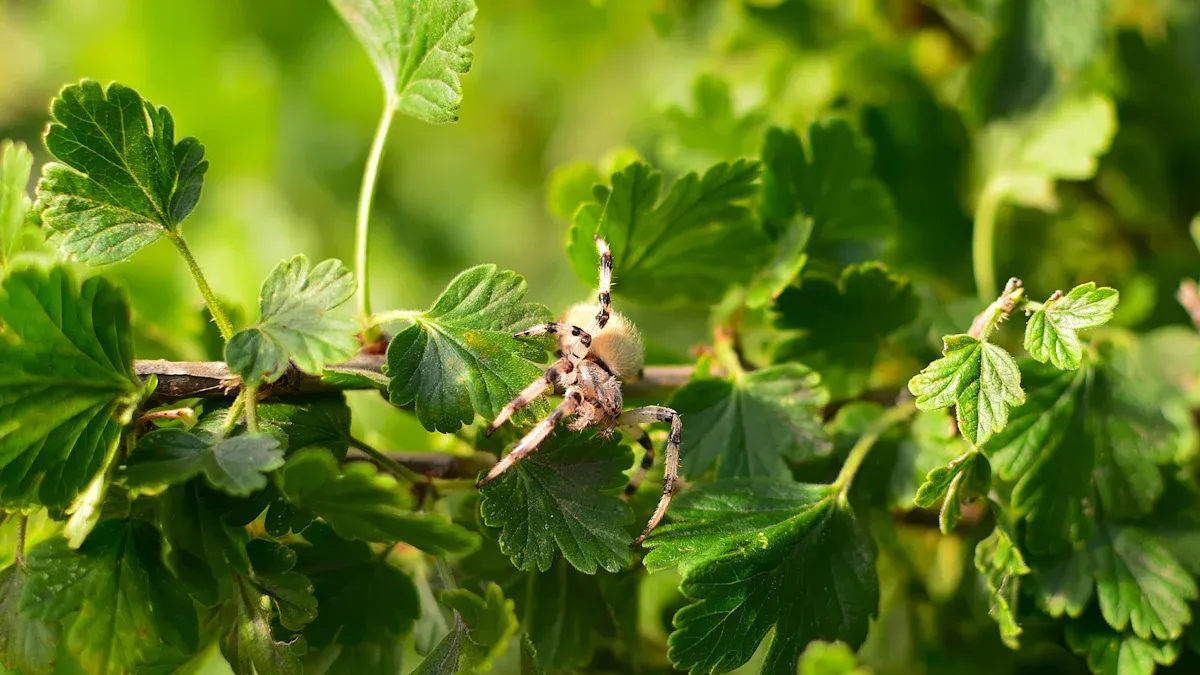
Identifying and treating gooseberry plant pests is crucial for a successful harvest. These pests can significantly affect your plants’ health and the quality of your fruit. For instance, the gooseberry fruitworm can cause premature color changes and fruit drops, leading to reduced yield. Similarly, the Japanese beetle damages leaves and roots, resulting in lower vigor.
Here’s a quick look at how some common gooseberry pests impact your garden:
Pest Name | Impact on Fruit Yield and Plant Health |
|---|---|
Gooseberry Fruitworm | Causes premature color change and fruit drop, leading to reduced yield. |
Spotted Wing Drosophila | Infests marketable fruit, causing damage that may lead to decreased quality and yield. |
Japanese Beetle | Skeletonizes leaves and damages roots, resulting in low vigor and reduced production, especially under drought stress. |
Understanding these threats helps you take proactive steps to protect your plants and ensure a healthy harvest.
Key Takeaways
Regularly monitor your gooseberry plants for signs of pests, such as unusual leaf discoloration and sticky residues. Early detection leads to effective management.
Implement preventive measures like proper watering and crop rotation to reduce the risk of pest infestations. Healthy plants are less likely to suffer from pests.
Use organic treatments, such as insecticidal soap or neem oil, to control pests without harming beneficial insects. These methods promote a healthy garden ecosystem.
For severe infestations, consider chemical treatments but always follow the manufacturer’s instructions for safe application. This ensures effective pest control.
Stay informed about common pests and diseases affecting gooseberries. Knowledge helps you take proactive steps to protect your plants and secure a bountiful harvest.
Insect Pests
Sawfly
The common gooseberry sawfly poses a significant threat to your gooseberry plants. You can identify adult sawflies by their yellow bodies with black markings. The real trouble comes from their larvae, which are caterpillars that rapidly devour leaves.
Symptoms of Sawfly Infestation
You may notice several signs of sawfly infestation:
Symptoms of Sawfly Infestation | Description |
|---|---|
Leaf Damage | The larvae feed on the leaves, often stripping them completely, leading to poor crop yields. |
Feeding Period | Larvae are typically found from April to June, with additional generations appearing from July to September. |
Defoliation Risk | When numerous, larvae can defoliate the entire plant within a few days. |
To manage sawflies effectively, consider these strategies:
Prune your plants for better airflow.
Cover them with horticultural fleece to prevent adult sawflies from laying eggs.
Check for larvae regularly and use organic Pyrethrum if the infestation becomes severe.
Aphids
Aphids are another common pest that can harm your gooseberry plants. These small insects suck the plant’s juices, leading to visible damage on leaves. You might see bright red, cupped conditions or wrinkled areas on the leaves.
Effect on Gooseberry Plants | Description |
|---|---|
Juice Sucking | Aphids suck plant juices, leading to visible damage on leaves. |
Leaf Damage | Causes bright red, cupped conditions or wrinkled areas on leaves. |
Overall Health Impact | Affects overall plant health, potentially reducing growth and fruit quality. |
For effective aphid control, you can use the following methods:
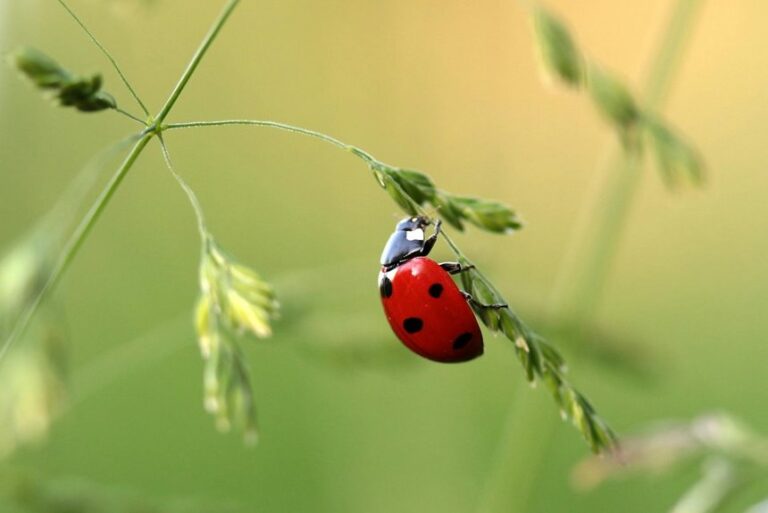
Monitor for natural predators like lady beetles and avoid sprays that disrupt these beneficial insects.
During the dormant season, apply superior-type oil. In the growing season, consider using azadirachtin/neem oil or insecticidal soap.
Currant Borers
Currant borers can also threaten your gooseberry plants. You can identify them by their adult appearance, which resembles a blue-black clear-wing moth with yellow markings.
Feature | Description |
|---|---|
Adult Appearance | Blue-black clear-wing moth with yellow markings. |
Abdomen | Prominent, shield-like tuft of long scales at the posterior end; larger in males. |
Wings | Transparent, mostly devoid of scales except on the veins, which are black with golden-purplish markings. |
To manage currant borers, you should:
Remove and destroy infested canes.
Use insecticides labeled for borers if necessary, but always follow the manufacturer’s instructions.
Stinkbugs
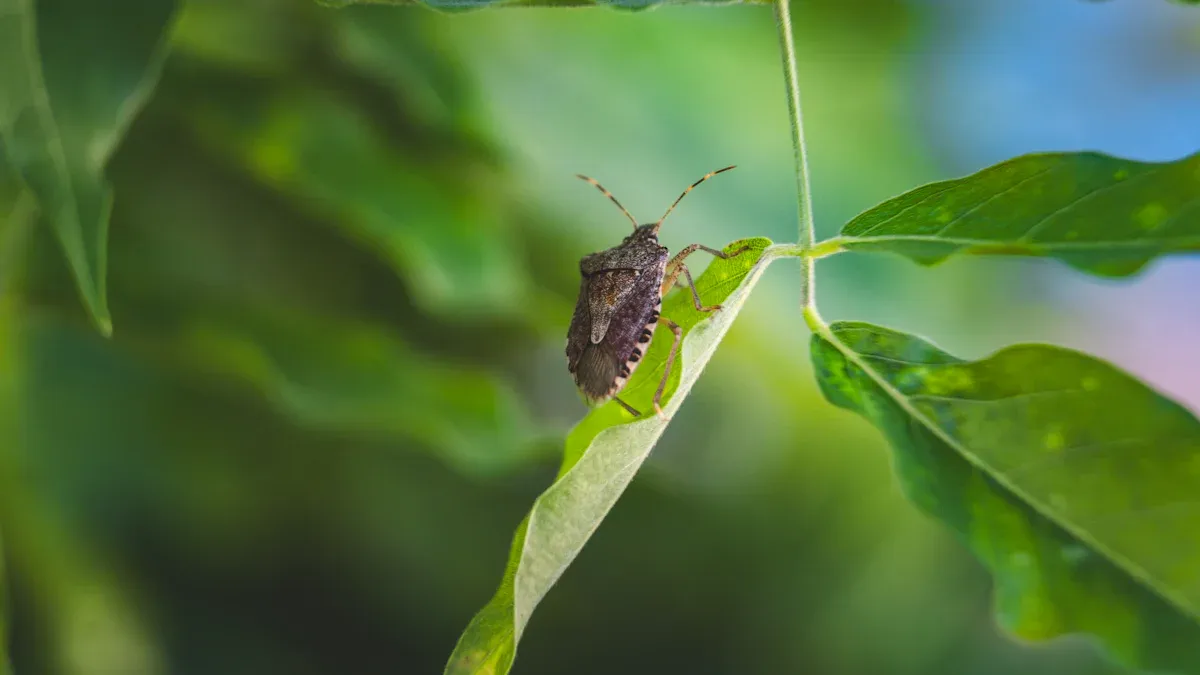
Stinkbugs, particularly the Brown Marmorated Stink Bug, can inflict damage on your gooseberry plants. They use their piercing-sucking mouthparts to feed on plant tissues, leading to deformation and loss of turgor in the affected areas.
You may notice the following signs of stinkbug presence:
Deformation and loss of turgor in plant tissues.
Pithy, loose-cell textured tissue around feeding sites, which may not be visible until you cut open the fruit.
To control stinkbugs, consider these integrated pest management strategies:
Hand-pick egg masses and young nymphs.
Use natural predators and employ barriers like row covers.
For chemical management, target young nymphs, but be cautious due to toxicity to bees.
By staying vigilant and implementing these pest management strategies, you can protect your gooseberry plants from these common pests and ensure a healthy harvest.
Fungal Diseases
Fungal diseases can significantly impact your gooseberry plants. Two of the most common diseases are American gooseberry mildew and powdery mildew. Understanding how to identify and manage these diseases is essential for maintaining healthy plants.
American Gooseberry Mildew
American gooseberry mildew is a fungal disease that manifests as powdery, white patches on leaves. You may also notice leaf curling and dark brown spots on the fruit. This disease thrives in humid conditions, making it crucial to monitor your plants closely.
Symptoms of American Gooseberry Mildew | Description |
|---|---|
White Patches | Powdery, white growth on leaves. |
Leaf Curling | Leaves may curl and distort due to infection. |
Dark Brown Fruit | Infected fruit may develop dark brown spots. |
To manage American gooseberry mildew, consider these strategies:
Reduce humidity around your plants by spacing them adequately.
Use resistant varieties like ‘Captivator’ or ‘Martlet’ to minimize risk.
Prune your plants to improve air circulation and remove any infected leaves.
Powdery Mildew
Powdery mildew is another prevalent issue for gooseberries. You can identify it by the white powdery growth on leaf surfaces, green shoots, and even fruit. Infected plants may exhibit stunted growth, and as the fruit matures, it can develop a dark brown coating with tiny black specks.
Here are some effective management practices for powdery mildew:
Space your plants and prune them to enhance air circulation.
Clean up plant debris regularly to prevent the spread of spores.
Apply sulfur-based fungicides before the disease appears, and use eradicants at the first sign of infection.
Management Strategies for Powdery Mildew | Description |
|---|---|
Improve Air Circulation | Space plants and prune to reduce humidity. |
Clean Up Debris | Remove fallen leaves and infected plant materials. |
Apply Fungicides | Use sulfur products at key growth stages. |
By recognizing these fungal diseases early and implementing effective management strategies, you can protect your gooseberry plants and ensure a bountiful harvest.
Identifying Gooseberry Pests
Recognizing the signs of gooseberry pests early can save your plants from serious damage. You should regularly monitor your plants for visual signs and behavioral indicators that suggest pest activity.
Visual Signs
Several visual signs can help you identify pest infestations on your gooseberry plants. Keep an eye out for:
Unusual leaf discoloration
Sticky residues on leaves
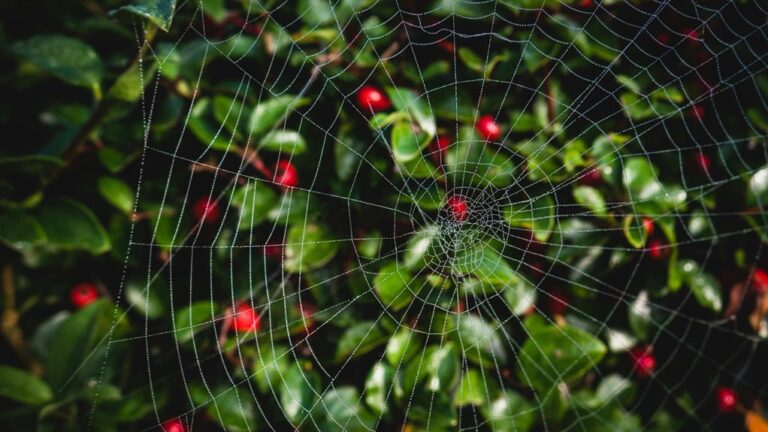
Fine webbing on plants
Small, oval-shaped bumps on stems or leaves
These symptoms often indicate the presence of common pests. For instance, sticky residue, also known as honeydew, can signal aphid infestations. You might also notice curling leaves, which can suggest that pests are feeding on your plants.
Behavioral Indicators
In addition to visual signs, you should observe the behavior of your plants and the surrounding environment. Here are some behavioral indicators to watch for:
Presence of ants, which often accompany aphids due to the honeydew they produce.
Increased activity of insects around your plants, especially during warmer months.
Changes in plant growth patterns, such as stunted growth or wilting.
By monitoring these signs and behaviors, you can take timely action to control gooseberry plant pests. Early identification leads to effective pest management, ensuring your plants remain healthy and productive.
Regularly checking your plants for these indicators will help you maintain a thriving gooseberry garden. Stay vigilant, and don’t hesitate to act if you notice any signs of pest activity.
Management Strategies for Gooseberry Pests
Managing gooseberry plant pests effectively involves a combination of organic treatments, chemical treatments, and preventive measures. Each strategy plays a vital role in ensuring your plants remain healthy and productive.
Organic Treatments
Organic treatments offer a safe way to control pests without harming beneficial insects or the environment. Here are some effective organic treatments for common gooseberry pests:
Pest | Organic Treatment |
|---|---|
Aphids | Monterey Fruit Tree Spray Plus |
Thrips | Monterey Fruit Tree Spray Plus, Hi-Yield® Vegetable & Ornamental Insect Control |
Fruitworm | Hi-Yield® Vegetable & Ornamental Insect Control |
Omnivorous Leafroller | Natural Guard® Caterpillar Killer Spray w/BT |
Scale | Monterey Fruit Tree Spray Plus, Rub off with burlap |
Cane Borer | Cut infected canes at ground level and burn |
Powdery Mildew | Monterey Fruit Tree Spray Plus |
Cane Blight | Prune out infected canes and destroy, Monterey Fruit Tree Spray Plus |
Using these organic treatments can help you manage pests while promoting a healthy ecosystem in your garden.
Chemical Treatments
When organic methods are insufficient, chemical treatments can provide effective control. Here are some approved chemical pesticides for gooseberry plants:
Flonicamid: This pesticide has a favorable safety profile. Short-term exposure assessments show that it poses minimal risk to consumer health. Long-term assessments indicate that the intake of flonicamid residues is unlikely to be harmful.
For effective pest management, consider the following application rates and intervals:
Chemical Treatment | Application Timing | Interval | REI | PHI |
|---|---|---|---|---|
Proline 480SC | At first sign of disease | 7-10 days as needed | 12hr | 7 days |
Rally 40 WSP | Do not apply after bloom | Post-harvest permitted | N/A | N/A |
Rendition | During bloom when conditions favor | N/A | 4hr | N/A |
Mettle 125ME | At pre-bloom | 14-day intervals | 12hr | Long |
Oso 5% SC | As preventative | 7-14 days as needed | 4hr | N/A |
Cueva | At onset of bloom | N/A | 4hr | N/A |
Always follow the manufacturer’s instructions for safe and effective use of chemical treatments.
Preventive Measures
Preventing pest infestations is often more effective than dealing with them after they occur. Here are some key preventive measures you can implement:
Cultural Practices: Improve plant health to reduce pest risk.
Proper Watering Techniques: Water deeply but infrequently to promote root growth.
Soil Health and Amendments: Use organic matter to enhance soil structure.
Crop Rotation and Companion Planting: Use marigolds and nasturtiums to deter pests.
Regular Monitoring and Maintenance: Conduct weekly inspections for early pest detection.
By adopting these preventive measures, you can significantly reduce the likelihood of pest infestations and ensure a healthy harvest.
In summary, managing pests effectively is vital for a thriving gooseberry garden. Regular monitoring helps you catch issues early. Implementing proactive strategies can significantly reduce pest damage.
Here are some common challenges you may face:
Challenge | Description |
|---|---|
Gooseberry sawfly | A pest that specifically targets gooseberries, causing significant damage to the plants. |
American gooseberry mildew | A fungal disease that affects the health and yield of gooseberry plants. |
Die-back caused by Phytophthora | A serious disease that can lead to the death of the plant if not managed properly. |
Eutypa | Another disease that can severely impact gooseberry production, requiring careful management. |
By staying informed and applying the strategies outlined, you can ensure a healthy harvest of delicious gooseberries.
FAQ
What are the signs of a pest infestation on my gooseberry plants?
Look for unusual leaf discoloration, sticky residues, or fine webbing. You may also notice small bumps on stems or leaves. These signs often indicate pests like aphids or spider mites.
How can I prevent pests from damaging my gooseberry plants?
Implement preventive measures such as proper watering, crop rotation, and companion planting. Regularly monitor your plants for early signs of pests. Healthy plants are less susceptible to infestations.
When should I apply treatments for pests?
Apply treatments at the first sign of pest activity. For organic options, use them during the growing season. Chemical treatments should follow the manufacturer’s instructions for timing and frequency.
Can I use homemade remedies for pest control?
Yes, you can use homemade remedies like soap sprays or neem oil. These options can effectively manage pests without harming beneficial insects. Always test on a small area first to ensure plant safety.
How often should I check my gooseberry plants for pests?
Inspect your plants weekly, especially during the growing season. Regular monitoring helps you catch infestations early, allowing for timely intervention and better protection for your plants.