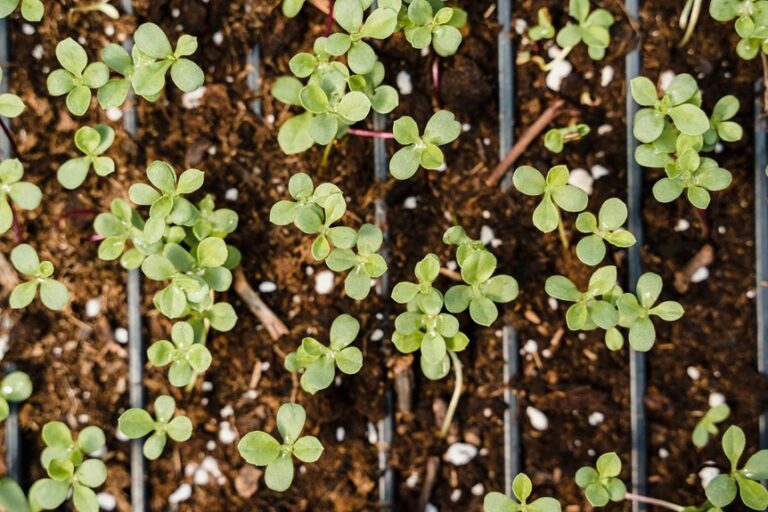

Many gardeners feel a little defeated whenever their lupins grow lots of leaves but almost no flower spikes, yet the solution is often simpler than it seems. With the right variety, light, soil, water, and care, those tall, colorful spires can suddenly burst into life. This guide walks step by step through practical changes that rescue weak plants, enhance stubborn ones, and turn a quiet border into a showpiece, commencing with the very initial choice: the lupin itself.
Choose Varieties Bred for Reliable Flowering
Often, the path to beautiful lupin blooms begins with one simple choice: selecting varieties that are naturally dependable flowerers. Whenever a gardener chooses strong genetics, the plants do much of the hard work for them. Instead of guessing, they can look for named heritage cultivars that have proven performance in real gardens year after year. These lines usually give taller spires, richer color, and tighter flower spacing.
At the same time, dwarf selections help whenever space is limited or wind regularly snaps tall stems. A grower can group several compact types together and still enjoy dense, colorful displays. Through mixing classic heritage cultivars with modern dwarf selections, a gardener builds a collection that feels personal and still flowers with steady, reliable rhythm.
Give Lupins the Right Balance of Sun and Shade
Sometimes the real secret to getting lupins to flower is simply giving them the right mix of sunlight and gentle shade. Whenever a gardener understands light, the plants respond with taller spikes and richer color. Lupins like full sun in cooler climates, yet they often perform best in partial shade where summers grow hot.
In these brighter gardens, filtered sunlight through light tree canopies protects their foliage from scorching and keeps blooms from fading too fast. Morning sun with afternoon shade lets the plant make enough energy while still staying cool. Should foliage look bleached or wilted midday, it usually means the spot is too harsh. A small shift in position often restores steady growth and reliable flowering.
Prepare Free-Draining, Nutrient-Rich Soil
Healthy light above the lupins only works well once the roots feel safe and comfortable beneath, so soil becomes the next big piece of the puzzle.
Here, the goal is simple: roots should breathe, drink, and feed without ever sitting in cold, sticky muck.
A gardener can shape this kind of soil with a few careful choices:
- Mix sharp sand or fine grit into heavy ground so water drains instead of pooling.
- Add compost that wakes up soil microbes, because these tiny helpers release nutrients gently.
- Use raised beds where natural drainage is poor, giving roots a drier, warmer home.
With these steps, the soil quietly supports strong roots, and strong roots invite flower spikes.
Avoid Overfeeding With High-Nitrogen Fertilisers
Many gardeners are surprised to learn that too much nitrogen can actually hold back lupin flowers, even while the leaves look big and lush.
In this part, the focus shifts to how excess nitrogen pushes the plant to grow foliage instead of blooms, which can feel frustrating whenever someone is carefully tending their bed.
It also gently explains which fertiliser ratios work better for strong flower spikes, so the plant gets just enough nitrogen along with the right balance of phosphorus and potassium.
Why Nitrogen Inhibits Blooms
Overfeeding lupins with nitrogen could seem like extra love, but it quietly shuts down their flowers.
Whenever nitrogen is high, the plant feels “safe” and shifts energy into lush leaves instead of buds.
The root nodules and soil microbes then change how they work, so natural nitrogen fixing slows, and balance in the soil breaks down.
- High nitrogen enhances ammonium uptake, which drives leafy growth and delays flower signals.
- Extra foliage shades lower buds, so small flower spikes never fully develop.
- Soft, fast growth makes stems weak, so plants struggle to support heavy blooms.
With steadier nitrogen levels, lupins sense just enough stress to switch from leaf growth to strong, abundant flowering.
Best Fertiliser Ratios
A good fertiliser ratio for lupins starts with a simple idea: give the plant enough food to bloom, but not so much that it forgets to make flowers. So, instead of chasing fast, leafy growth, a gardener chooses a balanced, low nitrogen mix, such as 5-10-10 or 4-8-6. This gently supports buds while keeping stems sturdy.
Soil microbes also matter, because they release nutrients and help lupins use phosphorus and potassium more efficiently. Whenever roots stay healthy, light foliar feeding can fine-tune growth during bud development.
| Lupin Stage | Recommended N P K Focus |
|---|---|
| Seedling | Soft, low N starter |
| Vegetative | Moderate N, higher K |
| Pre-bud | Low N, strong P and K |
| Bloom | Minimal N, steady K |
| After bloom | Gentle, balanced feed |
Water Deeply but Prevent Waterlogging
Caring for lupins starts with comprehension how their roots drink and breathe at the same time, so deep watering needs to stay in balance with good drainage.
The grower lets water soak the full root zone, then gives the soil time to dry slightly, so roots stay strong instead of stressed.
Thoughtful mulch strategies help keep this rhythm steady by slowing surface evaporation and softening hard rain.
To master this balance, the grower watches soil, not just schedule, and adjusts irrigation timing to weather and growth stage.
- Check moisture 10 to 15 cm down before watering again.
- Use mulch that stays loose, not packed or soggy.
- Water in the early morning so foliage dries fast and roots still drink deeply.
Plant at the Correct Depth and Spacing
Healthy lupins do not rely only on water habits; they also need to sit in the soil at a depth and distance that feels “right” for their roots.
Whenever a gardener understands root depth, planting becomes more intentional and less stressful. Lupins form a strong taproot, so the hole should be deep enough for that root to stretch down without bending.
Correct spacing also protects plants from competition and disease. Spacing guides usually suggest leaving generous room between clumps so air can move easily through foliage.
This space lets light reach every leaf and helps each plant build strength. Whenever depth and spacing work together, roots probe freely, stems stay sturdy, and flower spikes form with far more confidence and color.
Deadhead Spent Spikes to Encourage More Blooms
Many gardeners are surprised to learn how much difference one simple habit can make whilst growing lupins. Once a lupin spike fades, the plant starts putting its strength into seed, not flowers. Through removing spent spikes, a gardener gently pushes the plant back toward bloom production, especially in modern lupin hybrids that respond strongly to this signal.
To work with precision, a gardener can:
- Watch for browning florets and cut the spike just above healthy leaves.
- Use sharp, clean pruners so cuts heal quickly and resist disease.
- Remove small side shoots that have finished, not only the main spike.
After cutting, stalk composting lets those tough stems decompose slowly, returning nutrients to the soil for future flowering cycles.
Divide and Rejuvenate Older Clumps
As spent flower spikes are removed and the plant is encouraged to bloom again, another quiet change is happening under the soil: older lupin clumps begin to thicken, slow down, and lose some of their sparkle. At this stage, division becomes a loving reset, not a harsh task.
A careful gardener lifts the clump in early spring or just after flowering, keeping as many roots as possible. With a clean knife, they gently split crowns into strong, fist sized sections. Each piece carries firm buds and healthy roots. By replanting these sections into fresh soil, they renew rootstocks, restore vigor, and invite more blooms. This simple rhythm lets tired clumps start over and keeps a favorite lupin patch feeling young again.
Protect Flower Spikes From Pests and Disease
Sometimes trouble reaches lupin flower spikes before a gardener even notices, so prompt care around them matters a lot. At this point, integrated pestmanagement keeps those tall, colorful spires safe and strong. The goal is not to panic, but to respond promptly and gently.
A gardener watches closely, then acts in layers that work together:
- Inspect spikes often, lifting leaves to spot aphids, slugs, and mildew before damage spreads.
- Encourage beneficial insects like ladybugs by avoiding harsh sprays and planting small nectar flowers nearby.
- Remove badly spotted leaves so disease spores do not reach forming buds.
With these habits, each flower spike stands a much better chance of rising clean, bright, and fully open.
Use Seasonal Timing Tricks to Extend the Display
In every growing season, timing quietly decides how long lupins stay in bloom, even more than fertilizer or fancy care. Whenever a gardener plans the calendar instead of reacting, the plants answer with longer, richer color.
Early sowing indoors gives roots a head start, so the initial spikes rise just as spring settles. Then staggered planting every two to three weeks stretches the show across the warm months.