

Worms can be a real headache for your oleander plants! The oleander caterpillar is the most common culprit. These pests munch on leaves, making them ragged and thin. While the damage looks bad, healthy plants usually bounce back by growing new leaves. To get rid of worms effectively, you can use manual removal, natural remedies, or chemical solutions.
Key Takeaways
Identify worm infestations early by looking for chewed leaves, brown foliage, and clusters of orange caterpillars.
Use manual removal or natural remedies like neem oil and diatomaceous earth to control worm populations without harming the environment.
Act quickly at the first sign of worms to prevent serious damage to your oleander plants and promote healthy regrowth.
Identifying Worms
Common Types
When it comes to worms that affect oleander plants, the oleander caterpillar is the most notorious. These caterpillars can grow to about 1 to 1.5 inches long. They have striking, bright orange bodies adorned with long black hairs. You might notice distinctive tufts along their backsides, which can irritate your skin if you touch them. These caterpillars feed on oleander leaves, storing toxins for their defense. They thrive in warm, tropical environments, often found in gardens and parks. After a quick development phase, they transform into polka-dot wasp moths, showcasing bright red hindwings and white spots.
Characteristic | Description |
|---|---|
Actual Size | 1 to 1.5 inches long |
Appearance | Striking, alien-like with bright orange bodies and long black hairs |
Hair Tufts | Distinctive tufts along their backsides that can cause irritation |
Feeding Habits | Feed on oleander leaves, storing toxins for defense |
Habitat | Thrive in warm, tropical environments, often in gardens and parks |
Life Cycle | Quick development, larval stage lasts about three weeks |
Adult Transformation | Become polka-dot wasp moths with bright red hindwings and white spots |
Behavior | Gregarious, often found in large groups on oleander plants |
Toxicity | Can consume toxic cardiac glycosides from oleander without harm |
Signs of Infestation
Identifying a worm infestation early can save your oleander plants from serious damage. Here are some signs to look for:
Chewed leaves
Brown or skeletonized foliage
Black droppings (frass) on and under the plant
Clusters of orange caterpillars on leaves and stems
You might also see small, green caterpillars hiding among the leaves. Check for holes or discoloration on the leaves, as these are clear indicators of feeding. Observing frass near the base of the plant can also signal that worms are present. If you notice any of these signs, it’s time to take action and get rid of worms before they cause more harm.
Habitat of Worms

Worms, especially oleander caterpillars, thrive in specific conditions. Understanding these can help you manage infestations effectively.
Preferred Conditions
The oleander caterpillar loves warm and humid environments. Here are the ideal conditions for these pests:
Temperature: They thrive best in temperatures between 25°C to 30°C (77°F to 86°F).
Humidity: Relative humidity levels between 55% to 60% are optimal for their survival.
When these conditions are met, you may notice an increase in worm populations on your oleander plants. Keeping an eye on the weather can help you anticipate potential infestations.
Entry Points
Worms can enter your oleander plants in several ways. Here are some common entry points:
Eggs: Female moths lay eggs on the undersides of leaves. These eggs hatch into caterpillars that start feeding immediately.
Wind and Rain: Strong winds can carry caterpillars from nearby infested plants. Rain can also wash them onto your plants.
Contaminated Tools: If you use gardening tools on infested plants, you might inadvertently transfer worms to your oleander.
By knowing these entry points, you can take steps to prevent infestations. Regularly inspect your plants and maintain good gardening practices to keep those pesky worms at bay. Remember, if you spot any signs of worms, act quickly to get rid of worms before they cause significant damage!
Get Rid of Worms Effectively
When it comes to getting rid of worms in your oleander plants, you have several effective options. Let’s explore these methods in detail.
Manual Removal
One of the simplest ways to tackle worm infestations is through manual removal. This method is especially effective for smaller oleander plants. You can use scissors to cut off leaves that have larvae on them. This direct approach helps reduce the worm population without introducing chemicals into your garden.
Tip: Always wear gloves when handling caterpillars, as they can irritate your skin. After removing the infested leaves, dispose of them in soapy water to ensure the worms don’t return.
Natural Remedies
Natural remedies can be a great way to control worm populations while being gentle on the environment. Here are some effective options:
Neem Oil: This natural pesticide disrupts the life cycle of worms. Mix neem oil with water and spray it on the affected areas.
Diatomaceous Earth: Sprinkle this powder around your oleander plants. It’s harmless to humans and pets but can damage the exoskeletons of worms, leading to dehydration.
Beneficial Insects: Introducing natural predators like ladybugs and lacewings can help keep worm populations in check. These insects feed on caterpillars and other pests, promoting a healthier ecosystem.
Using integrated pest management (IPM) strategies can also be beneficial. IPM focuses on using natural predators to control worm populations, reducing the need for chemical pesticides. This approach fosters a sustainable ecosystem and minimizes harm to beneficial insects.
Chemical Solutions
If the infestation is severe, you might need to consider chemical solutions. Here are some options:
Insecticidal Soap: This is effective against soft-bodied insects like caterpillars. Spray it directly on the worms, focusing on the undersides of leaves where they often hide.
Bacillus thuringiensis (Bt): This natural bacteria targets young larvae. Apply it in the evening when caterpillars are most active for the best results.
Synthetic Insecticides: For serious infestations, stronger chemical solutions may be necessary. Always follow the label directions to minimize environmental impact.
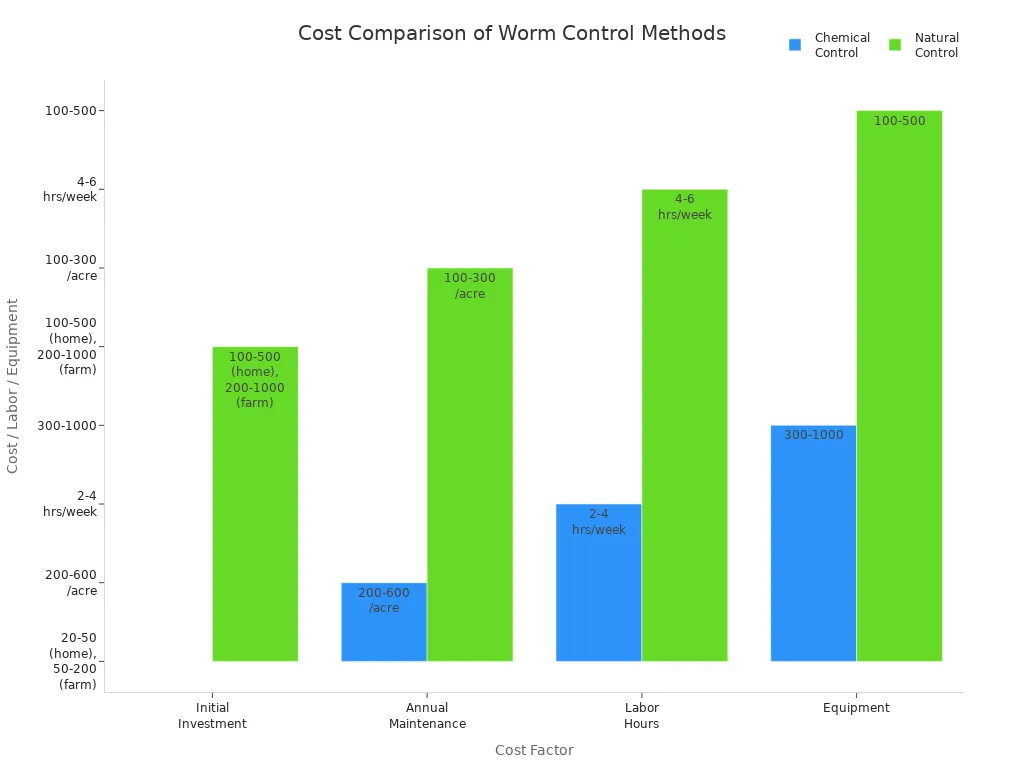
Here’s a quick comparison of the costs associated with different control methods:
Cost Factor | Chemical Control | Natural Control |
|---|---|---|
Initial Investment | $20-50 (home gardens), $50-200 (farms) | $100-500 (home gardens), $200-1000 (farms) |
Annual Maintenance | $200-600/acre | $100-300/acre |
Labor Hours | 2-4 hrs/week | 4-6 hrs/week |
Equipment | $300-1000 | $100-500 |
After treating your oleander plants, follow up with proper care to ensure they recover well. Here are some recommended steps:
Handpicking: Remove any remaining caterpillars by hand.
Pruning: Cut off heavily infested branches to promote healthy regrowth.
Insecticidal Soap and Oils: Spray on leaves, especially the undersides, to target eggs and larvae.
Bacillus thuringiensis (Bt): Use this natural bacteria on young larvae in the evening.
Chemical Insecticides: For severe infestations, consider stronger solutions while following label directions.
By combining these methods, you can effectively get rid of worms in your oleander plants and keep them healthy for years to come.
In summary, timely identification and treatment of worms in oleander plants are crucial for their health. You can manage infestations effectively through manual removal, natural remedies, or chemical solutions. Remember, the damage is temporary, and with the right methods, your oleanders can thrive again! 🌿
Key Actions:
Regularly inspect your plants.
Use integrated pest management strategies.
Don’t hesitate to act at the first sign of trouble!
FAQ
What should I do if I find worms on my oleander plants?
Remove them by hand or use natural remedies like neem oil to control the infestation.
How can I prevent worms from returning?
Regularly inspect your plants, maintain good gardening practices, and introduce beneficial insects to keep pests at bay.
Are oleander caterpillars harmful to humans?
While they can irritate your skin, oleander caterpillars are not dangerous to humans. Just handle them with care!