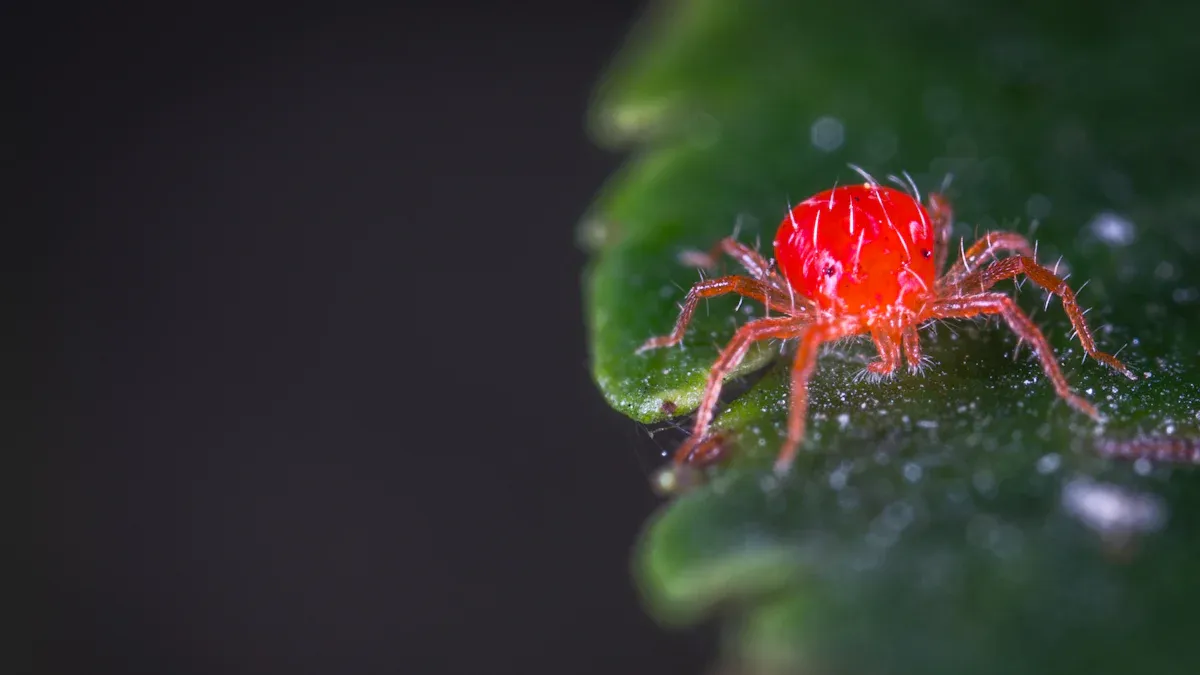
Spider mites can wreak havoc on your chili pepper plants, making it essential to know how to get rid of spider mites effectively. These tiny pests multiply rapidly, with a life cycle of just 5 to 7 days. Under optimal conditions, female spider mites can lay 30 to 50 eggs in their lifetime, leading to a quick surge in their population. If left unchecked, they can cause up to 90% damage to your crops, resulting in significant yield losses. That’s why early detection and proactive measures are crucial to get rid of spider mites. Keeping a close eye on your plants will help you tackle these pests before they take over.
Key Takeaways
Regularly check your chili pepper plants for signs of spider mites, such as webbing and yellow spots. Early detection helps prevent severe damage.
Implement preventive measures like keeping plants well-watered and dust-free. This creates an environment that is less favorable for spider mites.
Use manual removal techniques, such as spraying with water or using insecticidal soap, to effectively eliminate spider mites from your plants.
Attract beneficial insects like ladybugs to your garden. These natural predators help control spider mite populations without harmful chemicals.
Consider natural remedies like neem oil for treating spider mites. It is effective and less toxic, making it a safer option for your plants.
Identify Spider Mites
Symptoms of Infestation
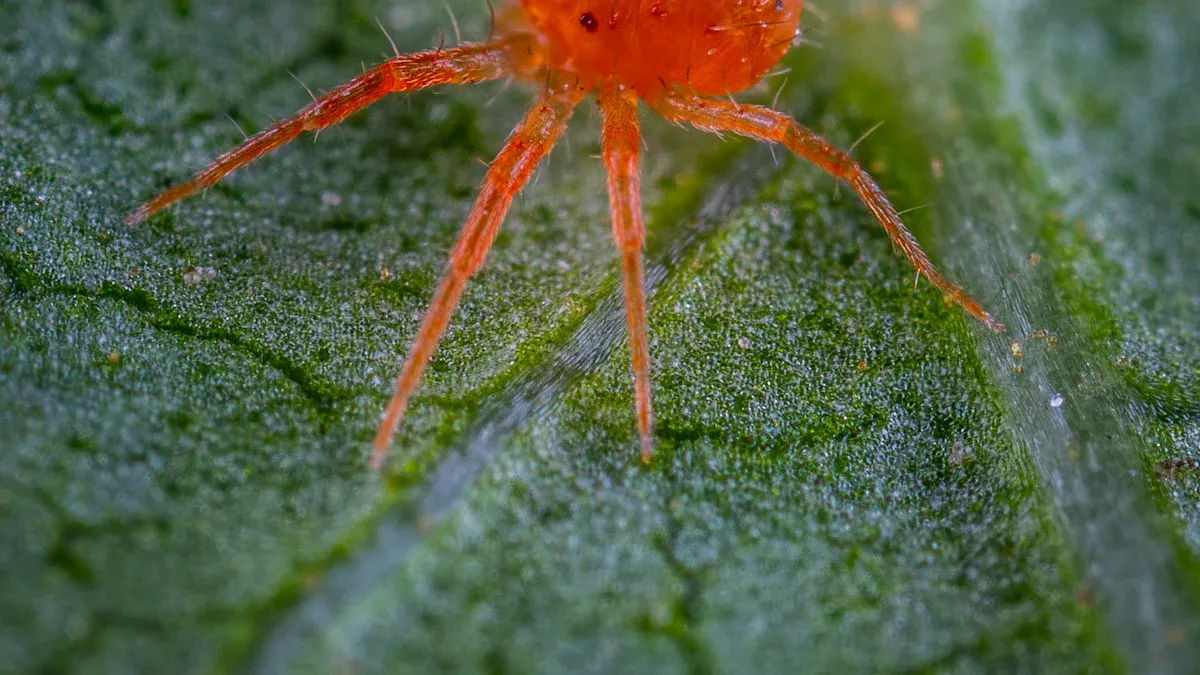
When you suspect a spider mite infestation, look for some early signs. You might notice web threads appearing on the leaves. This is often one of the first indicators that spider mites are at work. As they feed on your chili pepper plants, they create small brown and yellow spots on the leaves. These spots result from the mites puncturing the plant’s sap, which can weaken your plants over time.
Signs to Look For
To effectively identify spider mites, keep an eye out for these visual cues:
Dusty or gritty feeling leaves: If your leaves feel unusually dusty, it could mean dead mites, fecal matter, or shed exoskeletons are present.
Small white or yellow feeding spots: Look for stippled leaves with yellow or white spots. These indicate spider mite damage.
Yellow leaves: If you see leaves turning yellow, this can signal spider mite damage.
Webbing: A significant presence of webbing on your plants indicates a severe infestation. As the infestation worsens, the entire plant may turn brown and even die. You might also notice leaves falling off, which can lead to burns on the fruits.
Spider mites, especially the two-spotted variety, are known for their fine webs and specific leaf damage. This damage often includes yellow stippling and bronzing, which sets them apart from other pests like aphids. Unlike aphids, spider mites produce webs, making their presence easier to identify.
By regularly checking your plants for these signs, you can catch a spider mite infestation early and take action before it spirals out of control.
Prevent Spider Mites
Preventing spider mites is crucial for keeping your chili pepper plants healthy. Here are some effective strategies you can implement:
Cleaning and Maintenance
Regular cleaning and maintenance can significantly reduce spider mite infestations. Here are some practices to consider:
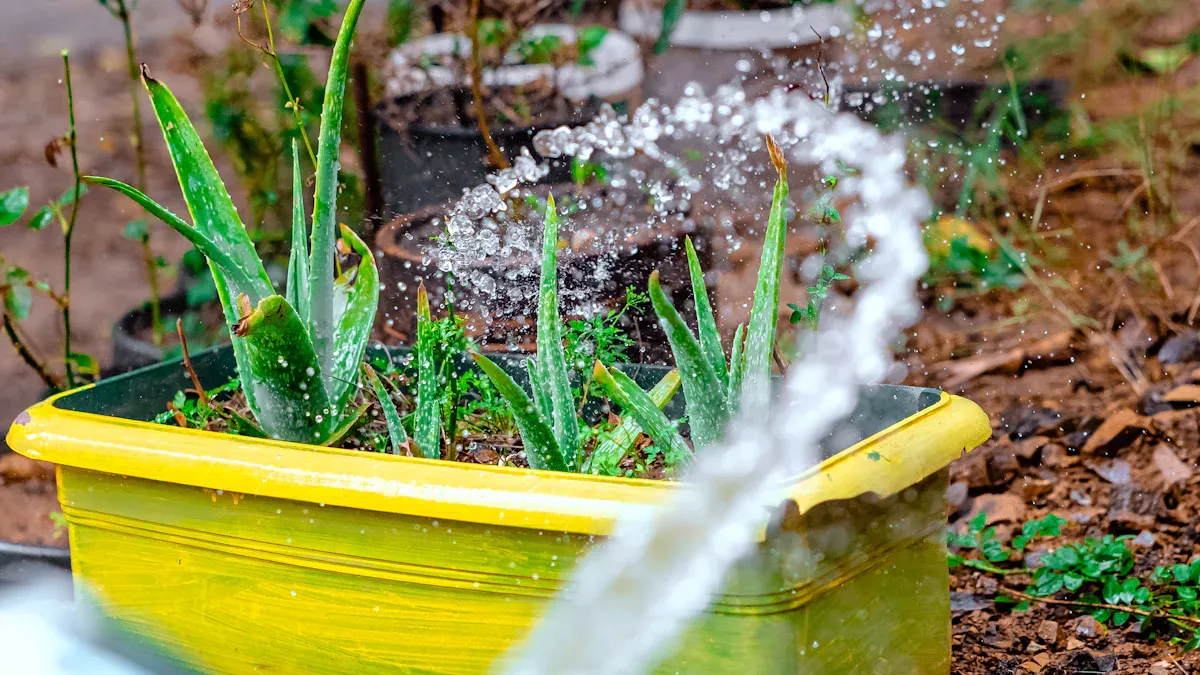
Water and mulch: Keep your flower beds and pots well-watered and mulched. This not only supports your plants but also encourages beneficial insects that help control spider mites.
Dusting: Use a damp cloth to wipe dust off your plants at least once a week. This simple act can help remove any spider mites or their eggs that may be hiding.
Spraying new plants: Lightly spray new plants with water daily. This creates a less favorable environment for spider mites, making it harder for them to settle in.
Attracting Beneficial Insects
Beneficial insects play a vital role in pest control. They can help keep spider mite populations in check. Here’s a table of some effective beneficial insects you can attract to your garden:
Beneficial Insect | Pests Controlled | Recommended Crops |
|---|---|---|
Phytoseiulus persimilis | Two-spotted spider mites, Red spider mites, Carmine spider mites, Strawberry spider mites | Tomatoes, Cucumbers, Strawberries, Roses |
Neoseiulus californicus | Spider mites (Tetranychidae), Two-spotted spider mites, Carmine spider mites, Strawberry spider mites | Strawberries, Peppers, Beans, Citrus fruits, Roses |
Amblyseius andersoni | Two-spotted spider mites | Orchards, Vineyards, Gardens |
By planting flowers and herbs that attract these beneficial insects, you can create a natural balance in your garden. For example, planting marigolds or dill can draw in predatory mites and ladybugs, which are natural predators of spider mites.
Misting and Humidity Control
Maintaining the right humidity levels can deter spider mites. Here are some tips for effective misting:
Frequent misting: In dry environments, mist your plants frequently. This helps create a humid atmosphere that spider mites dislike.
Misting schedule: Misting every other day is effective without causing issues. Misting in the morning allows for evaporation before noon, reducing the risk of fungal problems.
High humidity plants: For plants that thrive in high humidity, like tropical varieties, misting once or twice a day can be beneficial. Just keep an eye out for signs of over-misting, such as mold or fungal growth.
For plants that require high humidity, such as tropical plants like ferns and orchids, misting once or twice a day can be beneficial, especially in dry indoor environments. However, it’s also important to observe your plants for signs of over-misting, such as mold or fungal growth, which can occur if leaves remain wet for extended periods.
By implementing these prevention strategies, you can significantly reduce the chances of spider mites invading your chili pepper plants. Regular monitoring and proactive measures will keep your plants thriving and healthy.
Get Rid of Spider Mites
When it comes to getting rid of spider mites, you have several effective options. Whether you prefer manual techniques, chemical treatments, or natural remedies, each method can help you protect your chili pepper plants from these pesky invaders. Let’s dive into each approach!
Manual Removal Techniques
Manual removal is a straightforward way to tackle spider mites. Here are some techniques you can use:
Technique | Description |
|---|---|
Spraying with water | Use a hose to spray your plants. Adjust the force to dislodge spider mites without harming the plant. This method also increases humidity, which spider mites dislike. |
Insecticidal soap | This quickly kills spider mites. You can use regular dish soap diluted in water for a DIY spider mite spray. |
Pruning | Remove infested leaves and dispose of them properly. Burning or sealing them in a plastic bag helps prevent re-infestation. |
Rubbing alcohol | Wipe the undersides of leaves with a cloth moistened with 70% isopropyl alcohol. You can also dilute it to a 1:3 mixture for a DIY spray. |
To keep spider mite populations under control, you should spray off the mites daily or even multiple times a day. Repeated spraying is necessary to combat these pests effectively. Don’t forget to remove heavily infested leaves to prevent the spread of spider mites.
Chemical Treatments
If manual methods aren’t enough, you might consider chemical treatments. Here’s a table of some approved options for chili pepper plants:
Active Ingredient | Trade Name(s) | Comments |
|---|---|---|
acephate | Orthene, Isotox | Systemic insecticide with some effectiveness against spider mites. |
abamectin | Avid | For commercial use only; primarily effective against two-spotted spider mites. |
bifenthrin | Talstar | Good miticide activity. |
hexythiazox | Hexygon | Selective miticide affecting developing stages and eggs only. |
horticultural oils | Sunspray | Effective miticide for home use at the “summer oil” rate (2 percent). |
insecticidal soap | several | Marginally effective against two-spotted spider mites. |
spiromesifan | Forbid | Selective against mites; conserves natural enemies. |
sulfur | various | Controls various fungal diseases and some mites. |
While chemical treatments can be effective, be cautious. They can diminish the nutritional value of your chili peppers by lowering essential nutrients. Additionally, these chemicals may harm beneficial soil microorganisms, impacting the overall health of your plants.
Natural Remedies
Natural remedies can also be a great way to get rid of spider mites without harsh chemicals. One popular option is neem oil.
Neem oil is a natural pesticide that can treat spider mites effectively. It has properties that kill insects quickly and is low in toxicity. Neem oil works by preventing pests from feeding on the plant and helps eliminate any existing pests.
For optimal results, apply neem oil every 7 days until you see a reduction in spider mite populations. You can also consider using orange oil, which has similar properties.
To enhance your efforts, improve air circulation around your plants. Spider mites thrive in dusty environments, so keeping the air moving can help minimize dust accumulation and improve plant health. This can lead to lower spider mite infestation rates.
By combining these methods, you can effectively get rid of spider mites and protect your chili pepper plants. Regular monitoring and a proactive approach will keep your plants thriving and healthy.
Regularly monitoring your chili pepper plants is key to keeping them healthy. Early detection of spider mites allows you to act quickly, reducing crop damage and enhancing plant health. Proactive pest management not only anticipates issues but also boosts your crop yields. By implementing the strategies discussed, you can create a thriving environment for your plants. Remember, a little effort goes a long way in ensuring your chili peppers flourish! 🌶️
FAQ
What are spider mites?
Spider mites are tiny pests that feed on plant sap. They can cause significant damage to your chili pepper plants by creating webs and leaving yellow or brown spots on the leaves.
How can I tell if my chili pepper plants have spider mites?
Look for webbing on the leaves, yellow or brown spots, and a dusty feel. If you notice these signs, check the undersides of the leaves for tiny, moving dots.
Can I use soap to get rid of spider mites?
Yes! Insecticidal soap can effectively kill spider mites. You can also use diluted dish soap mixed with water as a DIY spray to help control infestations.
How often should I check my plants for spider mites?
You should check your plants at least once a week. Regular monitoring helps you catch infestations early, allowing you to take action before they spread.
Are there any natural predators for spider mites?
Yes! Beneficial insects like ladybugs and predatory mites can help control spider mite populations. Attract these insects by planting flowers and herbs in your garden. 🌼