Mealybugs can be a real headache for coffee plant lovers. These tiny pests cause mechanical damage and spread plant viruses, which hurt your coffee yield and quality. To effectively get rid of mealybugs, early detection is key. The sooner you spot mealybugs, the better chance you have to protect your precious plants.
Key Takeaways
Early detection of mealybugs is crucial. Regularly inspect your coffee plants for signs like yellowing leaves or sticky residue.
Natural remedies, such as essential oils and beneficial insects, can effectively control mealybug populations without harming your plants.
Maintain cleanliness and prune infected branches to prevent mealybug infestations. Proactive measures are your best defense.
Identifying Mealybugs
Physical Traits
To effectively deal with mealybugs, you first need to recognize their physical traits. These pests belong to the family Pseudococcidae and thrive in warm, moist environments. Here’s a quick overview of their characteristics:
Characteristic | Description |
|---|---|
Family | Pseudococcidae |
Habitat | Moist, warm environments |
Dimorphism | Females are wingless and nymph-like; males are smaller and winged |
Feeding | Females feed on plant sap, often in roots or crevices |
Protective Layer | They secrete a powdery wax layer for protection |
Life Cycle | Males undergo a radical change from nymphs to flying adults |
You can spot adult mealybugs by their cottony white nests and waxy secretions. The adults are covered in white fluff, while the younger crawlers are smaller, darker, and lack the white coating. These crawlers are more mobile, making them easier to overlook.
Infestation Signs
Now that you know what mealybugs look like, it’s crucial to identify signs of infestation. Look for yellowing leaves, stunted growth, or sticky residue on your coffee plants. This sticky substance, known as honeydew, is a byproduct of mealybug feeding and can attract other pests like ants.
If you notice any of these symptoms, act quickly. Early detection can save your plants from severe damage. Regularly inspect your coffee plants, especially the undersides of leaves and in crevices, where mealybugs love to hide.
By staying vigilant, you can keep your coffee plants healthy and thriving!
Damage Assessment
Symptoms
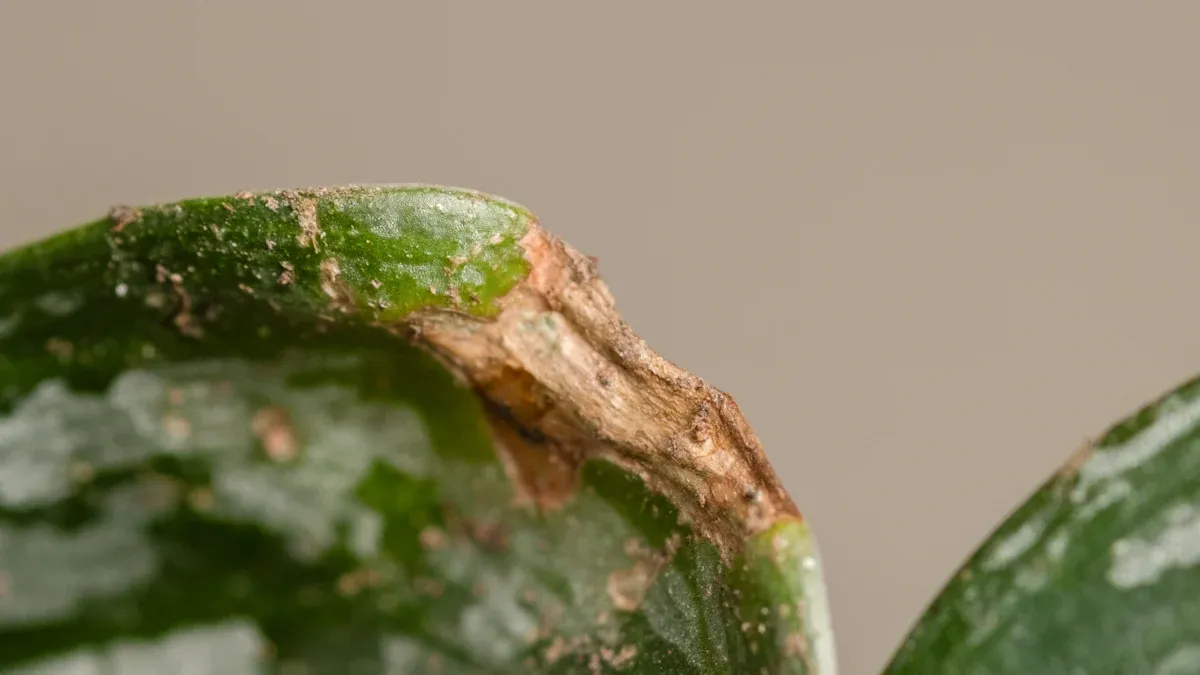
When mealybugs invade your coffee plants, you’ll notice several symptoms that signal trouble. Keep an eye out for:
Cottony masses on leaves and stems
Yellowing leaves
A wilting appearance
These signs indicate that your plants are under stress. The more mealybugs present, the more severe the symptoms become. Higher infestations can lead to significant damage, including wilting and distortion of buds and leaves. You might even see fruit drop, with heavily infested plants potentially losing all their flowers and fruits.
Impact on Health
Mealybug infestations can seriously affect your coffee plants’ health. As these pests feed on the sap, they weaken the plants, making them more susceptible to secondary infections and diseases. The sticky honeydew they secrete attracts ants, which can further harm your plants. This interaction can lead to black mold growth, obstructing photosynthesis and threatening your plants’ survival.
In severe cases, infestations can kill coffee plants outright. You may also notice a decline in the quality of any surviving crops. So, if you spot mealybugs, act quickly to protect your plants!
How to Get Rid of Mealybugs
Natural Remedies
If you want to get rid of mealybugs without resorting to harsh chemicals, several natural remedies can help. One effective option is using essential oils. A meta-analysis of 14 scientific articles found that essential oils have significant insecticidal activity against mealybug species. You can try oils like neem, peppermint, or rosemary. Just mix a few drops with water and spray it directly on the affected areas of your coffee plants.
Another great approach is biological control. Beneficial insects, such as lady beetles and lacewings, can help suppress mealybug populations. These natural predators often keep mealybug numbers below harmful levels. Additionally, controlling ant populations that protect mealybugs can enhance the effectiveness of these natural allies.
Here are some tips for using natural remedies effectively:
Inspect new plants thoroughly for mealybugs before introducing them to your garden.
Regularly check your coffee plants for signs of infestation and remove any mealybugs you find.
Use high-pressure water sprays to dislodge mealybugs from sturdy plants.
Avoid excessive nitrogen fertilizer, as it can promote mealybug reproduction.
Chemical Treatments
Sometimes, you may need a more aggressive approach to get rid of mealybugs. Chemical treatments can be effective, but they come with risks. Here’s a table showing some common chemical treatments and their success rates:
Chemical Treatment | Success Rate (%) |
|---|---|
Dursban 50W | 94 |
Talstar 8.0F | 67 |
Marathon 1G | 17 |
Dursban (with pot removal) | 93 |
Talstar (with pot removal) | 44 |
Marathon (mean number of mealybugs per pot) | Reduced from 70 to 12 |
While these treatments can provide quick results, they may also harm beneficial insects and disrupt your garden’s ecosystem. Always consider the potential side effects, which can include irritation, skin rashes, and even more severe health risks.
Application Techniques
When applying any treatment, whether natural or chemical, you want to maximize effectiveness while minimizing harm. Here are some best practices:
Test any treatment on a small area of the plant first to ensure it does not cause damage.
Cover surfaces where you treat the plant to avoid damaging furniture or flooring.
Wash your hands and tools after working on affected plants to prevent spreading pests to healthy ones.
Spray affected areas cleanly, ensuring coverage without over-saturating the plant, which can lead to alcohol burn.
By following these guidelines, you can effectively manage mealybug infestations and keep your coffee plants healthy. Remember, the fastest way to get rid of mealybugs is to combine both natural and chemical methods when necessary, ensuring you monitor your plants regularly for any signs of re-infestation.
Preventing Mealybug Infestations
Maintenance Tips
To keep mealybugs at bay, regular maintenance is essential. Here are some effective strategies you can implement:
Inspect Regularly: Check your coffee plants often for any signs of mealybugs. Early detection can save you a lot of trouble.
Cleanliness: Keep the area around your plants tidy. Remove fallen leaves and debris that can harbor pests.
Pruning: Trim any infected branches promptly. This helps prevent the spread of mealybugs to healthy parts of the plant.
You can also consider using specific products to enhance your prevention efforts. Here’s a quick look at some effective options:
Product | Dosage | Effectiveness Description |
|---|---|---|
Map Permethrin 50EC | 120ml / 200 liters | Highly effective on mealybugs with multiple mechanisms: contact, poison, deep penetration, steam. |
Map Green 6SL | 100ml / 200 liters | Enhances absorption and spreads evenly on leaves, penetrating the wax layer of mealybugs. |
Map Judo 25WP | 200g / 200 liters | Prevents molting, kills bugs without causing resistance, and promotes egg rotting to prevent new reproduction. |
Environmental Controls
Creating an environment that discourages mealybugs is another key aspect of prevention. Here are some strategies you can adopt:
Biological Control: Introduce natural predators like ladybugs and parasitic wasps. They can help keep mealybug populations in check.
Horticultural Oils: Use organic oils such as neem oil. These oils smother mealybugs effectively and are safe for your plants.
Natural Repellents: Incorporate plants like marigolds or use garlic and chili sprays to deter mealybugs.
By combining these maintenance tips and environmental controls, you can significantly reduce the risk of mealybug infestations. Remember, proactive measures are your best defense!
In summary, keeping your coffee plants healthy means staying alert for mealybugs. You should regularly check for signs of these pests and act quickly if you spot them. Remember, using a mix of methods, like Integrated Pest Management, can help you tackle mealybug infestations effectively. By combining natural remedies and chemical treatments, you can protect your plants and enjoy a thriving coffee garden. So, take proactive steps today to care for your plants!
FAQ
What are mealybugs?
Mealybugs are small, sap-sucking pests that can harm your coffee plants. They appear as cottony white masses on leaves and stems.
How can I prevent mealybugs?
You can prevent mealybugs by regularly inspecting your plants, keeping the area clean, and introducing natural predators like ladybugs.
Are chemical treatments safe for my plants?
Chemical treatments can be effective but may harm beneficial insects. Always follow instructions and test on a small area first.