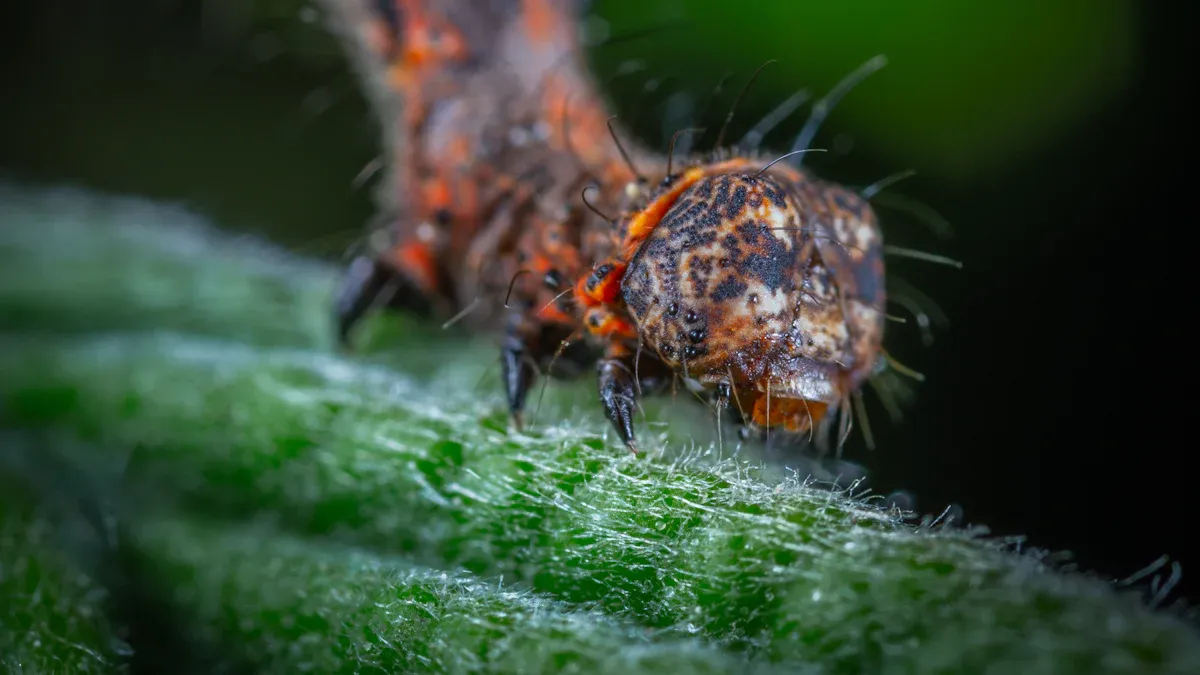
Caterpillar infestations can seriously harm your squash plants. These pests, like pickleworms and armyworms, munch on leaves, flowers, and fruits. This feeding can lead to lower fruit production and even damage the insides of your squash. To keep your plants healthy, it’s crucial to get rid of caterpillars as soon as you spot them.
Key Takeaways
Identify caterpillars early by looking for signs like small holes in leaves and piles of frass. Early detection helps prevent serious damage.
Use manual removal techniques, such as hand-picking caterpillars and scraping off eggs, to control small infestations effectively.
Implement preventative strategies like crop rotation and companion planting to keep caterpillar populations low and protect your squash plants.
Caterpillar Identification
Identifying caterpillars on your squash plants is the first step in managing these pesky pests. You need to know what to look for to catch an infestation early. Here’s how you can spot the signs of damage and recognize the common types of caterpillars that eat squash.
Signs of Damage
When caterpillars invade your squash plants, they leave behind clear signs of their presence. Here are some symptoms to watch for:
Symptoms Description | Source |
|---|---|
Small entrance holes in the fruit indicating pickleworm larvae invasion | Viette’s Views |
Piles of frass on the fruit near the holes | Viette’s Views |
Tunneling larvae pushing out sawdust-like frass from the stem | Squash Vine Borer on Vegetables |
Wilting of the plant due to larval feeding within the stem | Squash Vine Borer on Vegetables |
Gaping holes or missing edges on leaves | Caterpillar Damage on Your Plants |
Sawdust-like frass near the base of the plant | Squash Vine Borer and Squash Bug |
If you notice any of these signs, it’s time to take action. Caterpillar damage often leads to significant destruction if left unchecked. Unlike other pests, caterpillars tend to feed in specific areas, making their damage more noticeable. For example, squash bugs cause wilting and sap extraction, which looks different from the feeding patterns of caterpillars.
Common Types of Caterpillars
Several types of caterpillars can wreak havoc on your squash plants. Here are the most common culprits:
Caterpillar | Color Description | Distinguishing Features |
|---|---|---|
Armyworms | Young larvae are pale green to yellow; older larvae are darker green with lines. | Look for dark and light lines along the side, with a pink or yellow underside. |
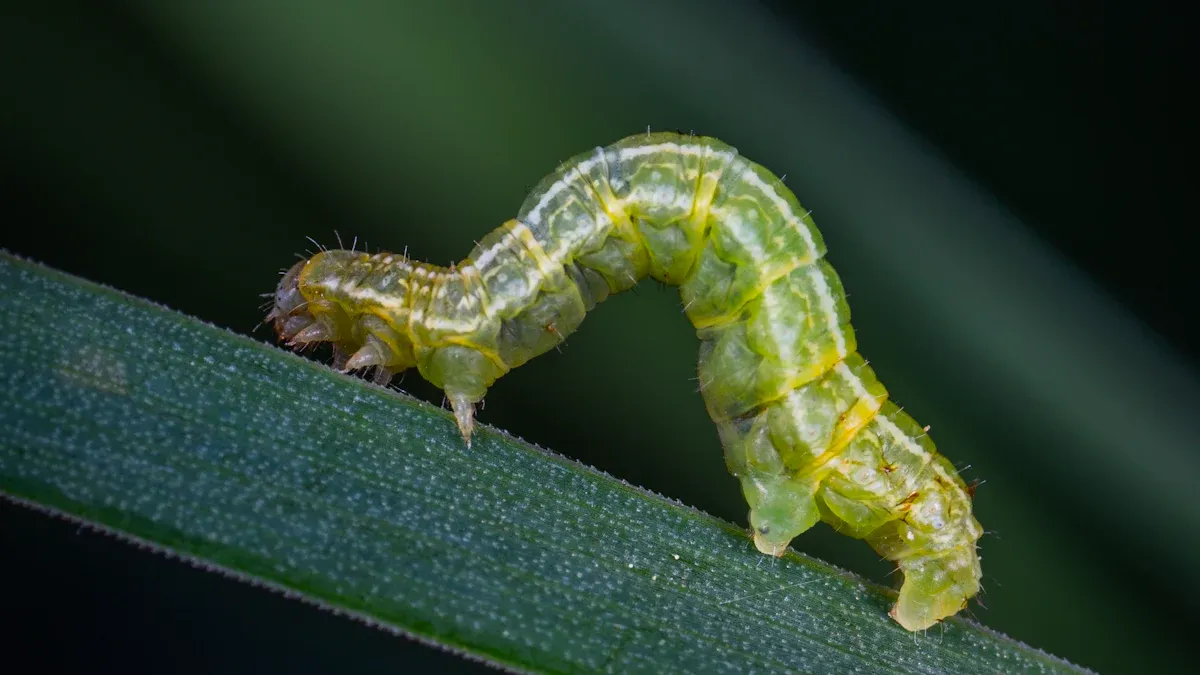
Cabbage looper | Pale green with white lines down the sides. | They arch their body when moving, making them easy to identify. |
Squash Vine Borer | Cream-colored, wrinkled body with a brown head. | Found at the base of the plant, these larvae feed internally and can grow up to one inch in length. |
Understanding these caterpillars’ physical characteristics helps you identify them quickly. If you see any of these pests on your plants, act fast to prevent further damage.
By keeping an eye out for signs of damage and knowing which caterpillars to look for, you can protect your squash plants from these harmful pests. Early detection is key to maintaining a healthy garden!
How to Control Caterpillars
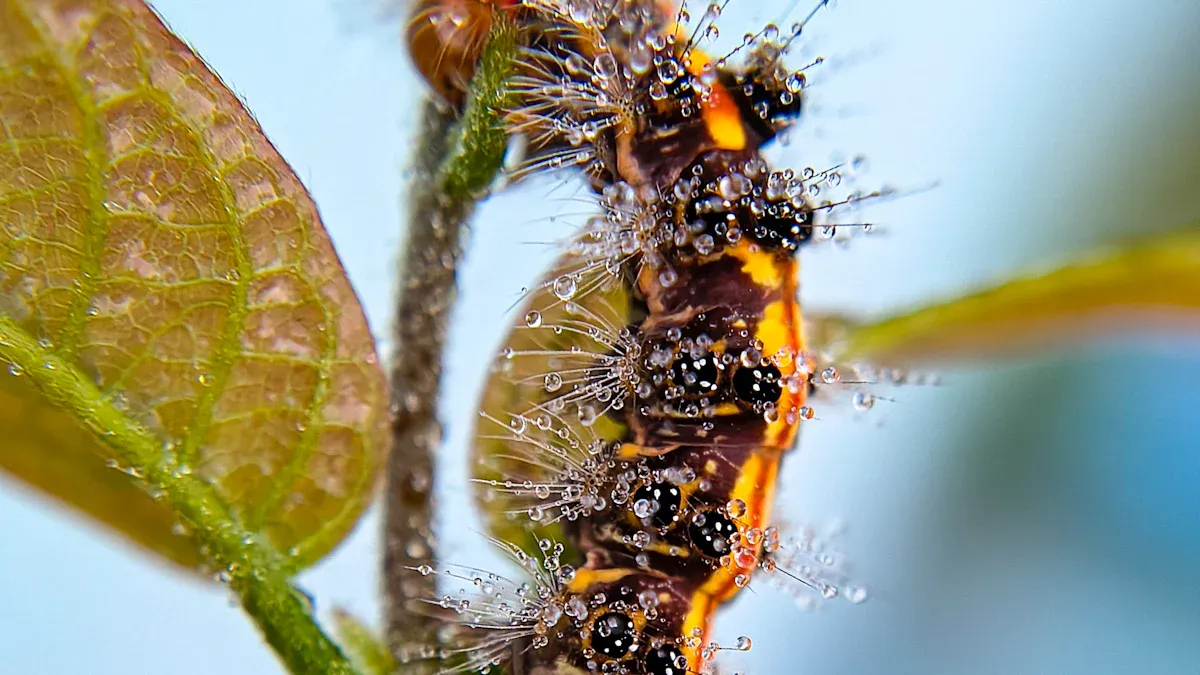
Once you’ve identified caterpillars on your squash plants, it’s time to take action. You have several effective methods to control them, ranging from manual techniques to chemical solutions. Let’s dive into these options!
Manual Removal Techniques
One of the simplest ways to get rid of caterpillars is to hand-pick them off your plants. This method is effective, especially if you have a small garden. Here are some manual removal techniques you can try:
Hand removal of caterpillars: Inspect your plants regularly and remove any visible caterpillars. This method works best when you catch them early.
Scraping off eggs: Use a dull knife to scrape off any eggs you find on the leaves. This prevents new caterpillars from hatching and causing further damage.
Surgical intervention: For squash vine borers, you may need to make small cuts in the stem to remove the larvae. This technique requires caution, but it can save your plant from severe damage.
These manual techniques can be quite successful, especially if you stay vigilant and check your plants frequently.
Using BT Spray
If the infestation is more severe, you might want to consider using BT (Bacillus thuringiensis) spray. This organic pesticide targets caterpillars specifically and is generally safe for beneficial insects. Here’s what you need to know about using BT spray:
Insecticide Type | Control Efficacy Rate (%) |
|---|---|
Spinosad-based | 85% to 99% |
Azera | 84% to 91% |
Neemix and azadirachtin | 47% to 76% |
Bacillus thuringiensis | 67% to 80% |
BT works by producing toxins that affect the caterpillars’ digestive systems, leading to their demise. However, timing is crucial. Apply BT spray in the evening when pollinators are less active to minimize any potential impact on them.
Tip: Always read the label before applying any pesticide. Caution is key, as pesticides should only be used when necessary and as part of an integrated pest management strategy.
While BT is generally safe for non-target organisms, including bees, you should still exercise caution. Some studies have shown effects on bumblebee and honeybee survival when exposed to certain BT products. Therefore, it’s best to apply BT when bees are not active.
Preventative Strategies
Preventing caterpillar infestations is just as important as dealing with them when they appear. By implementing a few simple strategies, you can keep your squash plants healthy and thriving.
Crop Rotation
Crop rotation is a fantastic way to reduce pest populations. By changing the location of your squash plants each season, you disrupt the life cycles of caterpillars and other pests. Here are some tips for effective crop rotation:
Avoid planting squash or other cucurbits in the same spot for consecutive years. This helps prevent pests from building up in the soil.
Incorporate legumes into your rotation. They not only improve soil fertility but also help break pest cycles.
Moving crops around makes it harder for overwintering pests to find their first meal in spring.
By rotating your crops, you maintain soil health and keep pests guessing!
Companion Planting
Companion planting can also help deter caterpillars. Certain plants can protect your squash by attracting beneficial insects or repelling pests. Here are some effective companions:
Nasturtiums: These flowers attract hungry caterpillars away from your squash, protecting your crops.
Marigolds: Known for their pest-repelling properties, marigolds can help keep caterpillars at bay.
Corn and Beans: These plants work together to enhance nutrient availability and provide natural support for climbing plants.
Research shows that companion planting can significantly reduce pest numbers, making it a smart choice for your garden.
Regular monitoring is crucial, too. Keep an eye out for signs of caterpillars, like wilting stems or frass. Early detection can save your plants from severe damage. By combining these preventative strategies, you can enjoy a bountiful squash harvest while keeping pesky caterpillars at bay!
To keep your squash plants healthy, early detection and proactive measures are essential. Regular field scouting helps you spot caterpillars before they cause serious damage. Consider using integrated pest management strategies, like natural predators and biofertilizers, to boost plant health and yield.
Here are some tips to help you manage caterpillar infestations:
Cover plants with floating row covers to prevent pests.
Remove plant debris in the fall to reduce pest populations.
Regularly scout for larvae and remove them promptly.
By taking these steps, you can protect your squash plants and enjoy a bountiful harvest! 🌱
FAQ
How can I tell if my squash plants have caterpillars?
Look for small holes in leaves, frass piles, or wilting stems. These signs indicate caterpillar activity on your squash plants.
What is the best way to remove caterpillars from squash?
Hand-picking is effective for small infestations. You can also use BT spray for larger problems on your squash plants.
Can companion planting help protect my squash from caterpillars?
Yes! Planting nasturtiums or marigolds near your squash can attract beneficial insects and deter caterpillars.