Choosing the correct fertilizer can seem difficult as choices such as Garden-Tone and Tomato-Tone look alike initially. Both are produced by Espoma and have certain common attributes, but they fulfill very distinct roles in the garden. Grasping their nutrient composition, the way they aid plants’ specific requirements, and the appropriate time to use them can create a significant impact on your crop. Let’s investigate seven primary distinctions that emphasize why one could suit your garden more effectively than the alternative.
Nutrient Composition and NPK Ratios
As it comes to choosing the right fertilizer for your garden, being aware of the nutrient composition and NPK ratios can make all the difference. Garden-Tone offers a balanced 3-4-4 ratio, providing ample phosphorus and potassium to support diverse vegetable growth without overwhelming roots.
In contrast, Tomato-Tone adjusts potassium upward to 6, meeting the unique demands of tomatoes for fruit development and disease resistance. Both maintain a modest nitrogen level at 3 percent, encouraging flowering rather than leafy excess. Beyond NPK, their micronutrient profiles and pH adjustment capabilities contribute to ideal nutrient uptake. The inclusion of Bio-tone microbes further improves absorption.
Being aware of these subtle shifts helps gardeners tailor nutrition precisely, ensuring each plant’s needs align with fertilizer strengths before exploring target plants and application areas.
Target Plants and Application Areas
Garden-Tone is made for a wide variety of vegetables and herbs, mixing easily into garden beds to enhance general plant health.
Tomato-Tone targets tomatoes and other fruiting vegetables, focusing on helping blooms and fruit grow strong as applied regularly during the season.
Both require working into the soil, but their schedule and specific plant goals set them apart in the garden.
Suitable Plant Types
Choosing the right fertilizer depends a lot on the types of plants you want to nurture in your garden. Garden-Tone suits a broad range of leafy and root vegetables such as lettuce and carrots, focusing on strong growth and visual appeal improvement through its balanced 3-4-4 nutrient ratio.
This makes it ideal for gardeners aiming for lively, healthy greens without specialized fruiting needs. In contrast, Tomato-Tone targets fruiting vegetables like tomatoes, peppers, and eggplants, applying yield optimization strategies with a 3-4-6 ratio plus calcium to support bloom and fruit development while preventing blossom end rot.
Both fit organic gardens well, but their distinct nutrient profiles make certain Garden-Tone improves total garden produce, whereas Tomato-Tone sharpens focus on high-yield, fruit-bearing crops requiring precise nutritional care.
Soil Incorporation Methods
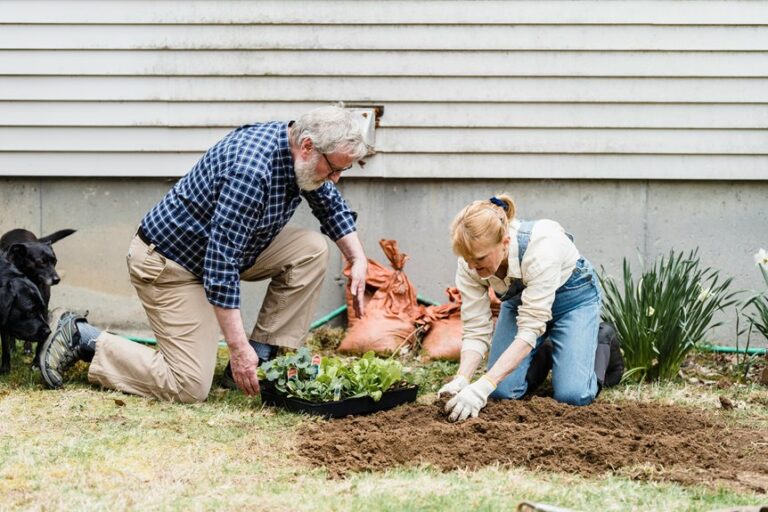
Adding fertilizer to the soil effectively can make a big difference in how well your plants grow and thrive. Garden-Tone is best incorporated using soil mixing techniques that blend 3.5 pounds per 50 square feet into the top 4 inches of garden beds.
This method supports leafy and root vegetables by evenly distributing nutrients and Bio-tone microbes. Using fertilizer application tools like hand trowels or garden forks helps achieve consistent mixing without disturbing soil structure.
In contrast, Tomato-Tone requires careful side-dressing around tomato roots at 3 pounds per 50 square feet. Applying it with precision tools such as narrow trowels avoids root burn while delivering slow-release nutrients. These distinct methods reflect their target plants and guarantee maximum nutrient availability customized to each crop’s needs.
Recommended Application Timing
At what time is the best to apply fertilizers for a thriving garden? Garden-Tone is best used in initial spring or at planting, especially for leafy greens and herbs, to build a solid nutritional foundation.
Tomato-Tone, on the other hand, should be applied every two weeks during the growing season starting at transplanting, focusing on fruiting plants like tomatoes and peppers. Seasonal weather impacts and geographic region variations influence timing, requiring adjustments to match local climate patterns.
Key application tips include:
- Incorporate Garden-Tone into soil before planting or around established plants in raised beds or rows.
- Apply Tomato-Tone near the plant base in gardens or containers to enhance potassium uptake.
- Adjust schedules based on cooler or warmer periods to optimize nutrient availability.
Role of Bio-tone Microbes in Each Fertilizer
Both Garden-Tone and Tomato-Tone include Bio-tone microbes that play an essential role in improving nutrient availability and supporting soil health. These microbes work quietly beneath the surface, helping plants absorb nutrients more efficiently while encouraging a thriving community of beneficial organisms.
Through enhancing microbial activity, each fertilizer gently enhances plant growth in ways that match their specific nutrient formulas and garden needs.
Microbial Enhancement Benefits
How do tiny microbes make such a big difference in your garden? Microbial soil inoculation in both Garden-Tone and Tomato-Tone accelerates nutrient uptake, boosting plant growth and vitality. These Bio-tone microbes break down organic matter, making nutrients easier for plants to absorb.
Tomato-Tone’s microbes specialize in improving calcium availability, which helps prevent blossom end rot in fruiting vegetables. Meanwhile, Garden-Tone’s microbial content conditions soil structure and fertility, supporting a wider range of vegetables. Key microbial improvement benefits include:
- Improved root health through nutrient uptake acceleration
- Enhanced breakdown of organic material for nutrient release
- Targeted calcium support in Tomato-Tone to reduce fruiting disorders
- Increased overall growth rates by up to 20% in organic setups
- Better soil conditioning with Garden-Tone’s microbial blend
Together, these microbes create a sturdy foundation for thriving plants.
Soil Health Support
Grasping the function of Bio-tone microbes in Garden-Tone and Tomato-Tone aids in illuminating their essential function in promoting soil vitality. These microbes improve soil amendment compatibility through encouraging microbial diversity impact, which bolsters strong plant growth.
Garden-Tone’s microbes nurture a wide soil ecosystem suitable for various vegetables, improving root health and soil balance. Tomato-Tone’s microbes focus on phosphorus and potassium, key for tomato fruit and disease resistance. Both fertilizers encourage microbial colonization that decreases synthetic inputs and sustains soil health over time.
| Feature | Garden-Tone | Tomato-Tone |
|---|---|---|
| Microbial Diversity Impact | Wide range improving many plants | Targeted to tomatoes’ needs |
| Soil Amendment Compatibility | Supports various vegetable soils | Optimized for tomato garden soils |
| Nutrient Breakdown Support | General nutrient breakdown | Phosphorus and potassium emphasis |
| Root Development | Promotes vigorous root systems | Supports fruit set and disease defense |
| Long-term Soil Fertility | Reduces synthetic input reliance | Improves sustainable soil function |
Nutrient Availability Improvement
Improving nutrient availability in the soil, Bio-tone microbes play a key role in both Garden-Tone and Tomato-Tone fertilizers. These microbes increase nutrient uptake efficiency through creating a thriving environment for beneficial soil organisms. In Garden-Tone, Bio-tone microbes decompose organic matter, releasing nitrogen and phosphorus steadily. Tomato-Tone’s microbes focus on potassium and phosphorus, essential for fruit growth, and improve calcium availability to prevent blossom end rot. Both fertilizers promote a symbiotic relationship with roots, increasing nutrient absorption by up to 30% under ideal conditions.
- Garden-Tone supports long-term soil health through balanced microbial populations
- Tomato-Tone targets micronutrients, improving soil pH and reducing deficiencies
- Bio tone microbes in both fertilizers optimize nutrient uptake efficiency, benefiting overall plant vigor
Release Rate and Longevity of Nutrients
Frequently, gardeners find that the release rate and longevity of nutrients play a critical role in plant health and productivity. Garden-Tone offers a balanced, slow-release nutrient profile with a 3-4-4 NPK ratio, supporting steady nutrient absorption rates over several months.
This consistent nutrient availability proves compatible with a wide variety of vegetables, promoting continuous growth without frequent reapplication. Conversely, Tomato-Tone, with a 3-4-6 NPK ratio, highlights potassium to extend nutrient longevity specifically for fruit-bearing plants like tomatoes.
Its slow-release formula sustains key blooming and fruiting phases up to eight weeks, reducing nutrient leaching. Both fertilizers contain Bio-tone microbes, which improve soil structure and microbial activity, enhancing fertilizer compatibility and further prolonging nutrient effectiveness. This microbial cooperation helps maintain ideal nutrient supply, allowing gardeners to tailor feeding schedules based on crop type and growth stages more efficiently.
Impact on Plant Growth and Development
Understanding how nutrients affect plant growth helps clarify why Garden-Tone and Tomato-Tone perform differently in the garden. Garden-Tone’s 3-4-4 NPK ratio promotes balanced vegetative growth, supporting steady development without excessive foliage. Meanwhile, Tomato-Tone’s 3-4-6 formula targets growth stage specificity, emphasizing bloom and fruit development through higher potassium levels.
Both fertilizers include Bio-tone microbes to enhance root health and nutrient uptake, but Tomato-Tone’s customized nutrients optimize yield optimization strategies for tomatoes. Key impacts include:
- Garden-Tone encourages uniform growth across diverse vegetables, enhancing total plant health.
- Tomato-Tone improves resistance to diseases like blossom end rot, ensuring strong fruit set.
- Phosphorus and potassium in Tomato-Tone accelerate tomato maturation, aligning with critical reproductive phases.
This detailed nutrient balance guides gardeners toward more precise, crop-specific growth management.
Usage Instructions and Dosage Recommendations
Proper usage and dosage of fertilizers like Garden-Tone and Tomato-Tone play a vital role in achieving healthy plants and bountiful harvests. Garden-Tone should be applied at 3.5 pounds per 50 square feet, thoroughly mixed into the soil to nourish vegetables steadily without harming roots.
Tomato-Tone requires slightly less, 3 pounds per 50 square feet, applied twice monthly to boost fruit development. These organic slow-release formulas work best at the time integrated into soil, promoting long term soil fertility effects through feeding plants gradually and reducing nutrient runoff.
At the time comparing environmental impact, their careful application helps minimize pollution and supports sustainable gardening. Grasping these dosage nuances guarantees plants thrive while preserving soil health, making the difference between a flourishing garden and wasted effort. Proper adherence to instructions promotes a balanced ecosystem where plants and soil coexist harmoniously.
Suitability for Preventing Common Plant Disorders
Offering specialized nutrient support, Garden-Tone and Tomato-Tone each play distinct roles in preventing common plant disorders. Garden-Tone’s balanced 3-4-4 NPK ratio supports vegetable health, indirectly guarding against issues like blossom end rot through maintaining nutrient balance. Tomato-Tone, however, targets tomato-specific problems with a 3-4-6 ratio, supplying extra potassium and calcium sources that directly assist calcium deficiency prevention and fruit cracking reduction.
- Garden-Tone prevents nutrient imbalances causing yellow leaves or stunted growth.
- Tomato-Tone improves disease resistance and water regulation for tomatoes.
- Tomato-Tone’s calcium increase reduces physiological disorders during fruit development.
When soil tests show calcium or phosphorus gaps, Tomato-Tone becomes the preferred choice for specialized care. This promotes healthier plants and better yields.