

Every gardener knows that sinking feeling at the moment pests tear through tender plants overnight, so choosing the right garden netting can feel urgent and personal. With options like ultra fine mesh to block tiny insects, tall deer fencing for hungry wildlife, and sturdy bird netting for fruit and seedlings, the right choice can calm a lot of worry. Each type solves a different problem, and once you see how they compare, protecting your space starts to feel a lot more manageable.
Garden Netting Ultra Fine 8x10Ft Plant Cover

Should you be tired of watching birds, bugs, and small animals ruin your hard work in the garden, the Garden Netting Ultra Fine 8x10Ft Plant Cover is made for you. You spread it over vegetables, fruit, flowers, or even young trees, and suddenly your raised beds feel safe. It works like a gentle shield, not a harsh barrier.
The ultra fine 0.8 to 1 mm mesh blocks birds, squirrels, rabbits, and chickens, yet it still lets in air, rain, and sunlight. You don’t remove it to water. You simply water through it. You can cut it to fit hoops, frames, greenhouses, or even ponds and patios.
Best For: Home gardeners and small-scale growers who want a reusable, ultra-fine barrier to protect raised beds, vegetables, fruit, flowers, and young trees from birds and small animals without blocking air, light, or water.
Pros:
- Ultra fine 0.8–1 mm mesh keeps out birds and small animals while still allowing air, moisture, and sunlight to reach plants.
- Durable, UV-resistant PE material can be cut to size without fraying, fitting hoops, frames, greenhouses, ponds, and patios.
- Allows direct watering and liquid feeding through the netting, reducing the need to remove and replace covers during the growing season.
Cons:
- Fixed 8×10 ft size may require multiple pieces or trimming for larger or irregularly shaped garden areas.
- Ultra fine mesh may slightly diffuse heavy rainfall or overhead irrigation, which could marginally reduce water intensity reaching plants.
- Does not explicitly claim protection from very small insects or pests that can pass through 0.8–1 mm openings.
Deer Fence Netting 7×100 ft Garden Protection
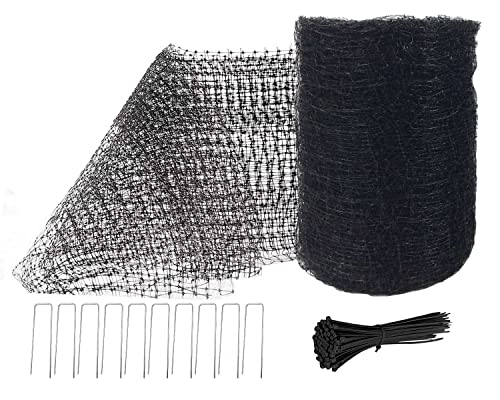
Should you be tired of waking up to trampled beds and half-eaten tomatoes, the Feitore Deer Fence Netting in the 7 x 100 ft size gives you a simple way to protect your garden without turning it into a fortress. You get a tall, wide barrier that helps keep deer, dogs, rabbits, and chickens away from tomatoes, berries, figs, and young trees.
Because it’s tough polypropylene, it won’t rust or rot, yet it stays light and easy to handle. You can cut it to wrap single shrubs, fence a whole row, or cover ponds. With nails, cable ties, and 3/4 inch mesh, you install it once, then finally relax.
Best For: Home gardeners who need an easy, affordable way to protect vegetables, fruits, and young trees from deer and other animals without installing a permanent fence.
Pros:
- Lightweight yet strong polypropylene netting that resists tearing, rust, and rot and can be reused season after season
- Large 7 x 100 ft size with customizable cutting lets you protect everything from single shrubs to full garden rows or ponds
- 3/4 inch mesh protects crops from deer, birds, rabbits, and chickens while still allowing light, air, and water through
Cons:
- Requires separate stakes or posts for full-height fencing, which are not included
- May not withstand very heavy animal pressure or sharp antlers as well as rigid metal fencing
- Large sheet can be awkward to handle in windy conditions and may require two people for easier installation
Bird Netting for Chicken Coops and Gardens

Should you be trying to keep your chickens safe while also protecting your garden harvest, bird netting for chicken coops and plants can feel like a lifesaver. You stretch this 50×50 foot poultry netting over your run, and suddenly hawks and owls can’t swoop in. Your flock stays in, neighbors’ yards stay calm, and you get real peace of mind.
Because the 2.4 inch mesh is tough yet light, you can pull it over blueberry bushes, fruit trees, and vegetable beds. It works in orchards, vineyards, and yards. You can even secure balconies for indoor cats using the UV-proof, cut-to-fit nylon, stakes, nails, and zip ties.
Best For: Backyard chicken keepers, gardeners, and balcony pet owners who need a lightweight yet durable net to protect poultry, crops, and indoor cats from birds, predators, and falls.
Pros:
- Large 50×50 ft coverage with 2.4″ mesh works for chicken runs, gardens, orchards, and vineyards.
- UV-proof nylon multifilament is lightweight, heavy-duty, and resistant to tangling, tearing, and fading.
- Comes with stakes, U-shaped ground nails, and zip ties, and can be cut to size for flexible installation.
Cons:
- 2.4″ mesh may not stop very small birds or critters from squeezing through.
- Requires time and effort to install securely over large or irregular areas.
- Nylon netting can still snag on sharp edges or branches if not handled carefully.
KLEWEE 7.5×100 FT Heavy Garden Bird Netting

Protecting a busy garden from hungry birds and sneaky critters feels a lot easier during the moment you have a strong, simple barrier on your side, and that’s exactly where the KLEWEE 7.5×100 FT Heavy Garden Bird Netting shines. You get a wide, 7.5 by 100 foot sheet, so you can cover long rows of veggies, berry patches, or young trees without piecing tiny scraps together.
The 3/4 inch square mesh blocks birds, rabbits, and squirrels, yet it still lets sunlight, rain, and airflow reach your plants. You can cut it to size, drape it over bushes, or stretch it over hoops without fraying.
Best For: Home gardeners who need an easy, reusable way to protect fruit trees, berry bushes, and vegetable beds from birds and small animals without using chemicals.
Pros:
- Large 7.5 x 100 ft size covers long rows or multiple beds without stitching smaller pieces together
- 3/4″ square mesh keeps out birds, rabbits, and squirrels while allowing sunlight, rain, and airflow
- UV-resistant, weatherproof material that can be cut to size without fraying for flexible installation
Cons:
- Requires separate supports (stakes/hoops) for best results, which are not included
- Mesh size may not stop very small insects or tiny critters
- Large sheet can be a bit cumbersome for one person to install neatly over taller trees
Ruolan Bird Netting for Garden Plants and Trees
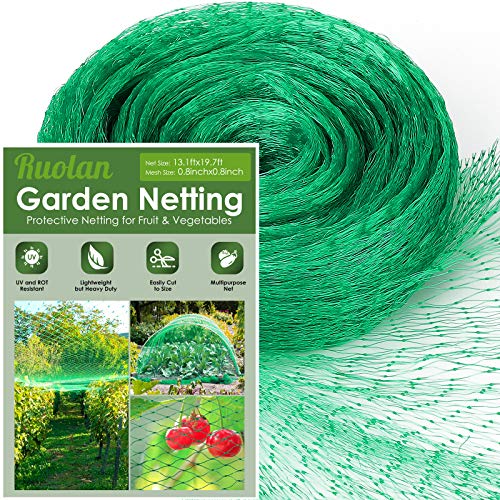
Should you be tired of watching birds and squirrels steal the berries you’ve worked so hard to grow, Ruolan Bird Netting for Garden Plants and Trees can feel like a real relief. You get a 13 alongside 20 foot sheet with 0.8 inch mesh, so light still reaches your blueberries, strawberries, and young trees while pests stay out.
Because it’s made from sturdy polypropylene, it won’t rot, rust, or tear easily. You can cut it to fit odd shapes, then attach it to stakes or posts. It doesn’t tangle, so you can fold it up, reuse it, and protect your harvest again next season.
Best For: Home gardeners who want an easy, reusable way to protect berries, fruit trees, and other plants from birds and small animals without blocking sunlight.
Pros:
- Generous 13 ft x 20 ft size with 0.8″ mesh keeps birds and many pests out while letting sun and rain through
- Durable polypropylene is UV- and rot-resistant, won’t rust or tear easily, and can be reused season after season
- DIY-friendly: can be cut to fit odd-shaped beds or trees and is easy to install on stakes or posts without tangling
Cons:
- 0.8″ mesh may not stop very small insects or tiny critters
- Requires separate stakes, posts, or support structure for installation
- Large sheet size may be cumbersome for very small gardens or single plants without trimming and adjustment
Jevrench Ultra Fine Garden Netting Plant Cover

Should you be tired of watching your carefully tended plants get chewed up overnight, Jevrench’s Ultra Fine Garden Netting Plant Cover gives you a simple way to protect them without shutting out the sun. This 4 x 25 foot netting wraps gently around beds, rows, or small trees, so you don’t feel like your garden lives in a cage.
The ultra fine 0.8 x 1 millimeter mesh blocks tiny pests while still letting sunlight, air, and rain reach your plants. You can even water right through it. The thick PE material lasts several seasons, cuts easily to size, and Jevrench’s support team helps when problems pop up.
Best For: Gardeners who want an easy, long-lasting way to protect vegetables, fruits, and flowers from small pests while still allowing sunlight, air, and rain to reach their plants.
Pros:
- Ultra fine 0.8 x 1 mm mesh blocks tiny pests yet lets in sun, air, and rain, so plants keep growing naturally.
- Thick, transparent PE material is about twice as durable as standard netting and can last 3–5 years with proper care.
- Flexible 4 ft x 25 ft sheet cuts easily to custom sizes for beds, rows, trees, pastures, orchards, or garden plots.
Cons:
- Only 4 ft wide, which may be too narrow to cover larger beds or tall plants without additional pieces.
- Requires careful securing and occasional adjustment to prevent gaps where pests can slip in.
- PE mesh, while durable, is still plastic and may not appeal to those seeking fully biodegradable materials.
Garden Mesh Netting for Plants and Insects
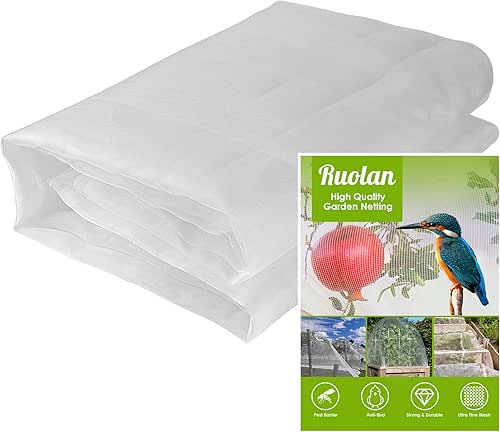
Should you want gentle, everyday protection for your plants without turning your garden into a fortress, garden mesh netting for plants and insects is often the best fit. This 10 x 33 foot sheet gives you enough coverage for raised beds, berry rows, or a mixed veggie patch. You simply spread it over plants, then secure the edges with stones, pins, or posts.
Because it’s made from sturdy polyethylene, it resists tears yet stays light and easy to fold. The ultra fine mesh keeps out birds, bugs, and small animals while still letting in air, sunlight, and water, so your plants keep growing strong.
Best For: Gardeners who want lightweight, everyday protection for raised beds, berry rows, or mixed veggie patches without blocking sun, air, or water.
Pros:
- Large 10 x 33 ft size covers multiple beds, berry rows, or a full veggie patch.
- Ultra-fine polyethylene mesh blocks birds, insects, and small animals while allowing air, light, and water through.
- Easy to use, cut, and secure with stones, pins, or posts; folds compactly for storage.
Cons:
- May not withstand very heavy animal pressure compared to rigid fencing.
- Requires careful securing in windy areas to prevent lifting or gaps.
- Does not provide frost or heavy weather protection like solid row covers.
Factors to Consider When Choosing Garden Netting
Whenever someone chooses garden netting, a few key details quietly decide whether it truly works or just causes stress. Mesh size and type, material strength, UV and weather resistance, and how easy the netting is to install all shape how well it protects the space. At the same time, it must match the plants and the specific pests in the garden, so the netting shields what matters without holding healthy growth back.
Mesh Size and Type
Mesh size in garden netting often feels confusing at the outset, yet it quietly decides which pests stay out and how well plants can breathe and grow. Whenever someone chooses a very fine mesh, around 0.8 to 1 millimeter, it can block tiny insects, birds, and even small animals like squirrels and rabbits. This brings a feeling of relief, especially after losing crops to nibblers.
Larger mesh, such as 3/4 inch, works better whenever the main threat is bigger animals like deer. It keeps them out while still letting smaller wildlife move safely. At the same time, the opening size affects how much sunlight, rain, and air reach the plants. Many gardeners also appreciate mesh types that cut cleanly without fraying, fitting odd-shaped beds.
Netting Material Durability
Even before someone considers color or price, the true strength of garden netting begins with the material it is made from. Here, small choices quietly decide how well plants stay protected season after season.
Polyethylene and polypropylene are common because they balance strength with light weight, so they do not crush delicate stems. Nylon often feels softer yet can stretch, which helps it handle small pulls without snapping. Heavy-duty versions of these materials use thicker strands that resist tearing from wind, rain, or curious animals.
Non-toxic materials matter whenever fruit brushes against the net. Rust-free components, like plastic-coated edges, prevent staining and breakage. With gentle cleaning, careful folding, and dry storage, many of these nets reliably last three to five years.
UV and Weather Resistance
Although it is easy to focus on size and price initially, UV and weather resistance quietly decide how long garden netting will truly protect a plant. Whenever netting sits in full sun every day, weak material starts to fade, crack, and break apart. UV resistant fibers slow this damage, so the mesh keeps its shape and strength season after season.
Weather resistance supports this by standing up to rain, wind, and sudden temperature changes. Strong, treated materials are less likely to rot, rust, or tear as storms pass through. This means plants stay covered whenever they need it most. High quality, anti-UV netting usually looks better for longer, keeps its color, and offers steady protection through several growing cycles.
Ease of Installation
Whenever someone is tired, busy, or just not very handy, the way garden netting installs can quietly decide whether it gets used at all. So ease of installation really matters. People often feel more confident whenever the netting comes with simple accessories like nails, hooks, or cable ties, because these make fastening quick and stable.
Lightweight material also helps. It is easier to lift, spread, and adjust over beds or frames, so one person can usually handle the job without strain. Whenever the mesh cuts cleanly to size without fraying, it lets gardeners fit odd shapes and different heights without stress.
Clear instructions and a design that allows watering or feeding right through the netting save time and prevent constant removal.
Plant and Pest Compatibility
How can a simple choice like mesh size make such a big difference in the garden? Mesh size controls which pests stay out and which can still sneak in. Very fine mesh, around 0.8 to 1 millimeter, helps keep out birds and small animals that love berries and tender greens. Larger holes, like 3/4 inch, could let some insects through, but they also allow better airflow, moisture, and sunlight, which helps plants stay strong.
Different plants call for different protection. Blueberries and strawberries usually need finer netting to stop hungry birds. Bigger crops might pair better with stronger netting that stands up to deer or rabbits. Durable, UV resistant polypropylene handles sun, rain, and wind, and cut to fit panels let gardeners match coverage to each plant’s shape.
Size and Coverage Needs
A good starting point for choosing garden netting is to contemplate the space it needs to cover, not just the pests it needs to block. Before buying anything, a gardener measures length, width, and height of beds, rows, or trellises. This helps them determine whether an 8×10 foot sheet is enough or whether a long roll, like 7×100 feet, fits better.
Once the basic size is clear, they ponder about shape. Some netting can be trimmed to wrap around raised beds, hoops, or odd corners, so it hugs plants without gaps. At the same time, mesh size matters. Tiny holes around 0.8 to 1 millimeter help against small insects, while larger 3/4 inch mesh suits birds, rabbits, or deer and can stretch over mixed crops.
Reusability and Storage
Size and shape are only part of the story; long-term use and easy storage matter just as much during the moment someone is choosing garden netting. Whenever a gardener wants netting that truly lasts, durable materials like polyethylene or polypropylene make a big difference. These plastics stand up to repeated seasons, so small tears and sagging are less likely.
Reusability also depends on smart design. Netting that resists tangling saves time and frustration as it is rolled up and brought out again. In the event it is easy to cut, the same piece can fit raised beds one year and fruit trees the next. Lightweight, foldable netting tucks neatly onto a shelf, while UV and rot resistance help it survive sun, rain, and storage.