

Fungi play a vital role in breaking down organic matter, especially in harsh environments. These remarkable organisms possess unique capabilities that allow them to thrive where other decomposers struggle. In extreme conditions, fungi facilitate decomposition through specialized processes. They help recycle nutrients and maintain ecological balance, making them essential players in sustaining life. Their resilience not only supports ecosystems but also contributes to soil health and fertility.
Key Takeaways
Fungi are essential for breaking down organic matter in harsh environments, recycling nutrients, and maintaining ecological balance.
In drylands and tundras, fungi adapt their enzymatic processes to overcome challenges like low moisture and cold temperatures, ensuring decomposition continues.
Mycelium, the network of fungal filaments, enhances soil health by decomposing organic material and improving soil structure, which benefits plant growth.
Fungi contribute significantly to nutrient cycling by releasing essential nutrients back into the soil, supporting plant health and ecosystem stability.
Understanding the role of fungi in decomposition helps us appreciate their importance in combating climate change and sustaining healthy ecosystems.
Fungi in Harsh Environments
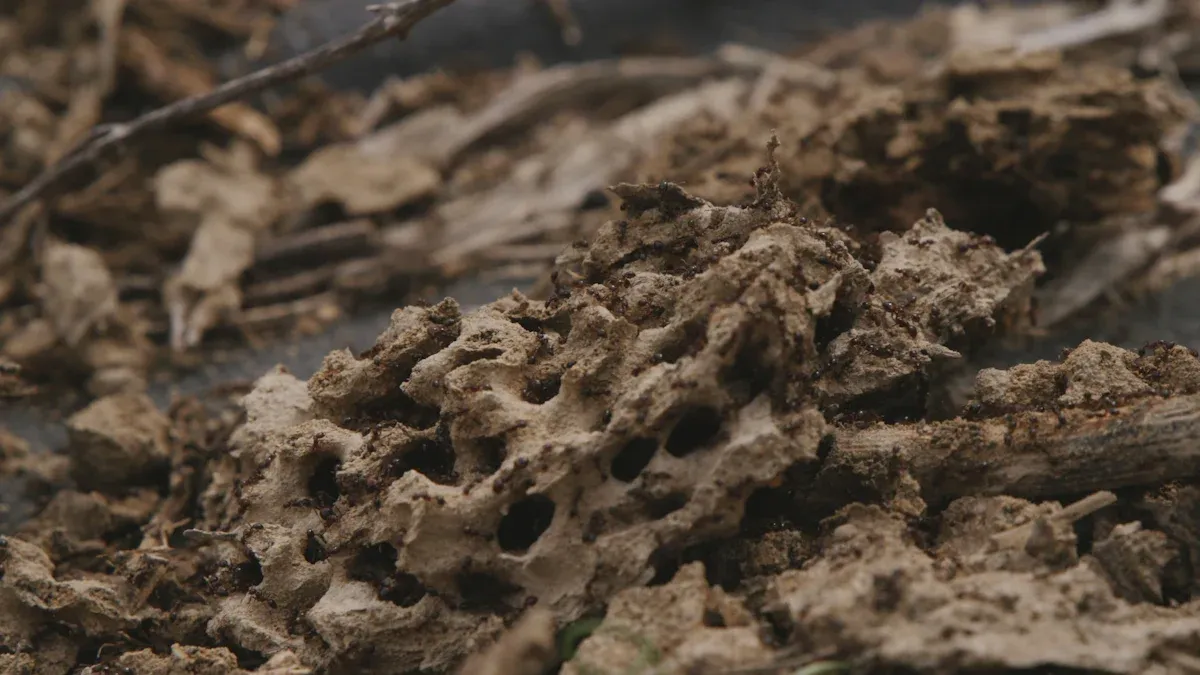
Fungi thrive in various harsh environments, each presenting unique challenges for decomposition. You can find fungi in drylands, tundras, and other extreme habitats.
Types of Harsh Environments
Drylands: These areas experience low rainfall and high evaporation rates. Vegetation is sparse, leading to limited organic matter.
Tundras: Characterized by cold temperatures and a short growing season, tundras have a layer of permafrost that restricts root growth and limits decomposition.
Challenges for Decomposition
Decomposition in harsh environments faces several obstacles. In drylands, low organic matter results from minimal vegetation growth. This leads to slow decomposition rates. However, after rainfall, you may notice a rapid increase in decomposition activity.
In tundras, cold temperatures significantly slow down the breakdown of organic materials. The short growing season limits the addition of new organic matter. As a result, you often find high levels of undecomposed material.
Here’s a quick overview of microclimatic factors that influence decomposition in these environments:
Microclimatic Factor | Influence on Decomposition |
|---|---|
Freeze-thaw cycles | Principal factor for lignin degradation |
Moisture | Significant influence on litter decomposition rates |
Snowpack gradient | Affects temperature and moisture heterogeneity during decomposition |
Understanding these challenges helps you appreciate how fungi facilitate decomposition despite the odds. They adapt to these environments, breaking down organic matter and recycling nutrients. This process is crucial for maintaining ecological balance and supporting life in these extreme conditions.
How Fungi Facilitate Decomposition
Fungi play a crucial role in breaking down organic materials through specialized enzymatic processes. These enzymes allow fungi to decompose complex substances, making nutrients available for other organisms.
Enzymatic Processes
Fungi secrete various enzymes that target specific components of organic matter. Here are some key enzymes involved in decomposition:
Lignin-degrading enzymes:
GLOX
Glucose-methanol-choline oxidoreductases
Manganese peroxidase (MnP)
Lignin peroxidase (LiP)
Fungal species such as Ag. bisporus, P. chrysosporium, and Trametes versicolor are known for their ability to produce these enzymes. They excel at breaking down lignin, a tough component found in plant cell walls.
Cellulose-degrading enzymes:
Endoglucanases
Cellobiohydrolases
B-glucosidases
Xylanases
Fungi like Trichoderma reesei and Aspergillus niger are effective at decomposing cellulose, another major component of plant material.
In harsh environments, fungi adapt their enzymatic activities based on temperature and moisture levels. Research shows that as global temperatures rise, fungal biodiversity may influence how effectively they break down organic matter. Under moderate conditions, enzyme activity remains stable. However, in extreme temperatures, variations in enzyme production become more pronounced. This adaptability highlights how fungi facilitate decomposition even when conditions are less than ideal.
Role of Mycelium
Mycelium, the network of fungal filaments, plays a vital role in decomposition. It connects with soil particles and organic matter, enhancing nutrient cycling. Here are some key functions of mycelium:
Mycelium decomposes organic material, releasing nutrients back into the soil.
It helps form soil structure, improving stability and aeration.
Mycelium networks allow fungi to access nutrients over a larger area, which is crucial in nutrient-poor environments.
In compacted or frozen soils, mycelium enhances the breakdown of organic matter. It influences soil structure by stabilizing particles and promoting microbial activity. This process generates substances that improve soil health and fertility.
Fungi facilitate decomposition through their enzymatic processes and mycelial networks. They break down complex organic materials, recycle nutrients, and support ecosystem health. Understanding these processes helps you appreciate the essential role fungi play in maintaining ecological balance, especially in harsh environments.
Adaptations of Fungi

Fungi have developed remarkable adaptations that allow them to thrive in extreme environments. These adaptations help them withstand harsh conditions, such as drought and freezing temperatures.
Drought Resistance
In dry environments, fungi face significant challenges. They have evolved several strategies to resist drought:
Fungi possess thick cell walls that enhance their ability to withstand dry conditions.
They produce osmolytes, which help mitigate drought stress.
Genetic adaptations allow fungi to create enzymes that target carbon and nitrogen compounds. This process is crucial for maintaining biogeochemical cycling during drought.
These adaptations enable fungi to continue their vital role in breaking down organic matter, even when water is scarce.
Cold Tolerance
Fungi also exhibit impressive cold tolerance. They can maintain metabolic activity at subzero temperatures through various physiological mechanisms:
Fungi synthesize antifreeze proteins (AFP) that bind to ice crystals. This action inhibits their growth and recrystallization.
They produce cold-adapted enzymes that ensure metabolic processes continue efficiently, even in the cold.
Fungi generate compatible solutes like glycerol and ethanol. These act as cryoprotectants, helping to mitigate osmotic stress and protect cells from freeze-dehydration.
These adaptations allow fungi to facilitate decomposition in cold environments, ensuring that nutrient cycling continues despite the challenges posed by low temperatures.
Fungi’s ability to adapt to extreme conditions highlights their importance in ecosystems. They play a crucial role in nutrient cycling and soil health, even in the harshest environments.
Ecological Impact of Fungi
Fungi play a crucial role in maintaining healthy ecosystems. They significantly contribute to nutrient cycling and soil formation, which are essential for plant growth and overall ecosystem health.
Nutrient Cycling
Fungi facilitate decomposition by breaking down organic matter. This process releases essential nutrients back into the soil for plants to use. Here are some key ways fungi contribute to nutrient cycling:
Fungi decompose organic matter, releasing nutrients like nitrogen and phosphorus.
They utilize external digestion by secreting enzymes that break down complex organic materials into simpler compounds.
Mycorrhizal fungi enhance nutrient uptake, especially phosphorus, and provide nitrogen to host plants through saprotrophic digestion of soil nutrients.
Fungal mycelia act as sinks for organic carbon and nitrogen, preventing nutrient loss from leaching.
These processes ensure that nutrients remain available in nutrient-poor soils, especially in harsh environments. Fungi also help plants resist drought stress and protect them against pathogens. Their interactions with plants and other soil microorganisms significantly impact plant and soil ecosystems, contributing to the stability and balance of these systems.
Soil Formation
Fungi also play a vital role in soil formation and stabilization. They help create soil aggregates, which are clusters of soil particles that improve soil structure. Here’s how fungi contribute to soil formation:
Evidence | Description |
|---|---|
Fungal Contribution | Fungi play a crucial role in the formation and stabilization of soil aggregates, but extreme conditions can limit their growth and activity. |
Environmental Impact | Extreme conditions such as low/high pH, metal toxicity, and drought can preclude fungal activity, affecting soil aggregation. |
Soil Composition | The role of fungi in soil aggregation varies with other soil components and processes, indicating that their influence is context-dependent. |
Fungi act as gluing agents that bring together different soil components, enhancing soil structure. The continuous process of soil aggregation involves the simultaneous formation, stabilization, and breakdown of aggregates, with fungi playing a significant role. Their ability to improve soil structure leads to better water retention and aeration, which are crucial for plant health.
Fungi play a vital role in facilitating decomposition in harsh environments. They break down organic matter, recycle nutrients, and support biodiversity. Their unique adaptations allow them to thrive in extreme conditions, ensuring that ecosystems remain balanced.
Recent studies highlight that fungi significantly influence decomposition rates and contribute to the global carbon cycle. For example, different fungal species exhibit varying abilities to decompose materials, affecting decay rates across communities. This diversity is crucial for maintaining ecosystem functions, especially under stress conditions.
As climate change alters moisture and temperature levels, fungi’s roles may shift, impacting their effectiveness in decomposition. Understanding these dynamics reinforces the interconnectedness of life and the environment, emphasizing the importance of fungi in sustaining healthy ecosystems.
FAQ
What are fungi?
Fungi are organisms that include molds, yeasts, and mushrooms. They play a crucial role in breaking down organic matter and recycling nutrients in ecosystems.
How do fungi survive in harsh environments?
Fungi adapt to extreme conditions through specialized structures and processes. They develop thick cell walls for drought resistance and produce antifreeze proteins for cold tolerance.
Why are fungi important for soil health?
Fungi improve soil structure and nutrient availability. They decompose organic matter, releasing essential nutrients that plants need for growth.
Can fungi help with climate change?
Yes! Fungi contribute to carbon cycling by decomposing organic materials. Their activities can influence carbon storage in soils, which may help mitigate climate change effects.
How do fungi interact with plants?
Fungi form symbiotic relationships with plants through mycorrhizal associations. They enhance nutrient uptake for plants while receiving carbohydrates in return, benefiting both organisms.