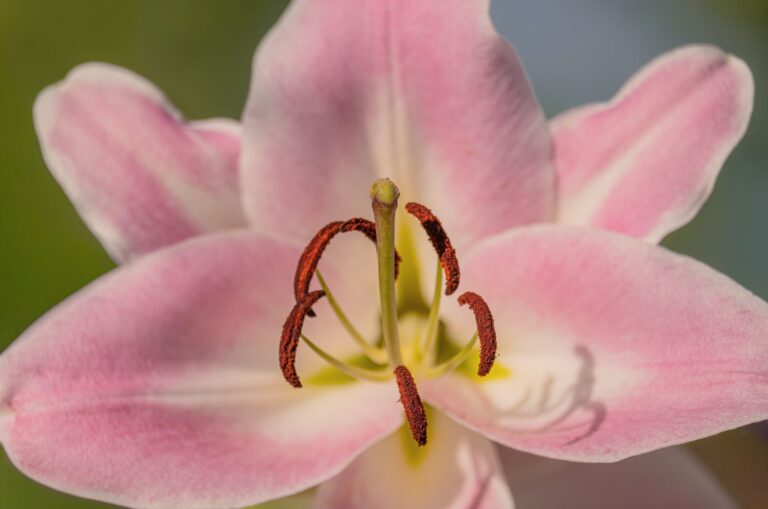

If someone looks for flowers that start with D, they are often hoping to find something fresh and a little different for their garden or home. This list of 15 blooms opens the door to many moods and styles, from gentle daisies and fragrant dianthus to dramatic dahlias and devil’s trumpet. As each flower appears, it quietly proves how one simple letter can shape an entire garden story waiting to unfold.
Daisy
Sometimes, a person looks at a daisy and feels a quick sense of calm, almost like taking a deep breath after a long day. That soft white ring of petals around a sunny center often reminds someone that life can still feel simple and gentle.
Daisy symbolism usually centers on purity, hope, and quiet resilience. A single bloom can suggest honest feelings, while a cluster hints at loyal friendship.
In gardens, daisy companion planting offers both beauty and function. Daisies attract pollinators, confuse some pests, and help highlight nearby flowers with their clean shapes. Whenever paired with herbs or low borders, they create a peaceful rhythm in a bed, so a gardener can feel both grounded and quietly proud whilst tending them.
Dahlia
Dahlia brings a burst of color and texture, and it quickly becomes a favorite whenever someone desires variety in both shades and shapes.
From there, it feels natural to look at how different forms and colors grow best whenever given simple, steady care in the garden.
Once those dahlias are healthy and full, it becomes easy to choose the best varieties for cutting so vases at home can look just as bright as the flower bed.
Dahlia Colors and Forms
Rich color and petal-sculpture make the dahlia feel almost magical to anyone who loves flowers. Whenever someone studies dahlias closely, they see how the color palettes range from soft pastels to sharp, vivid tones. Many blossoms blend several shades, so each flower can look hand painted.
To truly understand these blooms, a gardener pays attention to form classification. This system groups dahlias by petal shape and structure. There are simple single forms, neat ball types, and bold decorative blooms with layered petals. Cactus and semi cactus forms have petals that twist or roll, adding drama. Because color and form work together, people can plan gardens with smooth shifts, pairing soft shapes with calm colors or sharp forms with intense shades.
Growing Healthy Dahlias
In case someone falls in love with all those colors and shapes, the next step is learning how to keep dahlias strong and happy in the garden. It begins with soil nutrition, because healthy roots create powerful plants. Rich, loose soil with compost lets roots breathe and drink deeply, so growth stays steady instead of weak and spindly.
Then watering habits, staking, and sunlight all connect to that strong root system. Deep, regular watering builds resilience during hot spells. Sturdy stakes protect tall stems from wind and heavy blooms. Good airflow and clean tools lower disease pressure.
As autumn nears, late season pruning helps the plant shift energy back into its tubers. This quiet rooting time prepares dahlias to return even stronger next year.
Best Dahlias for Cutting
Gathering dahlias for a vase can feel like bringing a tiny celebration indoors, so choosing the right varieties makes a big difference. For cutting, growers often favor strong stems, deep color, and long dahlia vase life. Varieties like ‘Cafe au Lait’, ‘Cornel’, and ‘Thomas Edison’ are loved because they hold form and color for many days.
| Variety type | Why it works in a vase |
|---|---|
| Ball / Pompon | Tight petals, long lasting |
| Decorative | Large blooms, bold color |
| Waterlily | Soft shape, romantic look |
Cutting stage timing matters just as much as variety. Stems should be firm, with centers nearly open but not blown. At dawn harvested in the morning, conditioned in warm water, and kept away from heat, these blooms stay fresh and lively.
Delphinium
Now the focus shifts to delphiniums, tall spires of color that can make any garden feel a little more magical.
In this section, the reader will see how different shades and varieties create very different moods, and how these flowers can fit into both small beds and larger borders.
It will also gently guide the reader through simple growing and care tips so that these striking blooms stay healthy, strong, and full of color.
Delphinium Colors and Varieties
In any sunny garden bed, delphiniums can feel like a set of painted towers rising above the rest of the flowers. A gardener quickly notices rich color variations, from deep indigo and cobalt to soft sky blue, lavender, pink, and pure white. Some blossoms even show bicolored eyes that add sharp contrast.
To choose well, careful cultivar selection really matters. Classic tall varieties like Pacific Giants and New Millennium series create dramatic vertical lines, while dwarf forms stay compact for smaller spaces or windy spots. As flower spikes care becomes more advanced, people often pair tall types at the back of borders with shorter ones in front, so the colors layer smoothly and every spike has room to shine.
Growing and Care Tips
Under a bright sky or even on a cloudy morning, delphinium care starts with giving these tall, graceful flowers what they need at the roots and all the way up each spike.
To begin, the soil must drain well, yet still hold steady moisture. Gardeners usually add soil amendments like compost and aged manure, then water deeply so roots grow strong.
Because delphiniums love food, a balanced fertilizer in spring and again after the initial bloom keeps spikes thick and full. Sturdy stakes protect stems from wind.
Then companion planting steps in. Low, bushy plants such as hardy geraniums or nepeta help shade roots, hide bare bases, and invite pollinators. With this teamwork, the whole bed feels fuller, calmer, and easier to care for.
Dianthus
Petals of Dianthus seem to whisper at the edges, with tiny fringes that look like they were trimmed by hand. This flower draws people in with both color and scent, so it rewards anyone who looks closely and patiently.
Through careful cultivar breeding, gardeners shape petal edges, growth habits, and rich fragrance profiles that range from spicy clove to soft sweetness.
Dianthus helps a garden feel more personal, almost like a shared secret. Someone who studies it notices how each variety behaves a little differently, yet still feels part of one family.
- Track how each cultivar responds to soil and light.
- Compare bloom time across varieties.
- Smell flowers at different times of day to map subtle shifts in fragrance.
Daffodil
Few flowers feel as familiar and comforting as the daffodil, with its bright trumpet center and surrounding star of petals that almost seem to smile. It shows up just whenever winter feels too long, so many gardeners see it as a promise that life is starting over.
As one of the classic spring bulbs, the daffodil rewards anyone who plans ahead. A person tucks the bulbs into cool soil in fall, then simply waits while roots grow quietly. In spring, sturdy stems rise through cold ground and bloom before many plants even wake up.
In garden symbolism, daffodils often stand for hope, renewal, and quiet courage. They remind people that even a bleak season can end in light and color.
Dogwood
Dogwood blossoms often carry deep meaning for people, symbolizing hope, rebirth, and quiet strength after hard seasons.
As someone learns what these flowers represent, it naturally leads to questions about how to grow and care for a dogwood tree at home. From choosing the right spot in the yard to giving it gentle, steady care, each step helps the tree reflect the same beauty and comfort it stands for.
Dogwood Symbolism and Meaning
Across many gardens and stories, the dogwood tree quietly carries deep meaning that touches the heart. People look at its four-petaled blooms and often see an image of sacrifice, quiet strength, and gentle renewal.
Across dogwood seasons, from bare winter branches to spring flowers, the tree mirrors the rise and fall of human emotions.
- Many view dogwood healing as emotional, offering comfort during grief or personal change.
- The strong yet graceful branches can symbolize resilience, especially after hardship.
- The soft, layered petals often represent kindness that protects a sensitive core.
Over time, the dogwood has become a quiet companion for those who want symbols of courage, forgiveness, and starting again, even after difficult chapters.
Growing and Care Tips
In many backyards and quiet corners of parks, caring for a dogwood begins with comprehension what helps it feel safe and steady. It starts with soil pH, which usually needs to stay slightly acidic so roots can pull in nutrients without stress. Whenever gardeners match this with rich, well drained soil, the tree responds with steady growth.
Seasonal watering then supports that foundation. Deep, slow watering in dry spring or summer spells keeps roots cool, while lighter watering works in rainy periods. Companion planting with shade loving perennials, like hostas or ferns, protects shallow roots and keeps moisture even. With this calm setting in place, pest management becomes gentler, using pruning, clean fallen leaves, and close observation instead of harsh chemicals.
Daylily
Glowing in garden beds like drops of sunshine, the daylily offers a calm, steady beauty that can comfort almost anyone who stops to look.
Each bloom lasts a single day, yet fresh flowers keep appearing, so the plant feels generous and reliable.
Gardeners who enjoy control and creativity often fall in love with daylily breeding.
They study flower form, color patterns, and bloom time, then cross plants to build stronger clumps and richer shades.
To understand this plant more deeply, it helps to notice:
- How clumps expand and fill space over a few seasons
- Which colors hold best in strong sun
- How quickly blooms recover after storms
Careful observation also reveals daylily pests promptly, allowing gentle, timely intervention.
Dusty Miller
Soft color in a garden does not always come from flowers, and Dusty Miller proves this with its gentle, silvery leaves that look like they were brushed with moonlight. Its lacy foliage quietly brightens beds, borders, and containers, especially in morning and evening light.
For gardeners who enjoy learning process, dusty miller propagation feels satisfying and simple. Stem cuttings root quickly in loose, well drained soil, so it is easy to multiply favorite plants for larger drifts or edging. As these new plants grow, they invite careful planning with dusty miller companion planting. The cool silver tones make nearby reds deeper, pastels softer, and blues calmer.
This creates a steady, balanced look that helps the whole garden feel intentional and peaceful.
Dutch Iris
Tall color wands rise from Dutch iris clumps, bringing a clean, refined look that feels almost like a painting come to life.
This flower offers cool blues, purples, and whites, with bright yellow signals that seem to glow in spring light.
It suits gardeners who want control, beauty, and reliability in a small space.
Dutch iris grows from bulbs, so bulb propagation feels very simple and repeatable.
You plant, then wait, and the rhythm becomes comforting.
It also fits container cultivation, so you can place pots near a doorway or balcony and enjoy close-up detail.
- Choose firm bulbs and plant in fall.
- Use fast draining soil to protect roots.
- Water deeply, then let soil partly dry.
Drumstick Allium
A cluster of Drumstick Allium blooms can look like tiny fireworks frozen in midair, and that small bit of magic often surprises people.
Each tight burgundy or purple globe sits on a thin stem, so the flowers seem to float above the garden.
This plant offers strong pollinator appeal, since bees and butterflies easily reach the many tiny florets.
Gardeners often tuck it between perennials, because the slender foliage stays modest while the blooms add height and texture.
Drumstick Allium also belongs to the onion family, so its bulbs carry light culinary uses, similar to chives, though people usually grow it for beauty.
With careful grouping and repeated clumps, it can tie a mixed border together and gently guide the eye.
Desert Rose
Bright petals and twisting stems often make the Desert Rose feel like a tiny sculpture that somehow came to life on a windowsill.
This desert rose is a succulent hybrid loved for its swollen trunk, glossy leaves, and bold, funnel shaped blooms. With the right approach, it rewards careful hands with long, impressive bloom timing.
For growers who want expertise, a few focused cultivation tips really matter:
- Use a gritty, fast draining mix so roots stay airy, not soggy.
- Give strong light, since bright sun shapes a thick trunk and many buds.
- Water deeply, then let the soil dry, especially in cooler seasons.
- Protect from cold drafts that can halt flowering.
- Prune lightly to encourage branching and more blooms.
Dragon Tree Dracaena
Growing quietly in many homes and offices, the Dragon Tree Dracaena brings a calm, modern look that feels almost like a small indoor forest. Its tall canes and narrow striped leaves draw the eye upward, so even a small room feels taller and more open. People often place it in corners where other plants struggle.
With the right indoor maintenance, this plant stays forgiving and steady. It prefers bright, indirect light, light watering, and a pot with good drainage. Should someone forget a watering, it usually bounces back.
Many people also value its help with air purification, since its leaves can absorb certain indoor pollutants. Because of this, it suits bedrooms, workspaces, and inhabited rooms where fresh feeling air matters most.
Dame’s Rocket
Dame’s Rocket brings soft clusters of purple, pink, or white blooms that stand out in any garden and catch the eye right away.
In this section, the focus moves to how its colors change through the blooming season, where it grows best, and what kind of spots in the yard help it thrive.
The discussion also looks at simple, caring garden tips so a home gardener can keep Dame’s Rocket healthy, controlled, and beautiful year after year.
Distinctive Appearance and Colors
Soft clusters of color rise above the green leaves, giving Dame’s rocket a look that feels both gentle and wild at the same time. The four-petaled blooms form loose, open heads that move softly in a breeze, so the plant always seems slightly in motion.
Its color palettes range from deep violet to pale lavender and clear white, often blending together in one stand so the eye reads a smooth gradient. Whenever someone looks closely, the petal textures appear satin-like, with a faint sheen that catches side light. This delicate surface helps each flower look fresh and luminous.
- Notice how the flower center forms a small, neat cross
- Compare darker buds with lighter open blooms
- Observe how mixed shades create depth
Blooming Season and Habitat
Often, the initial sign of Dame’s rocket returning each year is a quiet flush of green leaves in initial spring, long before the flowers open. From there, the plant quickly shifts into buds, then into full bloom from late spring into early summer, filling gaps in the seasonal succession of woodland and meadow flowers.
In the wild, it usually settles along streams, forest edges, and old fields, where soil moisture stays steady but not waterlogged. These areas offer dappled light and cool roots, matching its careful microhabitat preferences. As it blooms, the fragrant clusters draw native pollinators, especially evening moths and early bees. In many regions, you can see it forming soft drifts, linking wetter low spots to slightly drier slopes.
Gardening Tips and Care
In a home garden, caring for Dame’s rocket can feel surprisingly simple, as long as there is a little planning and steady attention. This flower grows fast, so steady care keeps it graceful instead of wild. It prefers rich, moist soil, so gardeners often add gentle soil amendments like compost before planting.
To keep plants healthy and controlled, many experienced gardeners focus on a few key habits:
- Use companion planting with taller perennials to give light shade and support.
- Deadhead spent blooms often to reduce self seeding and keep beds tidy.
- Water deeply but not daily so roots grow strong and resist stress.
With these steps, Dame’s rocket stays beautiful, balanced, and easy to manage.
Dutchman’s Breeches
Dutchman’s breeches creates a little storybook moment in the garden, where the flowers really do look like tiny white pants hanging on a clothesline. This woodland perennial feels delicate, yet it quietly returns each spring, then slips away again.
Its ephemeral foliage rises promptly, soaks up cool light, then fades as trees leaf out, which helps it avoid summer heat and drought.
Because the plant appears so briefly, timing really matters. Gardeners who understand its rhythm can place it near later emerging companions that fill the gap after the leaves disappear.
The unusual flower shape also leads to fascinating pollinator interactions. Bumblebees often command the bloom’s tight openings, nudging inside to reach nectar while brushing against pollen and carrying it to the next flower.
Devil’s Trumpet (Datura)
Where Dutchman’s breeches feels shy and fleeting, devil’s trumpet steps into the garden like a mysterious guest that refuses to be ignored.
This night-blooming Datura opens large, flared blossoms that glow in low light, drawing the eye and quieting the space around it.
Gardeners quickly learn to respect it.
Every part of the plant holds poisonous alkaloids, so careful handling and clear placement matter.
Yet, people still feel drawn to its haunting beauty and rich cultural folklore.
- Notice its strong scent that grows sweeter at dusk.
- Give it warm soil and steady sun for best flowering.
- Keep it away from pets and children at all times.