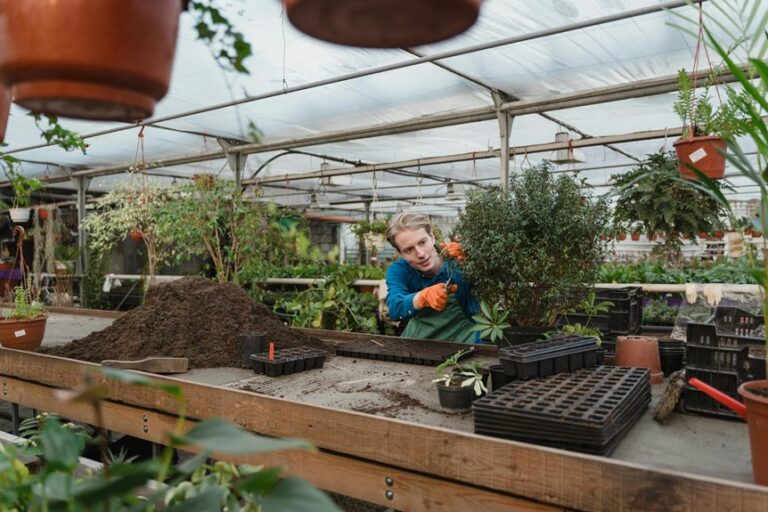
Flowering cilantro can feel disappointing, but gardeners can act quickly and kindly to save the leaves. Start through pinching or snipping tiny pale buds to stop seed formation and send energy back to the foliage.
Harvest outer leaves often and thin crowded stems to improve airflow and slow bolting. Shade plants during hot afternoons and mulch the soil to keep roots cool and moist. Water on a steady schedule without waterlogging, and plant staggered batches or choose slow bolting varieties to keep fresh cilantro longer.
Pinch or Snip Flower Buds Immediately
Often gardeners quickly check cilantro for tiny pale buds and act at once to nip them off. The gardener knows timing matters. Pinching promptly removes the flower’s energy sink and keeps leaf flavor bright. One hand steadies the stem while the other pinches just below the bud cluster. For thicker stems use small snips to limit tissue damage. Gentle technique preserves nearby growing points.
Respectful garden manners mirror flower viewing etiquette because careful removal avoids harming neighbors plants and pollinators. Saved buds can inform culinary bloom recipes ideas, though gardeners usually compost them. Reassuring guidance helps novice and skilled growers alike.
Practice builds confidence. Repeat inspections every few days during warm spells and adjust technique as plants mature to maintain control.
Harvest Leaves Regularly to Encourage Regrowth
After nipping off any initial buds, the next habit to adopt is regular leaf harvests to keep cilantro producing tender foliage. A steady harvest signals the plant to focus on leaf growth rather than bolting. The gardener removes outer leaves first and leaves the central crown intact.
This preserves vigor and supports regrowth. Combine this practice with companion planting benefits such as shade from taller crops and improved soil life to reduce stress that triggers flowering.
Myth versus fact should guide choices: it is a myth that heavy harvesting kills cilantro; the fact is that smart, frequent cuts prolong productivity. The tone stays calm and practical. The gardener learns timing, harvest angle, and restraint to sustain flavorful leaves through the season.
Plant Successive Batches for Continuous Supply
Staggered sowing gives gardeners a steady stream of tender cilantro instead of a single rush that quickly bolts. In planting new seeds every two to three weeks and timing harvests to take the outer leaves initially, one crop matures while the next gains strength. This simple rotation keeps fresh greens on hand and lowers the stress that makes cilantro flower too soon.
Staggered Sowing Schedule
A simple schedule can keep fresh cilantro on the kitchen windowsill for months, not just weeks. The gardener plans staggered sowing in two week intervals, aligning with cool season companion planting and using frost protection techniques as needed.
Each batch is started with intention, in deeper pots for longer growth or shallower trays for quick leafing. Rotate locations so seedlings access consistent light and air. Water lightly and feed modestly to avoid leggy growth.
Whenever one batch slows, the next is ready to fill the gap. This rhythm reduces waste and eases stress. The gardener learns timing from trial and record keeping. Small jottings on dates, germination, and harvest windows sharpen skill and build confidence for continuous, reliable cilantro.
Succession Harvest Timing
Three overlapping sowings keep cilantro steady on the windowsill and in the garden so fresh leaves are always within reach. Successive batches are timed so harvests never force premature bolting.
Start new seed trays every two to three weeks, then space transplants to extend leaf production. Harvest outer leaves often and leave inner growth to mature, which delays flowering and sustains supply.
Use companion planting pairings like basil and dill to optimize microclimate and pest balance, which helps plants stay vigorous between harvests. In cooler seasons apply simple frost protection methods such as row covers or cloches to protect younger cohorts and maintain steady yields. Thoughtful timing and gentle care create a reliable rhythm that keeps cilantro productive and prevents panic during one row finishes.
Provide Afternoon Shade or Filtered Sun
Late afternoon sun can push cilantro from lush leafy growth into premature flowering, so giving plants some relief during the hottest hours helps keep them tender and productive. The gardener will appreciate afternoon shade benefits because cooler leaf temperatures slow stress signals that trigger bolting. Filtered sunlight effects provide enough light for photosynthesis while reducing heat and UV stress. Practical options follow.
- Use shade cloth 30 to 50 percent to reduce midday heat and keep leaves pliant.
- Position taller companion plants to cast gentle afternoon shade and lower canopy temperatures.
- Move containers into dappled light or under a porch overhang to maintain steady light without harsh rays.
These approaches work together to preserve harvestable foliage and delay flowering while respecting plant physiology.
Keep Soil Cool and Mulched
Keeping the soil cool and mulched helps cilantro stay leafy and delay flowering, so gardeners can enjoy more harvests and less disappointment. A skilled gardener understands that cool soil mulching lowers surface temperature, shields roots from heat stress, and creates a stable microclimate that favors vegetative growth.
Apply a thin layer of organic mulch such as straw, shredded leaves, or composted bark to avoid excessively insulating the crown. Mulch moisture retention supports steady soil humidity without forcing saturation.
Work mulch gently around plants, keeping it a finger’s width from stems to reduce rot risk. Monitor mulch depth and replace decomposed material to maintain insulating value. These steps pair naturally with shade strategies and set the stage for consistent watering practices discussed next.
Water Consistently Without Waterlogging
Mulching cools the soil and now attention turns to watering in a way that supports leaf growth without sending the plant into shock.
Watering consistently keeps cilantro focused on leaves rather than flowers.
The gardener balances frequency with volume, watching soil moisture rather than schedules.
Both hydroponic watering systems and drip irrigation techniques can deliver steady moisture with minimal fluctuation.
Practical steps follow.
- Check soil with a finger to 1 inch and water during mildly dry to the touch.
- Use drip irrigation techniques or timed hydroponic watering systems to provide light regular feeds and avoid saturation.
- Improve drainage, use porous mixes, and lift containers whenever bottoms sit in water.
These approaches reduce stress, keep roots healthy, and gently encourage leaf production while preventing waterlogging and sudden drying.
Choose Slow-Bolting or Leafier Cilantro Varieties
Choosing bolt-resistant varieties gives gardeners a better chance of keeping cilantro leafy and flavorful for longer. Gardeners can favor leafier types and slow-bolting cultivars because these plants resist premature flowering and produce more usable leaves. Through picking the right variety, a gardener often reduces stress and gets steady harvests with less fuss.
Choose Bolt-Resistant Varieties
A gardener who wants cilantro to stay leafy longer can get a big advantage starting with a slow-bolting or leafier variety.
Choosing bolt-resistant cultivars pays off quickly for anyone who values steady harvests and reliable flavor.
Practical steps tie into other practices like companion planting with other herbs and growing cilantro from seeds to select resilient lines.
- Start with named bolt-resistant varieties and record maturity days.
- Source seeds from reputable suppliers and grow cilantro from seeds to compare performance.
- Pair selections with companion planting with other herbs that provide shade or wind shelter.
Those choices reduce stress on plants, let the gardener focus on timing and microclimate, and create a calmer path to longer leaf production.
Prefer Leafier Cilantro Types
Leafier cilantro types offer a straightforward way to keep a kitchen garden productive and comforting for longer, and gardeners often feel relief during times plants prioritize leaves over premature flowers.
Selecting leafier lines supports steady harvests and reduces stress about bolting. Gardeners compare open-pollinated heirlooms with modern variety hybridization lines to balance flavor, vigor, and leaf mass.
Combining leafier cilantro with companion planting choices that provide shade and stable soil moisture further delays reproductive shifts.
Cultivators favor plants with dense leaf habits and flexible stems because they rebound after cutting. Care routines then focus on gentle pruning, regular watering, and nutrient balance to reinforce leafy growth.
This approach invites confidence and simple routines that keep cilantro functioning as a reliable kitchen staple.
Look for Slow-Bolting Cultivars
1 simple change can make a big difference in how long cilantro stays leafy and useful: pick slow-bolting cultivars. Gardeners who want mastery look for varieties bred for slow bolting genetics and resilience to environmental triggers. Choosing the right seed reduces stress and buys more harvests.
- Select named slow-bolting cultivars such as Leisure, Calypso, or Santo and record breeder claims.
- Observe plant behavior under heat and light; pair cultivar choice with microclimate management to suppress environmental triggers.
- Rotate sowing times and mix leafier types to extend production and limit full-bloom shifts.
This approach treats cultivar selection as a strategy. It blends genetics with practical care, so each choice reinforces longer, leaf-focused growth and steady flavor.
Sow in Early Spring and Fall for Cooler Growth
Cilantro thrives best during planting in cooler times of the year, so gardeners should select spring or autumn for sowing seeds.
Timing sowing to mild temperatures delays bolting and produces leafier plants that serve both kitchen and seed-saving purposes. As cilantro matures gradually, coriander seed harvesting becomes more dependable and you preserve quality seeds for future crops.
Milder periods also allow companion planting advantages to stand out because adjacent lettuce or spinach provide shade and cool the soil, prolonging the leaf stage. Gardeners should arrange successive sowings every two to three weeks to sustain supply and to prevent overcrowding while ensuring consistent harvests. They should check soil temperature and water sparingly so roots remain cool. Thoughtful planning and mixed plantings minimize stress that prompts flowering.
Thin and Space Plants to Improve Airflow
Good spacing makes a big difference during preventing premature flowering, and thinning crowded seedlings is the simple step that keeps plants calm and productive.
Proper thinning and thoughtful spacing improve airflow, lower stress, and reduce the chance of bolting.
At the moment cilantro is given room, leaves mature steadily and flavor profile variations stay consistent.
Companion planting benefits also increase at the moment air moves freely between crops.
- Remove weakest seedlings at the start to leave strong, evenly spaced plants that share light and moisture.
- Space plants 6 to 8 inches apart so air circulates and fungal pressure drops, which soothes cilantro and delays flowering.
- Use staggered sowing and interplanting to maintain steady harvests while preserving canopy openness.
This approach helps craft resilient, flavorful cilantro with confidence and care.