

Fertilizing your yucca plant plays a vital role in its health and growth. It helps provide essential nutrients that promote strong foliage and root development. However, many gardeners worry about timing and product selection when fertilizing your yucca plant. Common concerns include:
Risks of overfeeding, which can cause burnt leaf tips.
Nutrient imbalances, leading to yellowing leaves.
The need for proper timing, especially during active growth periods.
Understanding these factors will help you support your yucca’s growth effectively while fertilizing your yucca plant.
Key Takeaways
Choose organic fertilizers with a balanced NPK ratio of 20-20-20 for healthy yucca growth.
Fertilize during active growth seasons, especially in spring and summer, to maximize nutrient absorption.
Avoid over-fertilization to prevent issues like root rot and yellowing leaves; always follow recommended application rates.
Dos for Fertilizing Your Yucca Plant
Choosing Organic Fertilizers
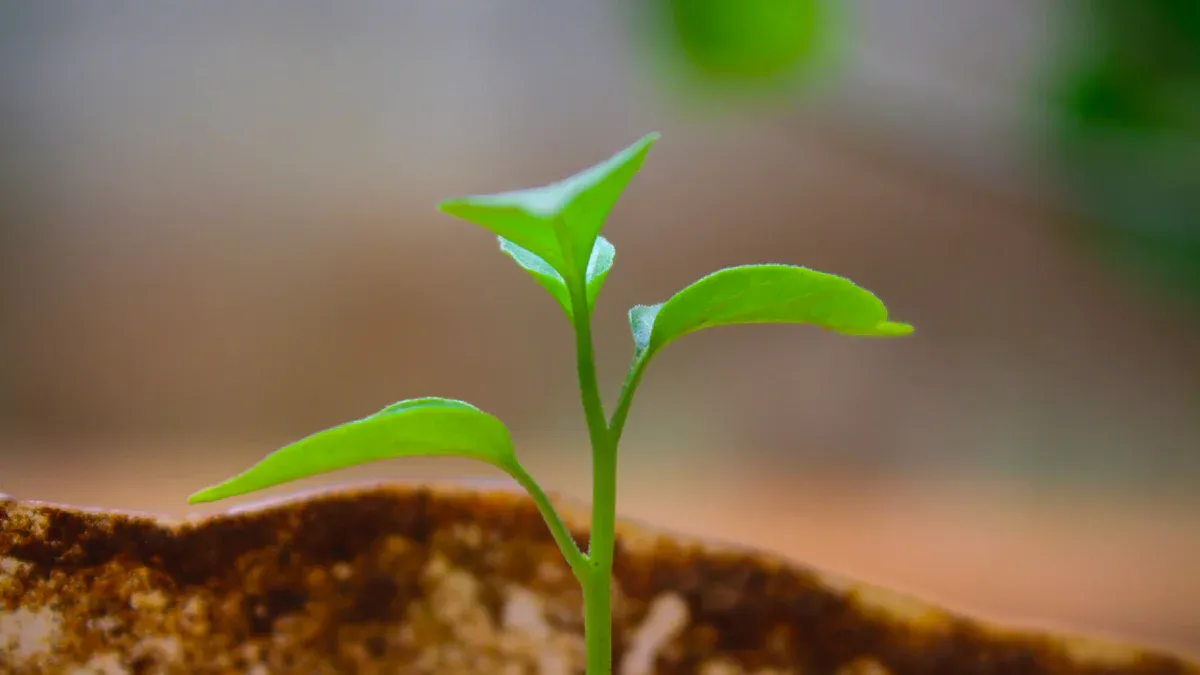
When you choose fertilizers for your yucca plant, opt for organic options. Organic fertilizers provide a balanced mix of nutrients that support healthy growth. A balanced NPK fertilizer with a ratio of 20-20-20 is ideal. This ratio supplies nitrogen for lush foliage, phosphorus for strong roots, and potassium for drought resistance. Additionally, micronutrients like calcium, magnesium, and iron help maintain leaf strength.
Here are some application rates to consider:
Container-grown yuccas: Fertilize every 4 weeks during the growing season.
In-ground yuccas: Apply 2-3 times per year, depending on soil richness.
Start feeding in early spring and continue until mid-autumn.
Timing Your Fertilization
Timing is crucial when fertilizing your yucca plant. You should fertilize once in the spring, just before new growth begins. This timing maximizes growth potential. Follow these guidelines for optimal results:
Fertilize in spring after the last frost.
Continue fertilizing through fall as long as the plants are actively growing.
By adhering to this schedule, you ensure your yucca receives the nutrients it needs during its most active growth periods.
Application Techniques
Proper application techniques help distribute nutrients evenly and prevent damage to your yucca plant. Here are some best practices:
Dilute liquid fertilizer to half-strength and apply it to moist soil.
Water the plants before fertilizing to prevent salt buildup.
For container-grown yuccas, fertilize every 4 weeks during the growing season. In-ground plants may need 2-3 applications per year.
Watch for signs of nutrient imbalance, such as yellowing leaves, which may indicate nitrogen deficiency.
Feed in the early morning or late afternoon for maximum nutrient absorption.
Flush the soil occasionally to prevent salt accumulation.
By following these dos, you can ensure your yucca plant thrives and remains healthy throughout its growth cycle.
Don’ts for Fertilizing Your Yucca Plant
Avoiding Over-Fertilization
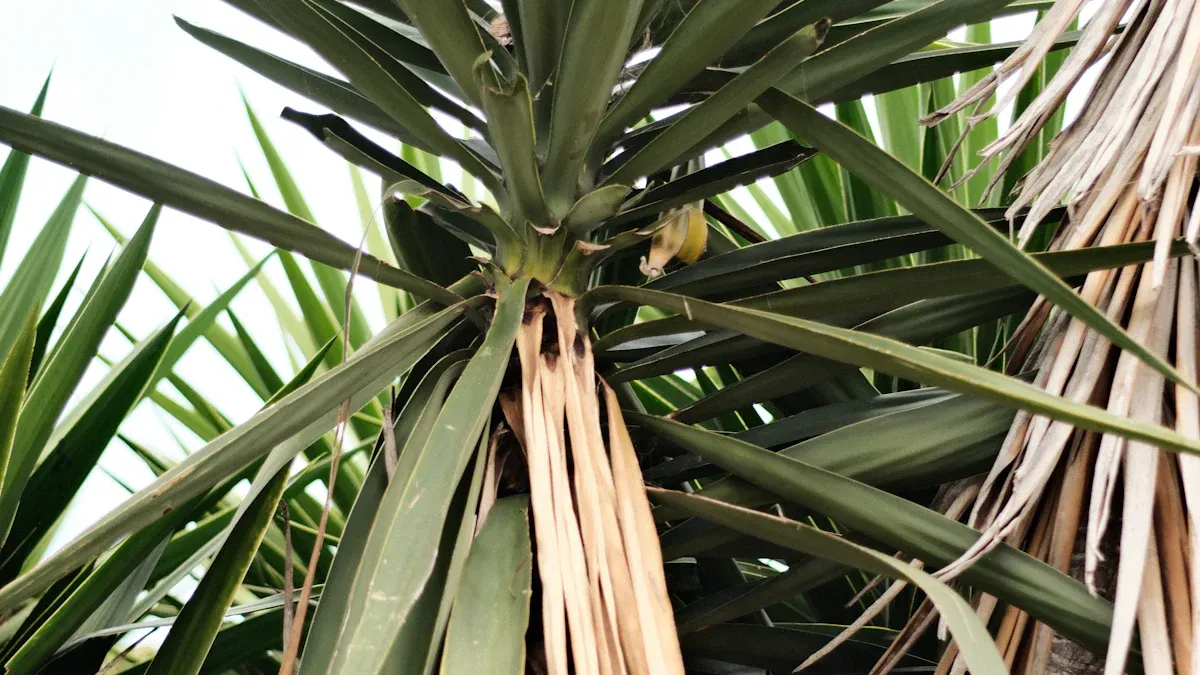
Over-fertilization can harm your yucca plant more than help it. When you apply too much fertilizer, you risk creating a toxic environment for your plant. Symptoms of over-fertilization include:
A crust of fertilizer on the soil surface.
Yellowing and wilting of lower leaves.
Browning leaf tips and margins.
Limp and browned or blackened roots.
Defoliation.
Lack of blossoms.
Very slow or no growth.
To prevent these issues, always follow the recommended application rates. If you notice any of these signs, reduce or stop fertilizing immediately.
Steering Clear of Inappropriate Products
Not all fertilizers are suitable for yucca plants. High-salt or fast-release fertilizers can lead to severe problems. These products often cause:
Browning or dieback of leaf tips and margins.
Reduced growth and lower leaf drop.
Dead root tips and wilting.
Yellowing or stunting.
Accumulation of salt deposits on potting media surfaces.
To avoid these issues, choose a balanced organic fertilizer with a suitable NPK ratio. Always read the label and ensure the product is appropriate for your yucca plant.
Ignoring Plant Signs
Your yucca plant communicates its needs through its appearance. Ignoring these signs can lead to serious health issues. For example, yellowing leaves may indicate nitrogen deficiency, while stunted growth can signal a lack of phosphorus or potassium.
After fertilizing, monitor your plant closely. Look for:
Yellow, mushy leaves or a soft stem, which may indicate overwatering.
Test soil moisture regularly and adjust your watering schedule as needed.
Ensure the pot has drainage holes to prevent water accumulation.
Yellowing leaves may also suggest poor drainage; allow the soil to dry out completely before watering again.
By paying attention to these signs, you can adjust your care routine and keep your yucca plant healthy.
In summary, you should follow these key dos and don’ts for fertilizing your yucca plant:
Choose organic fertilizers with a balanced NPK ratio.
Fertilize during active growth seasons, primarily in spring and summer.
Avoid over-fertilization to prevent issues like root rot and floppy growth.
By applying these tips, you can enhance your yucca’s health and growth. Remember, balanced nutrition is crucial for vibrant foliage and strong roots.
FAQ
What type of fertilizer is best for yucca plants?
You should use a balanced organic fertilizer with an NPK ratio of 20-20-20 for optimal growth.
How often should I fertilize my yucca plant?
Fertilize container-grown yuccas every 4 weeks during the growing season. For in-ground plants, apply 2-3 times a year.
What are the signs of over-fertilization in yucca plants?
Signs include yellowing leaves, browning tips, and slow growth. Reduce or stop fertilizing if you notice these symptoms.