
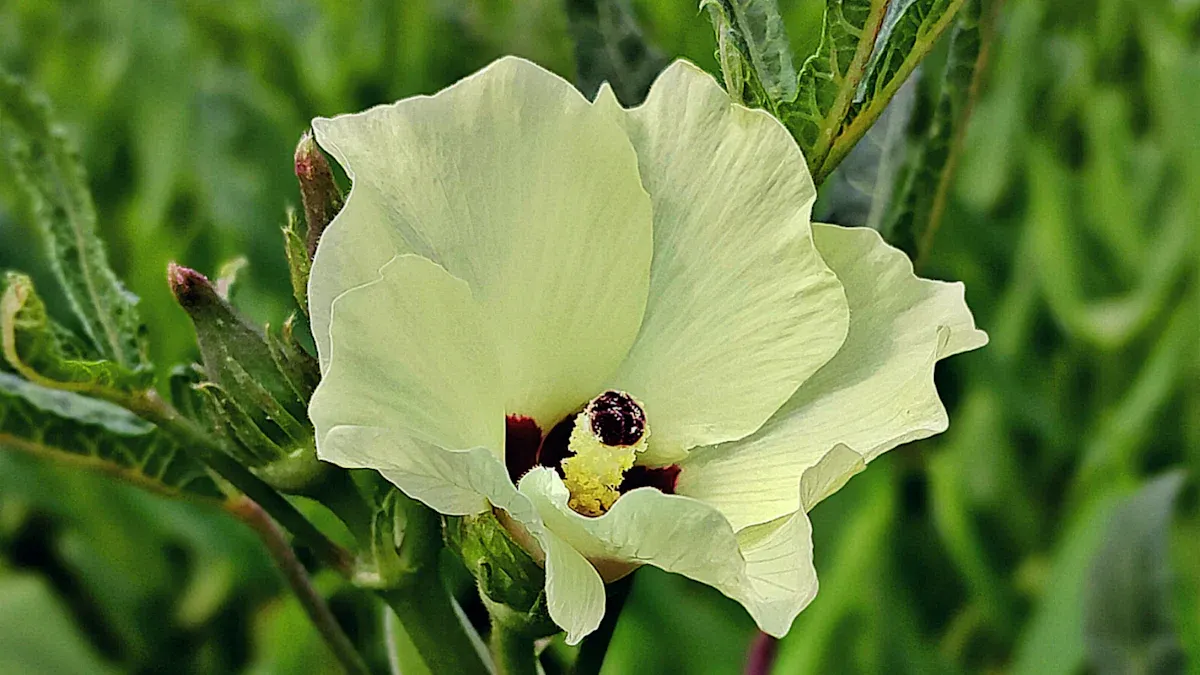
Fertilizing okra plants is crucial for their growth and yield. It directly influences how well they perform. In fact, studies show that proper fertilizing okra plants can boost yields by up to 75.6%! 🌱 However, many gardeners worry about choosing the right fertilizer, when to apply it, and the best techniques to use.
Remember, conducting a soil test is key! It helps you determine the right nutrients and maintain a healthy soil pH between 5.8 and 6.5. Without this, applying a balanced fertilizer before planting can set you on the right path.
Concern | Description |
|---|---|
Over-fertilization | Can damage okra plants due to sensitivity to salt. |
Nitrogen levels | Excessive nitrogen leads to poor yields and excessive vegetative growth. |
Soil testing importance | Essential for determining the right fertilizing okra plants needs and maintaining optimal soil pH. |
With the right approach, you can enjoy a thriving okra harvest.
Key Takeaways
Conduct a soil test before planting to determine nutrient needs and maintain optimal pH levels for okra growth.
Use a balanced fertilizer with an N-P-K ratio of 10-10-10 before planting and every 4 to 6 weeks during the growing season.
Avoid over-fertilization, as it can harm okra plants and lead to poor growth; always follow recommended application rates.
Recognize signs of nutrient deficiencies, such as yellowing leaves or stunted growth, to adjust your fertilization strategy promptly.
Consider using organic fertilizers like compost and bone meal to improve soil health and provide slow-release nutrients.
Nutrient Needs for Okra
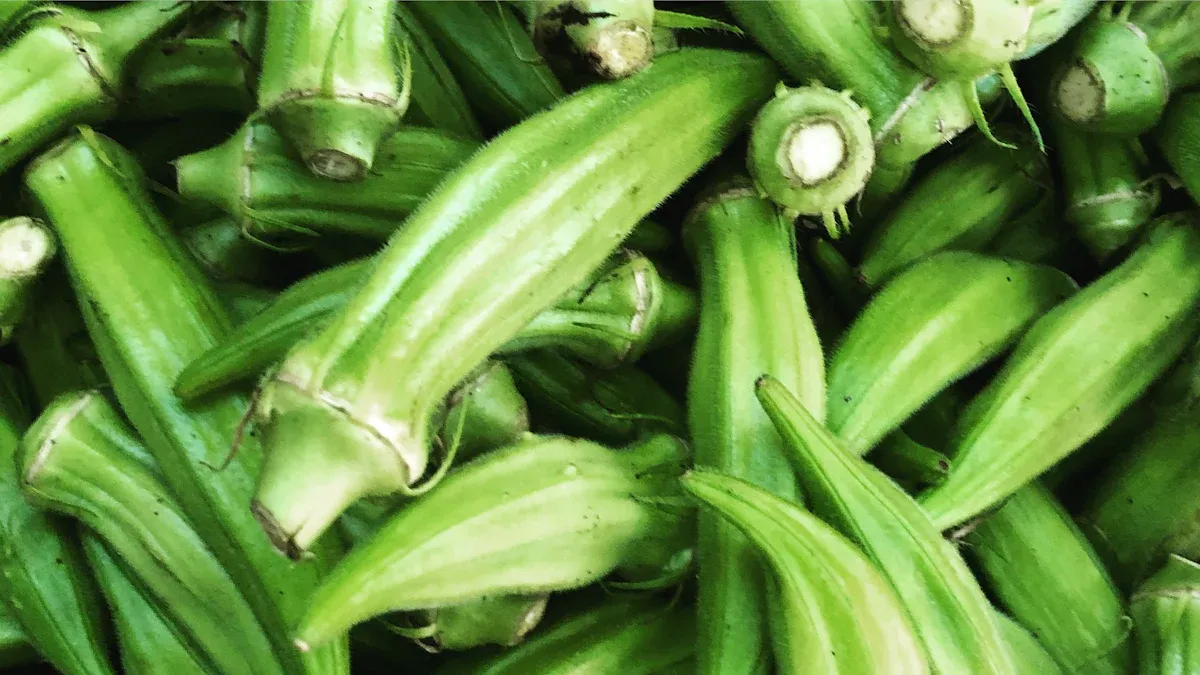
Growing healthy okra plants means understanding their nutrient needs. Just like you, okra requires a balanced diet to thrive. Here’s a breakdown of the essential nutrients your okra plants need:
Essential Nutrients
Nitrogen (N): This nutrient is vital for leafy growth. It helps your plants develop strong stems and lush foliage. For optimal growth, apply between 2½ to 5 pounds of nitrogen per 1,000 square feet. However, avoid adding extra nitrogen until your plants start fruiting. This helps manage growth and ensures good pod production.
Phosphorus (P): Phosphorus plays a key role in energy transfer and root development. It’s crucial for flowering and fruiting. A deficiency can lead to reduced stem elongation and lower seed production, which ultimately affects your okra yield.
Potassium (K): This nutrient helps with overall plant health and disease resistance. It also aids in water regulation within the plant. Like phosphorus, potassium deficiency can lead to significant yield losses.
Micronutrients: Don’t overlook the importance of micronutrients like iron, manganese, and zinc. These elements, though needed in smaller amounts, are essential for your plants’ health. Here’s how they help:
Micronutrient
Effect on Plant Health and Yield
Iron
Enhances growth and quality
Manganese
Improves overall yield
Zinc
Contributes to nutritional value
Okra contains essential minerals such as:
Calcium (Ca): 84 mg
Phosphorus (P): 90 mg
Iron (Fe): 1.20 mg
Signs of Deficiency
Recognizing the signs of nutrient deficiency can save your okra plants from serious damage. Here are some common symptoms to watch for:
Nitrogen Deficiency: Yellowing leaves, especially older ones, can indicate a lack of nitrogen. Your plants may also appear stunted.
Phosphorus Deficiency: Look for dark green or purplish leaves. If your plants are not growing as tall as they should, phosphorus might be the culprit.
Potassium Deficiency: Leaves may develop brown edges or spots. This can lead to wilting and poor fruit quality.
Micronutrient Deficiencies:
Iron deficiency often shows as yellowing between leaf veins.
Manganese deficiency can cause leaf spots and poor growth.
Zinc deficiency may lead to smaller leaves and reduced flowering.
By keeping an eye on these signs, you can adjust your fertilizing okra plants strategy and ensure your plants get the nutrients they need for healthy growth and bountiful production.
Fertilizing Okra Plants: Types of Fertilizers

When it comes to fertilizing okra plants, you have two main options: organic and synthetic fertilizers. Each type has its own benefits, and understanding these can help you make the best choice for your garden.
Organic Options
Organic fertilizers are derived from natural sources. They improve soil health and provide a slow release of nutrients. Here are some popular organic options for your okra plants:
Compost: This is a fantastic way to enrich your soil. It adds essential nutrients while improving soil structure.
Poultry Manure: This type of manure is particularly effective. Studies show that it significantly boosts okra growth and yield compared to synthetic fertilizers. It releases nitrogen gradually, reducing nutrient loss.
Bone Meal: Rich in phosphorus, bone meal supports root development and flowering. It’s a great addition when planting okra.
Fish Emulsion: This liquid fertilizer provides a quick nutrient boost. It’s especially useful during the growing season.
Using organic fertilizers not only nourishes your okra plants but also enhances soil properties over time. They provide both macro and micronutrients, which are crucial for healthy growth.
Synthetic Options
Synthetic fertilizers, on the other hand, are manufactured and often contain concentrated nutrients. They can provide a quick nutrient boost, which is beneficial for immediate plant needs. Here are some common synthetic fertilizers:
NPK Fertilizers: These fertilizers contain a balanced ratio of nitrogen, phosphorus, and potassium. The recommended N-P-K ratio for okra is typically 10-10-10. This balanced approach supports overall growth and production.
Urea: This nitrogen-rich fertilizer is effective for promoting leafy growth. However, be cautious with the amount you use, as too much nitrogen can lead to excessive foliage and poor fruiting.
Ammonium Phosphate: This fertilizer provides both nitrogen and phosphorus, making it ideal for early growth stages.
While synthetic fertilizers can support crop growth, they may not enhance soil health as effectively as organic options. A combination of both types can lead to the best results. For instance, using organic manure alongside mineral fertilizers can prevent nutrient leaching and improve nutrient uptake conditions.
Tips for Application Methods
When it comes to fertilizing okra plants, how you apply the fertilizer can make a big difference in their growth and yield. Here are some effective methods to consider:
Soil Incorporation
Soil incorporation involves mixing fertilizers directly into the soil before planting. This method ensures that nutrients are readily available to your okra plants as they grow. Here’s how to do it effectively:
Test Your Soil: Start with a soil test to determine nutrient levels. This helps you know exactly what your okra needs.
Apply Fertilizer: Based on your soil test results, apply the recommended amounts of nitrogen, phosphorus, and potassium. For example, if your soil is very low in nutrients, you might need to add 50 lbs of nitrogen, 150 lbs of phosphorus, and 100 lbs of potassium per acre.
Mix Well: Use a rake or tiller to mix the fertilizer into the top 6-8 inches of soil. This helps prevent nutrient loss and ensures even distribution.
Here’s a quick reference table for recommended fertilizer amounts based on soil test results:
Soil Test Results | Nitrogen (N) – lbs per acre | Phosphorus (P) – lbs P2O5 per acre | Potassium (K) – lbs K2O per acre |
|---|---|---|---|
Very Low | 50 | 150 | 100 |
Low | 25-50 | 0 | 200 |
Optimum | 0 | 100 | 0 |
Above Optimum | 0 | 0 | 0 |
Side-Dressing
Side-dressing is another effective technique for fertilizing okra plants. This method involves applying fertilizer alongside the plants during the growing season. Here’s how to do it:
Timing: Apply side-dressing when your okra plants start to form pods. This is crucial because okra has high nutrient needs during this stage.
Frequency: You should side-dress at least once after pod formation. Some gardeners recommend doing it 3-4 weeks and again 6-8 weeks after planting.
Choose the Right Fertilizer: Use a nitrogen-rich fertilizer to support continued growth and pod development.
Benefits of Foliar Feeding
Foliar feeding is a technique where you apply liquid fertilizer directly to the leaves of your okra plants. This method has several benefits:
It enhances nutrient uptake and promotes plant growth.
It can increase crop yield and improve quality.
Foliar feeding boosts plant immunity against diseases and pests.
It provides instant nutrient top-ups, especially useful during periods of poor root nutrient intake.
However, be cautious. Excessive foliar feeding can lead to decreased okra growth and yield. Always follow recommended guidelines to avoid over-fertilization.
By using these application methods, you can ensure your okra plants receive the nutrients they need for healthy growth and maximum production.
Timing and Frequency for Growing Okra
When it comes to fertilizing okra plants, timing is everything! You want to make sure your plants get the nutrients they need at the right moments during their growth cycle. Here are some tips on the best times to fertilize your okra.
Best Times
Pre-Planting: Before you even plant your okra, consider adding a balanced fertilizer to the soil. This sets a solid foundation for your plants. Use a fertilizer with lower nitrogen and higher phosphorus and potassium, like 8-24-24, at about 3 pounds per 100 feet of row.
Growing Season: Fertilize your okra plants every 4 to 6 weeks during the growing season. This regular feeding helps support their growth and production. You can use compost or a nitrogen-rich fertilizer to give them a boost.
Frequency Guidelines
To keep your okra thriving, follow these frequency guidelines:
Initial Fertilization: Start with your pre-planting fertilizer. This gives your plants a great start.
Regular Feeding: After planting, apply a balanced organic fertilizer every 4-6 weeks. Products like GardenTone work well for this purpose.
Sidedressing: As your plants grow, sidedress them with nitrogen every month or more. Use about 1 pound of nitrogen fertilizer per 100 feet of row. This helps your plants during critical growth stages, especially when they start forming pods.
By following these timing and frequency tips, you’ll set your okra plants up for healthy growth and bountiful production. Remember, consistent care leads to a thriving garden!
Common Mistakes in Growing Okra
When growing okra, you might make a few common mistakes that can hinder your plants’ success. Let’s dive into two major pitfalls: over-fertilization and ignoring soil tests.
Over-Fertilization
Over-fertilization can be a sneaky issue. You might think that more fertilizer means better growth, but that’s not always true. Too much fertilizer can lead to fertilizer burn, which damages your okra plants. Here are some symptoms to watch for:
Symptoms of Fertilizer Burn |
|---|
Impaired growth |
Brown leaf margins and tips |
Leaf curling and scorching |
Defoliation |
Root discoloration (from brown to black) |
Root rots |
Salt crust on the soil due to evaporation of fertilizing solutions |
Instead of boosting growth, excess fertilizer can stunt it. It’s essential to follow recommended application rates. Remember, okra plants thrive with balanced nutrition, not an overload.
Ignoring Soil Tests
Ignoring soil tests is another mistake you want to avoid. Soil tests provide valuable insights into nutrient levels and pH balance. Without this information, you risk applying the wrong fertilizers. This can lead to reduced yields, especially when pollinator activity is limited.
By testing your soil, you can optimize fertilization. Proper soil management can increase okra seed weight by up to 42% with full pollination. So, don’t skip this step! Regular soil testing helps you understand what your okra plants truly need.
In summary, proper fertilization techniques are essential for growing healthy okra plants and achieving a bountiful harvest. Remember to:
Use 2 to 3 pounds of balanced fertilizer like 10-10-10 per 100 square feet before planting.
Mix the fertilizer into the top 3 to 4 inches of soil for better nutrient availability.
Side-dress your plants every 2 to 4 weeks with options like fish emulsion or bone meal during the growing season.
By following these tips and monitoring your plants, you can ensure they receive the nutrients they need for robust growth and plentiful pods. Happy gardening!
FAQ
What type of fertilizer is best for okra plants?
You can use both organic and synthetic fertilizers. A balanced N-P-K ratio of 10-10-10 works well. Organic options like compost and bone meal enrich the soil and provide slow-release nutrients.
How often should I fertilize my okra?
Fertilize your okra every 4 to 6 weeks during the growing season. Apply a balanced fertilizer before planting and side-dress with nitrogen-rich options when the plants start forming pods.
Can I over-fertilize okra plants?
Yes, over-fertilization can harm your okra. It may cause fertilizer burn, leading to brown leaf edges and stunted growth. Always follow recommended application rates to avoid this issue.
When should I conduct a soil test?
Conduct a soil test before planting and every few years afterward. This helps you understand nutrient levels and pH balance, ensuring your okra gets the right fertilizers for optimal growth.
What are the signs of nutrient deficiency in okra?
Look for yellowing leaves, stunted growth, or brown leaf edges. These symptoms indicate deficiencies in nitrogen, phosphorus, or potassium. Address these issues promptly to maintain healthy plants.