

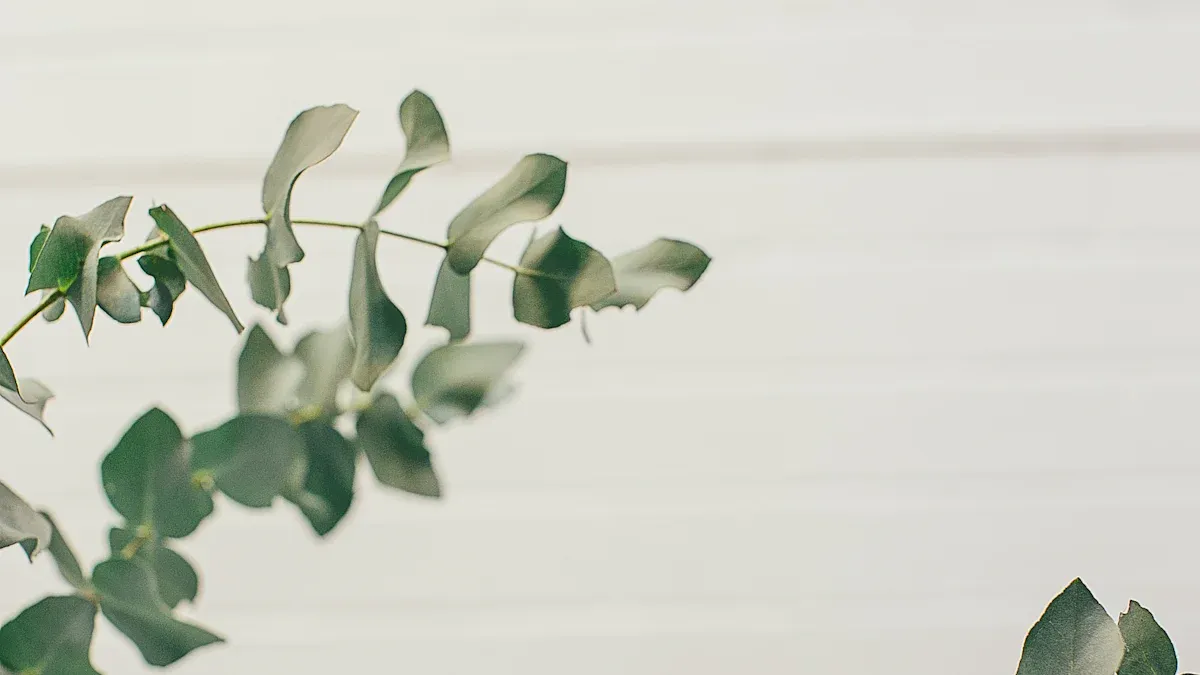
Find out about the eucalyptus plant. It is very interesting. Its special smell fills your room. It makes your space smell fresh. Eucalyptus makes any garden or home look pretty. It has a special kind of beauty. You will like how it looks. You also get nice smells from it. Enjoy growing this amazing plant. It is a good experience. Learn about its kinds. Learn how to take care of it.
Discovering Eucalyptus Plant Varieties
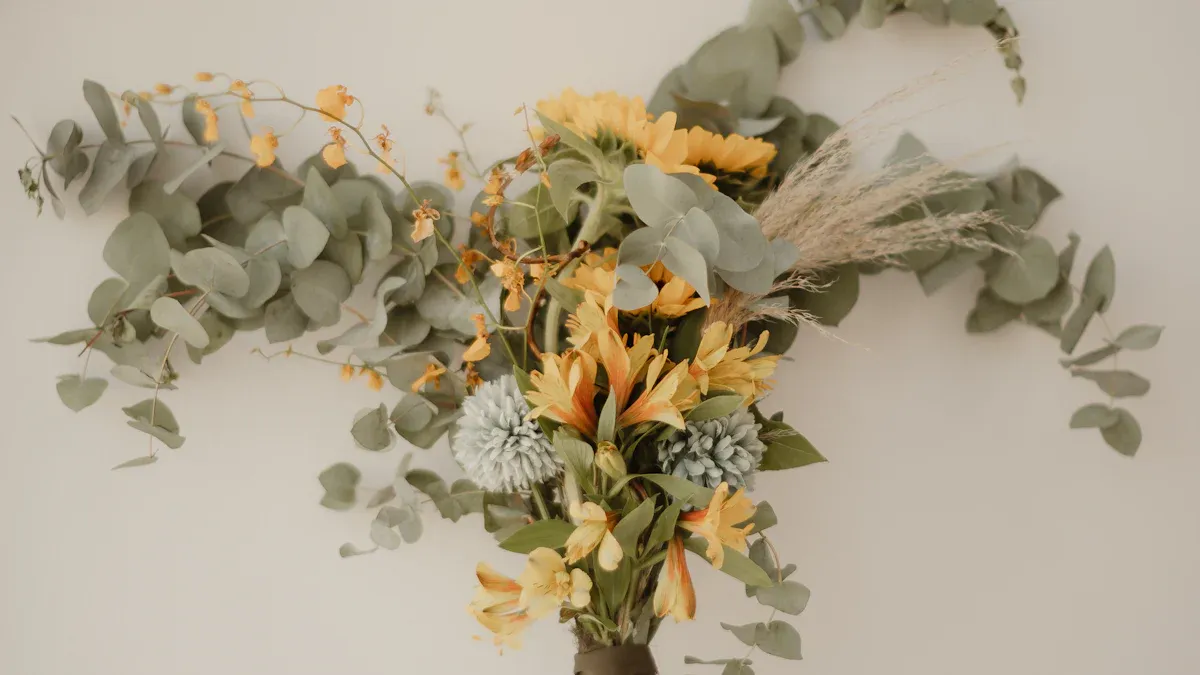
You will find many types of eucalyptus. This part helps you learn about eucalyptus. It also shows why growing it is good.
Eucalyptus Plant Basics: What It Is
You might ask, “What is a eucalyptus plant?” This group is big. It has over 700 kinds of flowering plants. Most are trees. Some are mallees. Some are shrubs. You can spot eucalyptus by its traits. Its leaves feel like leather. They often hang sideways or straight down. These leaves have glands. They hold fragrant oil. The flowers are special too.
Their buds have a cup-like cover. This is an operculum. It falls off like a lid. This happens when the flower opens. The fruit is woody. It is cup-shaped. It holds many tiny seeds. The bark changes a lot. It can be smooth. It can be fibrous. It can be hard or stringy. The name means ‘well-covered’. This is about the cap. It covers the stamens. The woody fruit is called a ‘gumnut’.
Benefits of Growing Eucalyptus
Growing this plant has many good points. You get a pretty plant. You also get health benefits. This plant’s parts fight bad cells. For example, Globulusin A and Eucaglobulin clean up free radicals. They do better than ascorbic acid. Eucalyptus also stops swelling. Eucalyptol can block swelling signals. This helps with breathing problems. It is good for asthma.
You can use this plant for breathing help. It is in shower tablets. It is in salves. These calm cold symptoms. They calm breathing issues.
It helps break up mucus. It lowers swelling. Eucalyptus oil in balms eases muscle pain. This is because it cools. Eucalyptus essential oils also help you relax. You can use them in calming mixes. This plant might help your skin. It can make more ceramides. This makes skin moist. It stops dryness.
This essential oil fights germs. It works against MRSA. It helps with colds. It helps with breathing problems. Breathing its vapors helps clear stuffiness. It helps people with colds sleep better. Its germ-fighting traits are good for teeth. It is in mouthwashes. Toothpaste with eucalyptus extract can stop gum bleeding. It can reduce plaque.
This plant also keeps bugs away. It works against mosquitoes. Studies show it eases pain. Breathing its oil vapors can lessen pain. Lemon eucalyptus oil keeps ticks away. Eucalyptol makes breath fresh. It kills bad breath germs. It also soothes sore throats.
Popular Types of Eucalyptus for Your Space
You can pick many kinds of eucalyptus. They are for your home or garden. Each one is pretty. Each one has good points. You will find a eucalyptus plant. It will fit what you need.
‘Silver Drop’ (Eucalyptus gunnii): Features and Conditions
‘Silver Drop’ eucalyptus is a top pick. It has pretty, round leaves. They are silver-blue. People use these leaves in flower displays. This eucalyptus loves full sun. It needs six hours of sun daily. This helps it grow big. It helps it bloom. It can take some partial sun. This shrub likes neutral soil. The pH should be 7.
It also grows in soil that is a little acidic. ‘Silver Drop’ eucalyptus grows well. Normal home temperatures are 65 to 75ºF. Make it cooler in winter. From November to February, use 45 to 50ºF. This eucalyptus does not need more humidity. Its roots get water.
‘Lemon Bush’ (Eucalyptus citriodora): Features and Conditions
‘Lemon Bush’ eucalyptus is known for its strong lemon smell. Its leaves give off a fresh citrus scent. This makes it great for smelly gardens. It is also good for indoor pots. Rub the leaves to get the smell. This eucalyptus does not need more humidity. Its roots get enough water.
‘Rainbow Gum’ (Eucalyptus deglupta): Features and Conditions
The ‘Rainbow Gum’ is a stunning tree. It has bark with many colors. The bark peels off in strips. This shows bright green, orange, purple, and maroon colors. This eucalyptus tree needs full sun. Plant it where light is not blocked. It grows best in wet soil. The soil must drain well. The soil should be a little acidic. The pH should be 5.5 to 6.5. This tree likes warm weather. Temperatures should not often go below 50°F (10°C). It grows well from 70 to 85 degrees Fahrenheit. It also likes high humidity. This eucalyptus cannot handle frost. You must keep it safe. Do this when night temperatures stay around 50 degrees.
Other Notable Eucalyptus Varieties
Many other kinds of eucalyptus exist. They offer different things.
Silver Dollar Eucalyptus: This one has big leaves. They are the size of a silver dollar.
Baby Blue Eucalyptus: You will like its sweet-smelling blue-green leaves.
Eucalyptus blakelyi (Blakely’s Red Gum): This tree’s bark changes colors. It handles frost and dry weather well.
Eucalyptus melanophloia: Its young leaves are round and shiny. They look like a cloud.
Eucalyptus websteriana: This eucalyptus has heart-shaped leaves. They are silvery-green. It grows in a small space.
Eucalyptus tetragona (Tallerack): It stands out. It has unique cube-shaped leaves.
Eucalyptus forrestiana (Fuchsia Gum): This type has pretty fuchsia flower buds. They open to golden-yellow flowers.
Eucalyptus pulverlenta (Silver Leaved Mountain Gum): It has big leaves. They look like they are covered in powder. This eucalyptus is strong. It is easy to care for.
How to Grow Eucalyptus Successfully
You can enjoy the rewarding experience of growing eucalyptus. This section gives you step-by-step advice. You will learn how to cultivate eucalyptus from different starting points.
Choosing the Right Spot: Light and Soil Needs
Picking the right place is key for your eucalyptus plant. Eucalyptus needs plenty of sunlight. You should give your plant 6 to 8 hours of direct sun every day. This helps it grow best. Eucalyptus thrives in full sun. If you grow it indoors, place it near a south or west-facing window. This gives it the most light.
Too much sun can harm your plant. Its leaves might get scorched. Their colors could fade. The leaves might even droop. On the other hand, not enough sun also causes problems. Your plant might not grow well. It could look leggy. Its leaves might turn yellow. Strong, direct light is important. It keeps your eucalyptus healthy. It also keeps its leaves a good color. These plants do not do well in low light. They will quickly get sick without enough light.
Soil is also very important. Eucalyptus roots need good drainage. They will drown if water sits around them. These are not water plants. You must ensure excellent drainage. The type of soil you have matters.
Sandy soils that are not packed down may only need a little digging for fertilizer. Dig at least 0.25 meters deep.
Clay soils or hard soils need deep digging. Dig up to 0.70 meters. This helps roots grow better. You can also dig 0.50 meters deep and make ridges. This works well too.
Soils that do not drain well or are shallow need more help. Dig deep and make ridges or beds. This gives roots more room.
Areas with standing water need drainage. Make ridges without deep digging.
Always check your soil first. Look at its type, how it slopes, how it drains, and how deep it is. Check if the soil is packed down. Look at its layers and how deep the good soil goes. This helps you prepare the soil correctly for your eucalyptus.
Starting Eucalyptus from Seed: Germination Tips
You can start new eucalyptus plants from seeds. This is a rewarding way to begin. Here are the steps for growing from seed:
Store Seeds: Put your seeds in the fridge when they arrive.
Sow Indoors: Plant seeds indoors in spring or summer.
Use Good Soil: Use seed starter soil that is barely moist. Put it in small trays.
Keep Warm: The best temperature for seeds to sprout is 21°C (70°F).
Give Light: Do not cover the seeds. They need light to sprout.
Keep Moist: Place trays in a propagator. This helps keep moisture in.
Boost Germination: If seeds do not sprout after 4 to 6 weeks, try this. Put them in the fridge for 3 to 4 weeks.
Water Carefully: Water young plants from below. Do not water from the top.
Move Young Plants: Move them when they have 3 to 4 true leaves. Be very careful not to disturb their roots.
Provide Bright Light: Make sure young plants get bright light.
Plant Outside: Plant them outdoors by mid-summer. Put them in their final spot or in large pots.
Some eucalyptus seeds need special treatment to sprout. This is called scarification or stratification.
Scarification helps water get into the seed. You break the seed coat. You can do this with chemicals like acid. You can also nick the seed coat with a file or sandpaper. Pouring hot water over the seeds after nicking them works very well.
Stratification makes seeds think it is winter. You keep them cold and wet for a while. This breaks their sleep and helps them sprout when it gets warm. Many hardy eucalyptus species need this. You can put seeds in the fridge. Keep them moist with some air. You can also plant seeds outside in the fall. The cold, wet winter will do the job. They will sprout in spring. The time needed varies. It can be 3 to 8 weeks. Some species, like Eucalyptus gunnii, do not need stratification.
Planting Young Eucalyptus: Ground vs. Container
You have young eucalyptus plants. Now you need to plant them. The best time to plant is in spring or fall. Avoid very hot or very cold weather. If you have small plants (plugs), plant them within two weeks.
Make sure your plant has enough space. Consider its mature size. A eucalyptus tree can grow very large. Give it room to spread. If you plant in the ground, choose a spot sheltered from strong winds.
Growing eucalyptus indoors can be tricky. They need a lot of light. They also need specific winter temperatures. This makes them challenging eucalyptus houseplants.
Potting and Repotting Eucalyptus: Indoor and Container Growing
If you grow your eucalyptus in a pot, choose the right materials. Start with good quality potting soil. It should have perlite mixed in. Perlite helps with drainage.
You will need to repot your eucalyptus often. These plants grow fast. You may need to repot every spring. Some types might even need repotting twice a year. When you repot, choose a container that is not too big. It should be at most twice the size of the old one. Always make sure the pot has drainage holes. Air-pots are popular for eucalyptus. Terra cotta pots also work. Just watch the soil moisture in terra cotta pots. They dry out faster.
Make your own potting mix. Use equal parts organic potting soil, peat moss, and perlite or sharp sand. This mix provides good drainage. Be careful with pot size. Bigger pots hold more water. This can slow down plant growth. Handle your plant gently when repotting. Eucalyptus does not like its roots disturbed.
Essential Eucalyptus Care for Thriving Plants
You want your eucalyptus to grow strong. You want it to be beautiful. This part tells you how to care for it. It helps your eucalyptus stay healthy. It helps it grow well.
Watering Your Eucalyptus: Frequency and Drainage
Watering your eucalyptus is very important. Do not give it too much water. Do not give it too little. Eucalyptus likes dry soil between waterings. Too much water causes problems. Leaves turn yellow. Roots can rot. If leaves look yellow, check the soil. It might be too dry or too wet.
A 5-inch pot needs water. It needs about 0.5 cups. Water it every 9 days. This is if it is not in direct sun. Always feel the soil first. Stick your finger in about an inch. If it feels dry, give it water. Your pot must have drain holes. Eucalyptus does not like wet feet. Put outdoor pots on feet or bricks. This keeps the holes clear.
Fertilizing Eucalyptus: What and When
Eucalyptus trees in the ground do not need fertilizer. They grow well in poor soil. This is like their home in Australia. Potted eucalyptus might need some food.
Use a slow-release fertilizer. Or use a liquid plant food. Use half the amount it says on the bottle.
Eucalyptus plants need phosphorus. This is true for some soils. Rock phosphate (RP) works well. Single superphosphate (SSF) is also good. Put these fertilizers in furrows. This helps the plant take in more. It makes the plant grow bigger. The best way is to mix SSF in holes. Also, put RP in furrows. This makes stems bigger. It makes more dry matter. This mix gives phosphorus slowly. It helps young plants grow fast. It also feeds them for a long time. Use about 150 kg P2O5 per hectare. This makes stems much bigger. It is better than using only SSF.
Pruning Eucalyptus: Techniques for Health and Shape
Pruning keeps your eucalyptus healthy. It also makes it look good. You can use different ways to prune.
Formative Pruning in Early Stages: Cut off branches that compete. This makes one strong trunk. Remove lower branches. This helps air move. It stops sickness.
Regular Pruning for Health: Cut off dead wood. Cut off sick wood. Trim the top lightly. This lets in sun and air. Shape the plant to look nice.
Pruning Mature Eucalyptus Trees: Carefully cut big, old branches. Do not cut too much. This stops new shoots from growing. Only cut dangerous branches. These branches can fall.
Special pruning helps you get what you want.
Encouraging Bushier Growth: Pinch new tips on young plants. This makes more branches. It makes the plant fuller.
Maintaining Desired Shape: Trim lightly to keep a certain shape.
Retaining Juvenile Foliage: Prune often to keep young leaves. These are round and blue. Older trees have long, green leaves.
Harvesting Cut Foliage: Cut stems for flower arrangements. This also shapes the plant.
Managing Pests and Diseases in Eucalyptus
Your eucalyptus can get pests. It can get sick. You need to know how to fix this.
Common bugs that eat plants are:
Eucalyptus snout beetle
Eucalyptus tortoise beetle and Eucalyptus leaf beetle
Caterpillars that eat leaves (like Omnivorous looper, Orange tortrix)
Gall makers (like Eucalyptus gall wasps)
Glassy-winged sharpshooter
Psyllids (like Blue gum psyllid, Eucalyptus redgum lerp psyllid, Lemondrop lerp psyllid, Spottedgum psyllid)
Roundheaded Borer (like Eucalyptus longhorned borer)
Whiteflies (like Giant whitefly)
Common sicknesses are:
Anthracnose
Armillaria root rot
Canker diseases (like Botryosphaeria canker and dieback, Diaporthe stem canker and dieback, Nectria canker)
Rots at the collar, root, and crown
Leaf spot diseases (like Tar spots)
Powdery mildew
Wood decay or heart rot
The Eucalyptus longhorned borer causes harm. You might see holes in bark. You might see stains. Liquid might ooze from trunks. Leaves can change color. They can wilt. This kills branches. Borers attack weak plants. In California, dry weather makes trees weak. Many eucalyptus trees get sick. Larvae eat a lot. This can kill a tree. The top of the tree gets thin. Leaves wilt. Bark has bug waste. This often kills the tree fast.
To stop borers, keep trees healthy. Handle eucalyptus wood carefully. Plant strong kinds of trees. Do not do things that hurt good bugs. Bug sprays usually do not work. Choose eucalyptus that can handle dry weather. Even strong trees get sick if stressed. Bad soil or no water causes stress. Water trees often when it is dry. This is important if it does not rain much. Do not stop watering suddenly. This is bad in summer. Water the ground under the outer leaves. Keep water away from the trunk. Do not water a little bit often.
Here are some trees that get borers easily. Here are some that do not.
More Susceptible Species | More Resistant Species |
|---|---|
Blue gum (E. globulus) | Hybrid (E. trabutii) |
Flooded gum (E. grandis) | Lemon gum (E. citriodora) |
Karri gum (E. diversicolor) | Mountain gum (E. dalrympleana) |
Manna gum (E. viminalis) | Red ironbark (E. sideroxylon) |
Round leaved/red flowered (E. platypus/nutans) | River red gum (E. camaldulensis) |
Shining gum (E. nitens) | Sugar gum (E. cladocalyx) |
Sydney blue gum (E. saligna) | Swamp mahogany (E. robusta) |
One sickness is ‘Leaf yellowing Disease’. It affects Grand eucalyptus. Watch your plants for problems. Find problems early. This helps you fix them. This keeps your plant healthy.
Winter Care for Eucalyptus: Protecting Non-Hardy Varieties
Protect weak eucalyptus in cold places. Eucalyptus can grow back. It has a lignotuber. This is under the ground. It helps after fires in Australia. It also helps after frost. The top of the plant might die. It can grow back from roots. It can grow back from the lignotuber.
For good winter survival, follow these tips:
Plant eucalyptus in safe spots. This protects them from cold winds.
Put thick mulch over the roots. Leave 7.5cm (3in) around the trunk. This stops rot. It protects roots more.
Plant eucalyptus in pots. You can move them. Put them against a warm wall. Bring them inside. Bring them to a greenhouse. Do this when it gets cold. Put them near a south window. This is best for indoor plants.
Make sure water drains well. Use good potting soil. Put outdoor pots on feet or bricks. This keeps drain holes clear. Eucalyptus does not like wet soil.
Water less in winter. Water every 10-14 days. Do not feed them more. The plant is strong.
Troubleshooting Common Eucalyptus Challenges
Even with the best care, your plants can face problems. You might see changes in your plant’s health. This section helps you understand common issues. It also tells you how to fix them.
Why Eucalyptus Leaves Turn Yellow
You might notice your eucalyptus leaves turning yellow. Several things can cause this.
Not enough nutrients: Your plant needs food. If it lacks nitrogen, leaves turn pale yellow. The plant also grows slowly. Nitrogen helps make chlorophyll. If it lacks iron, yellowing appears between the leaf veins. Iron is important for photosynthesis.
Too much water: Overwatering is a common problem. It can make leaves yellow. The plant might wilt. Roots can rot because eucalyptus needs soil that drains well.
Not enough water: If you do not water enough, leaves turn yellow. They might also drop off. The soil will feel dry. Your plant needs steady moisture.
Pests: Small bugs can cause yellow leaves. Aphids make leaves curl. They leave a sticky mess. Spider mites create fine webs. They make leaves look speckled. These pests weaken your plant. This makes the yellowing worse.
Fungal diseases: Root rot is a common fungal disease. It can make leaves yellow. The plant might wilt even if you water it enough. This often happens from too much water and poor drainage.
Addressing Slow Growth in Eucalyptus
Eucalyptus trees usually grow fast. They often grow more than a foot each year. If your plant grows slowly, something is wrong. This can mean you planted it incorrectly. It can also mean poor growing conditions.
Here are common reasons for slow growth:
Wrong care: You might give it too much or too little water. It might not get enough light. The humidity could be wrong. The soil might not drain well. Cold temperatures can harm it. A pot that is too small can also stop growth.
Lack of food: Some types of eucalyptus need a lot of nutrients. They are “heavy feeders.”
Pests: Bugs can damage leaves. Beetles, whiteflies, and wasps can cause problems.
Diseases: Fungal and bacterial rots can make your plant sick. Root rot is one example.
Dealing with Eucalyptus Pest Infestations
Pests can harm your eucalyptus. You need to know the signs. You also need to know how to treat them.
Look for these general signs:
Leaves change color.
You see holes in the leaves.
Leaves feel sticky.
The plant looks weak overall.
Specific pests show different signs:
Eucalyptus snout beetle: Your plant might grow slowly. Leaves turn yellow. You will also see leaves eaten.
Eucalyptus leaf beetle: You will see many leaves eaten. The leaves might look like skeletons.
Eucalyptus longhorned borer: You might see small holes in the bark. Sawdust-like material can appear. Leaves might wilt. The plant grows slowly. It looks weak.
Red gum lerp psyllid: Leaves might curl. They change color. You will see small, white, sugary bumps on the leaves. Leaves also feel sticky.
You can use different ways to fight pests.
Organic Treatments:
Water correctly: Give your plant enough water. This is very important when it is dry. It helps reduce psyllids. Plants that like wet conditions suffer more from drought.
Do not fertilize: Do not add too much nitrogen. This makes new, soft shoots. Psyllids like these shoots. Eucalyptus rarely needs nitrogen.
Prune carefully: Only prune in winter. This is when trees are less stressed. Borers are not active then. Do not prune too much at once. New growth attracts psyllids. Big cuts can attract borers.
Choose strong plants: Pick types of eucalyptus that naturally resist pests. Do this when you plant new trees.
Use good bugs: Natural enemies can help. A special wasp helps control red gum lerp psyllids. Avoid sprays that harm these helpful insects.
Chemical Treatments:
Systemic pesticides: These are strong chemicals. They work well for big trees. Imidacloprid is one example. You can find products like BioAdvanced 12 Month Tree & Shrub Insect Control.
How to apply: You can pour imidacloprid around the base of the tree. Mix it with water first. You can also spray it on the lower trunk. The bark will soak it up. Soil or bark treatments are better than injecting the tree. Injections can hurt the tree.
When to apply: Apply imidacloprid to wet soil. Do this in late winter or early spring. Apply it before rain or watering. This helps the roots take it in. It does not work as well in summer or fall. It also does not work well on very sick trees.
Be careful: Imidacloprid harms bees. It also harms good insects. Wait until the tree finishes flowering. This helps protect bees. Do not use it if good bugs are already controlling psyllids.
Oil and Insecticidal Soap:
You can use a mix of horticultural oil and insecticidal soap. This works for smaller trees. It helps if sticky residue is a big problem.
These sprays do not work very well against lerp psyllids. The lerp protects the young bugs. They only give short-term help. They can kill some adult bugs, eggs, and young bugs. They also help wash off the sticky residue.
Do not use these sprays on big trees. It is hard to cover big trees completely. The spray can also drift to other plants.
Growing eucalyptus is very rewarding. You learned about different types. You learned how to grow them. You also learned how to care for them. Use these simple tips. Your eucalyptus will grow well. You will love its beauty. You will enjoy its many benefits.