You’ll plant with care, water with patience, and watch a durian tree reward you with rich, custard fruit that many people call the king of fruits. You’ll pick a warm, sheltered spot with good drainage, choose grafted varieties for reliable flavor, and protect young roots from compaction and pests. You’ll learn about night blooms and pollinators, steady irrigation, timely harvesting, and simple culinary uses that make each harvest worth the effort.
Why Durian Is Called the “King of Fruits
Once you initially see a durian, its size, spikes, and strong smell tell you it’s not an ordinary fruit, and that’s a big part of why people call it the King of Fruits. You’ll learn its royal symbolism comes from size, rarity, and the way communities honor it at festivals.
You’ll respect how the thick husk protects rich, custardlike flesh, and you’ll see how that protection mirrors a crown guarding treasure. You’ll also study olfactory chemistry to master how volatile compounds create that polarizing aroma.
You’ll use scent knowledge to evaluate ripeness and storage. You’ll feel reassured that learning these details makes you confident around vendors and trees. You’ll move from curiosity to skill with steady, practiced steps.
Choosing the Best Durian Varieties for Your Climate
Should you live where it’s hot and humid, or you’re coping with a cooler, drier spot, picking the right durian variety makes everything easier and more rewarding. You’ll want varieties that match your microclimate, growth goals, and patience level. Consider these practical choices and why they suit specific conditions.
- Monthong for consistent heat and high yields, reliable for commercial and home growers
- D24 for slightly cooler tropics, prized for balanced flavor and manageable canopy
- Cold hardy selections whenever frost risk exists, choose proven cultivars and extra protection
- Container friendly grafts for small spaces, easier to move and control watering and temperature
- Musang King for humid sites, complex flavor but needs strong care and monitoring
Match variety traits to your climate and care capacity.
Selecting the Ideal Planting Site and Soil Preparation
After you pick a durian variety that fits your climate and care abilities, choosing where to plant it makes everything else fall into place.
You’ll start with microclimate mapping to record sun, wind, frost pockets, and drainage across your site.
Pick a spot with morning sun, afternoon shade, and protection from strong winds.
Soil should be deep, loamy, and slightly acidic. Test pH and texture, then amend with organic matter to improve structure and drainage.
Incorporate mycorrhizal inoculation at planting to enhance root establishment and nutrient uptake.
Grade the bed to avoid waterlogging and create gentle berms as required.
Keep nearby trees spaced to reduce competition.
You’ll feel confident once your site supports steady root growth and long term canopy development.
Propagation Methods: Seed, Grafting, and Air Layering
As soon as you’re ready to grow durian, choosing how to start the tree shapes everything that follows, so let’s walk through the three main methods and what they mean for your garden. You’ll pick based on time, root strength, and the fruit traits you want. Seed germination timing varies and demands patience, while grafting gives predictable cultivars and faster fruiting. The air layering technique blends speed with the original tree vigor.
- Seed propagation: low cost, genetic variance, watch seed germination timing closely
- Grafting: clones superior varieties, faster yield, needs skill
- Air layering technique: preserves mother tree traits, high success provided it’s done right
- Nursery care: root development focus, consistent moisture
- Timing: align methods with rainy season for best results
Planting Young Durian Saplings: Step-by-Step
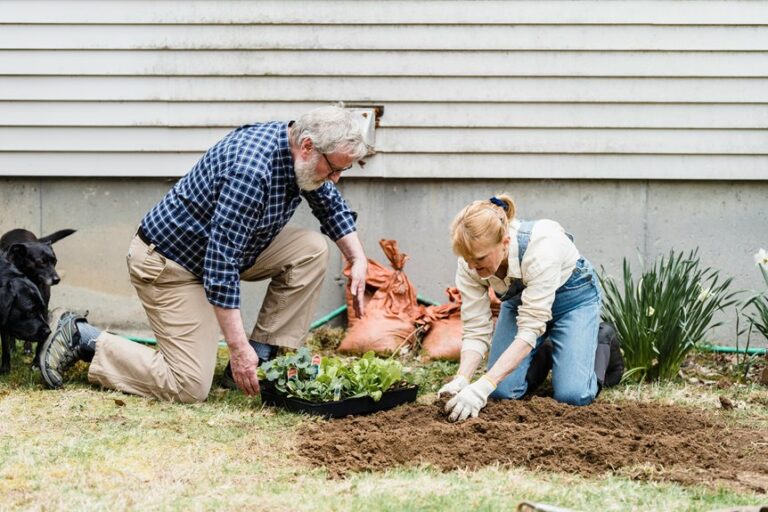
Get your hands ready and choose a sunny, sheltered spot because planting a young durian sapling is where patience and care start paying off. You’ll dig a hole twice the root ball, loosen roots gently, and place the sapling so the graft union sits above soil. Follow root establishment tips: spread roots, avoid circling, and firm soil without compacting. Mulch lightly, keeping mulch away from the trunk. Consider shade management strategies: provide temporary shade cloth, remove after acclimation, and monitor sun exposure daily. Stake the sapling when wind is an issue, tying loosely. Check for pests and remove damaged leaves. Be attentive, stay gentle, and adjust as the tree settles. Small, steady actions build a strong foundation.
| Step | Visual |
|---|---|
| Dig | Wide hole |
| Position | Straight trunk |
| Mulch | Ringed layer |
| Stake | Loose tie |
Watering, Fertilizing, and Soil Management
You’ve given your durian sapling a good start with careful planting, and now you’ll focus on giving it the right water, food, and soil care so it can grow strong. You’ll use predictable routines and precise adjustments to avoid shock and encourage steady root expansion.
Integrate drip irrigation to provide consistent moisture without waterlogging. Combine fertilizer timing with soil testing to match nutrient needs. Practice mulch management to retain moisture and moderate temperature while avoiding stem rot.
- Schedule drip irrigation cycles based on soil moisture readings
- Apply balanced NPK fertilizer in split doses during growth phases
- Use organic mulch 5 to 10 cm thick and refresh annually
- Monitor pH and correct with lime or sulfur as needed
- Secure good drainage with raised beds or amended soil
Pruning and Training for Healthy Growth and Fruit Production
You’ll want to shape young durian trees at an early stage so they grow a strong structure and don’t waste energy on awkward branches.
Start by training a few well‑spaced scaffold branches and remove crowded shoots so the canopy stays open and sunlight reaches inner leaves.
As the tree matures, keep managing canopy size with selective pruning to balance fruit load and maintain good air flow.
Shaping Young Trees
Shaping young durian trees starts with gentle pruning and thoughtful training so they grow strong and give you better fruit later. You’ll work on roots, trunk and branches in measured steps to guide structure without stress. Use root pruning sparingly to balance root and shoot growth. Pay attention to stake positioning so the tree moves slightly and builds wood. Combine canopy thinning with training wires to set scaffold angles and light penetration.
- Prune crossing branches promptly to prevent weak forks
- Use training wires loosely and check them monthly
- Cut above outward-facing buds to open form
- Adjust stake positioning as the trunk thickens
- Remove narrow V joints and favor wide crotches
These actions set a resilient structure and steady fruiting rhythm.
Managing Canopy Size
Now that you’ve set a strong structure with careful pruning, it’s time to manage canopy size so light, air, and fruiting are balanced across the whole tree. You’ll use canopy reduction and lateral thinning to keep branches productive without stressing the tree. Start by removing crowded laterals, cut back overly long scaffold limbs, and keep a clear central zone for airflow. Be decisive but gentle, and make cuts outside the branch collar to heal well. Regularly reassess size after fruit sets and adjust intensity seasonally to match vigor.
| Action | Purpose |
|---|---|
| Lateral thinning | Improve light penetration |
| Canopy reduction | Limit weight on scaffold limbs |
| Selective heading | Stimulate outward fruiting buds |
| Timing | Align with growth cycle to reduce shock |
Pest and Disease Identification and Control
Because durian trees grow slowly and invest a lot in fruit, pests and diseases can feel like a personal attack on your hard work, but you should be able to spot and manage most problems provided you know what to look for. You’ll use integrated pest management and diagnostic sampling to decide at what point to act.
Combine cultural practices like pruning, sanitation, and proper fertilization with biological controls to keep pests low. Watch leaves, bark, and roots for spots, wilting, dieback, or unusual growths.
- Inspect weekly for scale, mealybugs, and caterpillars and record findings
- Collect and send diagnostic samples whenever symptoms are unclear
- Remove and burn heavily infected material promptly
- Encourage natural predators and release biological controls as required
- Adjust irrigation and mulch to reduce disease pressure
Flowering, Pollination, and Fruit Development
You’ll notice durian trees flower in clear seasonal patterns, with blooms often opening at night and in bursts that set the pace for fruiting.
Pollinators like bats, moths, and specific insects play key roles, so you’ll want to encourage their visits through keeping nearby habitat and water sources.
As flowers are pollinated, fruit set and growth follow a predictable schedule you can watch for and support with steady care and gentle pruning.
Flowering Timing Patterns
As durian trees begin to flower, they follow a rhythm you can learn to read, and that rhythm shapes how fruit sets and develops. You’ll notice nocturnal anthesis in many cultivars, so flowers open at night and demand careful timing. You’ll also watch for seasonal irregularities that change bloom intensity and alignment with favorable conditions. Read cues and act deliberately.
- Track nightly opening times to plan hand pollination or observation
- observe weather shifts that cause seasonal irregularities and adjust irrigation and shade
- Record bloom waves so you can predict peak fruit set windows
- Observe flower longevity to time supplemental pollination or exclusion trials
- Map individual tree patterns to improve orchard-wide timing and harvest planning
You’ll gain control through measuring and adapting.
Pollinator Species Roles
Now that you can read nightly bloom patterns and predict at what times flowers will open, you can match those cues to the creatures that actually visit durian blooms.
You’ll watch bat pollinators arrive initially, drawn by scent and pale petals. They hover, brush stamens, and move pollen between flowers with practiced rhythm.
Later, nocturnal moths come, delicate and steady, visiting blooms that stay open into dawn.
Learn to spot differences in visit behavior because that tells you which trees get reliable pollen transfer.
You’ll adjust canopy height, nearby water, and evening light to favor these species.
Whenever you care for habitat and schedule orchard work around their activity, you’ll enhance natural pollination and feel confident you’re helping the whole ecosystem.
Fruit Set and Growth
Because fruit only forms once flowers get good pollen, you’ll want to watch the whole cycle from bloom to baby durian with care and patience.
You’ll track flowering, pollination timing, and initial fruit growth to command yield forecasting and optimize harvests.
Watch for pollinator visits and poor set so you can act promptly.
- Record bloom dates and pollinator activity to improve yield forecasting.
- Inspect fruitlets for deformity and pest damage during opening month.
- Apply targeted fruit thinning techniques to reduce competition and improve size.
- Manage nutrition and water to support developing seeds and flesh.
- Observe microclimate effects on flower longevity and fruit drop.
These steps link observation to action, so you stay proactive, calm, and confident as fruits form.
Harvesting, Ripening, and Storing Durian Fruit
As the durian tree starts dropping its initial fruits, you’ll feel a mix of excitement and nervousness, and that’s normal.
You check drop timing and fruit sound to decide harvest. Provided you want control, harvest just before natural drop and inspect stem scars.
After harvest you handle post harvest care gently to avoid bruises.
For ripening, store fruit in a cool, shaded spot and monitor aroma and slight softening.
For longer storage, use temperature controlled rooms or modified atmosphere packaging to slow ripening.
Small-scale growers can use ethanol fumigation to reduce pests and mold before storage.
While moving fruit, cushion crates and keep records of harvest date and lot.
With calm practice you’ll gain confidence and better fruit quality.
Common Mistakes New Growers Make and How to Avoid Them
Growing durian can feel overwhelming at initially, and you’ll probably make a few mistakes that leave you worried or frustrated, but that’s part of learning. You want mastery, so notice where novices trip up and fix it early. Pay attention to watering, pruning, and root care. Watch for soil compaction and avoid overwatering shallow roots. In case you try container cultivation, choose large pots, fresh mix, and regular repotting.
- Overwatering young trees, causing root rot and weak growth
- Ignoring soil compaction, which chokes roots and reduces oxygen
- Planting in poor drainage sites instead of correcting soil structure
- Skipping root inspections and delayed grafting or pruning decisions
- Using undersized containers for container cultivation, limiting root and canopy development
Take steady steps, adjust quickly, and learn from each season.
Nutritional Benefits, Culinary Uses, and Cultural Significance
You’ll find that durian gives you more than a strong aroma and rich flavor; it also packs a surprising mix of nutrients that help your body in real, everyday ways.
You get healthy fats, vitamin C, B vitamins, potassium, and fiber. Those nutrients support energy, digestion, and recovery after work or training. Its antioxidant content helps fight cell stress, so you’ll protect tissues while enjoying dessert.
You’ll also learn culinary pairings that balance durian’s richness with acidity, starch, and spice. Try it with sticky rice, citrus syrups, toasted nuts, or chili sauces.
In many cultures you’ll see durian at family feasts, markets, and rites of passage. That cultural role informs how people cook, store, and celebrate this demanding but rewarding fruit.