


You want a houseplant that truly stands out? The dracaena plant is a fantastic choice, loved for its striking foliage and air-purifying qualities. Many people share this love; 66% of households in the United States own at least one houseplant. These dracaena plants effectively remove toxins like formaldehyde, benzene, and xylene from your air. The dracaena’s versatility and easy care make this dracaena perfect for beginners and experienced plant enthusiasts. You will find many types of dracaena, and you can easily grow them. Learn how to grow dracaena and provide the best dracaena care for these beautiful varieties of dracaena plants.
What is a Dracaena Plant?
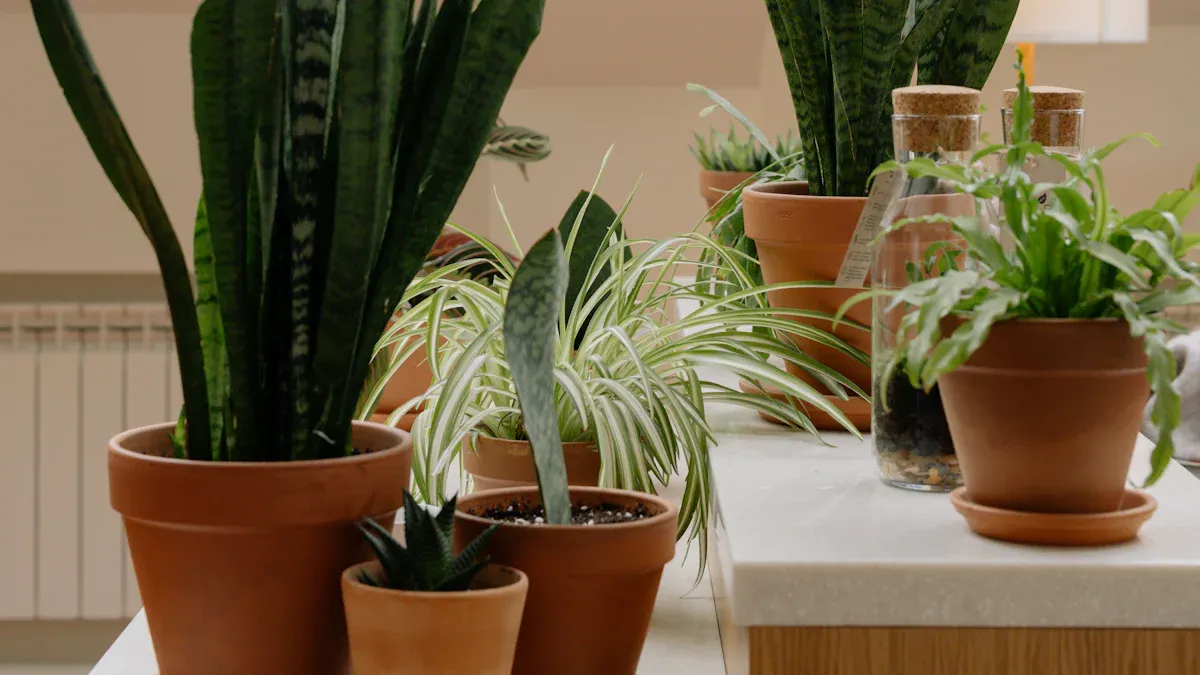
Overview of Dracaena Genus
The Dracaena genus includes about 200–220 different species. You might know some of these plants by other names, but now botanists classify former genera like Pleomele and Sansevieria within Dracaena.
These plants show two main growth types. Some are arborescent, meaning they grow like trees or shrubs. They have strong stems above ground that can reach up to 20 meters. These stems branch out after the plant flowers or if you cut the growth tip. Other dracaena species are rhizomatous. These have underground rhizomes and leaves that grow on the surface. Their leaves can be straplike or cylindrical.
A special feature of the tree-like dracaena is “Dracaenoid thickening.” This allows their stems to grow wider, which is unusual for plants in their group. The foliage of a dracaena plant is quite diverse. Leaves can be spear-shaped or grass-shaped. They usually grow in a rosette pattern. You will see many leaf colors, including solid green, variegated, or striped patterns. These colors come in shades of green, red, yellow, or white. While indoor dracaena rarely flower, when they do, the flowers are small, fragrant, and either white or yellow. They then produce small, berry-like fruits. Most dracaena thrive in bright, indirect sunlight. While they can tolerate lower light, optimal growth and vibrant foliage often require consistent, indirect sunlight.
Why Dracaena is a Popular Houseplant
Dracaena plants are very popular houseplants for many good reasons. They offer significant benefits beyond just looking good. According to NASA research, dracaena is excellent at cleaning your air. It can remove up to 87% of volatile organic compounds (VOCs) every 24 hours. These include harmful substances like formaldehyde, benzene, trichloroethylene, and carbon dioxide. This greatly improves your indoor air quality.
Being around dracaena plants can also boost your well-being. Studies show that plants in an office can lower stress and blood pressure. This helps you focus better on tasks. Researchers at the University of Michigan found that indoor plants can improve your attention span and memory. Science also indicates that plants can increase your creativity levels, which improves job performance.
A study at Texas A&M University showed that dracaena plants can even improve problem-solving skills. Men generated more ideas in rooms with plants. Dracaena plants also release moisture into the air, increasing humidity. This can decrease incidences of colds, dry skin, dry coughs, and sore throats. Even in offices, you can place them where they receive some filtered sunlight. Avoid direct, harsh sunlight, which can scorch their leaves.
Top 13 Types of Dracaena

You will find many types of dracaena, each with its own unique charm. These dracaena plants offer diverse appearances, making them perfect for any indoor space. Here are 13 popular types of dracaena you can grow.
Dracaena Fragrans (Corn Plant)
The Dracaena fragrans, often called the Corn Plant, is a classic houseplant. Its broad, glossy leaves resemble corn stalks. This dracaena plant features thick, woody canes. These canes can grow quite tall in nature, but they stay more compact as a houseplant. Its lance-shaped leaves are glossy green and can reach up to 2 feet long.
They arch gracefully from the main stem, forming a plume at the top. You might notice a lighter, lime-green stripe running down the center of the leaves. While rare indoors, this dracaena can produce small, fragrant white flowers in clusters. After flowering, orange-red berries may appear. This plant can grow up to 10 feet tall under ideal conditions, providing lush foliage despite its slow growth.
You can find several varieties of Dracaena fragrans:
‘Massangeana’: This variety has a prominent bright yellow stripe down the center of its leaves.
‘Lindenii’: You will see white stripes along the outer edges of its leaves.
‘Victoria’: Similar to ‘Lindenii’, this type has much broader white stripes on its leaves.
‘Compacta’: This variety has shorter, darker leaves and a dense growth habit.
Dracaena Marginata (Dragon Tree)
The Dracaena marginata, or Dragon Tree, offers a striking, architectural look. It has slender, cane-like trunks that support arching leaves. Its leaves are long, slender, and come in shades of green, red, and purple. Each leaf has subtle red margins.
This dracaena species has an upright form with narrow, arching leaves edged in deep red or burgundy. You will see tufts of glossy, deep green, sword-shaped leaves, up to 24 inches long, with vibrant red or purple margins. These leaves arch gracefully from the central stem. As the plant ages, it sheds its lower leaves. This leaves unique diamond-shaped scars on the stems.
Dracaena Deremensis ‘Janet Craig’
The ‘Janet Craig’ is a very common houseplant. It is known for its rich, dark green, and shiny leaves. This dracaena has gently arching, deep, and dark green leaves. Broad leaves emerge from a robust central stalk. These leaves can extend a couple of feet in length. Over time, this dracaena develops a stately, tree-like appearance with a refined silhouette.
Dracaena Deremensis ‘Lemon Lime’
The ‘Lemon Lime’ dracaena brings a burst of color to your home. It features striking, bright green and yellow-striped leaves. This bold foliage grows upright. You will see lush, vine-like stems with large, lemon and lime-hued leaves.
Dracaena Reflexa (Song of India)
The Dracaena reflexa, known as the Song of India, has a graceful form. It features long, lanceolate leaves. You will notice a conspicuous blend of dark green and vibrant chartreuse stripes on its leaves. Slender, arching leaves often spiral around woody stems. This creates a dense, bushy silhouette. This dracaena has unique variegation with deep green centers bordered by creamy yellow leaf margins.
Some popular cultivars include:
‘angustifolia’: This type has slender, delicate leaves.
‘Song of Jamaica’: This cultivar features strappy lime and dark green variegated leaves. Its stems tend to bend and curve.
The Song of India has a tiered growth habit and a rhythmic arrangement of leaves. It forms whorled clusters of lance-shaped leaves, boldly striped in green and creamy yellow. This creates a layered, almost sculptural effect. Its branching stems and dense leaf patterns give it the appearance of a small, decorative tree.
Dracaena Surculosa (Gold Dust Dracaena)
The Dracaena surculosa, or Gold Dust Dracaena, has captivating foliage. Its leaves are a mix of deep green and vibrant yellow spots. This creates a striking contrast. The leaves grow densely, covering the length of the stem. This gives the plant a bushy, vibrant presence. You will see long, sword-shaped leaves that are glossy and linear. These leaves grow in a rosette form from a central stem. They are characterized by striking green coloration with creamy-white to yellow stripes running along the edges and sometimes through the center. This variegated foliage adds visual interest to any room.
Dracaena Draco (Dragon Blood Tree)
The Dracaena draco, or Dragon Blood Tree, is a majestic dracaena species. It grows into a large, tree-like form with a thick trunk. It develops an umbrella-shaped crown of blue-green, sword-shaped leaves. When you cut its bark, it releases a reddish sap. This sap resembles blood, giving the tree its dramatic name.
Dracaena Godseffiana (Spotted Dracaena)
The Dracaena godseffiana, also known as the Spotted Dracaena, has bright green leaves. These leaves are spotted with yellow speckles. This gives it a unique, speckled appearance.
Consider these cultivars:
‘Florida Beauty’: This cultivar has densely spotted green leaves with creamy yellow markings.
‘Milky Way’: This type features broad green leaves with a long white center band.
Dracaena Trifasciata (Snake Plant)
The Dracaena trifasciata, commonly called the Snake Plant, has a striking sculptural beauty. Its sword-like leaves are tall, stiff, and sword-like. These leaves are typically green. They can also be banded or mottled with colors such as yellow, white, or gray.
Here are some popular varieties:
Variety | Leaf Characteristics |
|---|---|
Common Snake Plant | Slender, green leaves with grey or silver horizontal streaks |
Laurentii | Green-colored center with yellow margins |
Dracaena trifasciata “Twist” | Twisting variegated gold and green leaves |
Dracaena trifasciata “Bantel’s Sensation” | Dark green leaves with white vertical stripes |
Dracaena Braunii (Lucky Bamboo)
The Dracaena braunii, widely known as Lucky Bamboo, is a popular houseplant. Despite its name, it is not a true bamboo. You often see its bright green stems trained into spirals, braids, or other decorative shapes. Small leaves sprout from the nodes along its stems. This dracaena is often associated with good fortune and feng shui.
Dracaena Fragrans ‘Massangeana’
The ‘Massangeana’ is a specific variety of Dracaena fragrans. It features a distinctive corn-yellow stripe running through the center of each leaf. This yellow stripe tends to be thinner and less distinctive compared to the ‘Victoria’ cultivar. Its leaves are generally narrower and longer.
Dracaena Fragrans ‘Warneckii’
The ‘Warneckii’ is another popular variety of Dracaena fragrans. It has green leaves with prominent white or gray-green stripes along the edges. This gives it a clean, crisp look.
Dracaena Fragrans ‘Limelight’
The ‘Limelight’ dracaena stands out with its vibrant, neon-green foliage. You will notice its bright chartreuse leaves. These glossy, sword-shaped leaves give the plant a luminous quality. This dracaena glows in contrast to deeper green plants, making it a focal point in any room.
How to Grow Dracaena
Dracaena plants require minimal care, and they are slow-growing. You can easily grow these beautiful plants in your home. Providing the right conditions helps your dracaena thrive.
Potting and Soil for Dracaena
You need the right potting mix for your dracaena. This mix should mimic their natural environment. It needs to be well-draining and nutrient-rich. Aim for a slightly acidic to neutral pH (6.0 to 7.0). Here is how you can create the ideal potting mix:
Base Material: Use 40-50% peat moss or coco coir. This provides excellent water retention and aeration.
Nutrient Addition: Add 20-30% high-quality, well-aged compost. This gives your dracaena essential nutrients.
Drainage Component: Include 20-30% perlite or vermiculite. This improves soil aeration and prevents waterlogging.
pH Adjustment: Use 1-2 tablespoons of ground limestone per gallon of mix. Adjust this as needed to reach the preferred pH.
Supplemental Nutrients: Consider adding slow-release fertilizer or organic amendments. Mix all ingredients thoroughly until moist.
Dracaena Light Needs
Most dracaena varieties thrive in bright indirect sunlight. This light helps their foliage stay vibrant. They can also tolerate low light conditions. This makes them adaptable for offices and interior rooms. Avoid direct, harsh sunlight, as it can scorch the leaves of your dracaena. Consistent, bright indirect sunlight promotes the best growth.
Watering Your Dracaena
Water your dracaena when the top inch of soil feels dry. Well-draining pots are important to avoid soggy soil and root rot. Dracaena plants require less water than many tropical plants. You should adjust your watering frequency based on environmental factors.
Environmental Factor | Watering Frequency Impact |
|---|---|
Seasonal Shifts | More water in spring/summer, less in fall/winter |
Sunlight | More water with more sunlight, less with less sunlight |
Humidity | Less frequent watering with higher humidity |
Temperature | More water in hotter environments |
You can water once a week or every other week. Wait until the top 75% of the soil is dry. Water thoroughly to moisten the soil. Avoid making it soggy. Light misting between waterings can also be beneficial.
Temperature and Humidity
Dracaena plants prefer warm temperatures. The ideal temperature for dracaena health is between 65°F and 80°F (18°C to 27°C). They thrive in stable conditions within this range. Temperatures below 50°F or above 85°F can cause leaf damage. You can mist the leaves for beneficial humidity, especially in dry environments.
Fertilizing Dracaena
Fertilize your dracaena to help it grow. Use a mild, balanced houseplant fertilizer. An NPK ratio of roughly even percentages at or below five (e.g., 2-2-2, 5-5-5, or 1-1-1) works well. Liquid fertilizers are often preferred.
Indoor Dracaena (typical indirect/low light): Fertilize once a month during the growing season (spring and summer).
Indoor Dracaena (sunny area or outdoors part of year): Fertilize four times a year. Do this once in early spring, late spring, summer, and early fall.
Outdoor Dracaena: Fertilize every two months during the growing season with a mild fertilizer. Alternatively, use a slow-release fertilizer once in mid-spring.
Best Dracaena Care Tips
You can keep your dracaena plant looking its best with proper care and maintenance. These tips will help you ensure your dracaena thrives for years.
Pruning for Shape and Health
Pruning your dracaena helps it maintain a good shape and promotes healthier growth. You should trim leggy dracaena canes above nodes. This encourages new growth and a fuller appearance. Propagation is best done in the spring when the plant is actively growing.
When you prune, you can remove brown, yellow, or dying leaves. You can do this by hand, tearing them lengthwise from a crosscut down to the stem. Then, tug firmly. Alternatively, use clean, sharp scissors or garden shears to remove leaves close to the stem. Peel off any remaining tab after it dries. For brown or dead tips, unruly growth, or to create a uniform appearance, trim leaf tips with clean, sharp scissors at an angle.
Remove small 1-2 inch sections. Step back to assess the shape between cuts. For stemless varieties like snake plants, remove dead or damaged leaves at the base. You can also thin them with clean, sharp scissors, cutting horizontally at the soil line. To reduce height, trim leaf tops at an angle.
To reduce height or manage lanky plants, perform a careful topping. This promotes upright growth and often leads to branching below the cut for a fuller appearance. For a compact, bushy shape, cut the stem low, leaving about a quarter of its original length.
For a taller profile, cut at any desired height, removing between one-quarter and three-quarters of the total stem length. Use clean, sharp garden snips to cut stems at a 45-degree angle. This reduces the risk of infection or infestation. Remove straggly side stems by cutting them as close to the base as possible. Use a clean boxcutter if necessary to prevent regrowth.
The ideal time to prune your dracaena is during its active growing season, which is spring and summer. This allows for quick establishment of new growth. Always use clean, sharp scissors, garden shears, or snips to make precise cuts and minimize damage. Step back frequently to assess the overall shape and aesthetic while pruning, especially when trimming leaves or thinning. Outdoor dracaena plants can be pruned similarly to indoor plants.
For large specimens, you may need a clean, sharp saw for thick trunks. If cold damage occurs, cut stems back close to the ground in early spring. The roots often survive, and new growth may emerge. Remember that consistent sunlight helps your dracaena recover quickly after pruning.
Pest and Disease Control
Dracaena plants are generally tough and adaptable. They rarely experience significant pest or disease problems. However, “rarely” does not mean “never” when it comes to pest issues. You should still inspect your dracaena regularly as part of your plant care routine.
Mealybugs are a common pest for dracaena. These appear as white, fuzzy areas or cotton-like globs on stems and branches. They feed by piercing plant tissue and extracting sap. This leaves behind a sticky substance called honeydew. If you spot mealybugs, you can wipe them off with a cotton swab dipped in rubbing alcohol. For larger infestations, use an insecticidal soap. Ensure your dracaena receives adequate sunlight to help it resist pests. Good air circulation also helps prevent fungal issues.
Repotting Guidelines
You should repot your dracaena when it becomes root-bound or when the soil quality declines. Spring, summer, and early fall are generally good times for repotting dracaena. If you live in a climate with early winters, spring and summer are the best times. Avoid repotting in winter if possible, as plants typically rest during this period.
When you choose a new pot, select one that is 1-2 inches larger in diameter than the current one. For larger dracaena, consider a pot 2-4 inches wider. The most crucial factor is the root ball. The new pot should be only 1-2 inches larger than the root ball to prevent root rot. Ensure the new pot has adequate drainage holes to prevent waterlogging. This helps your dracaena grow well.
Common Dracaena Problems
Even with the best dracaena care guide, you might encounter some common problems. Knowing the signs helps you address them quickly.
Overwatering: This is a frequent issue. Signs include drooping leaves, soft brown leaves, and a soft-looking trunk. The soil may smell moldy and stay consistently wet. Overwatering can lead to root rot if roots suffocate in soggy conditions. Always check the soil moisture before watering. Ensure your dracaena has good drainage.
Nutrient Deficiency: A lack of essential nutrients can cause dracaena stems to weaken. This leads to the plant’s leaves drooping. Insufficient nutrient intake can also show as yellow or brown discoloration of the foliage. Regular fertilization during the growing season helps prevent this.
Light Stress: Your dracaena needs the right amount of sunlight. Too little sunlight can cause slowed growth because the plant cannot perform photosynthesis effectively. Too much direct sunlight can lead to sunburned leaves. This also hinders growth. Find a spot where your dracaena receives bright, indirect sunlight for optimal health and vibrant foliage. Adjust its position if you notice signs of stress. Consistent maintenance of light conditions is key.
You have explored the diverse world of dracaena. You learned how to grow dracaena and provide essential care. These beautiful dracaena plants offer striking looks and clean your air. They are easy to grow, making them perfect for any home. Choose a dracaena that fits your style. You will enjoy nurturing these rewarding plants.