

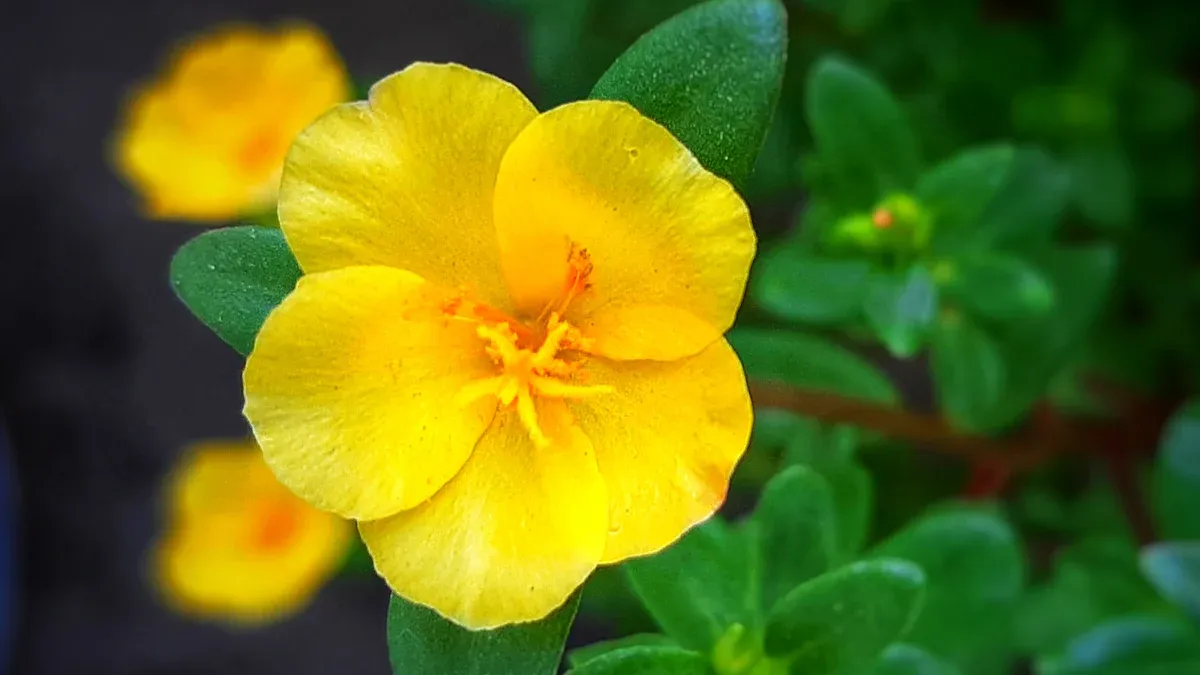
Purslane holds great significance in both gardening and culinary worlds. This versatile plant offers a unique flavor and numerous health benefits. By understanding the different types of purslane, you can easily identify and utilize them in your kitchen. Many cultures enjoy purslane in various dishes. For instance, you might find it raw in salads or cooked in stir-fries and soups. Its lemony taste resembles that of cucumber or green beans, making it a delightful addition to your meals.
Key Takeaways
Purslane is a versatile plant that can be enjoyed in salads, soups, and stews, adding unique flavor and texture to meals.
Common purslane is drought-resistant and rich in vitamins A and E, making it a nutritious addition to your diet.
Moss rose features bright, showy flowers and is excellent for ground cover, thriving in poor soil and attracting pollinators.
All parts of slender pigweed are edible, offering a nutritious option for salads or cooked dishes.
Purslane has numerous health benefits, including supporting heart health and managing blood sugar levels.
Different Types of Purslane

Common Purslane
Common purslane, scientifically known as Portulaca oleracea, is one of the most recognized types of purslane. You can identify it by its succulent leaves and stems. These features help the plant retain water, making it drought-resistant. Here are some key characteristics:
Succulent Leaves and Stems: The fleshy structure allows the plant to thrive in dry conditions.
Stem Structure: It has smooth, reddish stems that grow prostrate, forming a dense mat.
Leaf Shape and Arrangement: The leaves are oval-shaped, smooth, and arranged alternately along the stems.
Flower Characteristics: Common purslane produces small yellow flowers that open briefly in the morning.
Seed Pods: The plant has small seed capsules that release numerous tiny seeds.
In culinary contexts, common purslane is versatile. You can incorporate it into salads, soups, and stews. It enhances texture and acts as a natural thickener. In Greek cuisine, you might find it fried with olive oil and combined with feta, tomato, and herbs. Medicinally, it is rich in vitamins A and E, promoting health and improving soil quality by absorbing minerals.
Use Type | Description |
|---|---|
Culinary | Incorporated into salads, soups, stews, and sauces; enhances texture as a natural thickener. |
Culinary | Popular in Greek cuisine, often fried with olive oil and combined with feta, tomato, and herbs. |
Culinary | Cooked with garlic and pork for a nutritious dish. |
Medicinal | Rich in vitamins A and E, surpassing levels found in common vegetables, promoting human health. |
Medicinal | Acts as a bioaccumulator, improving soil quality by absorbing minerals. |
Medicinal | Enhances resilience and productivity of companion plants like tomatoes in saline conditions. |
Moss Rose
Moss rose, or Portulaca grandiflora, is another popular type of purslane. You will recognize it by its showy flowers and succulent leaves. Here are some unique features:
Feature | Description |
|---|---|
Flower Shape | Saucer-shaped, rose-like flowers that open from buds resembling popcorn kernels. |
Flower Color Range | Flowers can vary in color and are typically bright and showy. |
Growth Habit | Prostrate to slightly ascending stems, making it suitable for ground cover and edging. |
Leaf Structure | Fleshy, succulent leaves that are oblong to cylindrical with pointed tips, arranged alternately. |
Sunlight Requirement | Flowers are only open in bright sunlight, closing at night and on cloudy days. |
Drought Tolerance | Moss rose is drought and heat tolerant, thriving in hot, dry conditions. |
In gardening, moss rose serves multiple purposes. You can use it as a bedding plant or in containers. It thrives in poor soil where other plants struggle. Additionally, it attracts pollinators, enhancing fruit set in nearby vegetable plants. With cheerful flowers in various hues, it provides continuous blooms from summer to frost.
Slender Pigweed
Slender pigweed, known scientifically as Portulaca oleracea var. slender, is another edible type of purslane. All parts of this plant are edible. You can use young plants and growing tips as nutritious vegetables, boiled like spinach or eaten raw in salads. The seeds are also highly nutritious and can be consumed in various forms, including raw or ground into flour. Historically, indigenous cultures utilized pigweed extensively for its greens and seeds, attaching cultural significance to its use.
Buttercup Pigweed
Buttercup pigweed, or Portulaca oleracea var. buttercup, is less common but still noteworthy. This variety features a similar appearance to common purslane but has distinct characteristics. Its leaves are broader and more rounded, giving it a unique look. You can find buttercup pigweed in gardens and wild areas, often thriving in disturbed soils. While it may not be as widely used in culinary applications, it still holds potential for those interested in foraging.
Characteristics of Purslane

Growth Habits
Purslane exhibits fascinating growth habits that make it a resilient plant. You will notice that it has a rapid growth rate, typically ready for harvest in 6 to 8 weeks after planting. This plant grows in a prostrate manner, allowing it to cover ground quickly. Here are some key points about its growth:
Purslane is a prolific seed producer. Its seeds can remain viable in the soil for years.
It thrives in poor soil and drought conditions, making it highly adaptable.
The plant can spread through fragmentation. Broken stem pieces can root and grow into new plants.
Physical Descriptions
Purslane species differ in their physical characteristics. Below is a comparison of common purslane and other Portulaca species:
Characteristic | Common Purslane | Other Portulaca Species |
|---|---|---|
Leaf Shape | Spatula-shaped | Lobed, heart-shaped, or triangular |
Leaf Arrangement | Opposite | Spirally or in whorls |
Stem Features | Fleshy, hairless | Thinner, hairy |
Leaf Edges | Smooth | Serrated |
You can easily identify common purslane by its succulent leaves and smooth, reddish stems. Other species may have different leaf shapes and arrangements, which can help you distinguish them in your garden.
Nutritional Value
Purslane is not only tasty but also packed with nutrients. Here are some nutritional highlights:
One cup (43 grams) of raw purslane contains approximately 7 to 10 calories.
It provides 1.5 grams of carbohydrates and 1 gram of protein.
Purslane is notable for its high content of beta carotene, which converts to vitamin A.
Here’s a detailed look at the nutritional profile of purslane:
Nutrient | Amount per 100g |
|---|---|
Water | 92.9 g |
Energy | 20 kcal |
Protein | 2.03 g |
Total lipid (fat) | 0.36 g |
Carbohydrates | 3.39 g |
Sodium | 45 mg |
Calcium | 65 mg |
Iron | 1.99 mg |
Magnesium | 68 mg |
Potassium | 494 mg |
Vitamin A | 1320 IU |
Vitamin C | 21 mg |
Purslane stands out for its high levels of omega-3 fatty acids, particularly alpha-linolenic acid (ALA). It also serves as a good source of vitamins A and C, along with essential minerals like magnesium and potassium. Incorporating purslane into your diet can boost your overall health while adding a unique flavor to your meals.
Culinary Uses of Purslane
Purslane is a versatile plant that you can use in various culinary applications. Its unique flavor and nutritional benefits make it a favorite in many kitchens.
Traditional Dishes
In Mediterranean cuisine, purslane plays a significant role. You can find it in numerous traditional dishes. Here are some popular examples:
Dish Type | Examples |
|---|---|
Salads | Greek salad, Purslane salad with peaches, Purslane salad with chickpeas, Fattouche salad |
Soups | Portuguese purslane soup, Cucumber and purslane soup |
Cooked Dishes | Moroccan-style cooked salad, Purslane spanakopita, Purslane borek |
These dishes highlight purslane’s ability to enhance flavors while providing essential nutrients. You can enjoy purslane raw in salads or cooked in soups and stews. Its tangy taste adds a refreshing twist to any meal.
Modern Recipes
In modern cooking, purslane fits well into vegan and health-focused diets. You can easily incorporate it into your meals. Here are some ideas:
Include purslane in soups.
Chop purslane and add it to salads for color.
Sauté purslane as a side dish.
Grill vegetables with purslane added.
Use purslane as a garnish.
Adorn fish with purslane flowers.
Purslane is an edible plant that you can eat raw or cooked. Its mildly salty flavor makes it an ideal addition to salads and other dishes. You can prepare a simple salad by following these steps:
Cut off the roots and break the purslane into pieces.
Peel and slice a cucumber finely.
Arrange the purslane on a plate and top with cucumber slices.
Spoon soya yogurt over the salad and sprinkle with dill.
Drizzle with extra virgin olive oil and season with sea salt before serving.
Including purslane in your meals not only enhances flavor but also boosts nutritional value. Purslane is rich in omega-3 fatty acids, which support heart health. Its nutrient-dense profile makes it a valuable addition to your diet.
Medicinal Uses of Purslane
Traditional Remedies
You can find purslane used in various traditional remedies across cultures. People have relied on this plant for its healing properties for centuries. Here are some common ailments that purslane can help treat:
Vermifuge: Helps expel worms from the body.
Antiseptic: Aids in preventing infections.
Febrifuge: Reduces fever.
Headache: Provides relief from headaches.
Cough: Soothes coughs.
Burns: Assists in healing burns.
Arthritis: Eases joint pain.
Shortness of breath: Alleviates respiratory issues.
Intestine disorders: Supports digestive health.
Stomach disorders: Relieves stomach discomfort.
Liver disorders: Promotes liver health.
Cardiovascular diseases: Supports heart health.
Kidney diseases: Aids kidney function.
Diabetes: Helps manage blood sugar levels.
Ulcers: Assists in healing ulcers.
Urinary infections: Fights urinary tract infections.
Diarrhea: Provides relief from diarrhea.
Insect bites: Reduces irritation from bites.
Snake bites: Offers treatment for snake bites.
Health Benefits
Research supports the health benefits of the purslane plant. Studies show that it can significantly improve your well-being. For instance, a systematic review indicated that purslane can lower fasting blood sugar and triglyceride levels in people with metabolic syndrome. This review also noted that purslane does not significantly affect total cholesterol and HDL levels.
Additionally, a meta-analysis of sixteen randomized controlled trials (RCTs) revealed that purslane positively impacts glycemic parameters and oxidative stress markers. You can benefit from its anti-inflammatory, antioxidant, and neuroprotective properties. Purslane is rich in omega-3 fatty acids, carotene, and flavonoids, which contribute to its health-promoting effects.
Incorporating purslane into your diet can help improve glycemic control and reduce oxidative stress. Some studies suggest that its effects on blood sugar levels are comparable to those of metformin, a common diabetes medication. With its numerous medicinal uses, purslane stands out as a valuable addition to your health regimen.
How to Identify Purslane
Identifying purslane can be straightforward if you know what to look for. Here are some key identification features that will help you distinguish purslane from other plants.
Key Identification Features
Feature | Description |
|---|---|
Flower Blooms | Purslane has small yellow flowers that open only in the morning. |
Leaf Characteristics | Look for succulent, fleshy, paddle-shaped leaves with smooth surfaces and edges. |
Milky Sap | Unlike some look-alikes, purslane does not exude a toxic milky sap when the stem is broken. |
Stem Characteristics | Purslane features smooth stems, while hairy stemmed spurge has hairy stems. |
Leaf Size | Purslane leaves are larger and more succulent compared to spurge leaves. |
When you are out in the garden or foraging, remember these features. They will help you recognize purslane easily.
Common Look-Alikes
Several plants can be mistaken for purslane. Familiarizing yourself with these purslane look-alikes is crucial for safe identification. Here are some common ones:
Portulaca quadrifida
Portulaca umbraticola
Portulaca amilis
Portulaca grandiflora
Portulaca lutea
Prostrate Spurge (Euphorbia prostrata) – noted for its toxicity.
Misidentifying purslane can lead to serious health risks. Here are some potential dangers:
Accidental ingestion of poisonous plants can result in severe health consequences.
Education on distinguishing features of purslane and its look-alikes is crucial for safety during outdoor activities.
Familiarizing yourself with the characteristics of these plants can significantly reduce the risk of harmful exposure.
To ensure accurate identification of purslane species, follow these best practices:
Always consult a good field guide before picking any wild food.
Ensure the area where you forage has not been treated with chemicals.
By keeping these tips in mind, you can confidently identify purslane and enjoy its benefits safely.
Recognizing the different types of purslane plants is essential for maximizing their benefits. You can enjoy purslane in various ways, from fresh salads to hearty soups. Here are some reasons to consider adding purslane to your garden and kitchen:
Purslane thrives in poor soil and drought conditions, making it easy to grow.
All parts of the plant are edible, offering a unique flavor and numerous health benefits.
It is rich in omega-3 fatty acids, vitamins, and minerals, promoting overall health.
Explore the versatility of purslane. You will find it a valuable addition to your meals and a resilient plant in your garden. 🌱
FAQ
What is purslane used for in cooking?
Purslane adds a unique flavor to salads, soups, and stews. You can enjoy it raw or cooked. Its tangy taste enhances dishes while providing essential nutrients.
Is purslane safe to eat?
Yes, purslane is safe to eat. Ensure you identify it correctly to avoid look-alikes. Always wash it thoroughly before consumption to remove any dirt or pesticides.
How do I grow purslane in my garden?
You can grow purslane easily in well-drained soil. Plant seeds in full sun and water sparingly. It thrives in poor soil and requires minimal care.
Can I eat purslane raw?
Absolutely! You can enjoy purslane raw in salads or as a garnish. Its crunchy texture and slightly tangy flavor make it a delightful addition to fresh dishes.
What are the health benefits of purslane?
Purslane is rich in omega-3 fatty acids, vitamins A and C, and essential minerals. It supports heart health, boosts immunity, and may help manage blood sugar levels.