
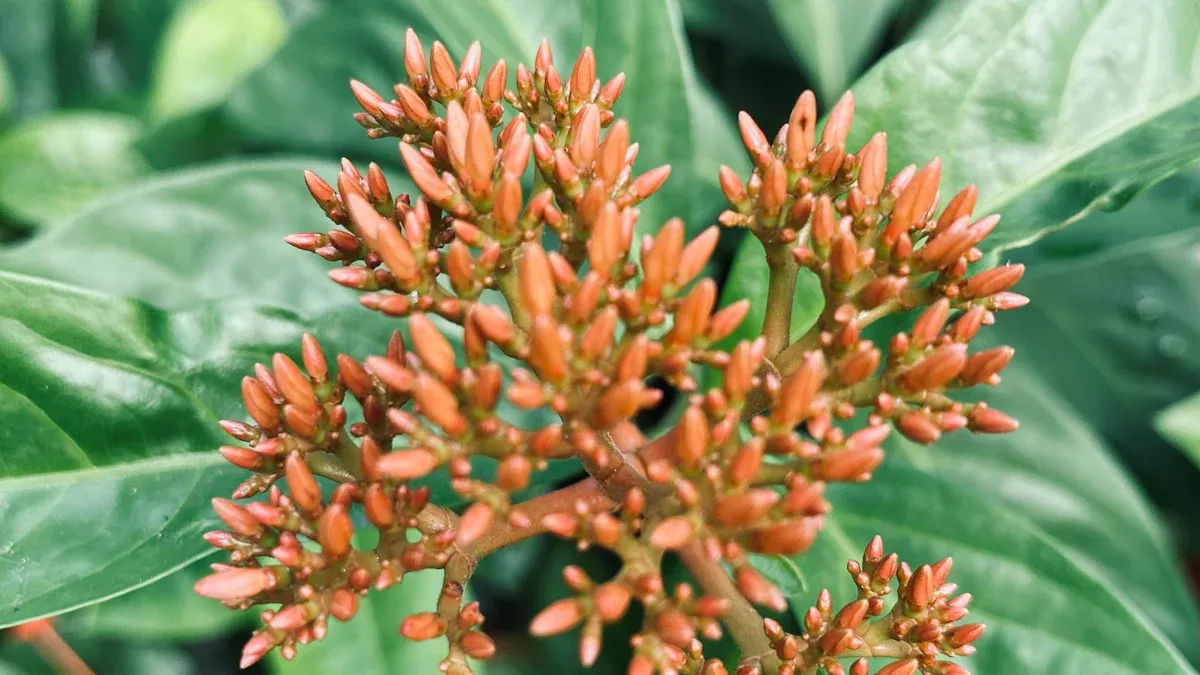
Ixora plants bring vibrant colors and charm to any garden. Known for their stunning clusters of flowers, these plants thrive in warm climates and attract many gardeners. Their popularity comes from their ability to bloom year-round, especially the Dwarf Ixora, which showcases star-shaped flowers. When choosing the right variety for your garden, consider factors like sunlight, soil type, and your personal style. Picking the perfect Ixora can enhance your landscape and create a beautiful outdoor space.
“Ixora stands out as one of the most popular shrubs, celebrated for its dazzling and vivid clusters of flowers.”
Key Takeaways
Ixora plants thrive in warm climates and bloom year-round, making them a vibrant addition to any garden.
Choose the right variety based on your garden’s sunlight, soil type, and your personal style to enhance your outdoor space.
Dwarf varieties like Ixora ‘Dwarf Red’ are perfect for small spaces, while standard varieties can create lush hedges.
Regular watering and well-drained, acidic soil are essential for healthy Ixora growth and vibrant blooms.
Ixora plants attract pollinators like butterflies, adding beauty and life to your garden while supporting local biodiversity.
Overview of Ixora Plants
General Characteristics
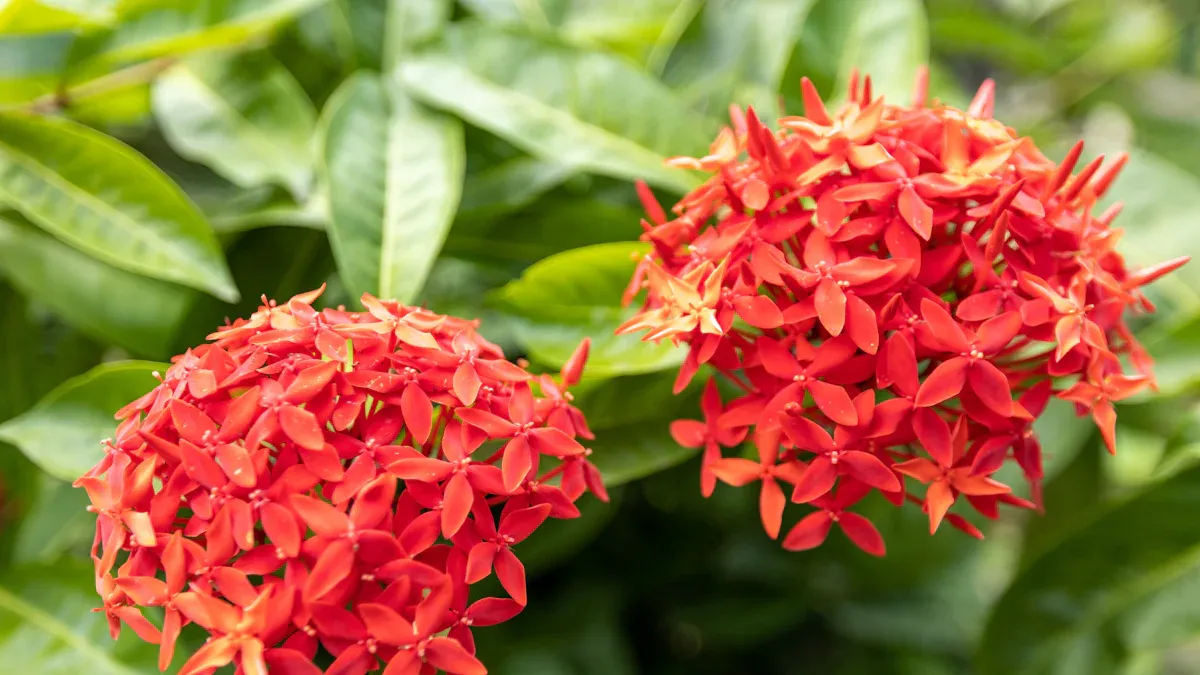
Ixora plants are truly remarkable! These evergreen shrubs are known for their bushy and rounded forms, making them a popular choice for many gardens. Here are some defining features of Ixora plants:
Growth Habit: They typically grow as woody shrubs, reaching heights of 10 to 15 feet and widths of 4 to 10 feet. You can also find smaller varieties that fit perfectly in compact spaces.
Leaves: The leaves are glossy and dark green, measuring about 4 inches long. When young, they have a lovely bronze hue that adds to their charm.
Flowers: Ixora plants bloom year-round, showcasing clusters of four-petaled flowers. You can find them in vibrant colors like red, orange, yellow, pink, and even white. The flowers usually appear in summer, forming beautiful cymes that can be up to 5 inches wide.
These characteristics make Ixora plants not only visually appealing but also versatile in various garden settings.
Common Uses
Ixora plants serve many purposes in landscaping. Here are some popular ways to incorporate them into your garden:
Garden Borders: Use Ixora to create colorful edges along garden beds or pathways. They define spaces beautifully and add a pop of color.
Foundation Plantings: Plant them near the entrance of your home to enhance curb appeal. Their vibrant flowers can welcome guests and create a warm atmosphere.
Hedges and Privacy Screens: Thanks to their dense growth, Ixora plants make excellent hedges. They provide year-round coverage and can act as natural privacy screens.
Container Gardening: If you’re short on space, consider growing Ixora in pots or containers. They thrive in limited areas and can brighten up patios or balconies.
Mixed Beds: Combine Ixora with other flowering plants for a cohesive look. Their colorful blooms can complement various garden themes, especially tropical ones.
With their stunning appearance and adaptability, Ixora plants can elevate the beauty of any garden.
Types of Ixora Plants
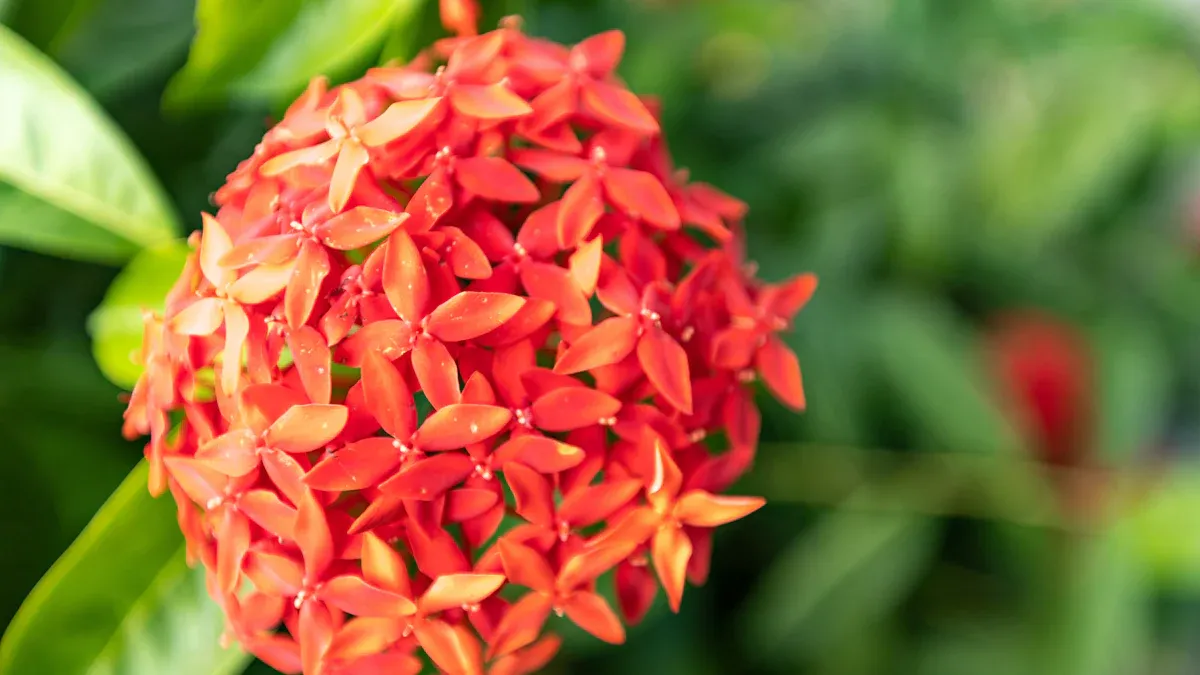
Ixora coccinea
Ixora coccinea, often called the flame of the woods, is a standout variety. You’ll love its vibrant scarlet or orange-scarlet flowers that bloom in clusters. This plant typically grows to about 4 feet tall, making it a great choice for borders or as a focal point in your garden. Here are some key features:
Growth Habit: Ixora coccinea is a much-branching shrub. It can reach a maximum height of about 1.2 meters (4 feet) over five years.
Leaves: The leaves are leathery and shiny, measuring up to 10 cm (4 inches) long.
Flowering Period: You can expect blooms primarily in summer, with occasional flowers in autumn.
Characteristic | Ixora coccinea | Ixora chinensis |
|---|---|---|
Flower Color | Scarlet or orange-scarlet | Smaller flowers |
Corolla Lobes | Acute to acuminate | Obtuse lobes |
Leaf Texture | Glabrous | Pubescent beneath |
Inflorescence Branches | Glabrous | Not specified |
Ixora chinensis
Next up is Ixora chinensis, which is known for its adaptability and vibrant flowers. You can find this variety in shades of red, orange, yellow, and pink, making it perfect for various garden designs. Here’s what you should know:
Growth Size: Ixora chinensis typically grows to about 3 to 5 feet tall. It thrives in different conditions, making it suitable for various environments.
Flowering Period: This variety has a heavy flowering period during warm months, with intermittent blooms in cooler weather.
You’ll appreciate how easy it is to care for Ixora chinensis. It can fit into any garden style, whether you want a colorful hedge or a mixed flower bed.
Ixora ‘Nora Grant’
Ixora ‘Nora Grant’ is a favorite among gardeners for its stunning hot pink flowers that bloom year-round. Here are some attributes that make it popular:
Attribute | Description |
|---|---|
Vibrant Flowers | Known for its colorful hot pink flowers that bloom throughout the year. |
Versatility | Suitable for various garden settings, including hedges, borders, and pots. |
Durability | Requires minimal care and is tolerant of moderate salt levels, ideal for seaside gardens. |
Low Maintenance | Thrives in full sun or light shade with little water needed. |
Attracts Wildlife | Draws beneficial insects, butterflies, and hummingbirds, enhancing garden biodiversity. |
Size | Typically grows 3 to 5 feet tall, with dwarf varieties available for smaller spaces. |
Hardiness | Has a hardiness rating of 9B, tolerating temperatures above freezing. |
Pest Resistance | Few pests bother the plant, making it easier to maintain. |
Ixora ‘Dwarf Red’
If you’re looking for a compact option, Ixora ‘Dwarf Red’ is perfect for smaller spaces. This variety grows to about 2 to 3 feet tall and features beautiful orange-red flowers. Here’s what you need to know about its care:
Care Aspect | Details |
|---|---|
Water | Keep ixora consistently moist but not soggy. |
Light | Requires 8 to 10 hours of sunlight daily, avoiding harsh direct rays. |
Soil | Prefers organic, peat-based soil with a pH of 5.5 to 6.5. |
Temperature | Maintain above 60°F; avoid cold drafts. |
Humidity | Thrives in humid environments; daily misting recommended. |
Fertilizer | Use slow-release fertilizer in spring or liquid fertilizer weekly. |
Pruning | Tolerates pruning well; encourages blooming on new growth. |
Ixora ‘Dwarf Red’ is a great choice for container gardening or as a low hedge. Its manageable size and vibrant blooms make it a delightful addition to any garden.
Color Variations in Ixora Plants
Ixora plants are famous for their stunning array of colors. You can find them in a vibrant spectrum that includes:
Bright red
Orange
Yellow
Pink
White
These colors can transform your garden into a lively paradise. Each hue brings its own charm and can significantly influence the overall look of your outdoor space.
Red Varieties
Red Ixora varieties, like Ixora coccinea, are particularly eye-catching. Their bright red flowers create a striking focal point in any garden. You’ll notice how these bold blooms can evoke feelings of warmth and excitement. They stand out beautifully against lush green foliage, making them a favorite for borders and hedges.
Yellow Varieties
Yellow Ixora plants add a cheerful touch to your garden. Their sunny blooms can brighten up even the dullest corners. You might consider planting them alongside darker-colored flowers to create a stunning contrast. This combination enhances the visual appeal and brings a sense of harmony to your garden design.
Orange and Pink Varieties
Orange and pink Ixora varieties, such as Ixora ‘Nora Grant’, offer a delightful mix of colors. These shades can create a tropical vibe, perfect for a relaxed garden atmosphere. You’ll find that mixing these colors with other flowering plants can enhance the overall mood of your space.
Different colors of Ixora flowers provide a vibrant color spectrum that can transform any garden. Selecting the right flower colors enhances harmony and balance in garden design. So, think about how you want your garden to feel and choose your Ixora plants accordingly!
Growth Sizes and Habitats
Dwarf vs. Standard
When choosing between dwarf and standard Ixora plants, you’ll notice some key differences in their growth sizes. Here’s a quick comparison:
Variety Type | Height at Maturity | Growth Rate |
|---|---|---|
Dwarf Ixora | Reaches full height quicker | Typically smaller, suitable for indoor/outdoor planting |
Standard Ixora | Up to 5 feet tall | Can grow larger, often used as hedges or borders |
Dwarf Ixora plants are perfect if you have limited space. They usually reach their full height faster than standard varieties. On the other hand, standard Ixora plants can grow taller and wider, making them ideal for creating lush hedges or borders in your garden.
Suitable Conditions
Both types of Ixora plants thrive in similar conditions, but there are some nuances to keep in mind. Here’s what you should consider for each variety:
Water: Both prefer moist soils, but avoid over-watering to prevent root rot.
Fertilizer: Regular fertilizing with acidic fertilizer is essential. Dwarf varieties can be more susceptible to magnesium deficiencies.
Sunlight: Ixora plants thrive in full sun. While they tolerate some shade, you’ll see fewer blooms in those areas.
Soil: They need acidic soil. Adding mulch helps maintain the pH and moisture levels.
Temperature: Ixora plants are sensitive to cold. Cooler temperatures can cause leaf drop, so keep them warm.
By understanding these growth sizes and suitable conditions, you can choose the right Ixora plants for your garden. Whether you opt for the compact dwarf varieties or the larger standard ones, you’ll enjoy their vibrant blooms and lush foliage.
Planting and Care for Ixora Plants
Sunlight Requirements
When it comes to sunlight, Ixora plants thrive in bright conditions. You’ll want to place them in a spot that gets plenty of light. Here’s what you need to know:
Optimal Light: Ixora plants flourish in warm, tropical climates and require partial to full sunlight. A sunny spot in your garden is recommended for optimal growth.
Direct Sunlight: Aim for at least 6 to 8 hours of direct sunlight each day. This exposure promotes healthy growth and abundant flowering.
By ensuring your Ixora plants get enough sunlight, you’ll encourage vibrant blooms and lush foliage.
Soil Preferences
The right soil is crucial for the health of your Ixora plants. They prefer well-drained, acidic soil. Here are some tips to help you choose the best soil:
Soil Type: Use a mix that includes organic matter, such as peat moss or compost. This helps retain moisture while allowing excess water to drain away.
pH Level: Aim for a soil pH between 5.5 and 6.5. You can test your soil with a simple kit from a garden center.
Drainage: Ensure your planting area has good drainage. Ixora plants do not like to sit in waterlogged soil, which can lead to root rot.
By providing the right soil conditions, you’ll set your Ixora plants up for success.
Watering and Fertilization
Watering and fertilization are key to keeping your Ixora plants healthy and blooming beautifully. Here’s how to manage these aspects:
Watering Needs: Ixora plants thrive in consistently moist soil but should not be waterlogged. Water thoroughly when the top inch of soil is dry, typically once or twice a week. Adjust your watering frequency in winter when growth slows, and increase during the growing season (spring and summer) to support blooming.
Fertilization Schedule: To maximize flower production, use a balanced, slow-release fertilizer (like a 10-10-10 or 20-20-20 ratio) three times a year: March, May, and August. Here’s a quick guide:
Apply one tablespoon of fertilizer for every foot of plant height.
Scatter the fertilizer around the plant to the drip line.
Feed with a complete liquid foliar fertilizer monthly from spring through fall.
During the growing phase, apply high nitrogen and potassium liquid fertilizers weekly, keeping it about 10 inches away from the base.
By following these watering and fertilization tips, you’ll encourage your Ixora plants to produce stunning blooms and maintain their vibrant appearance.
Common Pests and Diseases
Identifying Issues
When you grow Ixora plants, you might encounter some common pests and diseases. Recent horticultural reports show that mealybugs and thrips, especially Thrips parvispinus and Ferrisia virgata, are the most frequent pests. These pests feed on the sap of your plants, causing distress and damage.
You should also watch for signs of diseases. Here are some prevalent issues you might notice:
Notch Disease: This affects the overall health of your plant.
Browning Leaves: This can happen due to environmental stress, underwatering, or overwatering.
Nutrient Deficiencies: A lack of essential nutrients like nitrogen, phosphorus, and potassium can lead to stunted growth and browning leaves.
Pest Infestations: Common pests like aphids, mealybugs, and spider mites can damage leaves and contribute to browning.
Leaf Spots and Root Rot: These diseases can also cause browning of leaves.
Prevention and Treatment
To keep your Ixora plants healthy, you need to take some preventive measures. Here are some effective strategies:
Ensure good air circulation around your plants to prevent fungal diseases.
Avoid wetting the foliage when you water. This helps reduce the risk of diseases.
Apply mulch around the base of your plants to retain moisture and reduce weed competition. Just make sure to keep it away from the plant stems to prevent rot.
Be vigilant about common pests like spider mites and aphids, especially in dry conditions.
If you notice any issues, act quickly. Treat pest infestations with insecticidal soap or neem oil. For diseases, remove affected leaves and improve care practices to promote recovery. By staying proactive, you can enjoy the beauty of your Ixora plants without the worry of pests and diseases!
Choosing the right Ixora variety can truly transform your garden. Here are some key factors to consider:
Factor | Details |
|---|---|
Watering Needs | Water regularly, allowing soil to dry slightly between waterings. |
Light Requirements | Partial to full sunlight for optimal growth and flowering. |
Soil Preferences | Well-drained, acidic soil is preferred for healthy growth. |
By selecting the right type, you enhance your garden’s beauty and support local biodiversity. Ixora plants attract pollinators like butterflies, adding life to your outdoor space. So, explore the vibrant colors and unique varieties available. Enjoy the beauty and charm Ixora brings to your garden! 🌺
FAQ
What is the best time to plant Ixora?
You should plant Ixora during the spring or early summer. This timing allows the plants to establish roots before the colder months arrive.
How often should I water my Ixora plants?
Water your Ixora plants once or twice a week. Ensure the soil stays moist but not soggy to prevent root rot.
Do Ixora plants attract butterflies?
Yes! Ixora plants attract butterflies and hummingbirds with their vibrant flowers. They add beauty and life to your garden.
Can Ixora survive in colder climates?
Ixora plants prefer warm climates. They struggle in temperatures below 60°F, so consider bringing them indoors during cold spells.
How do I prune Ixora plants?
Prune Ixora plants after flowering. Remove dead or damaged branches to encourage new growth and maintain a tidy shape.