
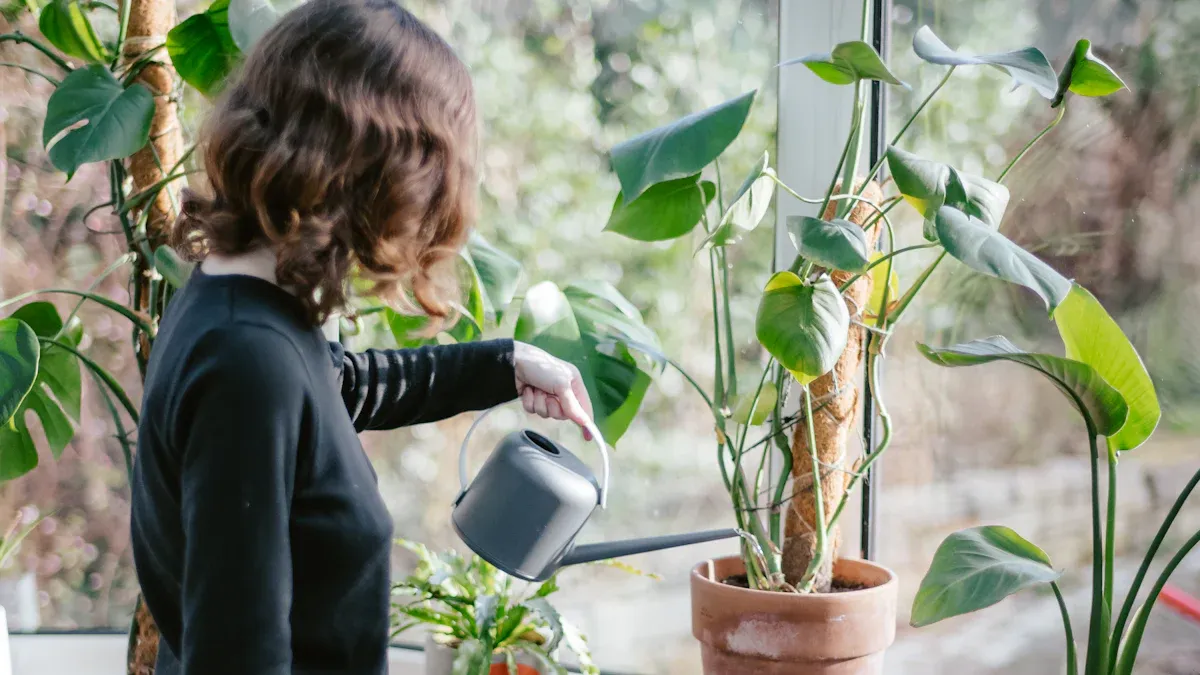
Lice infestations on plants can cause serious damage if you don’t act fast. Quick detection and treatment are crucial to keep your plants healthy. Look for these common signs of infestation: yellowing leaves, sticky residue, or the presence of tiny insects on plant surfaces. If you notice any of these issues, it’s time to detect and treat lice before they spread further!
Key Takeaways
Look for signs of lice infestations, such as yellowing leaves and sticky residue. Early detection can save your plants from serious damage.
Use tools like a magnifying glass or digital microscope to inspect your plants closely. Regular checks help catch infestations before they spread.
Consider natural remedies like neem oil and insecticidal soap for treatment. These options are effective and safer for the environment.
Implement best practices like proper watering and spacing to prevent future infestations. Healthy plants are less likely to attract pests.
Stay proactive by monitoring your plants frequently, especially during warmer months. Quick action can keep your garden thriving and pest-free.
Detect and Treat Lice on Plants
Signs of Infestation
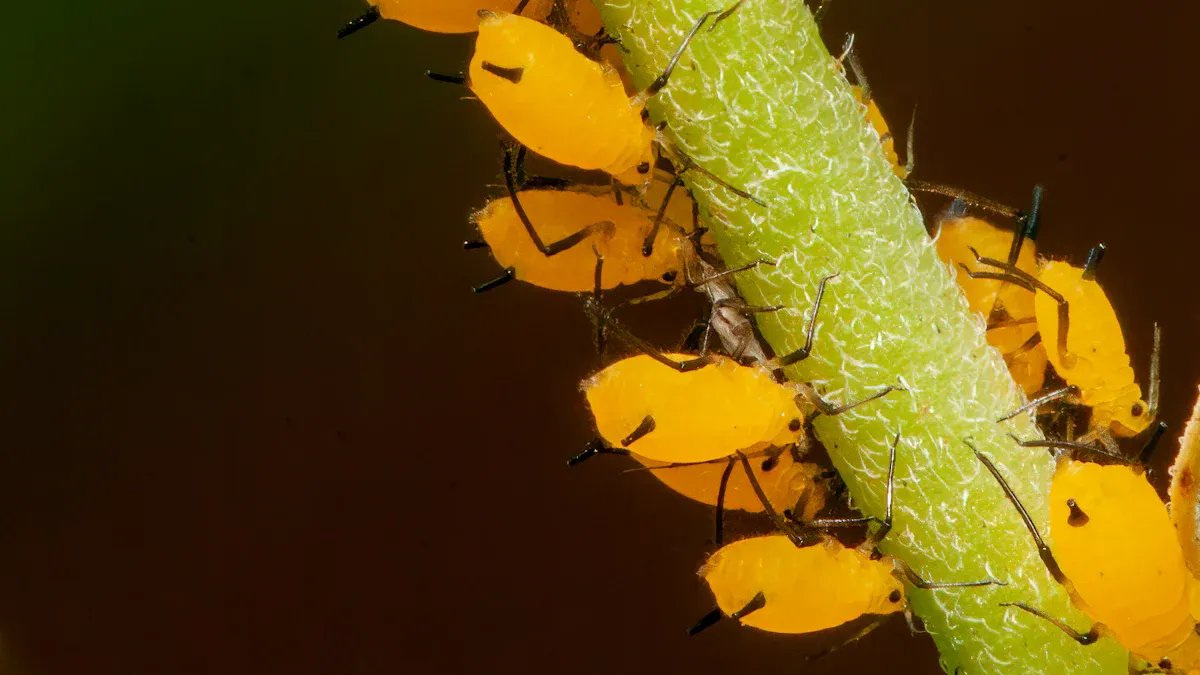
Detecting lice on your plants early can save them from serious damage. Here are some common signs you should watch for:
Yellowing Leaves: If you notice leaves turning yellow, it could be a sign that lice are sucking the sap from your plants.
Sticky Residue: A sticky substance on leaves, often called honeydew, indicates that lice are feeding on your plants. This residue can attract other pests and lead to mold growth.
Splotches on Leaves: Look for splotches or discoloration on leaves. These marks often show where lice have been feeding, causing damage to the plant tissue.
Visible Insects: Sometimes, you can spot the tiny insects themselves. They may be green, black, or brown, depending on the type of lice.
If you ignore these signs, lice can cause significant damage quickly. They suck vital nutrients from your plants, leading to malformations and reduced vitality. Without intervention, well-established plants can die within a month due to severe infestations.
Tools for Detection
To effectively detect and treat lice on your plants, you need the right tools. Here are some recommended options:
Magnifying Glass or Digital Microscope: These tools are great for closely inspecting your plants. Aim for a magnification range of 10x-30x to spot small pests. Built-in LED lighting helps you see better in shadowy areas where lice often hide.
Microscope: Horticultural experts suggest using a microscope for pest identification. This tool allows you to closely inspect pests and any damage they cause. It’s especially useful for identifying invasive species.
Plant Washes: Another effective method is using plant washes. This technique helps reveal hidden pests by washing the plants, making it easier to detect low levels of critical pests like Thrips parvispinus.
Regular inspections with these tools can help you catch infestations early. Aim to check your plants weekly during the growing season. By staying vigilant, you can protect your plants from lice infestations and keep them thriving.
Effective Treatment Methods for Lice
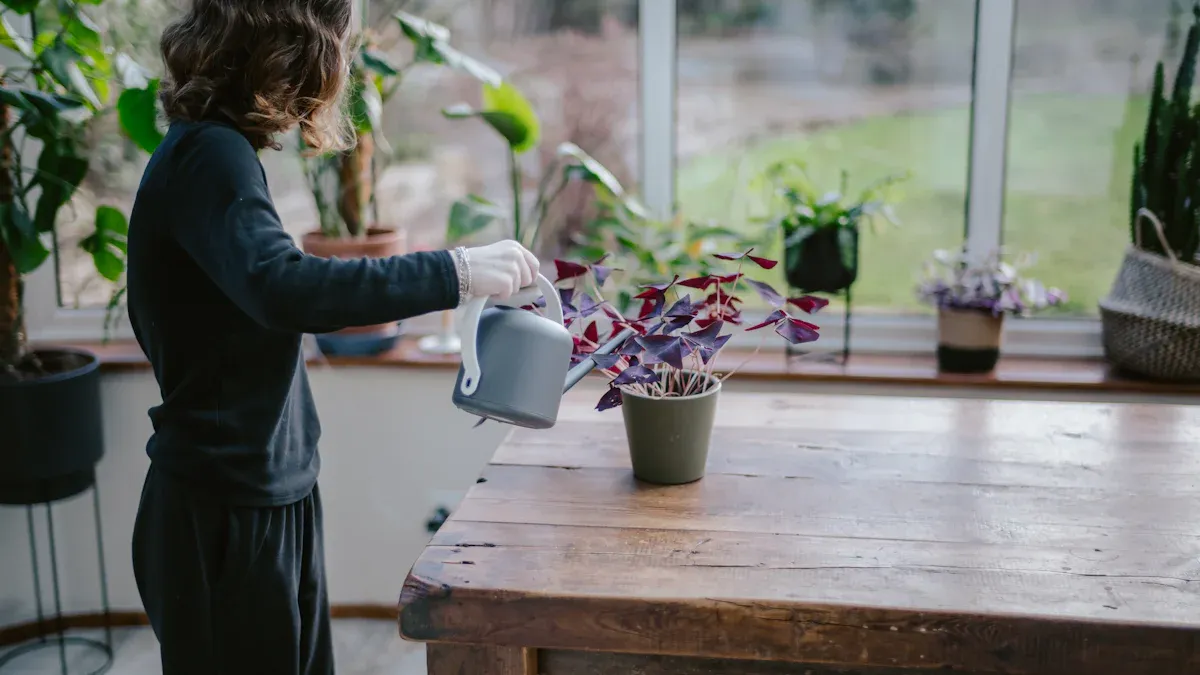
When it comes to treating lice on your plants, you have several options. You can choose natural remedies or chemical treatments, depending on your preferences and the severity of the infestation. Let’s explore these methods in detail.
Natural Remedies
Natural remedies can be effective and safer for the environment. Here are some popular options:
Neem Oil: This oil is a powerful natural pesticide. It can significantly reduce pest populations by repelling them and inhibiting their growth and reproduction. Neem oil smothers insect pests and has antifungal properties, which can help manage plant diseases. While it doesn’t provide immediate results like synthetic pesticides, it’s safer for beneficial insects and the environment.
Insecticidal Soap: This soap works by suffocating lice. It’s made from natural plant oils and fats, making it a gentle option for your plants. You can easily make it at home by mixing water with pure soap. Just spray it directly on the affected areas.
Diatomaceous Earth: This powdery substance is made from fossilized algae. It works by damaging the exoskeletons of insects, causing them to dehydrate. Sprinkle it around the base of your plants or directly on the leaves.
Chemical Treatments
If natural remedies don’t do the trick, you might consider chemical treatments. However, be cautious, as these can pose risks to non-target organisms and the environment. Here are some common chemical options:
Pyrethroids: These synthetic chemicals mimic natural insecticides found in chrysanthemum flowers. They are effective against a wide range of pests but can be toxic to beneficial insects.
Systemic Insecticides: These are absorbed by the plant and can kill pests that feed on it. While effective, they can also harm beneficial insects and may have long-lasting effects on the environment.
Tip: Always read the label and follow the instructions carefully when using chemical treatments. Misuse can lead to more harm than good.
Application Techniques
To maximize the effectiveness of your treatments, consider these best practices:
Practice Type | Description |
|---|---|
Cultural Practices | Modify the environment to deter pests, such as using optimized planting strategies and physical barriers. |
Biological Control | Utilize natural enemies like predatory insects to manage pest populations. |
Chemical Control | Apply targeted insecticides while considering resistance management. |
Integrated Pest Management (IPM) | Combine monitoring, action thresholds, and conservation of natural enemies for a holistic approach. |
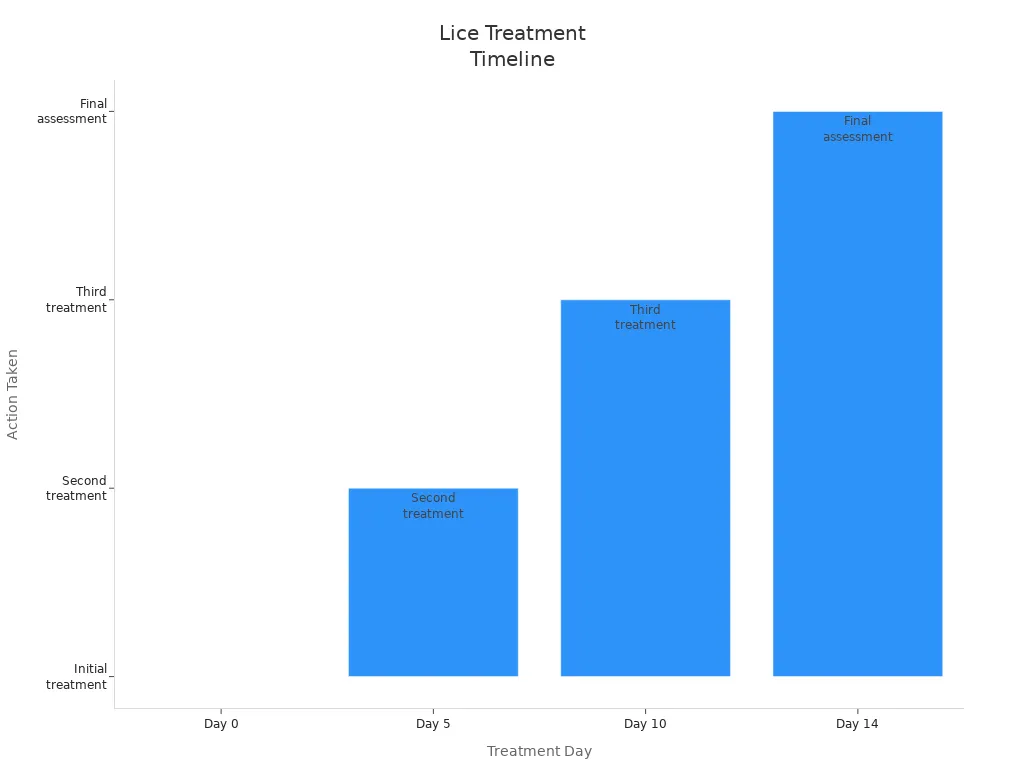
When applying treatments, timing is crucial. Here’s a suggested schedule for reapplication:
Treatment Day | Action Taken | Purpose |
|---|---|---|
Day 0 | Initial treatment applied | Start of lice eradication |
Day 5 | Second treatment applied | Target newly hatched lice |
Day 10 | Third treatment applied | Ensure all lice are eradicated |
Day 14 | Final assessment | Confirm eradication of lice and nits |
By following these methods and techniques, you can effectively detect and treat lice infestations on your plants. Remember, the key is to act quickly and monitor your plants regularly to prevent future outbreaks.
Preventing Future Lice Infestations
Best Practices
To keep your plants safe from lice, you can adopt several best practices. Here are some effective strategies:
Water Wisely: Avoid wetting the foliage when watering. This helps minimize the spread of diseases that can attract pests.
Fertilize Properly: Healthy plants are more tolerant to pests. Ensure you provide the right nutrients to encourage robust growth.
Space Your Plants: Give your plants enough room to breathe. Proper spacing optimizes light and air circulation, which reduces pest spread.
Prune Regularly: Trim your plants to promote airflow and remove any infested sections. This keeps your plants healthy and less appealing to lice.
Encourage Natural Predators: Release beneficial insects that prey on lice. This can help control pest populations naturally.
Monitoring Tips
Regular monitoring is key to preventing lice infestations. Here are some tips to help you stay on top of things:
Inspect Frequently: Check your plants regularly, especially during warmer months. Daily checks may be necessary in regions where pests are more active.
New Plants Need Attention: Inspect new plants more often during their first few weeks. This helps catch any potential infestations early.
Watch for Environmental Changes: Be aware that warmer temperatures and high humidity create ideal conditions for lice. Excessive rainfall can also support their survival.
By following these best practices and monitoring tips, you can significantly reduce the risk of lice infestations on your plants. Staying proactive will help keep your garden thriving and pest-free! 🌱
In summary, quick detection and effective treatment of lice infestations are vital for keeping your plants healthy. Remember to look for signs like yellowing leaves and sticky residue. Once you spot these issues, act fast!
To prevent future infestations, consider these measures:
Maintain garden cleanliness.
Use natural predators to control aphid populations.
Plant mint, onions, and garlic to repel pests.
Implementing integrated pest management strategies offers long-term benefits:
Benefit Description | Details |
|---|---|
Reduced negative impacts on biodiversity | Prevents the killing of beneficial insects by using various control methods appropriately. |
Lower health risks for farm laborers | Decreases reliance on pesticides, leading to less exposure and health issues. |
Reduced risk of insect resistance | Rotating control methods helps prevent pests from becoming resistant. |
Increased crop profits | Improved pest control leads to higher profits for growers. |
Maintained market access | Reduces the risk of restrictions due to pesticide residues. |
Enhanced public confidence | Following safer procedures increases trust in farming practices. |
By staying proactive, you can protect your plants and enjoy a thriving garden! 🌿
FAQ
What are the best signs to look for when checking for lice on my plants?
Look for yellowing leaves, sticky honeydew residue, and visible insects. Splotches or discoloration on leaves can also indicate lice feeding. Regular checks help catch infestations early.
How often should I inspect my plants for lice?
Inspect your plants weekly during the growing season. If you notice any signs of infestation, increase your checks to every few days until the issue is resolved.
Can I use household items to treat lice on my plants?
Yes! You can use natural remedies like neem oil, insecticidal soap, or even a mixture of water and dish soap. These options are effective and safer for your plants and the environment.
How long does it take to get rid of lice with treatments?
It typically takes about two weeks to effectively eliminate lice. Follow the treatment schedule closely, reapplying as needed to target newly hatched lice.
Are there any plants that are more resistant to lice infestations?
Some plants, like marigolds and mint, naturally repel pests. Incorporating these into your garden can help reduce the risk of lice infestations on more vulnerable plants. 🌱