
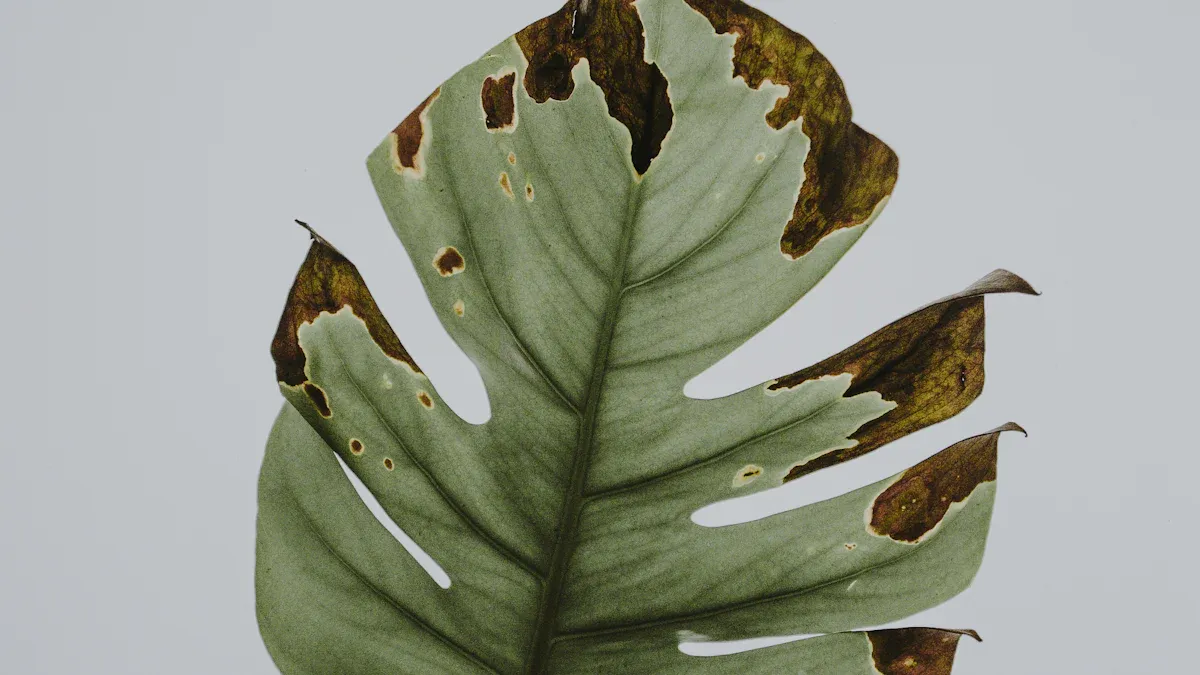
Addressing banana leaf plant diseases is crucial for maintaining healthy crops. Early identification helps prevent the spread of infections like Black Sigatoka and Bract Mosaic. These diseases can significantly reduce both yield and quality. For instance, Black Sigatoka may lead to economic losses due to decreased productivity and premature ripening of fruit clusters. Recent research shows that advanced technologies can achieve over 98% accuracy in detecting diseases early. By recognizing symptoms promptly, you can protect your plants and ensure their market value remains high.
Key Takeaways
Early identification of banana leaf diseases is crucial. Recognizing symptoms like yellowing leaves or brown spots helps prevent further spread.
Implement preventive measures such as choosing resistant banana varieties and maintaining good sanitation. These steps significantly reduce disease risk.
Regular monitoring of your banana plants is essential. Weekly inspections allow for early detection and timely intervention against diseases.
Utilize organic treatments like neem oil and copper-based fungicides. These options are effective and promote a healthier environment for your plants.
Adopt an integrated approach to disease control. Combining techniques like cultural practices, biological control, and chemical treatments enhances plant health.
Key Diseases Affecting Banana Plants
Banana plants face several diseases that can severely impact their health and productivity. Understanding these key diseases helps you take proactive measures to protect your banana crops.
Fungal Infections
Fungal infections are among the most prevalent banana leaf plant diseases. Here are some of the most common fungal diseases:
Fusarium Wilt: Caused by Fusarium oxysporum, this disease affects the roots and can lead to wilting and yellowing of leaves. It poses a significant threat, especially to the Cavendish variety, which makes up half of global banana production. Unfortunately, there is no cure for Fusarium wilt, and it can survive in the soil for decades.
Panama Disease: This disease leads to yellow streaks on lower leaves, progressing to complete yellowing and wilting. The pseudostem may show brownish streaks, and the plant eventually collapses.
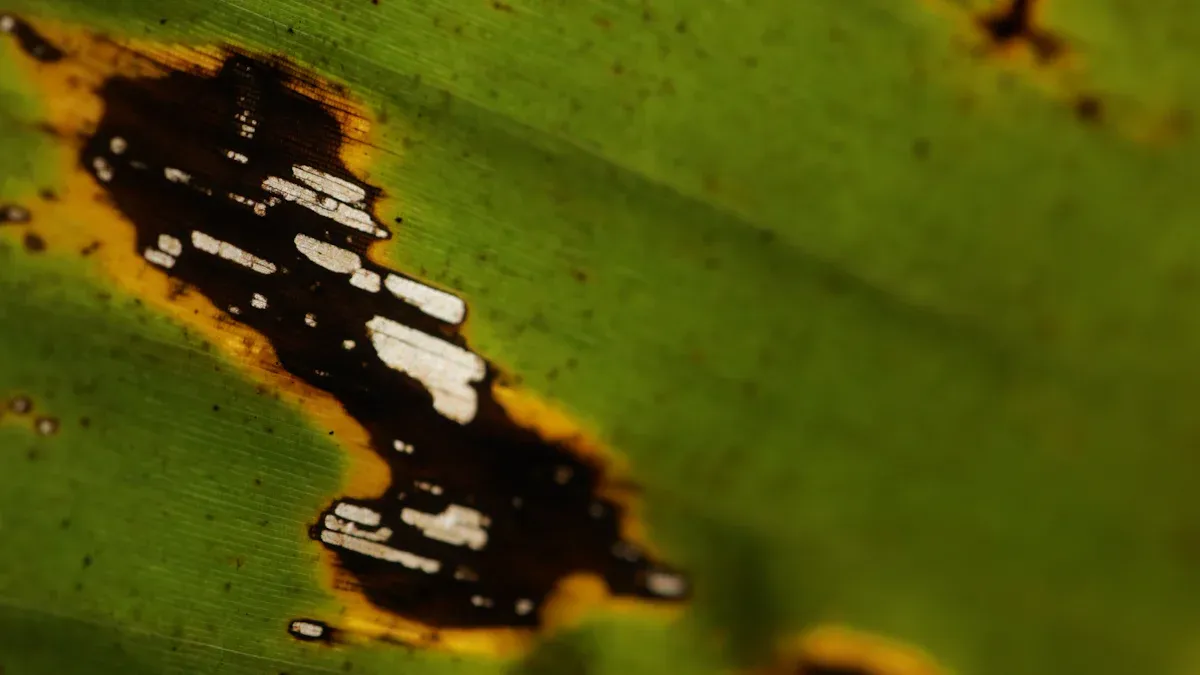
Black Leaf Streak (Sigatoka): This disease starts with small, light-colored streaks on leaves. As it progresses, dark brown or black spots develop, leading to large necrotic areas and premature leaf death.
Disease Type | Early Symptoms | Progression |
|---|---|---|
Banana Leaf Blight | Chlorotic flecking appears 15–20 days after infection | The fungus survives on dead banana leaves as spores or mycelium and reinoculates healthy tissues. |
Panama Disease | Yellow streaks on lower leaves | Progresses to complete yellowing and wilting; pseudostem shows brownish streaks; vascular tissues display reddish-brown discoloration; plant collapses and dies. |
Sigatoka Disease | Small, light-colored streaks on leaves | Black Sigatoka develops dark brown or black spots, leading to large necrotic areas and premature leaf death. |
Bacterial Diseases
Bacterial diseases also pose a serious threat to banana plants. Here are some key bacterial diseases you should be aware of:
Banana Xanthomonas Wilt (BXW): This disease causes yellowing leaves that eventually turn brown and die. It can lead to rotting fruit and yellow ooze in the stem. BXW is particularly destructive, causing up to 100% yield losses in affected regions.
Moko Disease: This disease results in yellowing and wilting of leaves, along with internal red-brown dry rot of the fruit pulp. The plant may wilt and die if not managed properly.
Disease | Symptoms and Effects |
|---|---|
Xanthomonas wilt | Leaves turn yellow, appear lifeless, eventually brown and die; rotting fruit; yellow ooze in the stem. |
Blood and moko diseases | Yellowing and wilting of leaves; internal red-brown dry rot of fruit pulp; plant wilts and dies. |
Viral Infections
Viral infections can also significantly affect banana crops. Here are some notable viral diseases:
Banana Bunchy Top Virus (BBTV): Transmitted by the banana aphid, this virus causes stunted growth and erect leaf architecture. You may notice chlorotic leaf margins and mottled petioles.
Banana Streak Virus (BSV): This virus spreads through mealybugs and can lead to reduced internode distance and plant stunting.
Cucumber Mosaic Virus (CMV): Similar to BSV, CMV can cause mottled leaves and stunted growth.
The transmission of these viruses often occurs through infected planting materials or insect vectors. BBTV, for instance, spreads rapidly through aphids feeding on infected plants.
Symptoms of Banana Leaf Plant Diseases
Visual Signs
When you inspect your banana plants, look for specific visual signs that indicate disease presence. Here are some common symptoms to watch for:
Reddish brown discoloration: You may notice this in the vascular tissue when you cut open rhizomes and pseudostems. It indicates a blockage in nutrient and water flow.
Yellowing of older leaves: This is a common sign of disease progression. If you see older leaves turning yellow, it may signal an underlying issue.
Splitting of leaf sheaths: This symptom indicates stress in the plant. It can occur due to various factors, including disease.
Wilting and buckling of leaves: These signs show severe impacts on leaf health. Affected leaves may droop or curl.
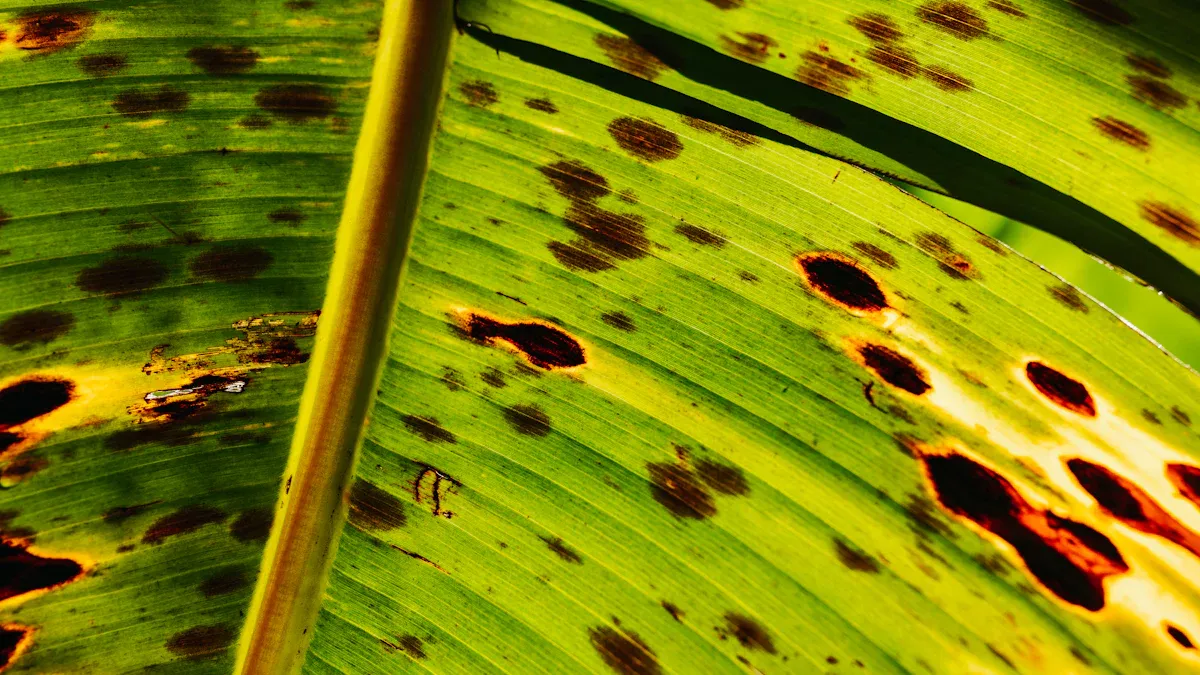
Pale green flecks: These can enlarge to form chlorotic streaks, which may turn brown with a yellow halo.
Brown spots on leaves: These spots can develop into large necrotic areas, indicating severe damage.
Chlorotic mottling or stripes: This affects foliage and can lead to distorted fruit and leaves.
Fungal diseases, particularly black leaf streak caused by Mycosphaerella fijiensis, show unique symptoms. You might see small specks that develop into streaks running parallel to leaf veins. These streaks can aggregate into larger compound streaks, varying in color from rusty red to dark brown to black. Eventually, they form fusiform or elliptical spots with a water-soaked border and a yellow halo, leading to extensive leaf necrosis.
Health Impact
The health of your banana plants directly correlates with the presence of these diseases. For instance, Black Sigatoka significantly reduces fruit yield and crop quality. This leads to economic sustainability issues for growers. Similarly, the Banana Bunchy Top Virus causes a major decline in fruit production. Infected plants rarely bear fruit, which can devastate your harvest.
Untreated banana leaf diseases can lead to yield losses of 30-50% per acre. Infected plantations may experience reduced plant vigor and increased vulnerability to secondary pathogens. Long-term sustainability of banana farming is threatened due to these diseases. In regions like South Sulawesi, 70-80% of plantations were lost due to banana blood disease, highlighting the critical need for early detection and management.
By recognizing these symptoms early, you can take action to protect your banana plants and ensure a healthy harvest.
Effective Disease Management Strategies
Managing banana leaf plant diseases effectively requires a combination of preventive measures, organic treatments, and strict sanitation practices. By implementing these strategies, you can protect your banana plants and ensure a healthy harvest.
Preventive Measures
Preventive measures play a crucial role in reducing the incidence of banana leaf plant diseases. Here are some effective strategies you can adopt:
Choose Resistant Varieties: Selecting banana cultivars that are resistant to diseases, such as Fusarium wilt, is one of the most effective strategies. These varieties can withstand infections better than susceptible ones.
Maintain Good Sanitation: Regularly remove affected plant parts to prevent the spread of diseases. This includes cutting away any diseased leaves or stems.
Ensure Proper Plant Spacing: Adequate spacing between plants improves air circulation. This helps reduce humidity levels, which can promote fungal growth.
Use Mulch Wisely: Applying mulch can help regulate soil conditions and suppress weed growth. This creates a healthier environment for your banana plants.
Implement Crop Rotation: Rotating crops can break disease cycles. This practice prevents pathogens from establishing themselves in the soil.
Monitor for Banana Pests: Keep an eye out for common pests that can weaken your plants. Addressing pest issues promptly can help prevent secondary infections.
By following these preventive measures, you can significantly reduce the risk of banana leaf plant diseases.
Organic Treatments
Organic treatments can effectively manage banana leaf diseases while being environmentally friendly. Here are some options you can consider:
Organic Substance | Description |
|---|---|
Neem Oil | A natural fungicide and pesticide; mix 1-2 tablespoons with 1 liter of water and spray every 7-14 days. |
Copper-Based Fungicides | Allowed in organic farming; effective against many fungal diseases affecting banana leaves. |
Bacillus subtilis | A beneficial bacterium that acts as a biological fungicide by competing with pathogenic fungi. |
Compost Tea | Rich in beneficial microorganisms; made by steeping finished compost in water for 24-48 hours. |
Using these organic treatments can help you manage diseases without relying on synthetic chemicals. They promote a healthier ecosystem around your banana plants.
Sanitation Practices
Sanitation practices are vital in controlling the spread of banana leaf diseases. Here are some key practices to implement:
Remove Infected Leaves: Always remove leaves that show signs of advanced disease before applying fungicides. This helps prevent resistance in pathogens like Mycosphaerella fijiensis.
Dispose of Cut Leaves Properly: Ensure you dispose of cut leaves in a way that minimizes spore release. This reduces the chances of reinfection.
Regularly Monitor Your Plants: Weekly inspections for infected leaves are crucial, especially in humid conditions. Early detection allows for timely intervention.
Combine Leaf Removal with Desuckering: This practice reduces humidity in the canopy, making it less favorable for disease development.
Consider Fallow Periods: For severely infested fields, consider converting to fallow to eliminate the disease. This can help restore soil health and reduce pathogen loads.
By maintaining strict sanitation practices, you can significantly limit the spread of banana leaf plant diseases and protect your crops.
Implementing these effective disease management strategies will help you maintain healthy banana plants and ensure a successful harvest. Regular monitoring and proactive treatment are essential for long-term sustainability in banana cultivation.
Integrated Approach to Disease Control
An integrated approach to disease control combines various techniques to manage banana leaf plant diseases effectively. This strategy enhances the overall health of your banana plants and improves yield.
Combining Techniques
To achieve the best results, you should combine different control methods. Here are some effective strategies:
Use Resistant Varieties: Choose banana cultivars like Poovan that show resistance to diseases. This choice can significantly reduce the risk of infection.
Remove Affected Plant Parts: Regularly inspect your plants and remove any diseased leaves or stems. This practice prevents the spread of pathogens.
Avoid Overcrowding: Ensure proper spacing between plants. This improves air circulation and reduces humidity, which can promote fungal growth.
Apply Chemical Treatments: Use fungicides judiciously. For example, applying Copper oxy chloride at 0.25% or a Bordeaux mixture can help manage fungal diseases. You can also drench the soil with methoxy ethyl mercuric chloride at 0.1% for additional protection.
Continuous Monitoring: Regularly check your plants for early signs of disease. Early detection allows for timely intervention, which is crucial for effective management.
Combining these techniques creates a robust defense against banana leaf diseases.
Control Method | Description |
|---|---|
Cultural Practices | Implement good agronomic practices to create unfavorable conditions for disease development. |
Biological Control | Incorporate natural enemies and beneficial microorganisms where possible. |
Chemical Control | Use fungicides based on economic thresholds and resistance management principles. |
Monitoring Practices
Monitoring your banana plants is essential for early detection and effective management of diseases. Here are some key practices to implement:
Regular Inspections: Conduct weekly checks of your plants. Look for any signs of disease, such as yellowing leaves or unusual spots.
Utilize Technology: Consider using hyperspectral imaging. This non-destructive method allows for early detection of diseases like Black Sigatoka. It measures reflectance in the visible and near-infrared regions to identify physiological changes in infected plants.
Monitor Soil Health: Keep track of soil minerals. Continuous monitoring helps prevent diseases related to nutrient deficiencies. Proper minerals and fertilizers ensure optimal growth conditions for your banana plants.
Evidence | Explanation |
|---|---|
Continuous monitoring of soil minerals | This practice is essential for preventing and identifying diseases that affect banana crops, ensuring optimal growth conditions. |
Proper minerals and fertilizers | By monitoring soil health, farmers can improve productivity and prevent malnutrition diseases in banana plants. |
Implementing these monitoring practices contributes to the long-term health of your banana plants. By combining effective techniques and maintaining vigilant monitoring, you can create a sustainable environment for your banana crops. This integrated approach not only protects your plants but also supports the overall health of the banana industry.
In summary, managing banana leaf plant diseases is vital for healthy crops. You must focus on prevention, monitoring, and intervention to protect your plants. Regular checks help you spot issues early, which can lead to better economic outcomes. Here are some key components to consider:
Key Component | Description |
|---|---|
Prevention | Proactive steps to prevent disease or pest invasion, such as quarantining new plants or selecting resistant varieties. |
Monitoring | Regular surveillance for signs of outbreaks, including visual inspections and traps. |
Intervention | Actions taken to control identified problems, like using organic pesticides or natural predators. |
Follow-up | Ongoing checks and improvements to prevent recurrence, such as crop rotation and sanitation practices. |
By implementing these strategies, you can increase productivity, reduce costs, and ensure the quality of your bananas. Regular monitoring and early intervention are essential for maintaining financial stability in banana cultivation.
FAQ
What are the most common diseases affecting banana plants?
The most common diseases include Black Sigatoka, Fusarium wilt, and Banana Xanthomonas wilt. Each disease can severely impact plant health and yield.
How can I identify if my banana plants are diseased?
Look for yellowing leaves, brown spots, or wilting. Inspect the vascular tissue for reddish-brown discoloration, which indicates disease.
What preventive measures can I take against banana leaf diseases?
Choose resistant varieties, maintain good sanitation, and ensure proper plant spacing. These steps help reduce disease incidence.
Are there organic treatments for banana leaf diseases?
Yes, you can use neem oil, copper-based fungicides, and beneficial bacteria like Bacillus subtilis. These options are effective and environmentally friendly.
How often should I monitor my banana plants for diseases?
You should inspect your banana plants weekly. Regular monitoring helps you catch any signs of disease early, allowing for timely intervention.