
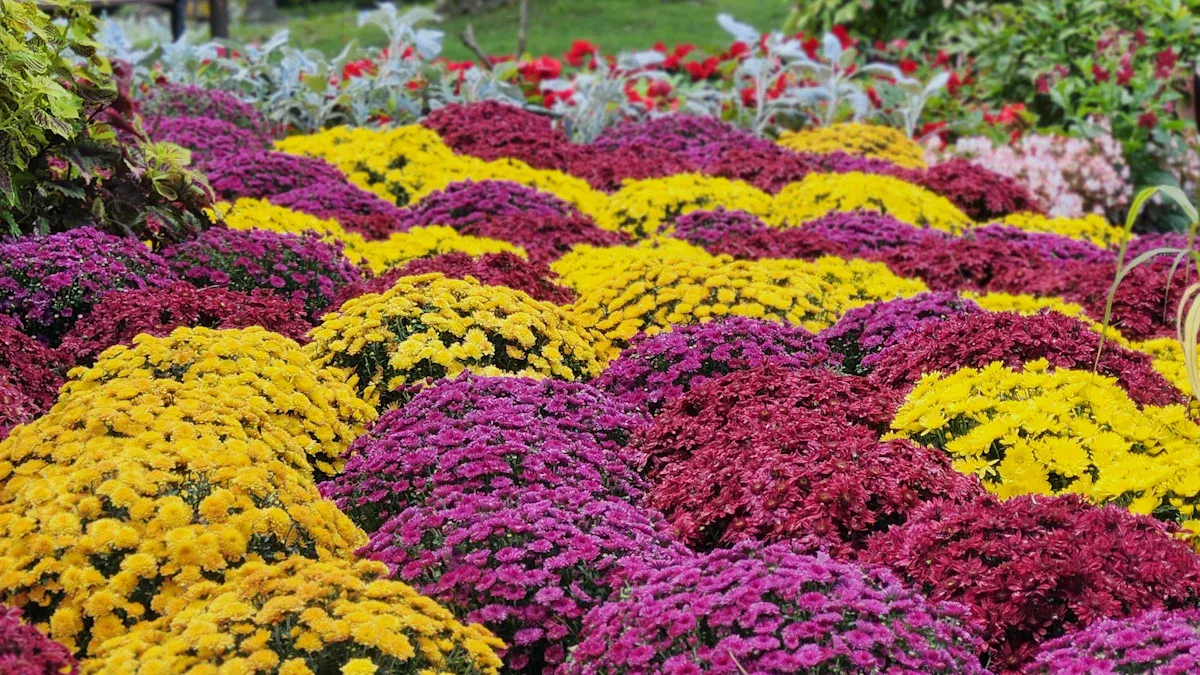
Creating a raised berm can do wonders for your flower beds! These mounds not only enhance plant health but also add stunning visual appeal to your garden. Raised berms bring height and contour, making your space look more dynamic. You can plant a variety of flowers, shrubs, and trees, which adds depth and beauty.
To build your raised berm, follow these simple steps:
Mark out the bed areas.
Dig soil out of the pathways instead of the bed area.
Dump the excavated soil onto the bed areas to create mounds.
Ensure the mounds are between 4 and 8 inches tall, with sloped sides.
Mix pathway soil with compost for better drainage.
Maintain a flat top or gentle convex curve on the mound.
Mulch the slopes to prevent erosion and retain water.
With the right materials and a bit of effort, you’ll have a vibrant flower bed in no time!
Key Takeaways
Raised berms improve drainage and prevent waterlogging, promoting healthier plant growth.
Use quality soil mixed with compost to enhance soil quality and reduce weed problems.
Choose a sunny location with good drainage for your raised berm to support vibrant flowers.
Incorporate mulch to retain moisture and suppress weeds, ensuring your plants thrive.
Follow proper construction techniques, like creating gentle slopes, to prevent erosion and maintain stability.
What is a Raised Berm?
Definition and Purpose
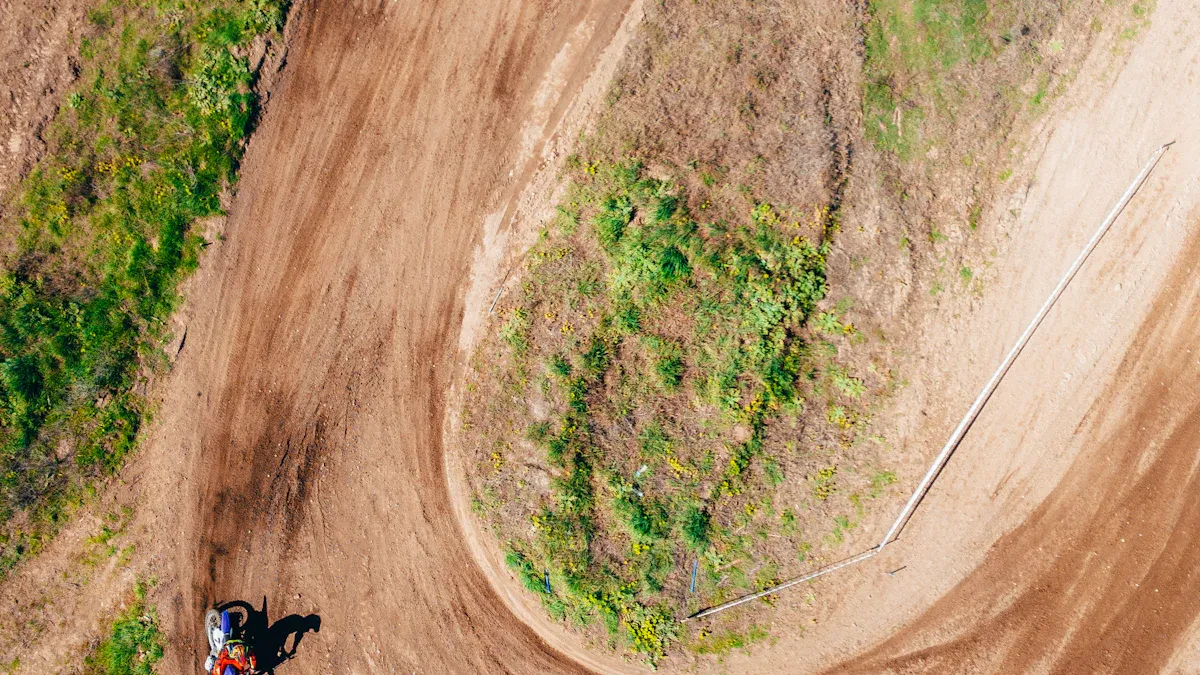
A raised berm is essentially a mound of soil that you create in your garden. In horticultural literature, it’s described as a strip of soil that serves as a barrier or separation in a landscape. You can use raised berms to manage soil erosion, enhance water drainage, and improve the overall aesthetics of your garden. They provide a unique way to elevate your flower beds, making them stand out and adding dimension to your landscape design.
Benefits for Flower Beds
Raised berms offer several advantages for your flower beds. Here are some key benefits:
Improved Drainage: By elevating the soil, raised berms allow water to flow freely, preventing issues like waterlogging and root rot. This is especially important for plants that thrive in well-drained conditions. Micro-berms, smaller versions of raised berms, can also enhance drainage and are easy to create.
Better Soil Quality: You can enrich the soil in your raised berm with compost and other nutrient-rich materials. This leads to healthier plant growth and reduces weed problems. The improved soil conditions allow for better water and air movement, which is crucial for your flowers.
Enhanced Accessibility: Raised flower beds are easier to tend to, especially for those with limited mobility. You won’t have to bend down as much, making gardening a more enjoyable experience.
Visual Appeal: A raised berm adds visual interest to your garden. It creates elevation changes that enhance the landscape’s texture and dimension. You can strategically place them to block unwanted views or to guide foot traffic through your garden.
Supplies for a Raised Berm
Creating a raised berm requires some essential materials and tools. Let’s break down what you’ll need to get started.
Essential Materials
When it comes to materials, you want to choose the right soil and mulch to ensure your flowers thrive. Here’s a quick overview of the best options:
Soil Type | Benefits |
|---|---|
Berm Dirt | High in organic matter, retains moisture well, low cost, and creates a positive environment for root growth. |
Landscape Mix | Great for landscape plants, providing a solid growing medium. |
Garden Mix | Perfect for vegetable gardening, enhancing soil fertility. |
Leaf Mold Compost | Improves soil structure and moisture retention. |
Mushroom Compost | Adds nutrients and beneficial microorganisms to the soil. |
For mulch, you’ll want something that helps retain moisture and suppresses weeds. Here are some effective options:
Mulch Type | Benefits | Considerations |
|---|---|---|
Organic Straw | Suppresses weeds, regulates soil temperature, retains moisture | Can attract slugs if applied too early; easier to remove than hay |
Shredded Leaves | Cost-effective, conserves moisture, suppresses weeds, enriches soil | Some leaves may alter soil pH; should be chopped before application |
Compost | Controls weeds, retains moisture, enriches soil | Must be well-matured to avoid attracting pests |
Grass Clippings | Inexpensive, provides weed suppression and moisture retention | Should be applied thinly to avoid compaction; must be pesticide-free |
Seaweed | Nutrient-rich, enhances soil health | Can be salty; should be rinsed or applied early to wash away salt |
Tools Required
Now that you know what materials to gather, let’s look at the tools you’ll need for constructing your raised berm. Here’s a handy list:
Shovel
Bow rake
Gloves
Scissors
Cardboard
Landscape staples
Mallet
Soil
Jute netting
Mulch or bark chips
Landscaping plants
Large landscaping rocks
Wheelbarrow (optional)
Having the right tools makes the process smoother and more enjoyable. You’ll find that a shovel and rake are essential for shaping the berm, while gloves protect your hands as you work.
With these materials and tools in hand, you’re ready to start building your raised berm. Remember, choosing good plants for berms can also enhance the beauty of your flower bed!
Landscaping Berms: Basic Rules
Location Considerations
Choosing the right location for your raised berm is crucial for its success. Here are some key factors to keep in mind:
Sunlight Exposure: Aim for areas that receive 6–8 hours of sunlight daily. This amount of light is essential for vibrant flower growth.
Drainage: Ensure your berm sits level. Water should drain within a few hours to prevent root rot.
Wind Protection: Consider placing your berm near fencing or hedges to shield it from strong winds.
Water Accessibility: Keep your berm close to a water source. This makes watering easier and more efficient.
Pathway Space: Leave at least 3 feet of space for pathways. This allows you to move around comfortably while tending to your plants.
Size and Shape Guidelines
The size and shape of your raised berm can significantly impact its functionality and aesthetics. Here are some basic berm-building rules to follow:
Dimension Type | Recommended Size |
|---|---|
Width | 18 inches to 4 feet |
Length | 4 feet to 10 feet |
Depth | Minimum 6 inches; 1 foot for root crops; 18 inches for larger plants |
When designing your berm, consider its shape. A well-shaped berm helps with water drainage and soil stability. For example, a gentle slope allows water to flow evenly, reducing erosion. This design also directs water to less vulnerable areas, protecting your plants from excessive runoff.
By following these basic rules, you can create a raised berm that not only looks great but also supports healthy plant growth.
Step-by-Step Instructions for Creating a Raised Berm
Preparing the Site
Before you start building your raised berm, you need to prepare the site properly. This step is crucial for ensuring the success of your flower bed. Here’s how to do it:
Clear the Area: Remove any existing vegetation. You can use glyphosate herbicide to kill unwanted plants. This will help prevent competition for nutrients later on.
Level the Ground: Once the area is clear, level the ground where you plan to build the berm. This helps with drainage and stability.
Dump Quality Soil: Acquire quality landscape bed soil and place it over the treated area. This will form the base of your berm.
Rake the Soil: Use a rake to level the new soil, preparing it for planting. Make sure it’s smooth and even.
Tip: Wait for one rain to settle the soil before planting. You might also consider laying mulch before planting to help retain moisture.
Building the Berm
Now that your site is ready, it’s time to start building your berm. Follow these steps for a successful construction:
Determine the Size: Decide how high and wide you want your berm. A standard height ranges from 18 inches to 6 feet, depending on its purpose.
Layering Technique: Start with larger elements like rocks or logs at the base for stability. Then, add layers of soil and organic matter. This method not only ensures stability but also promotes biodiversity within the berm.
Create a Gentle Slope: Aim for a slope ratio of 4:1 or gentler to prevent erosion. This helps water flow evenly and reduces the risk of washouts.
Add Drainage: Incorporate proper drainage systems like French drains or swales to manage water effectively. This is essential for keeping your plants healthy.
Recommendation | Details |
|---|---|
Base Thickness | At least four times the height of the berm |
Slope Ratio | 2:1 or more gradual 3:1 for stability |
Planting and Maintenance Tips
Once your berm is built, it’s time to plant and maintain it for long-term success. Here are some effective strategies:
Choose Quality Soil: Incorporate good-quality topsoil along with organic matter like compost and peat moss. This enhances soil properties and promotes healthy plant growth.
Plant Strategically: Use crop rotation to support soil health and prevent nutrient depletion. Interplanting flowers with herbs can attract pollinators and reduce pest pressure.
Watering: Water deeply but infrequently. Adjust your watering schedule based on environmental conditions and soil type. Localized dry spots can be watered by hand as needed.
Mulching: Add mulch once or twice a year to retain moisture and suppress weeds. Apply mulch to trees at a depth of 3 inches, shrubs at 2 inches, and bedding plants at 1 inch.
Tip: Inspect your berm after heavy rain to check for signs of washout. This will help you address any erosion issues early on.
By following these step-by-step instructions, you’ll create a beautiful raised berm that enhances your flower beds and supports vibrant plant growth.
Creating a raised berm can truly transform your flower beds! 🌼 You’ll enjoy improved drainage, better soil quality, and enhanced visual appeal. Many gardeners have shared that berms not only boost plant growth but also add unique beauty to their landscapes.
Here’s a quick recap of the benefits:
Visual Interest: Berms enhance the aesthetic appeal of your garden.
Noise Reduction: They can help block noise from nearby streets.
Diverse Planting Areas: You can create varied zones for different plants.
So, why not give it a try? Share your experiences or ask any questions in the comments below. Happy gardening! 🌿
FAQ
What plants grow best on a raised berm?
You can plant a variety of flowers, shrubs, and even small trees. Choose native plants or drought-resistant varieties for the best results. They thrive in well-drained soil and add beauty to your garden.
How often should I water my raised berm?
Water your raised berm deeply but infrequently. Check the soil moisture regularly. Adjust your watering schedule based on rainfall and temperature. This helps prevent overwatering and encourages deep root growth.
Can I use any soil for my berm?
Not all soil is suitable. Use a mix of high-quality topsoil, compost, and organic matter. This combination improves drainage and provides essential nutrients for your plants.
How do I prevent erosion on my berm?
To prevent erosion, create gentle slopes and add mulch. Mulch helps retain moisture and protects the soil from heavy rain. Regularly check for washouts after storms and repair any damage promptly.
Is it difficult to maintain a raised berm?
Maintaining a raised berm is relatively easy. Regular watering, mulching, and occasional weeding keep it healthy. With proper planning and care, your berm can thrive with minimal effort. 🌼