
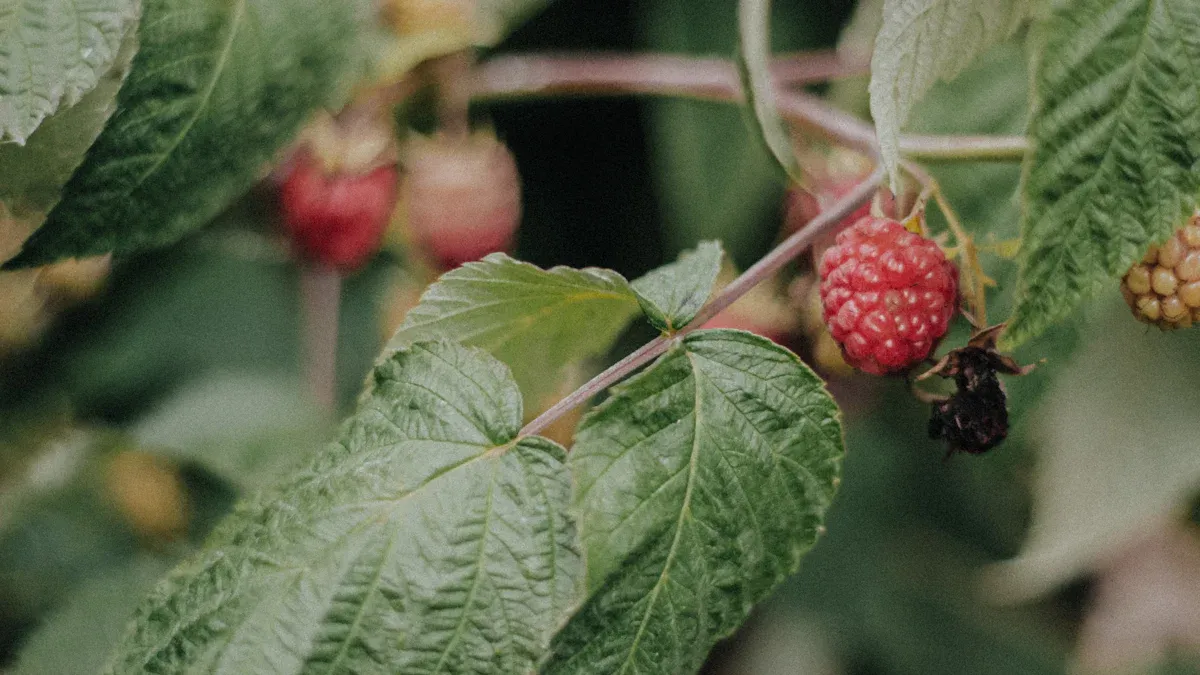
Recognizing raspberry plant diseases early is crucial for maintaining healthy plants. You should look for common symptoms such as:
Leaves and fruit exhibiting white fungal growth with a powdery appearance.
Yellow or pale green spots, blotches, or mosaics on the leaves.
Stunted growth and yield loss.
Effective treatment and prevention methods can significantly impact your raspberry plants’ health. By being vigilant, you can protect your garden from these common raspberry diseases.
Key Takeaways
Recognize early signs of raspberry diseases, such as white fungal growth or yellow spots on leaves. Early detection helps protect your plants.
Maintain good air circulation and sunlight exposure to prevent fungal diseases like powdery mildew. Proper spacing between plants is essential.
Practice good sanitation by removing infected fruit and debris. This reduces the spread of diseases like botrytis fruit rot.
Choose disease-resistant raspberry varieties to enhance plant health and reduce the risk of common diseases.
Implement regular monitoring techniques, such as visual inspections, to catch any issues early and ensure a thriving raspberry garden.
Common Fungal Diseases
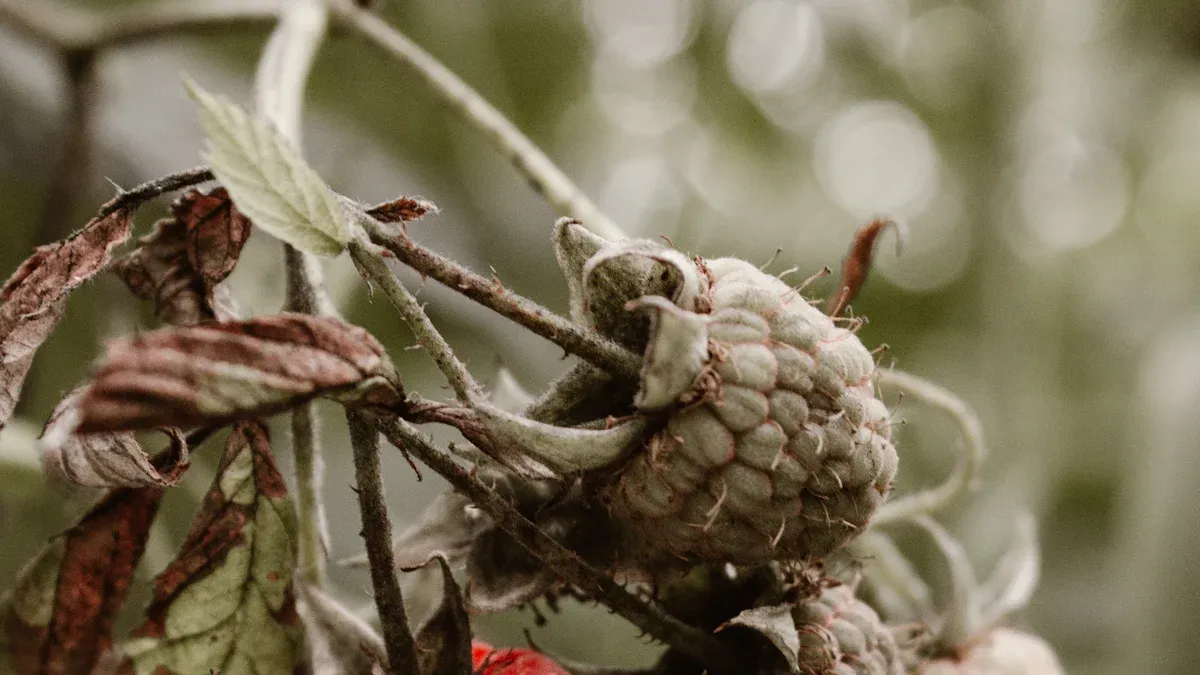
Raspberry plants often face challenges from various fungal diseases. Two of the most common fungal diseases are powdery mildew and botrytis fruit rot. Understanding their symptoms and identification methods can help you take action before the diseases cause significant damage.
Powdery Mildew
Powdery mildew is caused by the fungus Sphaerotheca macularis. This disease typically appears during warm, dry weather. You can identify powdery mildew by looking for the following symptoms:
White Fungal Growth: You will notice a white, powdery coating on the undersides of leaves. In severe cases, this growth may also appear on the upper leaf surface.
Curling Leaves: Infected young leaves often curl upward at the edges and may become stunted.
Pale Green Spots: Look for pale green to watersoaked spots on the upper leaf surface.
The environmental conditions that contribute to the development of powdery mildew include:
Environmental Factor | Description |
|---|---|
Shade | Shade favors the growth of powdery mildew. |
Moderate Temperatures | Moderate temperatures are conducive to mildew development. |
Humidity | High humidity levels create a breeding ground for the fungus. |
Overcrowding | Dense planting restricts air circulation, aiding fungus spread. |
Lack of Sunlight | Shady conditions favor the growth of powdery mildew. |
Nutrient Imbalances | Weak plants due to nutrient issues are more susceptible. |
Stress | Stress from drought or pests compromises plant defenses. |
To prevent powdery mildew, ensure your raspberry plants receive adequate sunlight and air circulation. Regularly check for signs of the disease, especially during warm, humid weather.
Botrytis Fruit Rot
Botrytis fruit rot, also known as gray mold, is another significant threat to raspberry plants. This disease can lead to severe yield losses, especially in wet conditions. In fact, yield losses in commercial fields can exceed 50%, particularly during rainy weather before harvest. Here are some key symptoms to look for:
Identification Symptoms | Description |
|---|---|
White advancing into brown discoloration | Indicates the progression of the disease. |
Fuzzy/velvety coating | Characteristic texture of the fungal growth. |
Gray-dusty spores when shaken | Spores become airborne during disturbances. |
Rotted fruit becomes hard and mummified | Final stage of fruit decay due to infection. |
You may also notice:
Rotted fruit with tufts of gray fungus.
Infected berries rarely leaking juice, indicating advanced decay.
Pale-brown lesions on primocane leaves during summer.
To manage botrytis fruit rot, practice good sanitation by removing infected fruit and debris from the planting area. This helps reduce the spread of the disease. Additionally, ensure proper spacing between plants to improve air circulation.
By recognizing these common fungal diseases early, you can take steps to protect your raspberry plants and maintain a healthy garden.
Common Bacterial Diseases
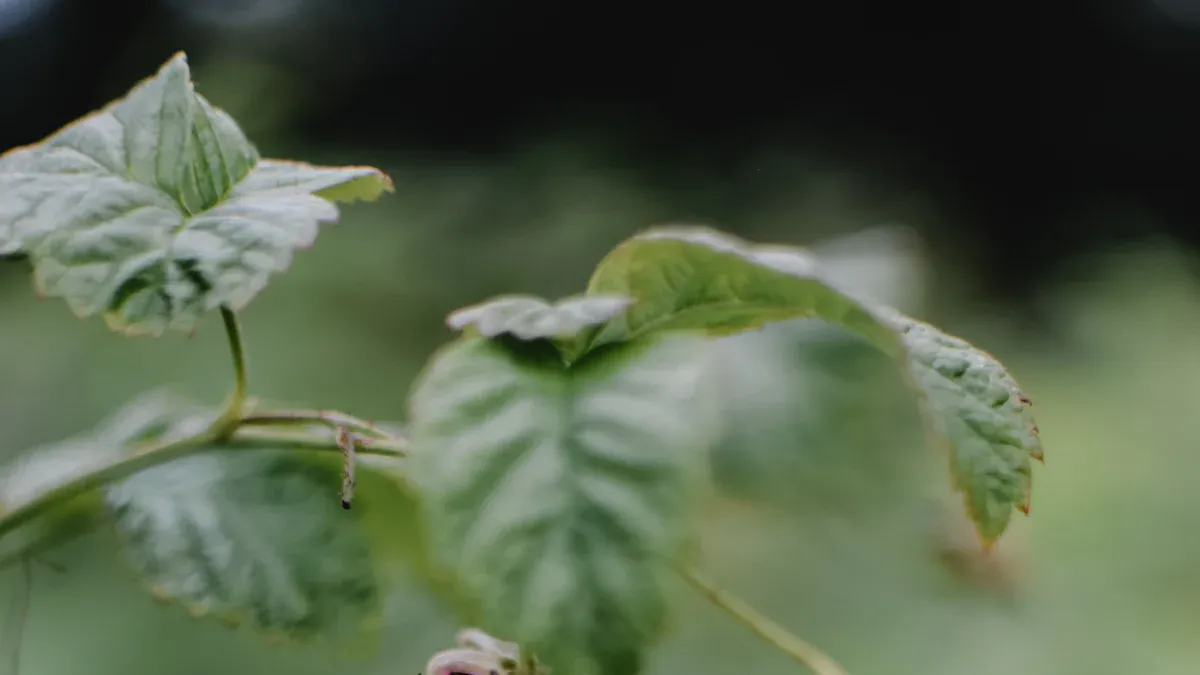
Raspberry plants can suffer from various bacterial diseases, with bacterial blight and crown gall being two of the most common. Identifying these diseases early helps you take action to protect your plants.
Bacterial Blight
Bacterial blight is caused by the bacterium Pseudomonas syringae. This disease often appears in spring when conditions are wet. You can recognize bacterial blight by observing the following symptoms:
Symptom Description | Details |
|---|---|
Brown water-soaked spots | These spots appear on leaves and petioles of young shoots. |
Rapid enlargement of spots | Wet weather causes spots to grow quickly, leading to leaf and shoot death. |
Downward bending of laterals | Affected laterals bend downwards if the stem is not fully girdled. |
Stunting of laterals | Infected laterals may be stunted if not killed. |
Glistening ooze | Rarely seen on the surface of infected tissues. |
To confirm the presence of bacterial blight, you can use several diagnostic methods. Visual inspection is a good start. You may also consider specific pathogen detection methods, such as enzyme-linked immunosorbent assays (ELISA) or polymerase chain reaction (PCR). These tests help ensure accurate identification of the disease.
Crown Gall
Crown gall is another serious bacterial disease affecting raspberry plants. It is caused by Agrobacterium tumefaciens. This bacterium creates tumor-like galls on the roots, crowns, or canes of infected plants. Here are some key features of crown gall:
Feature | Crown Gall | Other Bacterial Diseases |
|---|---|---|
Causative Agent | Agrobacterium tumefaciens | Various bacteria |
Symptoms | Tumor-like swellings on roots and canes | Different symptoms, often leaf spots |
Gall Characteristics | Spongy, rough, tumor-like galls | Varies, often not tumor-like |
Impact on Plant | Causes stunting, dry berries, and weakened canes | Varies, may cause wilting or leaf drop |
If you notice galls on your raspberry plants, take action quickly. These galls can lead to stunted growth and reduced productivity. Regular monitoring and prompt removal of infected plants can help manage this disease effectively.
By understanding these common bacterial diseases, you can better protect your raspberry plants and ensure a healthy harvest.
Common Viral Diseases
Raspberry plants can suffer from several viral diseases, with the Raspberry Mosaic Virus and Raspberry Anthracnose being two of the most significant. Recognizing the symptoms of these diseases early can help you take action to protect your plants.
Raspberry Mosaic Virus
The Raspberry Mosaic Virus affects many raspberry cultivars. You can identify this virus by observing the following symptoms:
Symptom Type | Description |
|---|---|
Leaf Symptoms | Mild leaf mottling, blistering, or vein banding |
Cultivar Response | Certain cultivars may be symptomless |
Infected plants often show poor vigor, low yields, and reduced fruit quality. You might notice leaf symptoms during cool weather, such as puckering, curling, and crinkling. Additionally, berries may become dry, seedy, and lack flavor. These symptoms can lead to significant yield losses, ranging from 11% to 39%.
To confirm the presence of the Raspberry Mosaic Virus, you can use diagnostic tools like TaqMan-based real-time One-Step RT-PCR assays. These tests allow for rapid detection and quantification of the virus in your plants.
Raspberry Anthracnose
Raspberry Anthracnose, caused by the fungus Elsinoe necator, is another common issue. This disease is prevalent in major raspberry-producing regions, especially the Pacific Northwest. All black raspberry cultivars are susceptible to this disease.
You can identify Raspberry Anthracnose by looking for these symptoms:
Symptom Type | Description |
|---|---|
Lesions on Canes | Reddish purple round spots that later become sunken buff to ash gray spots with dark margins. |
Affected Fruit | Berries may ripen unevenly and have abnormally small drupelets. |
The severity of anthracnose can vary, particularly influenced by weather conditions, such as prolonged rain in late spring. Early detection is crucial for managing this disease effectively.
By understanding these common viral diseases, you can take proactive steps to protect your raspberry plants and ensure a healthy harvest.
Treatment Methods for Raspberry Diseases
When dealing with raspberry plant diseases, you have several treatment options. These methods can help you manage and control issues effectively. You can choose between chemical treatments and organic solutions based on your preferences and gardening practices.
Chemical Treatments
Chemical treatments can be effective for controlling raspberry diseases, especially in severe cases. Here are some common chemical options:
Treatment Method | Description |
|---|---|
Fungicides | Use fungicides like chlorothalonil and azoxystrobin. Apply these preventively for the best results. |
Bactericides | For bacterial diseases, consider using specific bactericides that target pathogens like Pseudomonas syringae. |
Ozone Treatment | Recent studies suggest that ozone can control fungal diseases in raspberries. This method emphasizes environmental safety and reduces reliance on traditional pesticides. |
Always follow the manufacturer’s instructions when applying these treatments. Proper timing and application can significantly enhance their effectiveness.
Organic Solutions
If you prefer organic methods, several solutions can help you manage raspberry diseases without synthetic chemicals. Here are some effective organic treatments:
Companion Planting: Plant marigolds, garlic, and chives near your raspberries. These plants can deter pests and improve overall plant health.
Mulching: Apply organic mulch around your raspberry plants. This practice reduces weeds and improves soil health.
Hand-Picking Pests: Regularly inspect your plants and remove any visible pests manually. This simple action can prevent larger infestations.
Encourage Beneficial Insects: Attract ladybugs and lacewings by planting nectar-rich flowers. These beneficial insects can help control pest populations.
For specific organic products, consider using:
Monterey Horticultural Oil
Monterey Fruit Tree Spray Plus
Monterey Liquid Copper Fungicide
Natural Guard® Neem
These products can help manage diseases like raspberry anthracnose and raspberry blight effectively.
In severe cases, combining both chemical and organic treatments may yield the best results. Always monitor your plants closely and adjust your treatment methods as needed.
Prevention of Common Raspberry Diseases
To keep your raspberry plants healthy, you must adopt best practices for plant care and soil management. These strategies can significantly reduce the risk of diseases like raspberry rust, raspberry blight, and other common issues.
Best Practices for Plant Care
Start by choosing disease-resistant varieties suited to your climate. Varieties like Heritage, Autumn Bliss, and Caroline can help you avoid many common problems. Here are some additional tips to enhance your plant care:
Space Your Plants: Ensure you space your raspberries 2-3 feet apart. This spacing promotes good air circulation, which helps prevent fungal diseases.
Water Wisely: Water your plants deeply once or twice a week, using a drip irrigation system. This method keeps the foliage dry and reduces the risk of diseases like raspberry root rot.
Prune Regularly: Remove dead or diseased canes to maintain air circulation and promote healthy growth. Regular pruning also helps you spot any early signs of disease.
Tip: Always remove and destroy infected leaves to prevent the spread of diseases like raspberry rust.
Soil Management Techniques
Healthy soil is vital for preventing diseases in raspberries. Follow these soil management techniques to create an optimal growing environment:
Use Well-Drained Soil: Plant your raspberries in well-drained soil to avoid overly moist conditions. This practice helps prevent root rot and other fungal diseases.
Disinfect Tools: Always disinfect your pruning tools after each use. This step prevents the spread of bacteria and viruses between plants.
Crop Rotation: Employ crop rotation to minimize disease buildup in the soil. Avoid planting raspberries in areas previously used for wild berries or roses, as these can harbor diseases.
By implementing these best practices and soil management techniques, you can significantly reduce the incidence of raspberry diseases and enjoy a bountiful harvest.
In summary, recognizing and treating raspberry plant diseases is essential for a healthy garden. Regular monitoring can help you catch issues early. Here are some effective monitoring techniques:
Monitoring Technique | Description |
|---|---|
Hyperspectral Imaging | A noninvasive method for monitoring large numbers of plants, detecting responses to pests and pathogens. |
UAV Imaging | Utilizes unmanned aerial vehicles to capture hyperspectral images for early disease detection. |
Ground-based Platforms | Motorized systems that pass through or over crop canopies to monitor plant health. |
To maintain healthy raspberry crops, implement preventive measures such as selecting disease-resistant varieties and managing watering practices. These actions can significantly impact your plants’ resilience. Remember, consistent care leads to better yields and a thriving garden! 🌱
FAQ
What are the signs of a healthy raspberry plant?
Healthy raspberry plants have vibrant green leaves, strong canes, and abundant fruit. You should regularly check for any discoloration or wilting, which may indicate stress or disease.
How can I prevent diseases in my raspberry plants?
To prevent diseases, choose disease-free raspberry plants, maintain good air circulation, and practice crop rotation. Regularly inspect your plants for early signs of trouble.
When should I apply preventative fungicide treatment?
Apply preventative fungicide treatment before the growing season begins. This proactive approach helps protect your plants from fungal diseases during warm, humid weather.
Can I grow raspberries in containers?
Yes, you can grow raspberries in containers. Ensure the container has good drainage and use quality potting soil. Regular watering and fertilization will support healthy growth.
How do I know if my raspberries are infected with a virus?
Look for symptoms like leaf mottling, stunted growth, or poor fruit quality. If you suspect a viral infection, consider using diagnostic tests for confirmation.