

Effective pest management is crucial for successful kale gardening, especially when dealing with kale plant pests. Without proper strategies, you risk losing over 30% of your kale crops annually to these pests. The most common kale plant pests include caterpillars, aphids, and flea beetles. Early identification and treatment are vital to protect your plants from these threats. Addressing these issues promptly can help maintain the health and productivity of your garden.
Key Takeaways
Identify pests like cabbage worms, aphids, and flea beetles early to prevent major damage to your kale plants.
Maintain healthy soil and diverse crops to create a resilient garden that naturally resists pests.
Use natural predators like ladybugs and lacewings to control aphid populations effectively.
Implement preventive measures such as crop rotation and proper watering to reduce pest infestations.
Act quickly when you notice signs of pests to protect your kale and ensure a bountiful harvest.
Cabbage Worms

Identification
Cabbage worms are a common threat to your kale plants. These pests are the larvae of the Cabbage White Butterfly (Pieris brassicae). You can identify them by their distinct features:
Imported cabbageworms can grow up to 1 inch in length and are velvety green.
They have a faint yellow stripe down their back.
The caterpillars are covered in fine hairs, giving them a velvety appearance.
Pale yellow lines run lengthwise down their bodies.
Look for small white butterflies with black wing spots, which indicate the presence of cabbageworms.
Eggs resemble tiny golden footballs attached by their tips, found on the undersides of leaves.
Understanding the life cycle of cabbage worms helps you manage them effectively. The female butterfly lays pale-yellow eggs on the underside of kale leaves. Once the eggs hatch, the larvae begin to feed voraciously, causing significant harm if not managed early.
Signs of Damage
Cabbage worms can cause noticeable damage to your kale leaves. Here are some typical symptoms and patterns of damage:
Symptoms/Patterns of Damage | Description |
|---|---|
Chewing holes in leaves | Cabbage worms create ragged holes in the leaves of kale. |
Attack on flower clusters | They may also leave round holes in flower clusters of related plants like broccoli and cauliflower. |
Excrement presence | The presence of cabbage worms is often indicated by dark pellets of excrement left behind. |
If you notice these signs, act quickly to protect your kale plants from further damage.
Treatment Options
You have several effective treatment options to combat cabbage worms. Here are some methods to consider:
Biological Control: Introduce natural predators like parasitic wasps or birds that feed on cabbage worms.
Organic Treatments: Use products like azadirachtin (Neemix 4.5) or Bacillus thuringiensis (Javelin), which are effective against small larvae.
Chemical Treatments: If necessary, consider using alpha-cypermethrin (Fastac EC) or beta-cyfluthrin (Baythroid XL). Always follow the application rates and safety guidelines.
Treatment | Application Rate | PHI | REI | Notes |
|---|---|---|---|---|
alpha-cypermethrin (Fastac EC) | 0.014 to 0.025 lb ai/A | 1 day | 12 hr | Commercial use |
azadirachtin (Neemix 4.5) | 0.14 to 0.35 lb ai/A | 0 days | 4 hr | OMRI-listed for organic use |
Bacillus thuringiensis (Javelin) | 0.12 to 1.5 lb/A | 0 days | 4 hr | Effective on small larvae |
beta-cyfluthrin (Baythroid XL) | 0.013 to 0.019 lb ai/A | 0 days | 12 hr | Commercial use |
Sevin Insect Killer | Varies by product | N/A | N/A | Kills cabbageworms on contact |
By recognizing the signs of cabbage worms early and applying the right treatments, you can protect your kale plants and ensure a healthy harvest.
Aphids on Kale
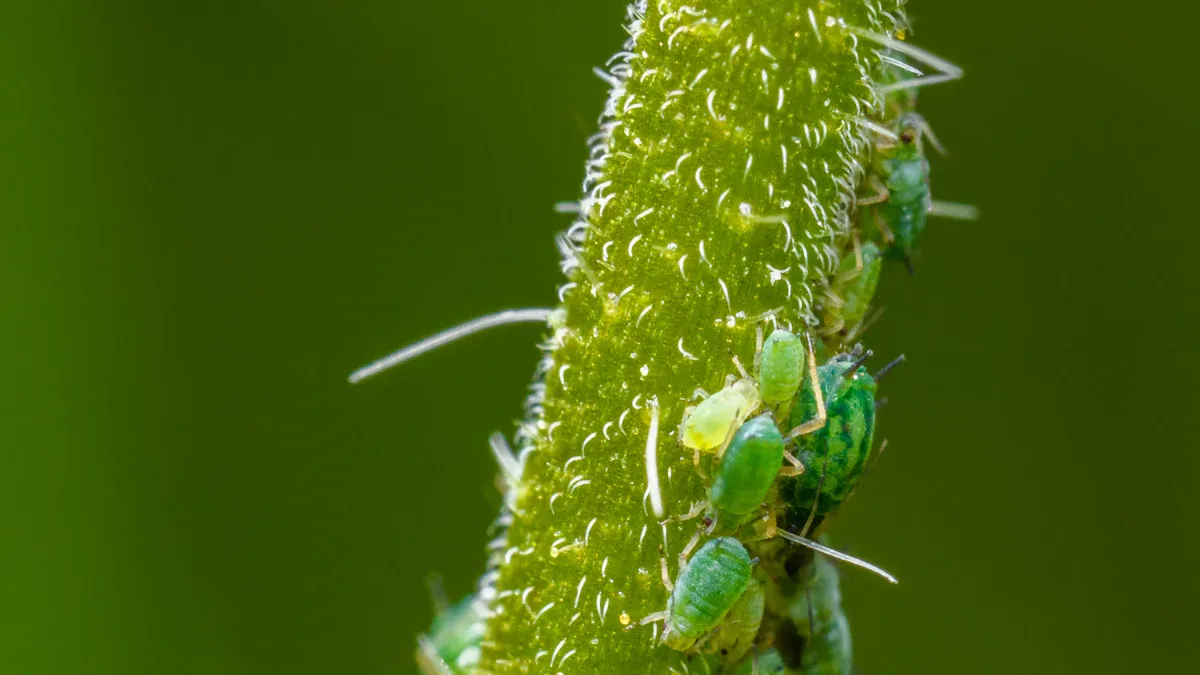
Aphids are small, soft-bodied insects that can significantly affect your kale plants. These pests suck the sap from kale leaves, leading to weakened plants and reduced yields. You may encounter several species of aphids, including:
Species Name | Visual Identification Characteristics |
|---|---|
Brevicoryne brassicae | Wingless, nearly completely covered with grayish-white wax. |
Myzus persicae | Light green, less damaging in cole crops, with a wide host range. |
Lipaphis pseudobrassicae | Known to feed on brassica seed crops, collards, and kale. |
Identification
To identify aphids on your kale plants, look for small, pear-shaped insects. They often cluster on the undersides of leaves. You might notice their colors vary from green to black or even pink. Aphids can reproduce quickly, so early detection is crucial.
Signs of Damage
Aphids can cause several visible signs of damage on your kale leaves. Watch for these symptoms:
Curling of leaves
Yellowing of leaves
Distortion of leaves
These signs indicate that aphids are feeding on your plants. If you observe these symptoms, take action to protect your kale.
Treatment Options
You have several effective options for treating aphids on your kale plants. Here are some organic pest control methods that have shown high efficacy:
Product | Control Efficacy (%) | Notes |
|---|---|---|
Azera | 64% – 92% | High efficacy against various aphid species |
Neemix | 19% – 47% | Moderate efficacy |
PyGanic | 47% – 73% | Moderate to high efficacy |
Entrust | 41% – 64% | Moderate efficacy in other studies |
To manage aphids effectively, consider these strategies:
Natural Predators: Introduce ladybugs or lacewings to your garden. These insects feed on aphids and can help keep their population in check.
Insecticidal Soap: Use insecticidal soap sprays to suffocate aphids. Apply it directly to the affected areas of your kale plants.
Neem Oil: This organic treatment disrupts the life cycle of aphids. Spray neem oil on your plants according to the product instructions.
By identifying aphids early and applying the right treatments, you can protect your kale plants and enjoy a healthy harvest.
Flea Beetles
Identification
Flea beetles are small but damaging pests that can wreak havoc on your kale plants. You can identify them by their unique features:
Feature | Description |
|---|---|
Size | Most are 1/16 – 1/8 inch; some can be up to 1/4 inch long. |
Color Variations | They can be black, bronze, bluish, brown, or metallic gray; some have stripes. |
Unique Feeding Damage | They create characteristic damage patterns on kale leaves. |
Jumping Ability | Their large back legs allow them to jump when disturbed. |
Flea beetles are very small, typically measuring between 1/16 and 1/4 inch long. They exhibit a range of colors, including black, metallic green, blue, brown, and bronze. Some species may even have stripes. Their powerful hind legs enable them to jump away quickly when you approach.
Signs of Damage
Flea beetles cause noticeable damage to your kale leaves. Here are the signs to watch for:
Chewing holes or pits in the leaves.
Small, rounded holes known as ‘shotholes.’
Thinner leaves show more noticeable shotholes, while thicker, waxy leaves may exhibit pitting.
Seedlings and small transplants are particularly vulnerable during heavy infestations.
If you see these signs, it’s time to take action to protect your kale plants.
Treatment Options
You have several effective strategies to control flea beetles in your garden:
Treatment Strategy | Description |
|---|---|
Physical Control | Use Kaolin clay to create a barrier against flea beetles, though effectiveness varies by location. |
High Tunnels | Growing crops in high tunnels can significantly reduce flea beetle populations compared to field crops. |
Chemical Control | Insecticides are the primary method, with Spinosad being a popular organic option. |
Companion Planting | Plant flowers like nasturtiums and marigolds to repel flea beetles and attract beneficial insects. |
Trap Crops | Plant mustard greens or radishes to lure flea beetles away from your main crops. |
Companion plants like nasturtiums repel flea beetles and attract beneficial insects. Marigolds deter pests with their scent, while garlic and onions help repel them as well. Trap crops, such as mustard greens and radishes, can lure flea beetles away from your kale, reducing their impact.
By identifying flea beetles early and applying the right treatments, you can protect your kale plants and ensure a healthy harvest.
Preventive Measures for Kale Pests
General Tips
Preventing pests on kale requires a proactive approach. Here are some effective strategies you can implement:
Maintain Healthy Soil: Add organic matter like compost to enrich your soil. Healthy soil supports strong plants that can resist pests.
Grow Diverse Crops: Avoid growing a monoculture. Intercropping with insectary plants attracts beneficial insects that help control pests.
Utilize Beneficial Insects: Introduce natural predators such as ladybugs and green lacewings. These insects feed on harmful pests and help keep their populations in check.
Best Practices
Implementing best practices can significantly reduce the risk of pest infestations. Consider the following:
Crop Rotation: Rotate your crops every few years. This practice disrupts the life cycles of pests and diseases. Certain crops can even act as natural repellents, enhancing pest control.
Proper Watering Techniques: Water your kale deeply and early in the day. Consistent moisture prevents stress in plants, making them less appealing to pests. Stressed plants can become bitter, attracting unwanted visitors.
Good Airflow: Ensure adequate spacing between plants. This promotes airflow, reducing humidity and the risk of disease.
By following these preventive measures, you can create a healthier environment for your kale plants. This proactive approach not only helps in managing pests but also contributes to a more productive garden.
In summary, effective pest management is essential for maintaining healthy kale plants. Here are the key takeaways:
Early detection of pests like cabbage worms, aphids, and flea beetles can prevent larger infestations.
A proactive approach creates a resilient garden ecosystem, making it less appealing to pests.
Healthy plants, supported by rich soil and compost, naturally resist pests and diseases.
By implementing these strategies, you can protect your kale and enjoy a bountiful harvest. Remember, a little vigilance goes a long way in keeping your garden thriving! 🌱
FAQ
What are harlequin bugs, and how do they affect kale plants?
Harlequin bugs are colorful pests that feed on kale leaves. They suck sap, leading to yellowing and wilting. If you notice these bugs, act quickly to prevent a larger infestation.
How can I identify an infestation of cabbage worms?
Look for small green caterpillars on the undersides of leaves. You may also see holes in the leaves and dark pellets of excrement. Early detection helps manage the problem effectively.
What natural predators can help control aphids on kale?
Ladybugs and lacewings are excellent natural predators of aphids. Introducing these beneficial insects can help keep aphid populations in check and protect your kale plants.
How often should I check my kale plants for pests?
Inspect your kale plants at least once a week. Regular checks help you catch any pest problems early, allowing for timely treatment and minimizing damage.
What preventive measures can I take against flea beetles?
To deter flea beetles, practice crop rotation, maintain healthy soil, and use row covers. These strategies create an environment less favorable for pests and protect your kale.