Coleus plants are incredibly popular. Their vibrant foliage offers a stunning visual impact in any garden. Gardeners love the kaleidoscope of colors these plants provide. Each coleus plant brings unique patterns and vibrant splashes of color. We will explore 18 colorful types of coleus. I will also demystify the art of pruning. This essential technique transforms your coleus into lush, colorful specimens. You will discover simple methods to boost their visual appeal and health. This guide helps you achieve amazing growth from your coleus plants. Their colorful leaves make a huge impact.
Why Grow Coleus Plants?
I find coleus plants truly captivating. They offer so much to any gardener. Their vibrant appearance and straightforward care make them a top choice.
Unmatched Coleus Color Diversity
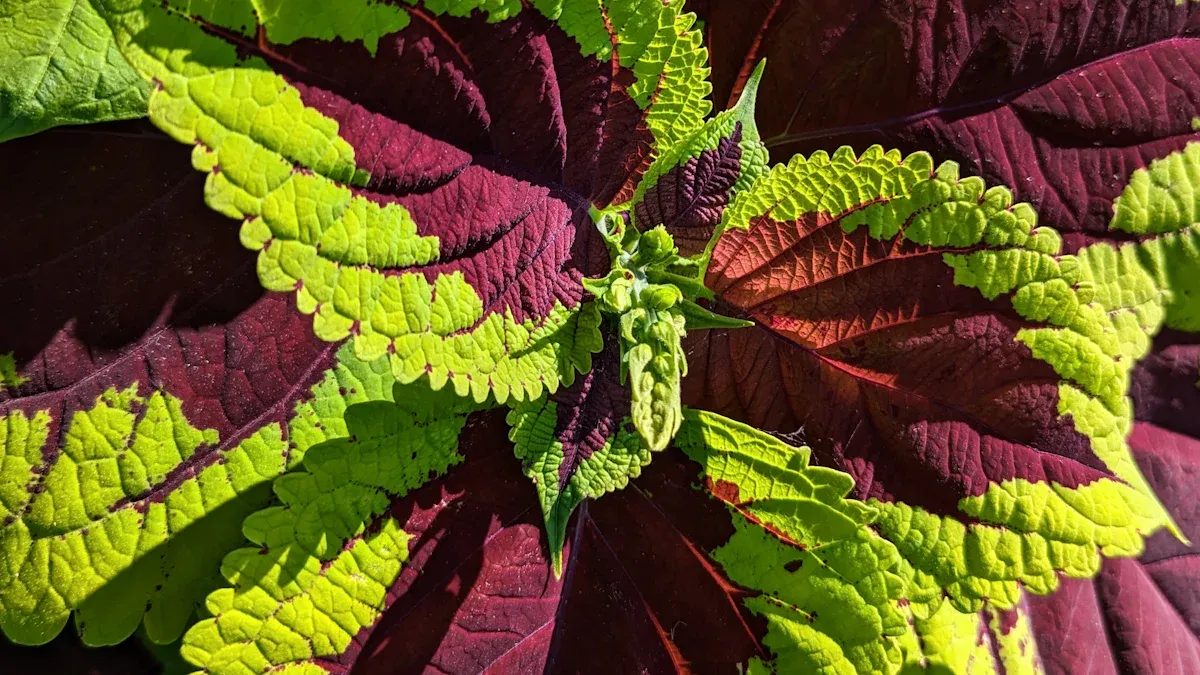
Coleus plants are famous for their incredible range of colors. I see a kaleidoscope of foliage colors and forms in these multicolored beauties. They display mosaic patterns, speckles, and varied leaf margins. These can be smooth, toothed, or even divided. You will find a wide range of colored foliage. This includes red, pink, purple, green, yellow, orange, and brown. For example, ‘Black Dragon’ coleus shows magenta-red centers with deep purple-black, lobed margins. ‘Wasabi’ coleus offers a striking chartreuse color.
The diverse leaf textures and extensive color palette allow for many garden designs. I love how the colors can be subtle or shocking. The unique patterns on each leaf are truly a work of art.
Easy Care for Coleus
I appreciate how easy coleus plants are to maintain. Once established, coleus is relatively low-maintenance. It does not demand constant attention. Compared to heavy feeders like petunias, coleus performs well with low or no fertility. This means less work for me. Regular care certainly enhances its appearance. I find that watering a few times a week and occasional pinching keeps my coleus looking its best. This plant provides vibrant color from spring planting until fall frost.
Versatility in Design with Coleus
Coleus offers incredible versatility in design with coleus. I use them in many ways in my garden. A coleus plant can serve as a focal point, drawing attention to itself. I often use them to create an alluring focal point in my containers. They can also unify a planting by repeating colors found in other plants.
I have trained coleus into a striking topiary. This adds an eye-elevating topiary element to my borders. Coleus provides color, line, form, and texture. This makes them excellent choices for memorable container plantings. I love creating an energetic color contrast with their colorful leaves. A mass of foliage from coleus can transform any space. They thrive in various growing conditions, making them adaptable.
Discover 18 Colorful Coleus Types
I love exploring the vast world of coleus. Each variety brings its own unique charm to the garden. I find the sheer diversity of coleus plants truly amazing. Let me introduce you to 18 of my favorite colorful types. I will group them by their growth habits and light preferences. This helps you choose the perfect coleus for your space.
Low-Growing and Trailing Coleus
These coleus types are perfect for spilling over containers or as groundcover. They add a lovely texture to the front of a border.
‘Trailing Queen’: I find ‘Trailing Queen’ coleus to be a regal choice. It features beautiful burgundy foliage from leaf to stem. The leaves have a simple oval shape, usually about an inch long. This plant grows 12 to 18 inches tall and spreads 1 to 3 feet wide. I often use it in containers or to soften the edge of a garden bed. It thrives in moist, rich, loose soil. I have found it grows best in part shade, tolerating full shade well. Be careful, full sun may cause its leaves to wilt. Pinching the stem tips promotes bushier growth. Removing flower stalks keeps the focus on its stunning foliage. This coleus plant is hardy in Zone 11, so I grow it as an annual in most other regions.
‘Wasabi’: This coleus offers a vibrant, almost neon, chartreuse color. Its ruffled leaves create a lively texture. I love how it brightens up shady spots. It typically grows about 12-18 inches tall and wide. I find it performs best in partial to full shade. It needs consistently moist soil to look its best.
Midsize Coleus Selections
These varieties are versatile. They work well in mixed containers or as a colorful accent in garden beds.
‘Chocolate Covered Cherry’: This coleus is a real showstopper. Its deep burgundy leaves have bright green edges. I find the contrast striking.
Category
Detail
Scientific name
Solenostemon scutellarioides ‘Chocolate Covered Cherry’
Genus
Solenostemon
Family
Lamiaceae
Order
Lamiales
This plant needs ample sunlight to thrive. I place mine less than 3 feet from a south-facing window indoors to maximize its growth. Insufficient light can cause leaf drop. Please remember, ‘Chocolate Covered Cherry’ coleus is not safe for consumption. I always keep it out of reach of children and pets.
‘Black Dragon’: I am always drawn to the dramatic look of ‘Black Dragon’. It has deep, dark, almost black-purple leaves with ruffled, serrated edges. The center often shows hints of magenta. It grows about 12-18 inches tall. I find it thrives in partial shade, where its colors truly deepen.
‘ColorBlaze® Sedona Sunset’: This coleus offers warm, fiery hues. Its leaves display shades of orange, red, and copper. I use it to add a vibrant focal point to my containers. It grows about 20-30 inches tall. It performs well in sun or partial shade.
‘Electric Lime’: I love the bright, zesty green of ‘Electric Lime’. Its leaves are a brilliant chartreuse, often with a slightly ruffled edge. It brings a fresh, energetic feel to any planting. It reaches about 18-24 inches in height. I grow it in partial to full shade for the best color.
‘Pineapple’: This variety features bright yellow-green leaves with a deep burgundy or maroon center. The contrast is quite appealing. It grows to about 18-24 inches tall. I find it does well in partial shade, where its colors remain vibrant.
‘Wizard Velvet Red’: This coleus offers rich, velvety red leaves. It creates a bold statement in any garden design. It grows about 12-18 inches tall. I appreciate its tolerance for sun, heat, and humidity. This makes it a reliable choice for many growing conditions.
Tall Coleus Varieties
These coleus types make a big impact. They can serve as a backdrop or a striking centerpiece in your garden.
‘Kong Red’: I am always impressed by the sheer size of ‘Kong Red’. Its leaves are enormous, often up to 6 inches wide. This plant is a superb garden performer. It grows vigorously, sturdy, and upright, quickly reaching up to 2 feet tall. The deep red leaves are beautifully edged with green. I find it prefers filtered shade. Its large leaves can burn in hot sun. It also makes an excellent indoor plant on a bright windowsill.
‘Giant Exhibition Palisandra’: This coleus features very dark, almost black, velvety leaves. It creates a dramatic, sophisticated look. It can grow quite tall, often reaching 2-3 feet. I plant it in partial shade to maintain its deep color and prevent leaf scorch.
Sun-Tolerant Coleus
These coleus varieties can handle more direct sunlight. They maintain their vibrant colors even in brighter conditions.
‘Redhead’: I love the rich, solid red-purple foliage of ‘Redhead’. It is a fantastic choice for sunny spots. This coleus grows well in sun or shade, reaching about 18-24 inches tall. Its consistent color makes it a reliable performer.
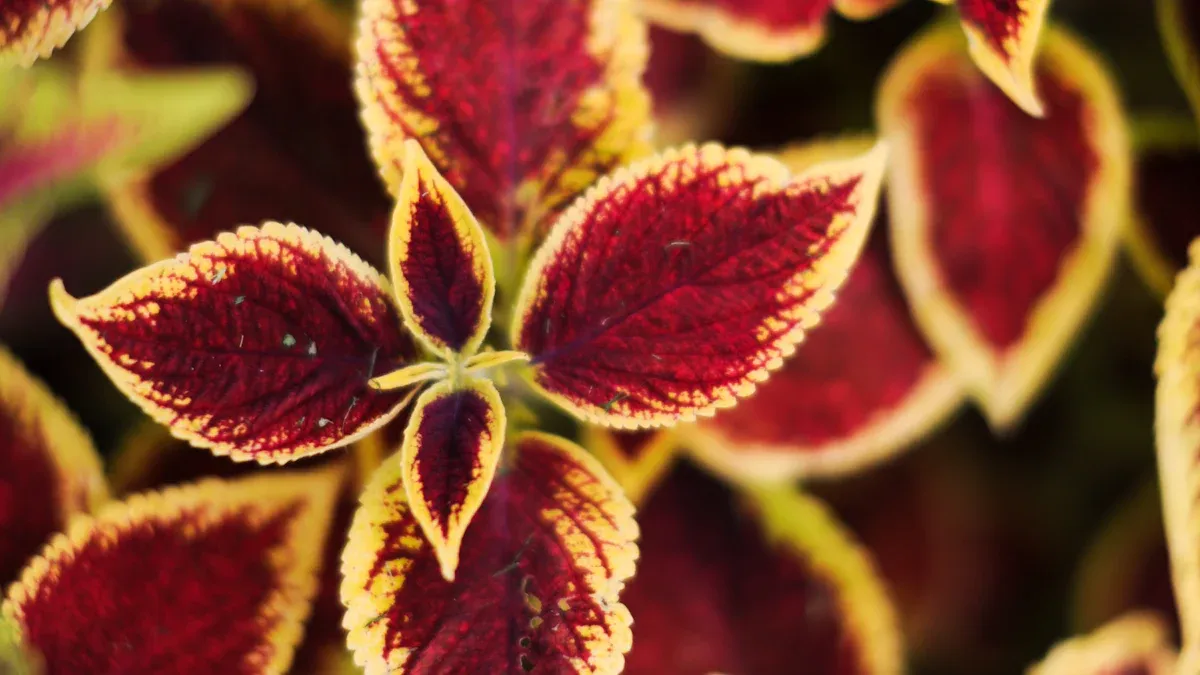
‘MainStreet Broadway’: This is an easy-care, sun-tolerant variety. It features bold reddish-purple leaves edged in golden yellow. I find its colorful leaves add a cheerful touch. It grows to about 18-24 inches.
‘FlameThrower Spiced Curry’: This coleus truly stands out. It has golden-yellow foliage accented with striking purple markings. It thrives in sun or shade. I find its unique patterns add great visual interest. It typically grows 18-24 inches tall.
‘Wizard Sunset’: This variety offers warm apricot-orange coleus leaves edged in gold. It brings a lovely glow to sunny garden areas. Like other Wizard series coleus plants, it tolerates sun, heat, and humidity well. It usually reaches 12-18 inches in height. I also note that ‘Burgundy Sun’ coleus is known for being more sun-tolerant than many other varieties. It keeps its rich, deep burgundy color even in bright conditions. This creates a dramatic contrast.
Shade-Loving Coleus
These coleus types truly shine in shadier garden spots. They bring brilliant color to areas where other plants might struggle. Most coleus varieties flourish with at least dappled shade. Direct sun should be limited to morning hours. Too much sun can scorch and fade foliage. Too little light can lead to weak growth. A balance is crucial for the plant’s beauty and health.
‘Golden Dreams™’: This coleus thrives in shade. It displays an electric lime color with dark red veins. I notice the red becomes less pronounced in shade, making the lime color more dominant. It grows to about 18-24 inches.
‘Dragon Heart’: This variety features chartreuse leaves with a dramatic fuchsia center. The fuchsia bleeds to burgundy through the veins. In shadier conditions, the chartreuse becomes more prominent. I find its intricate patterns captivating. It typically reaches 18-24 inches.
‘Inky Fingers’: I love the unique look of ‘Inky Fingers’. It has deep, inky chocolate leaves with a scalloped lime-green edge. This coleus thrives in shade, where its distinct color combination truly pops. It grows about 12-18 inches tall.
‘Trusty Rusty’: This coleus offers bright, copper-rust leaves. They are rimmed with delicate lemon-yellow beading. It thrives in shaded areas. I find its warm colors add a cozy feel to the garden. It usually grows 12-18 inches.
Brilliant Pruning Secrets for Coleus
I find pruning essential for healthy, beautiful coleus. It is not just about cutting. It is about guiding the plant’s growth. I want to share my brilliant pruning secrets with you. These techniques will help your coleus thrive.
Why Prune Coleus for Health and Looks
I prune my coleus plants for several important reasons. Pruning encourages a fuller, more dense plant. It prevents the plant from becoming leggy in appearance.
Leggy plants look stretched out and sparse. I want my coleus to look lush and vibrant. Coleus plants recover very quickly from being cut back. This makes pruning a low-risk, high-reward activity. Pruning also helps maintain the plant’s overall health. It removes any weak or damaged growth. This allows the plant to put energy into strong, healthy leaves.
Basic Pruning for Bushier Coleus
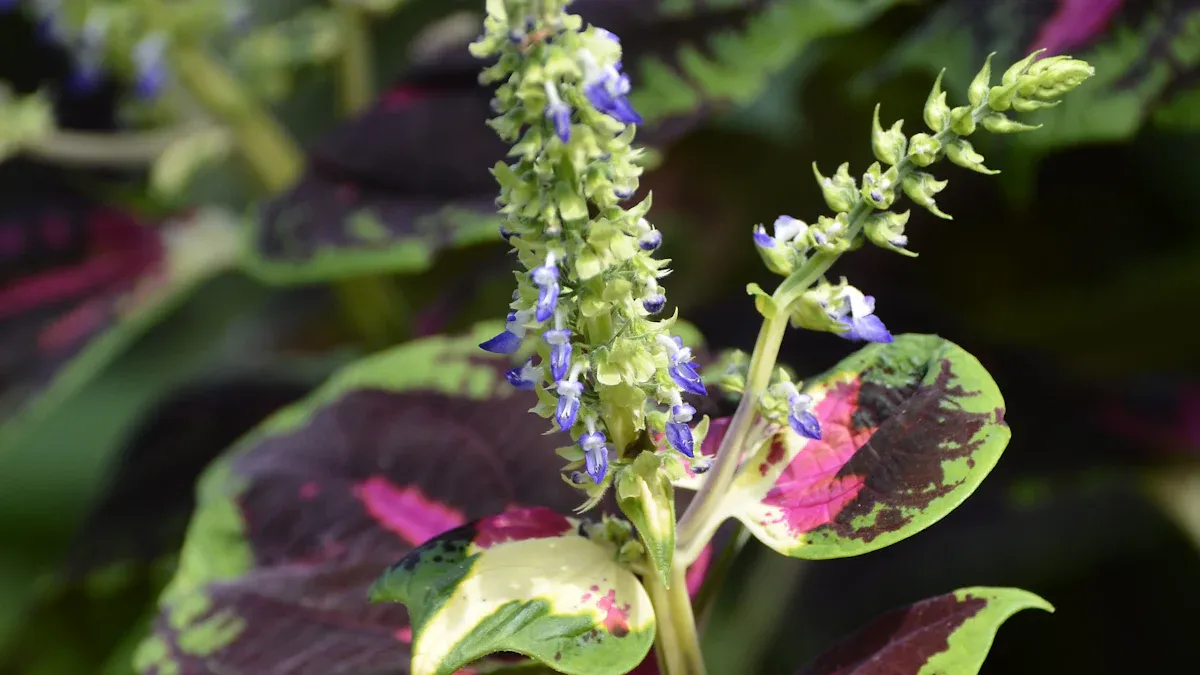
I regularly trim my coleus to encourage a bushier appearance. This is a simple process. I pinch right above a node using my fingers. A node is where leaves or branches emerge from the stem. This action stimulates new branches. It helps the plant grow fuller. It prevents it from becoming leggy. I also remove flowers by pinching them off.
I do this unless I intend to collect seeds. This redirects the plant’s energy to foliage growth. I find this basic pruning and pinching method very effective. It helps me shape my coleus. I can even train it into a small topiary if I wish.
Pinching to Prevent Leggy Coleus
Pinching is my go-to method for preventing leggy growth in coleus. I remove the tops of the plant forcefully. This trimming of new growth prevents stems from becoming long and stretched. It encourages the plant to produce leaves in other areas. This leads to a bushier appearance. Pinching helps maintain dense foliage. This is desirable for coleus, known for their beautiful leaves. I also remove flower buds. This redirects the plant’s energy into new leaf growth. It prevents flower production. Pinching helps me maintain the plant at a desired height. It extends the plant’s life by preventing decline after flowering. I use this technique to keep my coleus compact and full. I can even shape a small topiary with consistent pinching.
Removing Flower Spikes for Best Color
I always remove flower spikes from my coleus. This process is called deadheading. It redirects the plant’s energy away from seed production. It sends that energy back into foliage growth. This practice helps maintain the density and vibrancy of the leaves. It prevents them from becoming smaller, less colorful, or dropping prematurely. Regular deadheading extends the plant’s ornamental appeal. It promotes lush leaf production.
It maintains vigor. Removing flower buds prevents seed setting. It disrupts the reproductive stage. It redirects the plant’s energy to the vegetative stage, which is leaf production. The plant prioritizes foliage development over reproduction. I remove flower spikes as soon as they appear. This preserves the vigor and form of my coleus leaves.
Hard Pruning for Coleus Rejuvenation
Sometimes a coleus plant becomes overgrown or very leggy despite regular pinching. I perform hard pruning in these cases. I cut back the plant significantly. I remove up to half or even two-thirds of the stem length. I always make cuts above a node. This encourages strong new growth from lower on the stem. Hard pruning rejuvenates the plant. It brings back its bushy form. It promotes a fresh flush of vibrant leaves. I find this especially useful for older plants. It gives them a new lease on life.
Propagating Coleus from Cuttings
Pruning offers a wonderful bonus: new plants! I often propagate coleus from the cuttings I take. I select healthy stems about 4-6 inches long.
I remove the lower leaves. I place the cuttings in water or moist potting mix. Roots usually form within a few weeks. This is a great way to multiply my favorite coleus varieties. It also ensures I have backup plants.
Best Time to Prune Coleus
I prune my coleus throughout the growing season.
Early Spring/Growing Season: I recommend frequent pinching. This encourages bushy growth for summer and fall. I pinch healthy stems with more than four or six leaves. Two new stems grow from each pinch point. I wait until plants show new growth before resuming pinching after winter.
Year-Round: I remove dead or diseased wood at any time. This prevents pests or diseases. It maintains plant health.
End of Season (Fall/Winter): Coleus plants flower as days shorten and nights lengthen. If I prefer more foliage, I remove flower buds as they sprout. This redirects the plant’s energy from seed formation to leaf and stem development. It results in a denser, bushier plant.
Winter (Avoid Pruning): I generally avoid pruning during winter, even for indoor plants. Coleus are less active then. They may struggle to heal. This can shock the plant. It can hinder new growth in spring. The only exception is pinching flower buds indoors. This encourages root growth.
Essential Pruning Tools
I use simple tools for pruning my coleus.
Fingers: I use my fingers for pinching back new leaves. I also use them for new leaf growth or flower buds. This is perfect for small, tender growth.
Clean pruning shears or clippers: I use these for cutting back larger sections of stems. This is especially true if the plant has become leggy. I also use them for removing larger sections or spent flowers. I always make sure my tools are clean. This prevents the spread of diseases.
Essential Care Tips for Vibrant Coleus
I find that maintaining coleus is straightforward. Providing the right conditions helps these coleus plants display their best color and vibrant foliage.
Light for Best Coleus Color
I know light is crucial for coleus color. Most coleus varieties thrive with at least dappled shade. Direct sun should be limited to morning hours. Too much sun can scorch and fade the leaves. Too little light can lead to weak growth. A balance is crucial for the plant’s beauty and health.
Watering Needs of Coleus
Coleus has high water needs. I always ensure the soil stays consistently damp.
Newly planted coleus needs daily watering for the first week.
After establishment, it can go a few days depending on weather and humidity.
I water when the top 1 inch of soil feels dry. Leaves will droop or wilt if the plant is too dry.
Potted coleus requires regular watering. They dry out more quickly.
For coleus brought indoors in colder regions, I wait until the top inch of soil is dry before watering. Plants not actively growing need less frequent watering.
Yellow leaf tips indicate overwatering. I always ensure potted plants have drainage holes.
Ideal Soil for Coleus
Coleus requires an evenly moist, well-drained soil for optimal growth. It thrives best in rich soils. While not particular about soil pH, it prefers slightly acidic to neutral conditions (pH 5.5 to 7).
Soil pH: Slightly acidic, with a pH between 5.5 and 7.
Soil Composition: A good starting mix includes 30% peat moss, 30% perlite, and 30% compost. Activated charcoal can adjust pH. Coleus thrives in soil with good aeration, drainage, and high organic content.
Fertilizing Your Coleus Plant
I fertilize my coleus to support its growth.
Aspect | Recommendation |
|---|---|
Fertilizer Type | Balanced all-purpose fertilizer (e.g., 10-10-10 formula) |
Application Schedule | Once per month during spring and summer growing season |
Managing Pests and Diseases
I watch for common pests on my coleus. Aphids, mealybugs, and spider mites can sometimes bother the plant. I use organic methods to control them. A strong stream of water can dislodge aphids. Insecticidal soap or neem oil works well for many pests. For fungus gnats, I let the soil dry out more between waterings. Slugs and snails can chew holes in leaves. I hand-pick them or use beer traps.
I find coleus plants offer immense beauty and are easy to care for. Their vibrant colors and diverse texture make them a perfect focal point in any garden. Selecting the right coleus and applying effective pruning transforms your plant. This creates stunning visual texture. I encourage you to experiment with different coleus varieties and use these secrets. You can create a stunning focal point or even a topiary. Enjoy the reward of gardening with these amazing coleus plants!