
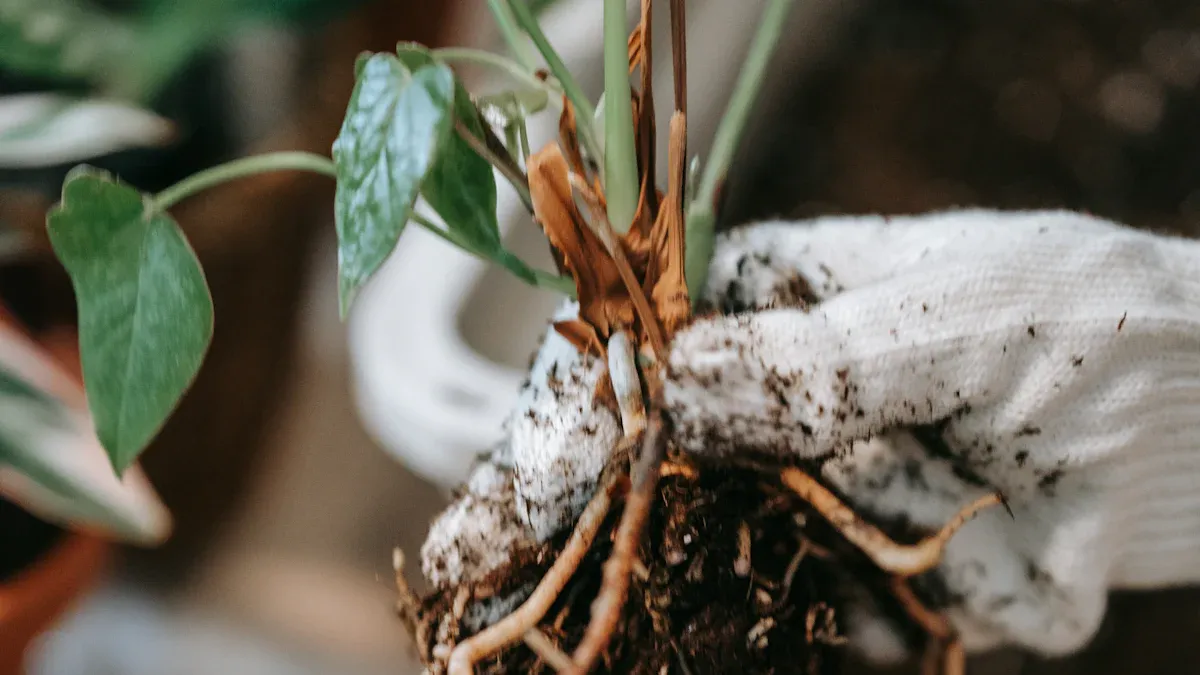
Cleome plants offer fascinating insights into the world of botany. You may find them in various regions, from African gardens to natural habitats. These plants are not just visually appealing; they also hold significant nutritional value. For instance, Cleome gynandra serves as a vital leafy vegetable in Africa, packed with essential vitamins and minerals. Additionally, Cleome species attract numerous pollinators, enhancing biodiversity. Understanding Cleome Plant Roots and their growth patterns can deepen your appreciation for these remarkable plants.
Key Takeaways
Cleome roots can grow 2 to 3 feet deep, allowing them to access moisture and nutrients that other plants cannot.
Healthy Cleome stems support pollination by positioning reproductive structures for better access by pollinators.
Use well-draining, nutrient-rich soil with a pH of 6.0 to 7.0 for optimal Cleome growth.
Water Cleome plants deeply but infrequently to encourage strong root development and prevent root rot.
Regularly check for signs of nutrient deficiencies, such as yellowing leaves, to maintain plant health.
Cleome Roots
Structure and Function
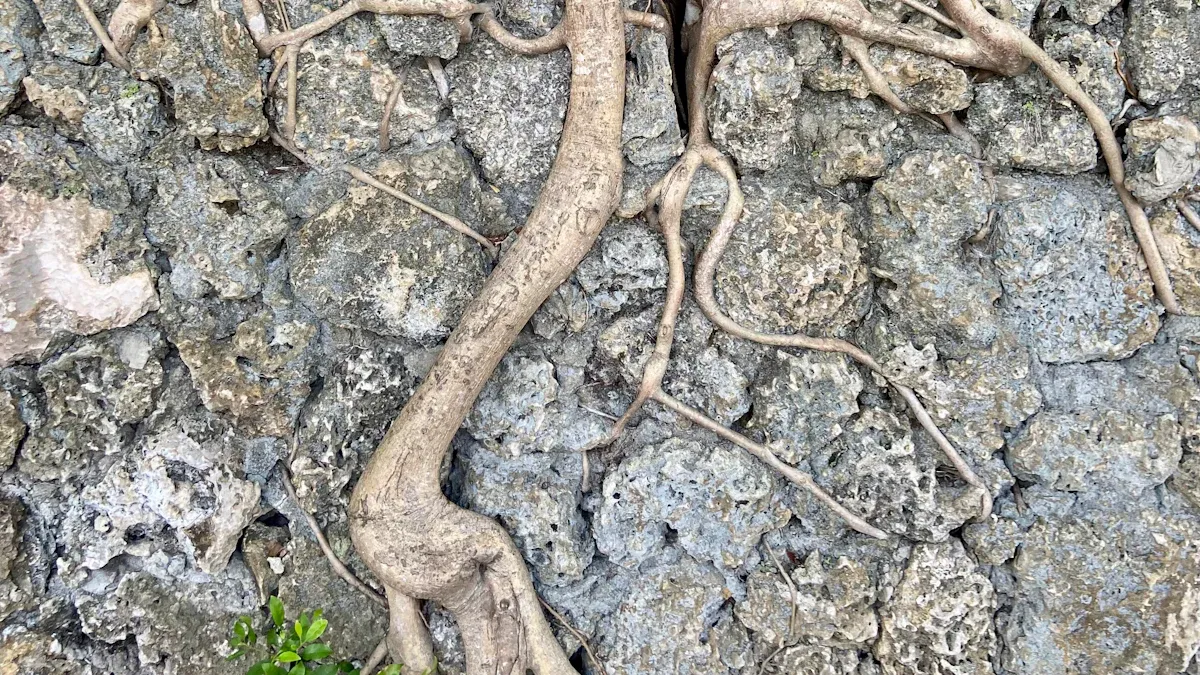
The cleome plant roots play a vital role in the overall health of the plant. These roots have a unique structure that allows them to perform several essential functions. They anchor the plant firmly in the soil, providing stability against wind and rain. The roots also absorb water and nutrients from the soil, which are crucial for the plant’s growth and development.
You might find it interesting that Cleome roots can reach depths of 2 to 3 feet. This depth allows them to access moisture that is not available to shallower-rooted plants. The deeper roots enhance the plant’s ability to survive in dry conditions. Here’s a quick overview of the functions of various metabolites found in Cleome roots:
Metabolite | Location | Function |
|---|---|---|
Heptadecanal | Roots | Contributes to water retention |
Pentadecanoic acid | Roots | Enhances drought resistance |
These metabolites help the plant manage water efficiently, especially during periods of drought.
Growth Patterns
The growth patterns of Cleome roots are influenced by several environmental factors. Research shows that moisture gradients significantly affect how these roots develop. When water is plentiful, the roots tend to grow deeper and spread wider. This adaptation helps the plant maximize its access to water and nutrients.
The depth of Cleome roots not only aids in moisture access but also contributes to the plant’s stability. A well-established root system provides lateral support, making the plant more resilient to environmental stresses. Here’s a summary of how root depth impacts the Cleome plant:
Aspect | Detail |
|---|---|
Root Depth | 2-3 feet |
Moisture Access | Access to deeper moisture |
Stability | Provides lateral stability and support |
Drought Resistance | Enhances resilience in various conditions |
Understanding these growth patterns can help you appreciate how Cleome plants thrive in diverse environments. By recognizing the importance of their roots, you can better care for these remarkable plants in your garden.
Cleome Stems
Characteristics
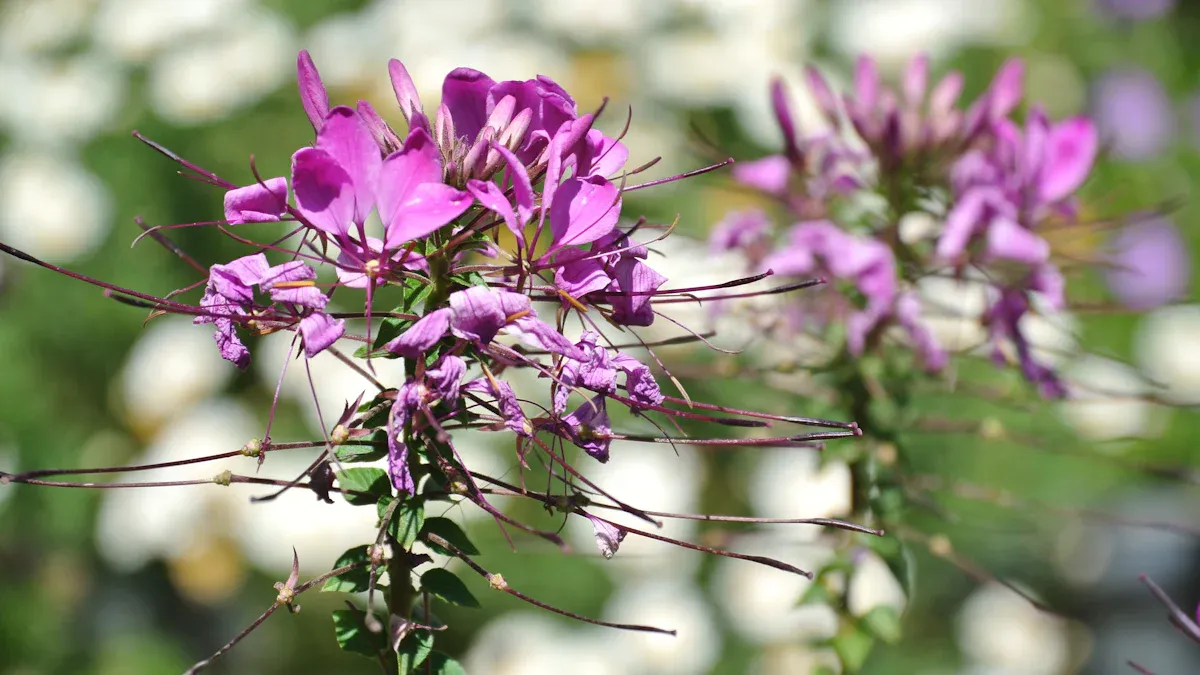
Cleome stems exhibit several defining physical traits. These stems are primarily green and often covered with long glandular hairs or prickles. Here’s a quick overview of their characteristics:
Characteristic | Description |
|---|---|
Stem Color | Green |
Stem Surface | Hairy (pubescent) |
Stem Description | Stems are green and may be covered with long glandular hairs or prickles |
You will notice that Cleome stems can be either unbranched or sparsely branched. Their glandular-pubescent surface helps in various functions, including moisture retention and protection against herbivores. These features make Cleome stems unique and well-adapted to their environments.
Growth Patterns
The growth patterns of Cleome stems significantly contribute to the overall health of the plant. The stems, particularly the stalks known as gynophores, support the reproductive structures. They adjust the height and position of the stigma and anthers, making them more accessible to pollinators. This adjustment enhances the effectiveness of pollination, which is crucial for the plant’s reproduction.
Healthy stems also correlate with the plant’s vigor and flowering. Research shows that the number of primary branches positively influences the days to 50% flowering. However, longer primary branches may negatively affect this timing. Here’s a summary of how stem traits relate to flowering:
Trait | Correlation with Days to 50% Flowering |
|---|---|
Number of Primary Branches | Positive |
Primary Branch Length | Negative |
Understanding these growth patterns helps you appreciate how Cleome plants thrive. By recognizing the importance of healthy stems, you can better care for your Cleome plants, ensuring they grow strong and vibrant.
Cleome Care
Soil Requirements
To grow Cleome successfully, you need to pay attention to the soil. Cleome plants thrive in well-draining, fertile soil. Here are some key points to consider:
Cleome fosteriana and Cleome trachysperma prefer a pH level between 6.0 and 7.0.
Cleome (Spider Flower) can tolerate a slightly higher pH, up to 7.5.
Using nutrient-rich soil promotes healthier root and stem development. Soil fertility directly influences the growth of Cleome burttii. You should manage the soil properly to ensure optimal plant health.
Watering and Nutrients
Watering Cleome plants correctly is crucial for their growth. Here are some tips for effective watering:
Water your Cleome plants deeply but infrequently. This encourages deep root growth.
Ensure the soil remains moist but not soggy. Overwatering can lead to root rot.
When it comes to nutrients, consider the following:
Use fertilizers designed for flowering plants. Look for a balanced formula, such as 10-10-10 or 5-10-5. These ratios ensure that nitrogen levels do not exceed phosphorus levels.
Phosphorus is essential for promoting flowering. Too much nitrogen can lead to lush foliage but fewer flowers.
For a garden area of 100 sq. ft., apply 10 lbs. of a 10-10-10 fertilizer to provide adequate nutrients.
You may notice signs of nutrient deficiencies in your Cleome plants. Yellowing leaves often indicate a lack of essential nutrients. Scorched leaves can suggest environmental stress or nutrient issues. Regularly check your plants to catch these problems early.
Challenge | Solution |
|---|---|
Root rot | Avoid overwatering; ensure healthy root conditions. |
Insufficient sunlight | Provide full sun exposure for at least 6-8 hours daily. |
Pest infestations | Regularly check for pests and adjust care routines accordingly. |
By following these care tips, you can ensure that your Cleome plants grow strong and vibrant, leading to beautiful blooms.
Understanding Cleome plants, especially their roots and stems, reveals their importance in gardening and medicine. You can appreciate how deep roots enhance drought resistance and stability. The unique characteristics of Cleome stems support pollination and flowering.
Recent research highlights the diverse bioactive compounds in Cleome, which may offer therapeutic benefits. These findings can guide your gardening practices and inform future studies in plant-based therapies.
Remember, Cleome plants thrive in sunny spots and require minimal care, making them a great addition to your garden!
FAQ
What are the best conditions for growing Cleome hassleriana?
Cleome hassleriana thrives in full sun and well-draining soil. Ensure you provide at least 6-8 hours of sunlight daily. This plant prefers slightly acidic to neutral pH levels, ideally between 6.0 and 7.0.
How often should I water my spider flowers?
Water your spider flowers deeply but infrequently. Allow the soil to dry out between waterings. This practice encourages deep root growth and helps prevent root rot.
When do Cleome plants bloom?
Cleome plants typically bloom from late spring to early fall. You can expect vibrant flowers throughout the summer, attracting pollinators to your garden.
Are Cleome plants annual or perennial?
Cleome hassleriana is generally grown as an annual in most regions. However, in warmer climates, it may behave as a short-lived perennial, returning each year.
How do I propagate Cleome plants?
You can propagate Cleome by seed. Sow seeds directly in the garden after the last frost. Thin seedlings to allow adequate space for growth.